

Victorian Oil Art Original
A victorian oil art original brings genuine nineteenth-century brushwork into a room, offering rich textures and historic depth.
Victorian Oil Art Original
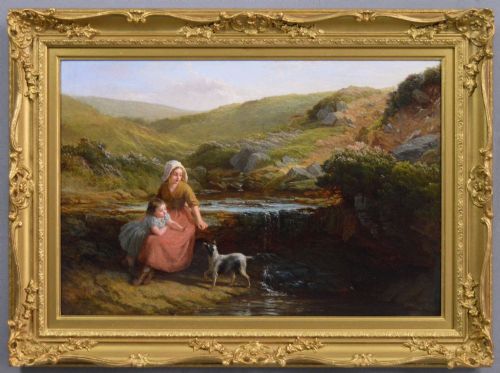
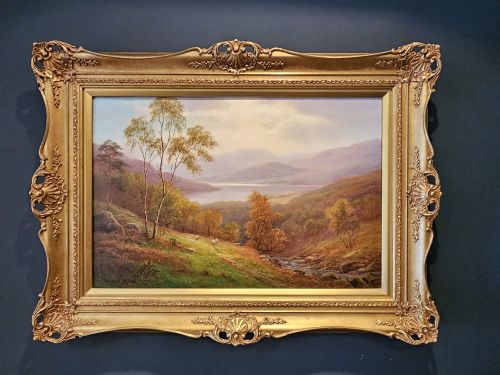
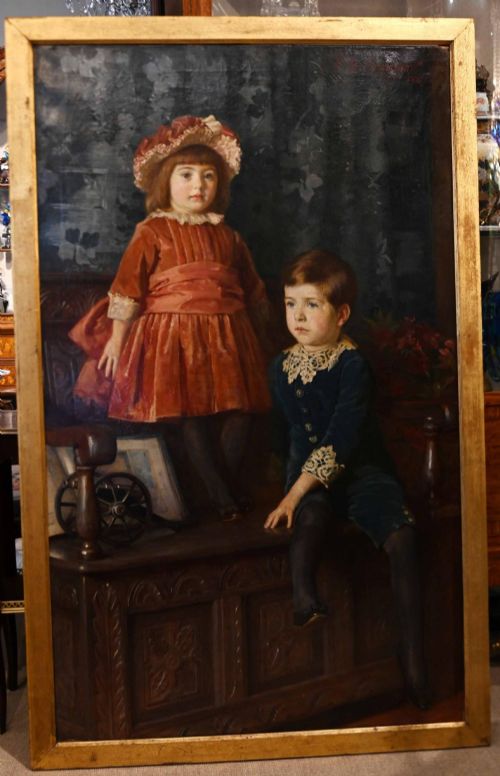
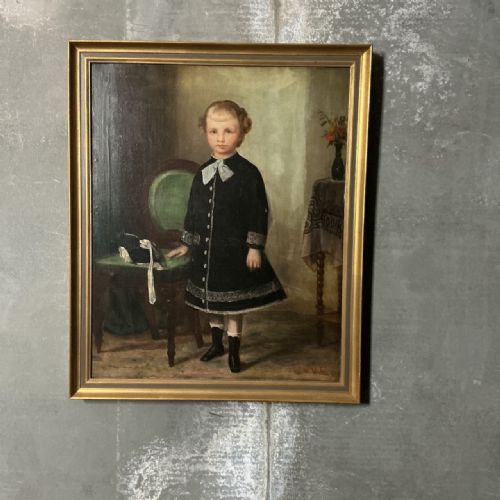
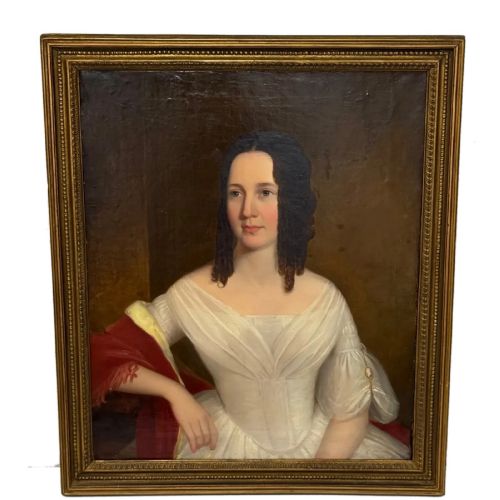
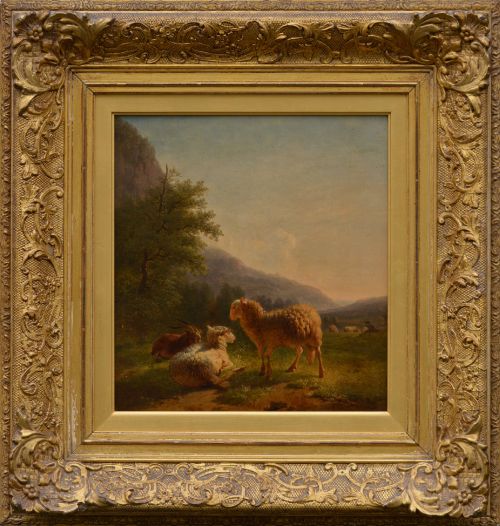
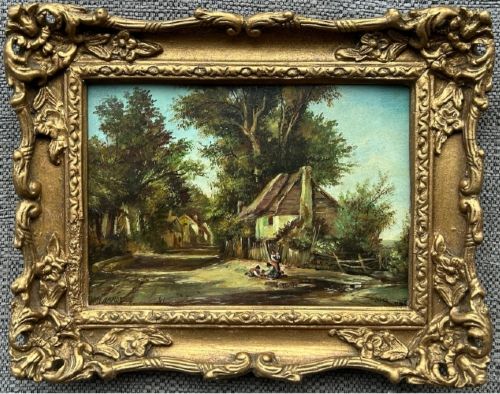
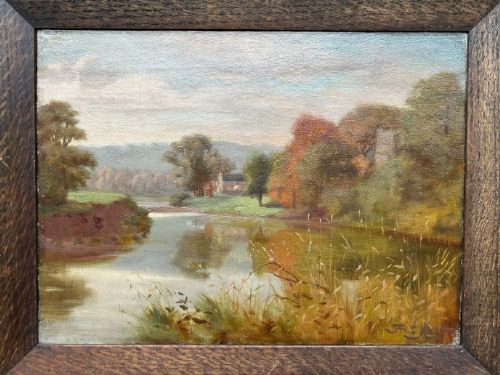
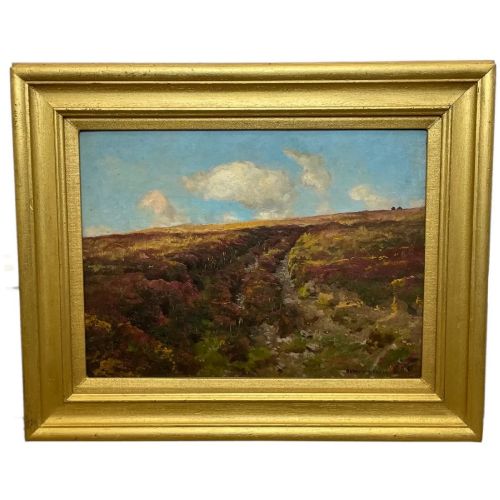
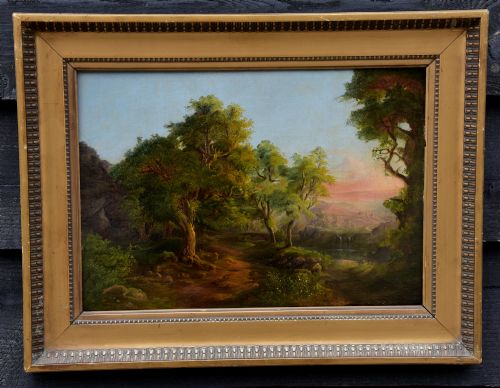
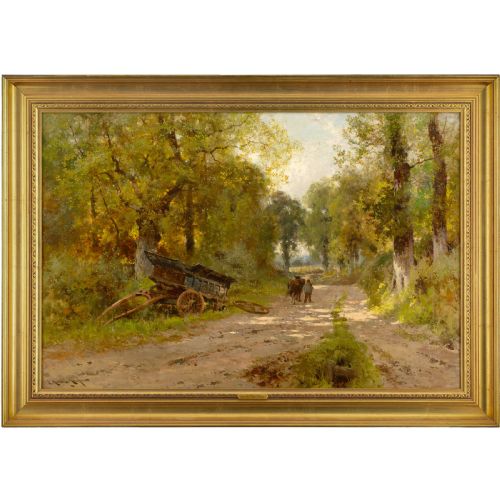
When you search for victorian oil art original, you encounter hand-painted fine art pieces produced predominantly during the nineteenth century, encompassing portraits, landscapes, and maritime scenes. These works reflect the diverse academic and pastoral interests of the period, executed by artists working across Britain and continental Europe.
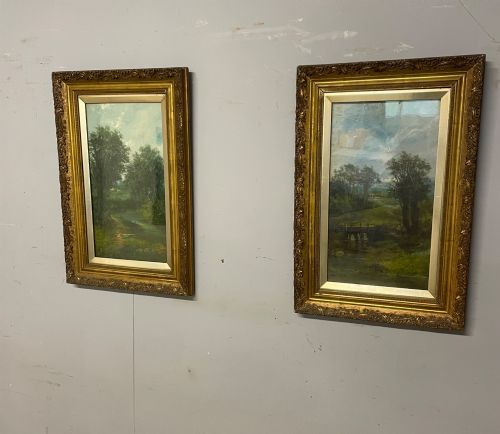
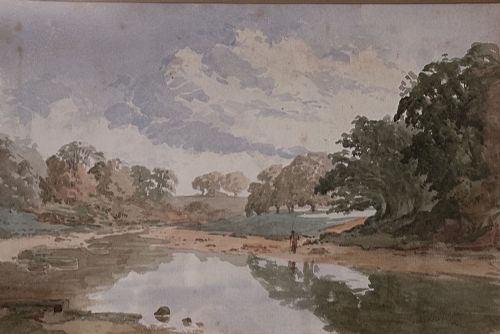
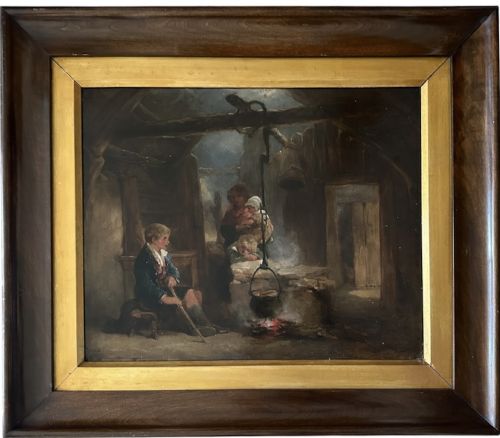
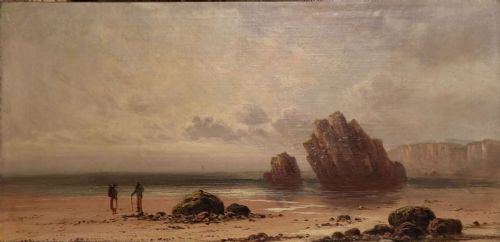
The most common formats on this page include oil paintings on canvas, panel, or board, frequently housed in their original decorative frames of giltwood and gesso. Subjects range from tranquil pastoral views and woodland scenes to detailed character portraits and coastal harbours.
How they were made
Artists applied oil paint using traditional brushes and palette knives onto prepared surfaces such as stretched canvas, wood panels, or artists' boards. These supports provided a stable foundation for the build-up of rich pigments and glazes characteristic of the period.
Many of these works remain enclosed in decorative frames constructed from wood, embellished with moulded gesso and finished in gilt, preserving the complete presentation intended by the nineteenth-century makers.
Materials recorded across these listings include oil paint, canvas, giltwood, gesso, and wood.
What varies in quality
The degree of painterly skill and anatomical or perspective accuracy varies noticeably between works produced by formally trained academicians and those by provincial or amateur hands. Masterful handling of light, shadow, and fine detail distinguishes the finest examples from simpler compositions.
The preservation of the original surface, along with the retention of the authentic period giltwood or gesso frame, heavily influences the integrity and overall visual impact of the piece.
Eugène Verboeckhoven·William Howard Hardy·Frederick Marriott·Arthur Wardle·John Horace Hooper·Alfred Fontville de Breanski Jr·Oliver Clare·Stephen Samuel Lewin·Vittorio Reggianini·Thomas W Lascelles·David Bates·Alfred Lyndon Grace·G. J. S. Bary·Alfred Pollentine·Albert Clark·Francis Moltino·Margaret Sarah Carpenter·Konstantin Stoitzner·Adelaïde Salles-Wagner·Max Kaltenmoser·Thomas Sidney Cooper·Louis Charles Verwee·William Blake Richmond·Stephen Pearce·Henry Windsor Fry
The Victorian Oil Art Original Glossary
- Oil on Canvas
- A traditional painting technique where oil-based pigments are applied to a woven fabric support stretched across a wooden frame. This combination allows for subtle blending and rich texture.
- Giltwood
- Timber that has been coated with a thin layer of gold leaf or metallic gilt finish. It is commonly found on ornate nineteenth-century picture frames.
- Gesso
- A plaster-like mixture applied to wood frames or panels to create a smooth surface for gilding and ornamentation. It is frequently moulded into decorative reliefs.
- Panel
- A solid flat support made from wood used by artists instead of canvas. Wooden panels provide a rigid base for detailed brushwork.
Victorian Oil Art Original: Frequently Asked Questions
How do I clean an old oil painting?
Surface dust can be gently removed using a very soft, dry brush without applying pressure to the pigment.
For deeper cleaning or removal of aged varnish, consult a professional conservator to avoid damaging the historic canvas.
Are these paintings signed by the artist?
Many works feature visible artist signatures, monograms, or studio inscriptions inscribed directly onto the canvas or panel surface.
Others remain unsigned or attributed based on stylistic evidence and historical records from the period.
How should I hang my oil painting?
Choose an interior wall away from direct sunlight, heating vents, and damp areas to protect both the canvas and the wooden frame.
Ensure the hanging wire and wall fixings are robust enough to support the combined weight of the painting and its heavy gesso frame.
How do I identify a nineteenth-century frame?
Period frames typically feature hand-carved or moulded gesso ornamentation over a heavy wooden core, finished with genuine gold leaf.
Inspect the corners and reverse of the frame for signs of age, construction methods, and historical fixings characteristic of the era.