




Antique Fruit Oil Picture
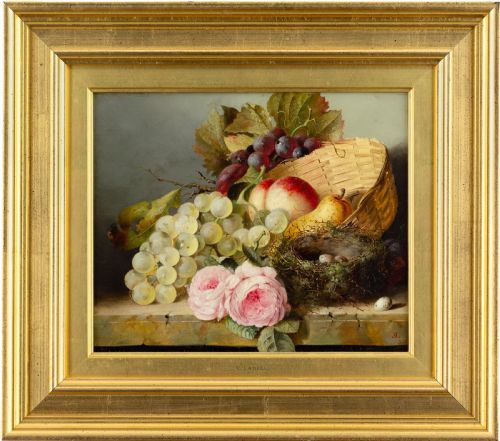
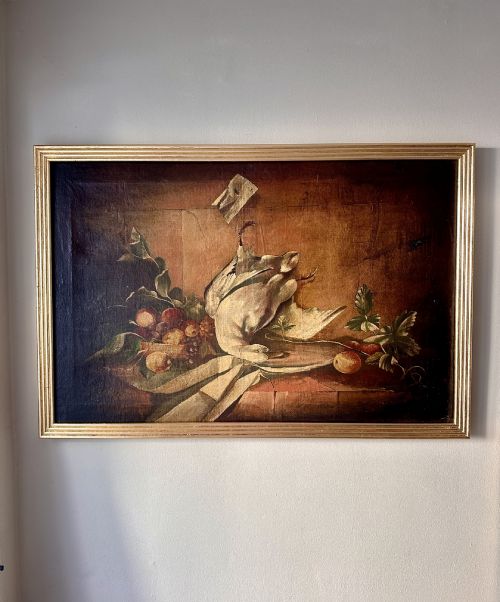
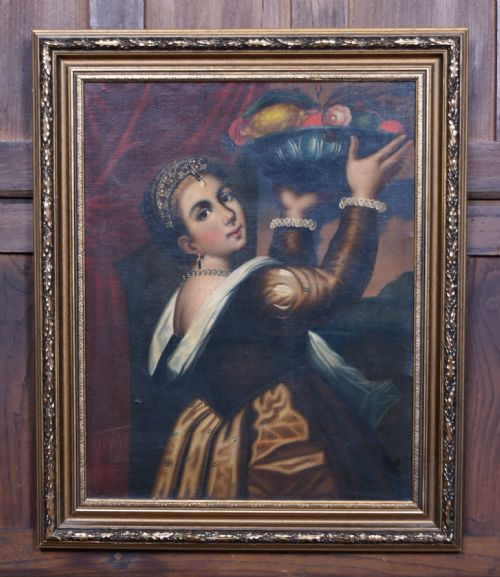
These antique fruit oil picture examples bring rich textural still life compositions into a room, offering centuries of finely observed harvest scenes.
Antique Fruit Oil Picture
An antique fruit oil picture captures traditional still life compositions in oil paint, spanning periods from the eighteenth century through the mid twentieth century. Buyers seeking this phrase encounter canvas works, porcelain panels and board supports housed within period frames.
The selections range from nineteenth century continental school works to Victorian canvases and modernist French interpretations. These oil paintings depict baskets, vases, and arrangements of fruit and game.
Victorian examples and nineteenth century pieces dominate the selection, often presenting detailed studies of grapes, apples, and floral elements. Buyers also find pairs of Baroque style compositions and twentieth century modernist treatments.
How they were made
Artists painted these works using oil on canvas, wood panels, or porcelain panels, employing layered brushwork to build depth and texture. Canvas supports stretch over wooden frames while rigid panels provide a smooth surface for detailed fruit studies.
Frames utilise wood, giltwood, and gold leaf, often finished with ornate moulding that complements the traditional classical or Baroque subjects. Guilded wood and gilt frames frame the paintings, protecting the edges of the canvas and board.
The listings span the eighteenth century to nineteen sixty, utilising oil on canvas, wood, porcelain panels, and gold leaf.
What varies in quality
Quality rests in the precision of the brushwork and the naturalism of the fruit rendering, where accomplished shading creates tangible weight and three dimensional form in the basket or vase. Strong compositions balance light and shadow across the canvas rather than relying on flat arrangement.
The integrity of the original support and the matching frame influence the standing of a piece, as period giltwood and gold leaf frames enhance the oil painting. Finer works display controlled handling of pigment across canvas, porcelain, or board.
Edward Ladell·William Duffield·Vincent Clare·John Robertson Reid·William Rayworth·J M Arundele
The Antique Fruit Oil Picture Glossary
- Oil on Canvas
- Pigment mixed with drying oil applied to a woven fabric stretched across a wooden frame. This primary support allows for varied brush textures and surface tension.
- Giltwood
- Wood carved and coated with a thin layer of gold leaf or metallic powder. This material forms the ornate period frames surrounding the paintings.
- Still Life
- A painting genre depicting inanimate subject matter, typically commonplace objects including food, fruit, and vessels. These compositions focus on natural arrangements.
- Baroque Style
- An artistic approach characterised by dramatic lighting, deep shadows, and theatrical compositions. This style appears in historical fruit and floral pairings.
- Porcelain Panel
- A flat ceramic sheet fired and glazed to provide a rigid support for fine oil painting. This smooth ground permits minute detail work.
Antique Fruit Oil Picture: Frequently Asked Questions
Where did these pictures hang?
These paintings traditionally hung in dining rooms and parlours where still life subjects relating to food and harvest complemented the domestic function of the space.
Today, they suit living rooms and hallways, adding warmth and traditional character to both period interiors and modern walls.
How do I date a frame?
Frames are dated by examining the construction techniques of the wooden moulding, the type of gesso applied beneath the surface, and the method of gilding used on the gold leaf.
Original period frames often show age-related wear to the giltwood that matches the canvas they enclose.
What is a continental school?
The term continental school refers to artworks produced by artists trained in mainland European academies rather than British institutions. These pieces often reflect specific regional approaches to oil painting and still life composition.
They share common academic techniques in handling light and shadow on canvas.
How should I clean the canvas?
Dust accumulation on oil paintings requires light removal with a soft, dry brush, avoiding any moisture or chemical cleaning agents that might disturb the paint surface.
Professional conservators should handle any deeper cleaning or varnish removal to protect the integrity of the oil on canvas.