


Victorian Grape Oil Painting
These Victorian grape oil painting works capture lush fruit arrangements on canvas, offering a rich study in traditional classical realism for your walls.
Victorian Grape Oil Painting
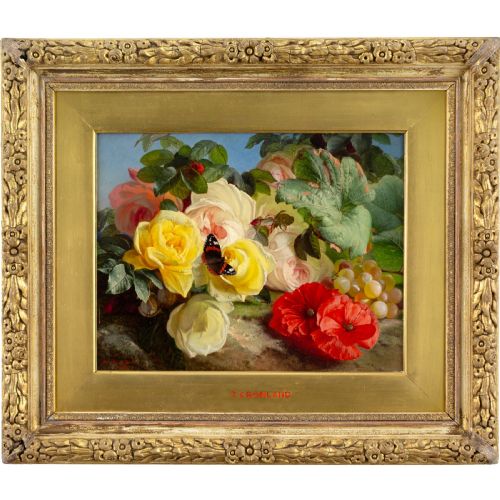
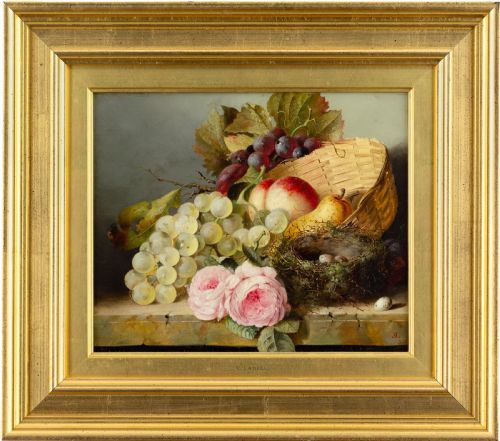
A victorian grape oil painting presents detailed still life compositions featuring fruit such as apples, peaches, and berries alongside the central subject of grapes. These works typically emerge from the nineteenth century, utilising canvas as the primary support for traditional classical realism.
The pieces on this page span various interpretations of the genre, ranging from signed works by known artists to anonymous studies of baskets filled with fruit. Collectors encounter both simple arrangements of grapes and complex tableaus including birds, nests, and exotic flora.
Most examples adhere to the nineteenth century realism style, focusing on the tactile qualities of fruit surfaces, light play, and texture. Buyers find both intimate canvas studies and larger celebratory harvest scenes within this selection.
Materials and Technique
Artists painted primarily in oil on canvas, applying layers of oil paint to build depth, shadow, and highlights across the fruit and foliage. This medium allowed painters to achieve soft transitions and rich colour saturation suitable for classical still life subjects.
Many of these canvases sit within decorative wooden frames finished with gold leaf, giltwood, or gesso mouldings. The application of these gilded elements enhances the visual weight of the paintings and protects the edges of the canvas.
Some grape arrangements unexpectedly share the canvas with a watchful parrot.
Assessing Quality
Quality in these works rests upon the precision of brushwork, the convincing rendering of texture on fruit surfaces, and the overall composition of the tabletop elements. Master hands achieve a lifelike translucency in the grapes and a naturalistic fall of light that lesser works miss.
The integrity of the canvas and the preservation of the original oil paint layers also distinguish finer pieces from standard studies. Additionally, the craftsmanship of the accompanying gilt wood or gesso frame contributes significantly to the overall standing of the piece.
Theude Grönland·Edward Ladell·Vincent Clare·Thomas Hooper·Oliver Clare·George Lance·Arthur Heinrich Wilhelm Fitger·James and William Ward
The Victorian Grape Oil Painting Glossary
- Canvas
- A heavy woven fabric used as a surface for oil painting. It provides the tensile strength needed for large nineteenth century works.
- Oil Paint
- A slow-drying paint made with pigments suspended in a drying oil, typically linseed oil. This medium allows for subtle blending and rich tonal depth.
- Giltwood
- Wood carved and covered with a thin layer of gold leaf or gold powder. It forms the ornate frames frequently paired with these paintings.
- Gesso
- A plaster-like mixture applied to wood or canvas as a base for painting or gilding. It creates a smooth surface for intricate frame mouldings.
- Still Life
- A painting genre focused on inanimate everyday objects, typically natural subjects like fruit and flowers. These compositions emphasise light, shadow, and arrangement.
Victorian Grape Oil Painting: Frequently Asked Questions
How should I hang a heavy oil painting safely?
Ensure you fix your hanging hardware directly into wall studs or utilise appropriate wall anchors rated for the weight of the canvas and its gilded frame.
Position the painting at eye level away from direct sunlight and heat sources to protect the oil paint and canvas over time.
What subjects usually accompany grapes in these artworks?
Artists frequently paired grapes with other orchard fruits such as apples, peaches, and plums, as well as wicker baskets and leaves. Some compositions also incorporate birds, nests, or exotic items like pineapples and parrots.
These additions created varied textures and allowed painters to demonstrate their skill in rendering diverse natural surfaces.
Are these paintings signed by the artists?
Several pieces feature artist signatures or attributions linked to nineteenth century painters, while others remain anonymous period studies. Signatures typically appear discreetly in the lower corners of the canvas.
Documentation of makers depends on the surviving inscriptions and historical attribution records associated with each individual work.