




Victorian Officer Portrait
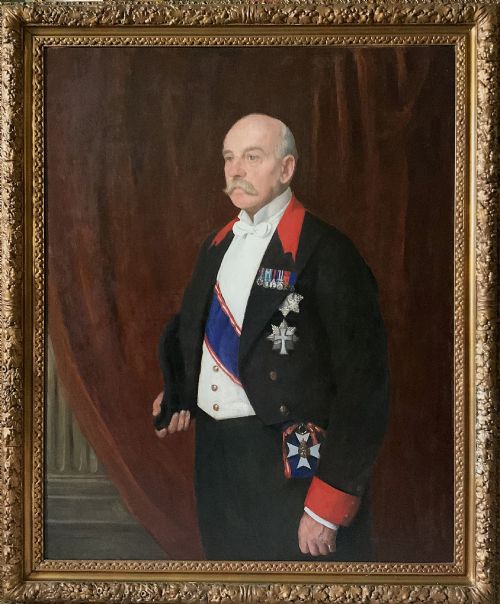
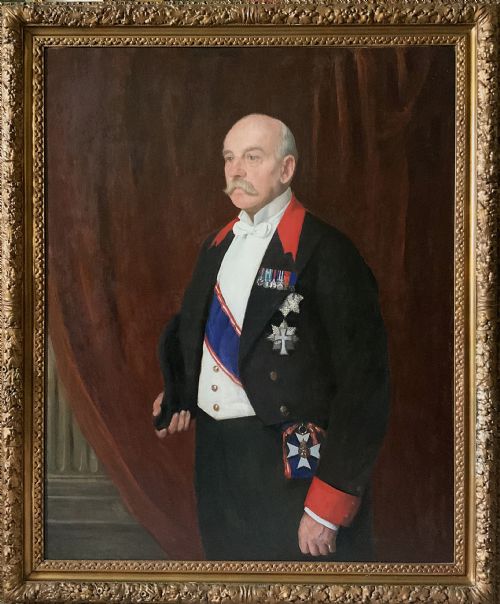
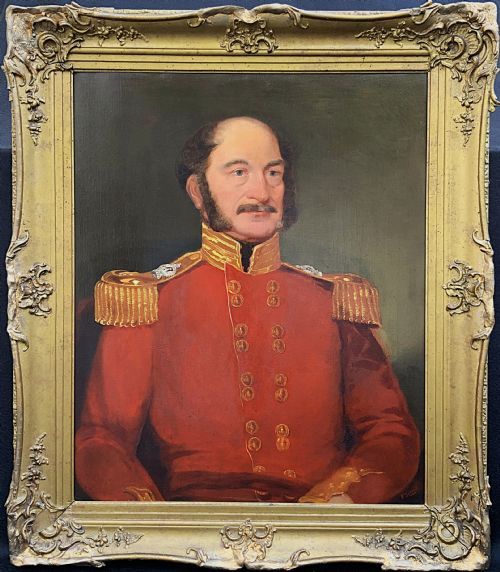
A victorian officer portrait captures military and naval service through oil on canvas, watercolour and giltwood framing.
Victorian Officer Portrait
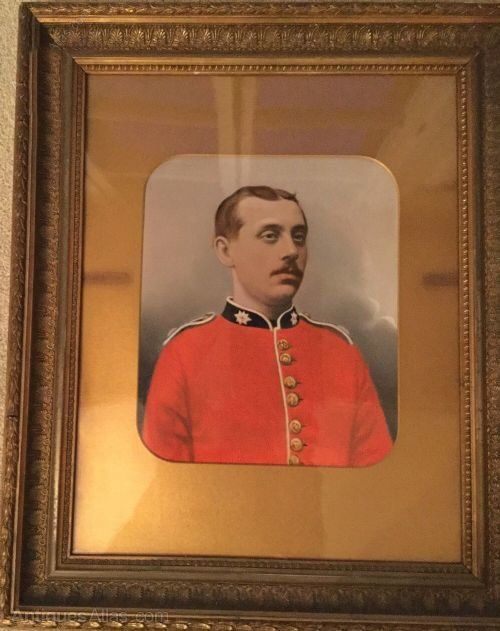
A victorian officer portrait depicts generals, colonels, lieutenants and naval gentlemen from the nineteenth century in ceremonial red tunics, naval jackets and regimental dress. These works record military service across British and colonial regiments, including the Coldstream Guards, Dragoons, and Madras Presidency Service.
The pieces appearing on this page range from monumental oil paintings to miniature portraits and watercolours on paper. Most examples date from the nineteenth century, encompassing Victorian, Regency, Edwardian, and early Victorian periods.
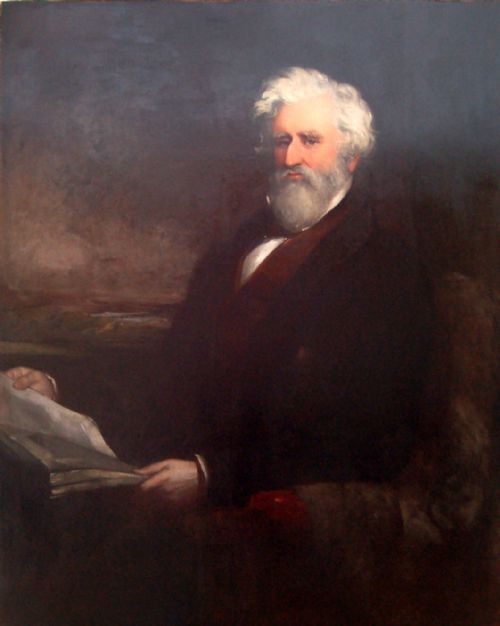
Subjects include named figures such as Major-General Sir Stanley Clarke, Lieutenant-General Sir John Harvey, and the 1st Duke of Wellington, alongside unidentified officers and gentlemen. Alongside canvas paintings, the selection includes framed artwork, wall art, sculptures and busts.
Materials and construction
Paintings in this selection rely principally on oil paint applied to canvas or wood panels, alongside watercolours executed on paper. The application of oil paint allows for deep red coats and detailed uniform insignia.
Many works are housed in original or period giltwood frames that complement the scale of the portrait. Sculptural busts utilise materials such as glass and wood to render naval and military subjects in three dimensions.
Victorian Officer Portrait Retail Price Guide 2026
Typical asking prices for victorian officer portrait among the pieces listed under this phrase on Sellingantiques today, from the lower quarter to the upper quarter. They describe what is for sale here now, not the wider market.
Several officers share canvas space with their trusty chargers, ensuring the horses look just as stern as the men.
Assessing visual quality
Quality rests upon the precision of the brushwork in rendering uniform details, medals, and facial likenesses. Monumental canvases with documented sitters and identified regiments demonstrate greater artistic ambition than anonymous works.
The preservation of the oil on canvas or paper watercolour dictates the visual impact of the piece. Intact giltwood frames matching the period of the painting also influence the overall cohesion of the artwork.
George Frederic Watts·George Frederick Clarke·John Irvine·William Edward Millner·George Duncan Beechey·William Salter·Sir Richard Westmacott
The Victorian Officer Portrait Glossary
- Oil on Canvas
- A painting medium where pigments suspended in drying oils are applied to a stretched woven fabric surface. This combination provides rich colour depth and durability.
- Giltwood
- Timber that has been coated with a thin layer of gold leaf or gilt powder. It is commonly found on traditional picture frames surrounding nineteenth century portraits.
- Watercolour
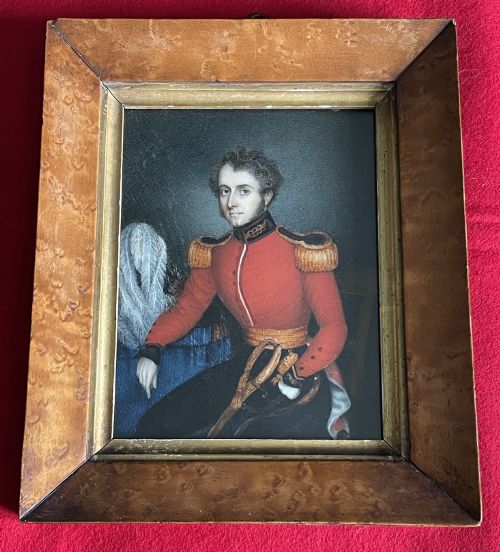
- A painting method where water-soluble pigments are applied to paper. This medium produces translucent effects suited to detailed portrait miniatures.
- Portrait Miniature
- A small-scale painting capturing a likeness with fine detail. These works were often carried or kept in private domestic spaces.
- Ceremonial Tunic
- The distinctive coloured uniform coat worn by officers for formal occasions. Red tunics frequently appear in military paintings of this era.
Victorian Officer Portrait: Frequently Asked Questions
How were these portraits used?
These portraits were commissioned by regiments, families, or institutions to commemorate military rank, service, and achievements. They hung in country houses, mess halls, and officers' quarters as statements of status and duty.
Over time, many passed down through families or entered public collections before reaching the art market.
How do I care for an oil portrait?
Keep paintings away from direct sunlight, high humidity, and rapid temperature changes that can crack oil paint or warp canvas. Dust the surface gently with a soft, dry cloth without applying pressure.
Avoid using liquid cleaners on the canvas or the giltwood frame, as moisture damages traditional materials.
How can I identify the sitter's regiment?
Study the uniform colours, collar badges, cap insignia, and ceremonial details visible in the painting. Red coats, naval jackets, and specific facings often point to particular regiments or branches of service.
Inscribed plaques on frames or biographical notes on the reverse of the canvas frequently provide the officer's name and dates.
What is the difference between an oil and a watercolour?
Oil paintings use pigments bound in drying oil on canvas or wood, allowing for heavy texture, deep tones, and large monumental formats. Watercolours use water-soluble pigments on paper, creating lighter, translucent images often presented behind glass.
Watercolours in this category frequently take the form of intimate miniatures or framed works on paper.