
Victorian Oak Pedestal
When you search for victorian oak pedestal, you encounter robust nineteenth-century furniture built for heavy daily use and substantial studies.
Victorian Oak Pedestal
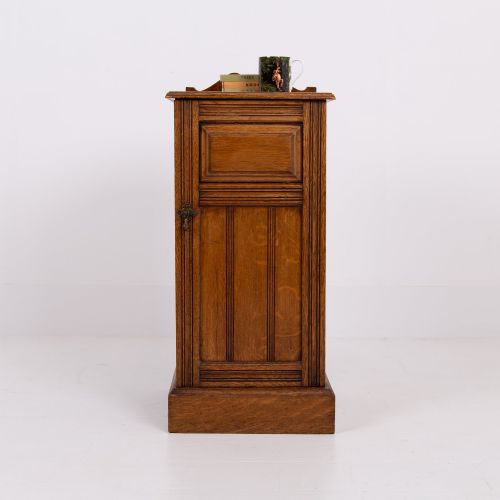
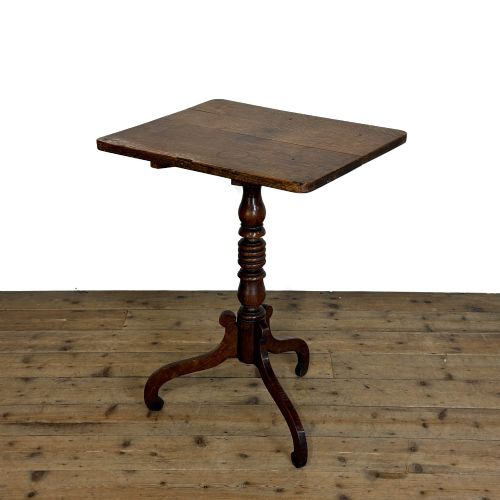
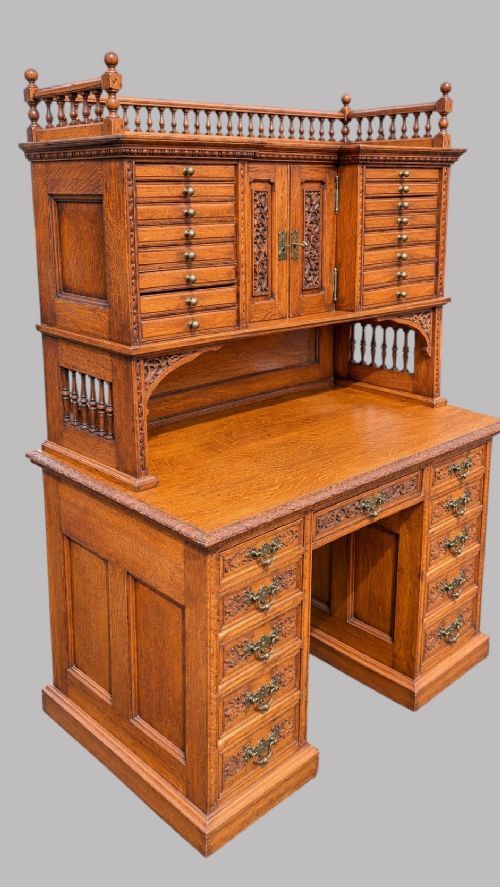
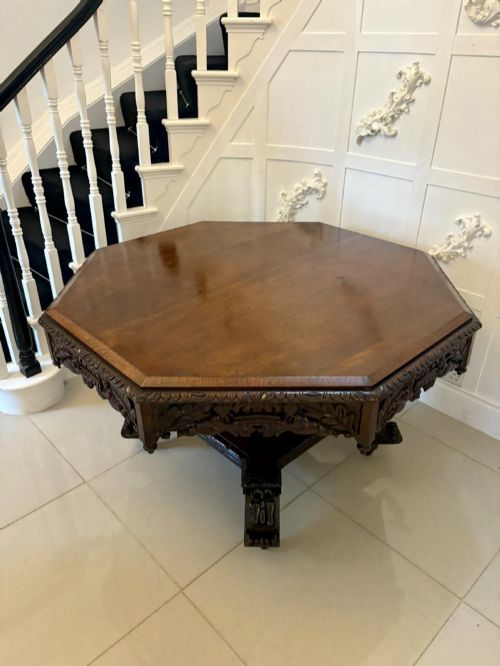
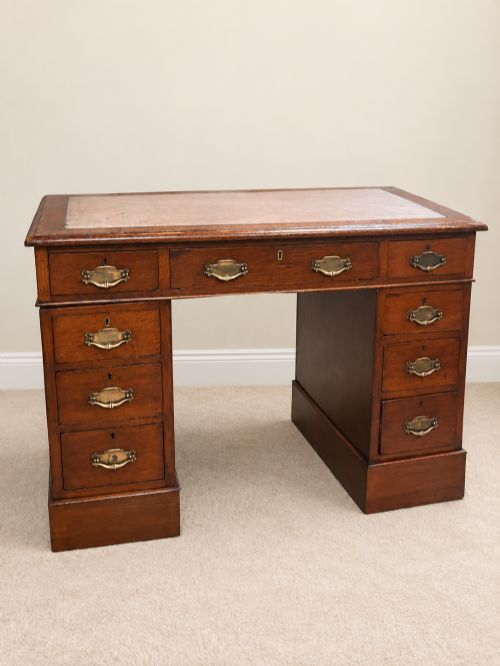
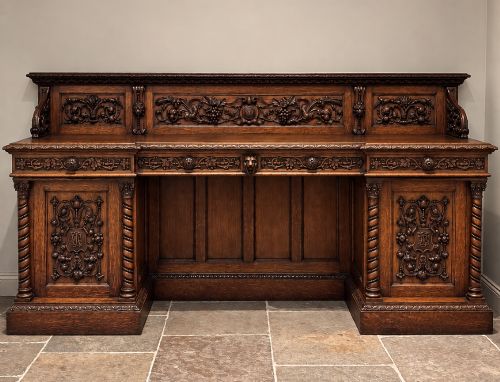
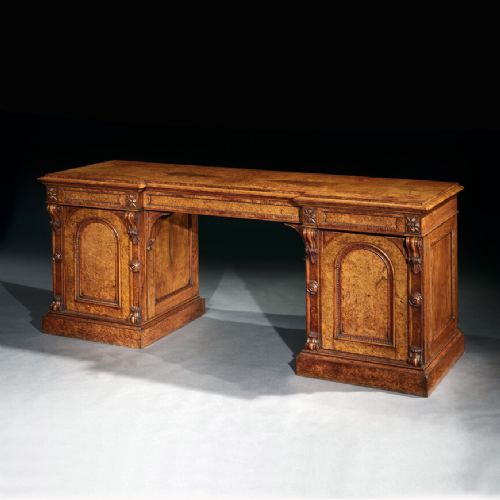
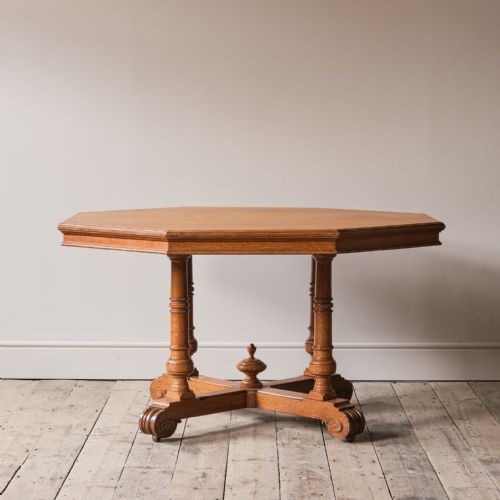
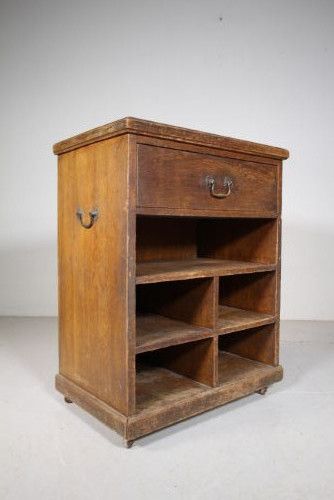
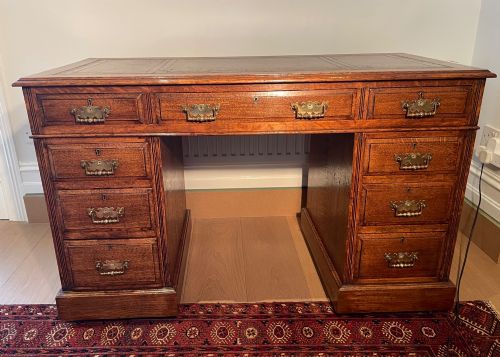
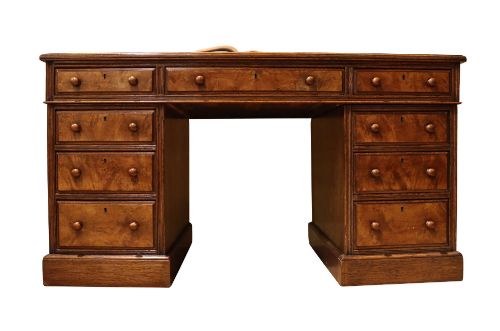
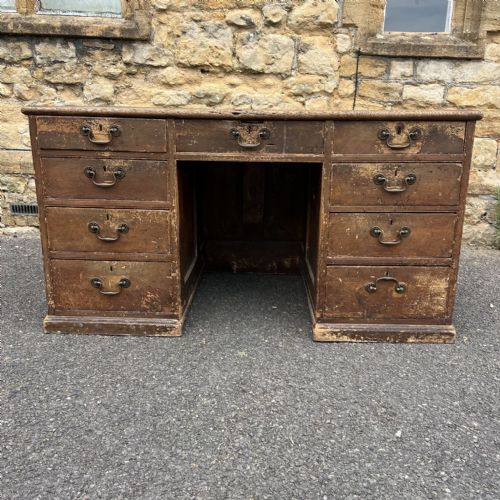
A victorian oak pedestal typically takes the form of a twin pedestal kneehole writing desk, though related variants such as bedside cabinets, sideboards, and occasional tables appear across the nineteenth century.
These pieces served as the administrative core of Victorian libraries, offices, and country houses, designed to anchor a room while providing extensive storage and writing surfaces.
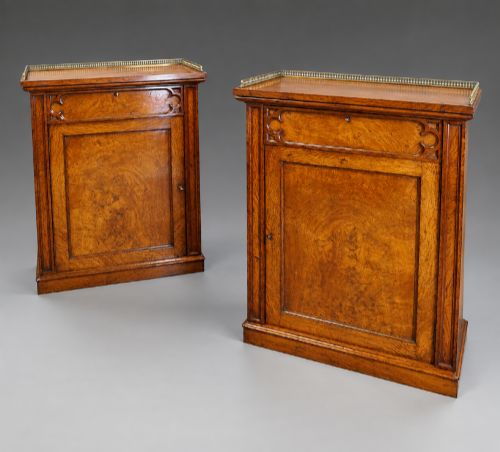
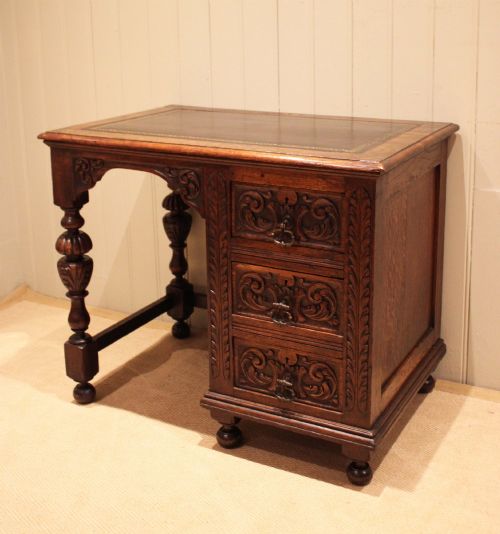
The selections span from plain, utilitarian estate desks to heavily carved Gothic Revival and Renaissance Revival library furniture carrying elaborate motifs like Green Man masks and lions' heads.
How They Were Made
Cabinet makers utilised solid oak and quarter-sawn timber to construct the structural carcases, pedestals, and drawers, frequently applying burr oak, pollard oak, or burr walnut veneers to prominent drawer fronts and tabletops for visual depth.
Writing surfaces were traditionally inset with tooled leather, hide, or gilt-embossed panels, whilst structural hardware incorporated brass handles, escutcheons, and occasionally revolving mechanisms.
Carving was executed by hand, displaying deep relief work in styles ranging from Gothic trefoils to Aesthetic Movement panels and heavy Victorian Renaissance flourishes.
Listings demonstrate a strong presence of 19th-century oak alongside alternative decorative timbers including burr walnut, ebonised wood, and brass fittings.
What Varies in Quality
The division between standard workshop production and superior output rests on the selection of timber figures, such as highly figured pollard oak or burr oak veneers, matched across the entire front elevation rather than patched with lesser planks.
Joinery execution dictates longevity, visible in the snugness of drawer dovetails, the smooth travel of heavy pedestals, and the crispness of hand-carved mouldings rather than cast resin or applied machine ornament.
Completeness of original elements, including matching brass hardware, fitted interior divisions, working locks with keys, and undisturbed period leather inserts, separates unaltered pieces from heavily restored examples.
The Victorian Oak Pedestal Glossary
- Pedestal
- A box-like support column beneath a desk or table, commonly containing a stack of graduated drawers on one or both sides of a central kneehole.
- Kneehole
- The central recessed space beneath a desk or table designed to accommodate the user's legs while seated.
- Pollard Oak
- Timber harvested from trees that were pruned close to the trunk to encourage dense, highly decorative branching patterns with mottled grain.
- Tambour
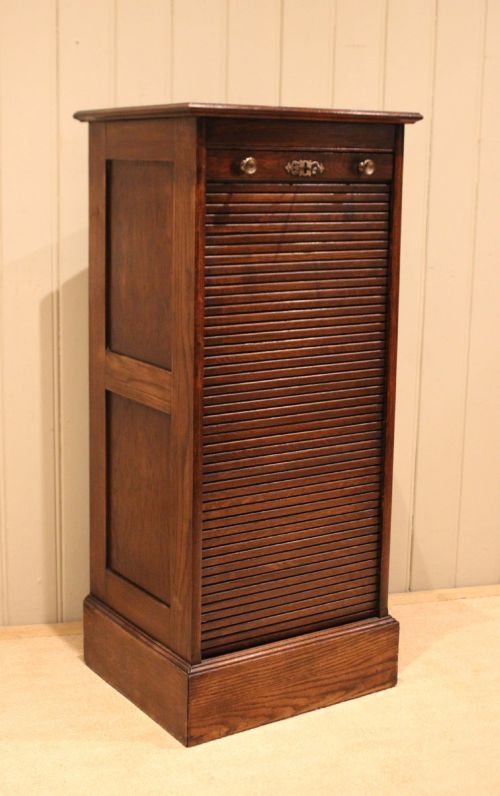
- A flexible shutter door constructed from narrow vertical strips of wood glued to a canvas backing, allowing it to slide smoothly around a curved track.
- Gothic Revival
- An architectural and decorative style drawing inspiration from medieval Gothic forms, featuring pointed arches, trefoils, and heavy carved tracery.
Victorian Oak Pedestal: Frequently Asked Questions
What is a partners desk?
A partners desk is a large double pedestal writing table designed with drawers and cupboards on both sides so that two people can sit face-to-face.
These substantial pieces typically occupied the centre of large library rooms in stately homes and commercial institutions.
How do I care for a leather desk top?
Leather writing surfaces require occasional treatment with specialist leather balms or waxes to prevent drying, cracking, and fading from sunlight.
Avoid using harsh chemical cleaners or placing hot cups directly onto the hide.
Are these desks easy to move?
Most pedestal desks are heavy, solid pieces of furniture that dismantle into three distinct sections: two pedestals and a top.
Lifting out the drawers and separating the units makes relocation through doorways significantly safer and easier.