


Victorian Oak Dresser Back
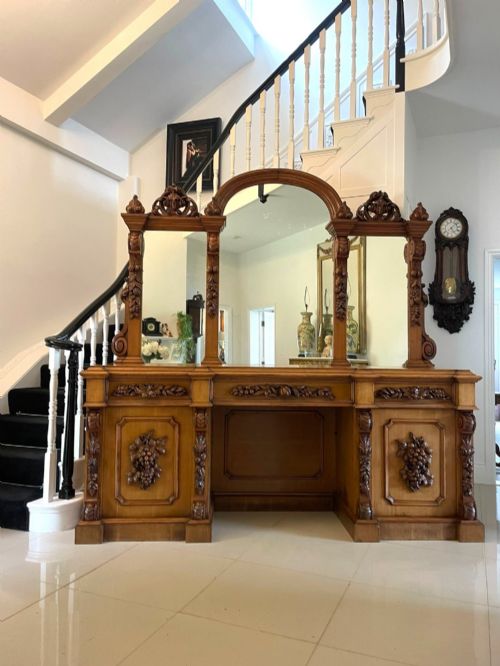
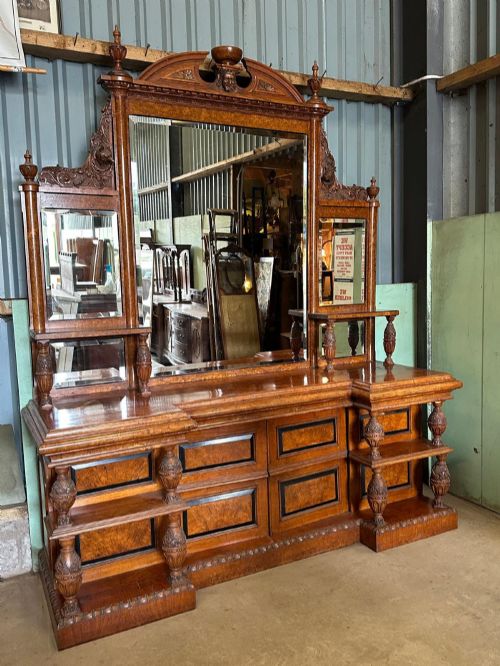
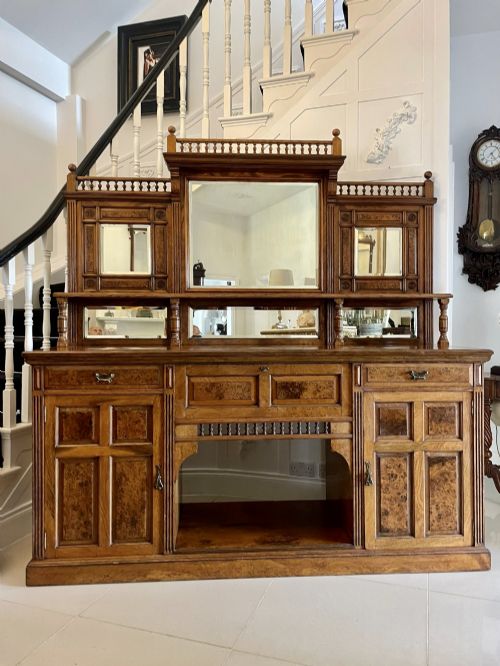
These victorian oak dresser back pieces bring sturdy timber presence and display space to a room, offering the practical storage buyers seek.
Victorian Oak Dresser Back
A victorian oak dresser back sits atop a base or acts as a wall-mounted plate rack, carrying shelves and mirrors above a sideboard or cabinet. These timber pieces emerge from the nineteenth century in various forms, from straightforward plate backs to elaborate mirror-backed sideboards.
The selections span the Victorian era alongside Edwardian pieces, featuring styles such as Arts and Crafts, Gothic Revival, Aesthetic Movement, and English Country. Oak predominates as the primary timber, occasionally appearing alongside pollard oak, pine, and mahogany.
Buyers encounter different regional interpretations and design influences, including work linked to Christopher Dresser or specific cabinet makers. The forms bridge kitchen utility and formal dining room display, adapting to modern homes as practical shelving units.
What varies in quality
The standard of carving distinguishes standard production from exceptional pieces, separating deep, crisp hand-chiselled details from simpler moulded decoration. Timber selection dictates the visual impact, where highly figured pollard oak or carefully matched grain patterns elevate the piece.
Construction methods and hardware integrity define the upper tier of manufacture, visible in the weight of the timber and the precision of the joints. Original mirror glass and integrated brass fittings contribute to the overall coherence and finish of the surviving structure.
Several pieces conceal green man carvings within their foliage, watching quietly over the plates.
T Simpson and Son·Christopher Dresser
The Victorian Oak Dresser Back Glossary
- Pollard oak
- Timber taken from trees that have been pollarded, producing a heavily figured, knobbly grain pattern prized for decorative veneers and panels. This wood provides a striking contrast to straight-grained oak.
- Mirror back
- A wooden superstructure incorporating one or more mirrors above a sideboard or dresser base. This feature reflects light and displays porcelain or silver items.
- Plate back
- An open shelving structure designed specifically to hold plates upright against a grooved wooden ledge. These sections form the upper portion of traditional dressers.
- Green man
- A sculptural architectural ornament depicting a human face disgorged from foliage or entirely made of leaves and vines. This motif recurs frequently in Gothic Revival carving.
- Breakfront
- A piece of furniture where the central section projects forward from the flanking outer sections. This architectural arrangement creates depth and shadow on large sideboards.
Victorian Oak Dresser Back: Frequently Asked Questions
What is a dresser back?
A dresser back is the upper shelving or mirror section of a sideboard or dresser that sits on the base or mounts to the wall. It provides display space for plates, ceramics, and decorative objects.
These structures range from simple open plate racks to elaborate architectural mirror-backed frames with carved decoration. They define the visual weight of nineteenth-century dining furniture.
How do I date a piece?
Dating relies on combining the stylistic clues of the period, such as Gothic Revival or Arts and Crafts details, with construction methods. Oak framing and mirror styles help narrow the decade of manufacture.
Makers' stamps, brass hardware types, and secondary timbers like pine also assist in confirming whether an item originates from the mid-nineteenth century or later.
Where should I place it?
These pieces suit dining rooms, kitchens, or large hallways where their height and display capacity can anchor the room. They require a sturdy wall if wall-mounted or sufficient floor space for a sideboard base.
Ensure the placement avoids direct heat sources that could dry out the oak timber or crack the original mirror glass.
How do I care for oak?
Maintain oak surfaces by dusting with a soft, dry cloth and applying traditional beeswax sparingly to nourish the grain. Avoid chemical sprays that strip the natural patina accumulated over the decades.
Keep the timber away from extreme humidity and direct sunlight to preserve both the carved details and any integrated mirror plates.