
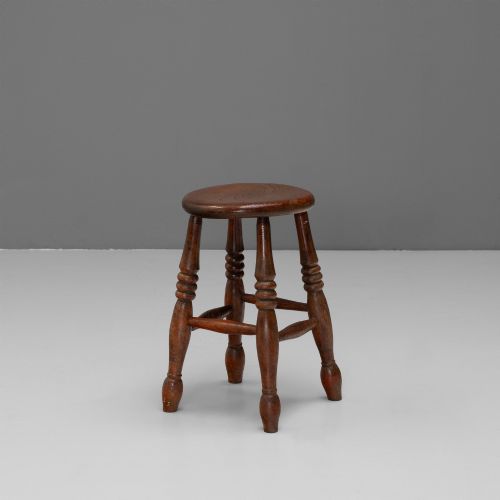
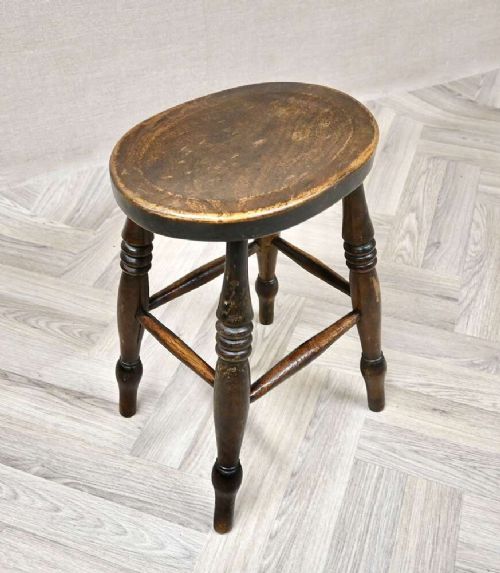
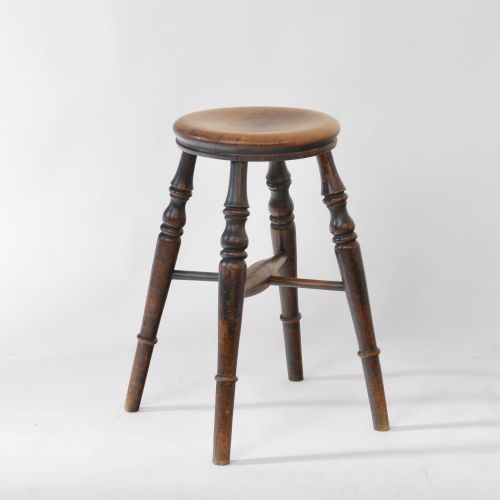
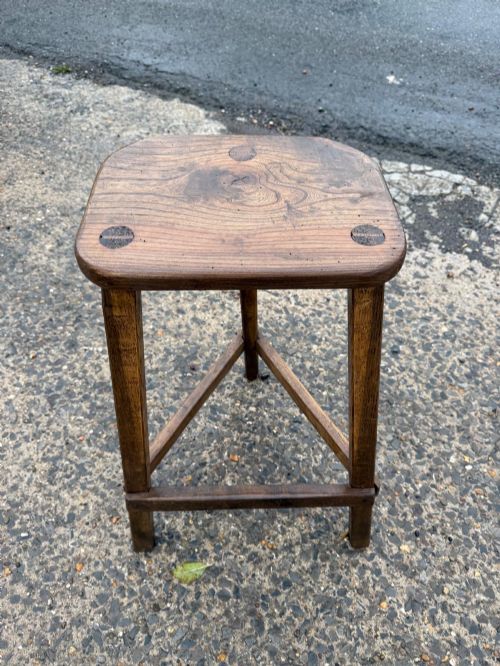

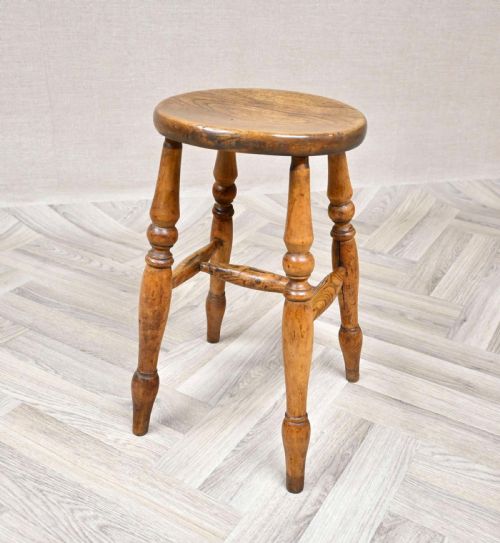


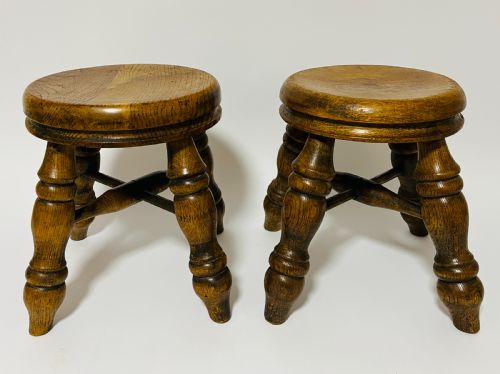


Victorian Oak Country Stool
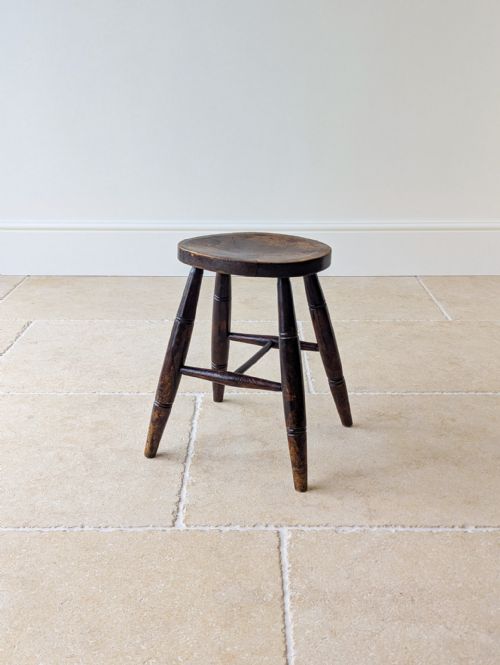
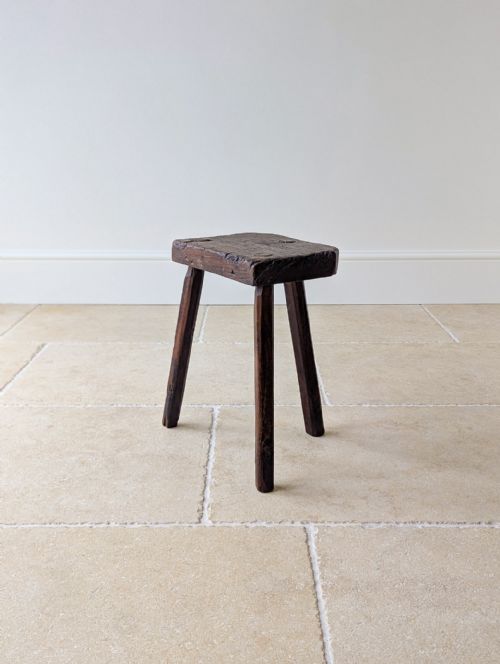
A victorian oak country stool offers sturdy utility and honest grain, providing a practical seat rooted in nineteenth-century domestic and workshop life.
Victorian Oak Country Stool
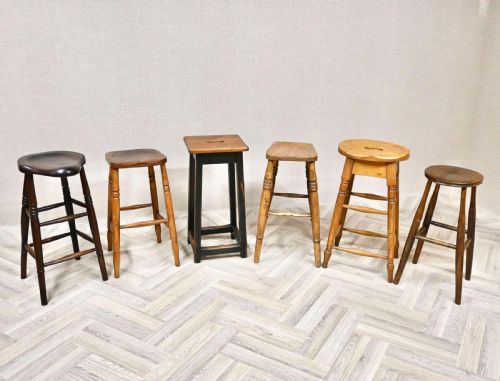
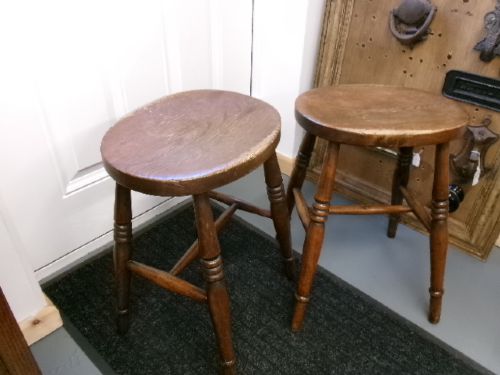
A victorian oak country stool is a utilitarian seat built for everyday work, rest, or tavern use across nineteenth-century England. You meet these pieces in various forms, ranging from low joint stools to tall bar and tavern seating.
The evidence shows numerous regional variations, including Windsor styles, pub stools, and specialist workshop seating like cutler's and jeweller's stools. These pieces reflect the robust domestic and industrial demands of the period.
Most examples date from the nineteenth century, spanning decades from the eighteen forties through to eighteen ninety. Oak predominates, frequently paired with elm, ash, and beech in traditional construction.
Assessing quality and character
Quality rests in the integrity of the timber and the depth of natural patination accumulated through decades of use. Pieces retain distinction when structural repairs remain sympathetic to the original nineteenth-century build.
The sophistication of the turning on legs and the comfort of the dished or saddled seat distinguish standard utility items from finer workshop or country house examples. Original surface finishes without modern stripping elevate the standing of any stool.
A few nineteen-century pieces retain traces of old workshop grit, reminding us that someone once worked very hard sitting down.
The Victorian Oak Country Stool Glossary
- Joint stool
- An early form of wooden stool constructed with mortise and tenon joints, pegged together for rigidity before the widespread adoption of glued joints.
- Dished top
- A seat carved into a shallow concave depression to improve comfort for the sitter during long hours of work or dining.
- Windsor
- A style of wooden chair or stool featuring turned legs and spindles socketed directly into a solid sculpted seat.
- Stretcher
- A horizontal wooden rail connecting the legs of a stool to provide structural stability and bracing.
- Patina
- The deep, lustrous surface sheen developed on old timber over generations of handling, polishing, and exposure to light.
Victorian Oak Country Stool: Frequently Asked Questions
What were country stools used for?
These stools served practical functions across domestic kitchens, rural taverns, and artisan workshops. Workers sat on them for trades like silversmithing, cutting, and milling, while households used them for everyday seating.
Their robust design allowed them to withstand heavy daily demands in spaces where durability mattered more than decoration.
How do I tell different periods apart?
Dating relies on construction methods, timber selection, and stylistic details recorded across nineteenth-century examples. Earlier pieces often feature pegged joinery and simpler joint stool forms, while later nineteenth-century items show mechanised turning and specialised workshop adaptations.
Examining the wear patterns and tool marks helps establish whether a piece belongs to the mid-century or the later Victorian decades.
Are these stools comfortable to use?
Many examples feature seats dished and carved to fit the human form, offering surprising ergonomic support. Tall bar versions and low foot stools serve different functional heights around the home.
Adding a soft pad or leather top, as seen in some period variants, enhances sitting comfort for daily use.
How do I care for antique oak?
Protect the timber by keeping pieces away from direct heat sources and sudden humidity changes that cause wood to split. Regular dusting and occasional application of natural beeswax maintain the finish without building up heavy residues.
Avoid commercial silicone polishes, which dull the historic patina of nineteenth-century surfaces.