

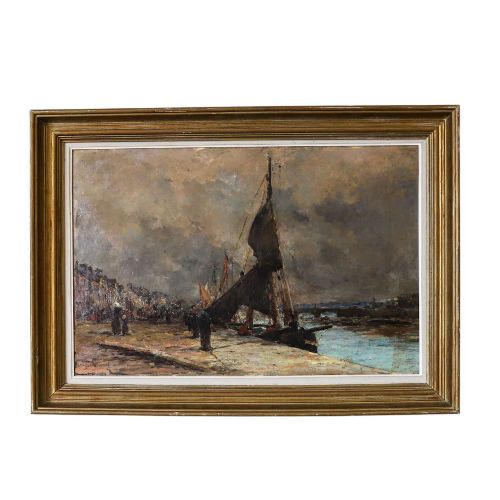
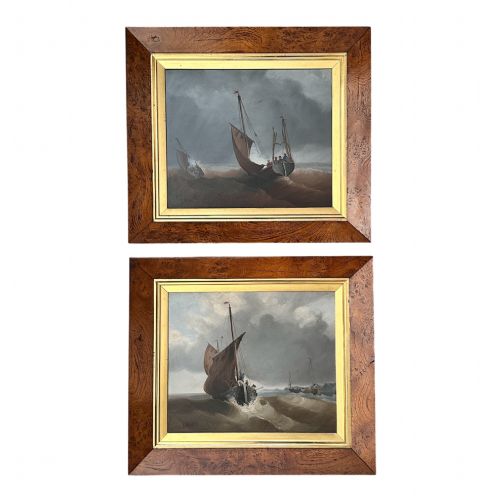
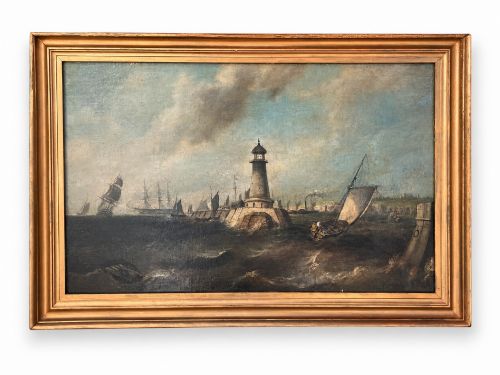
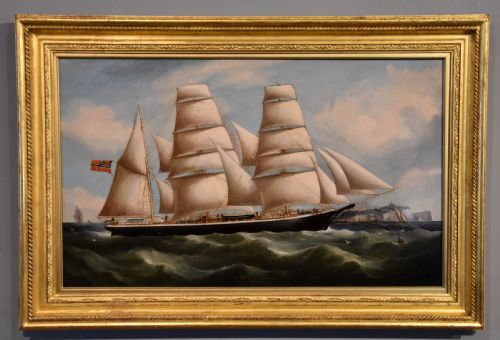
Victorian Nautical Oil Painting
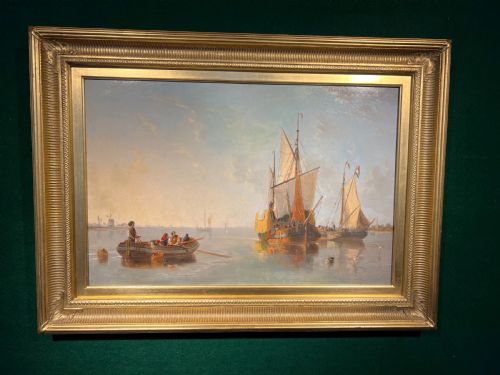
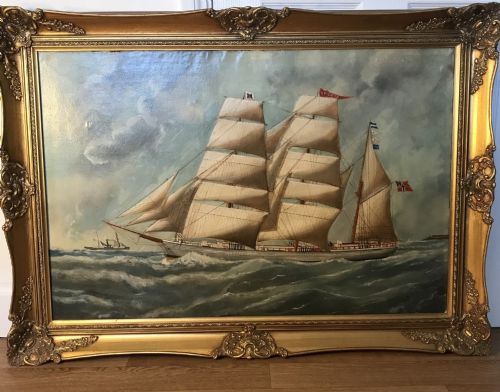
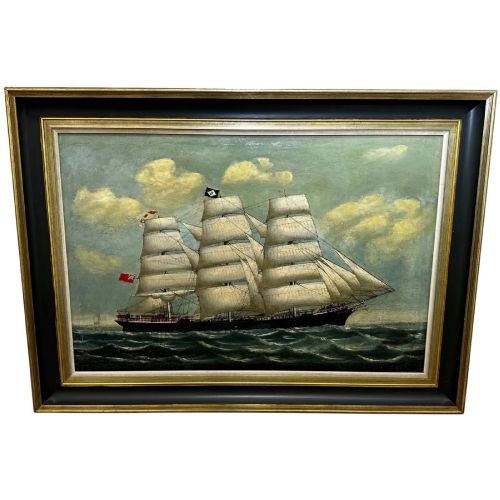
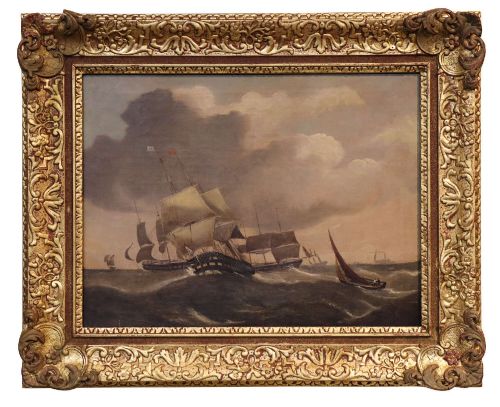
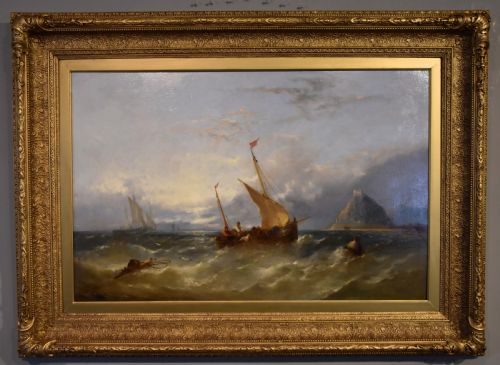
A victorian nautical oil painting brings the movement of heavy seas and tall ships directly onto the wall.
Victorian Nautical Oil Painting
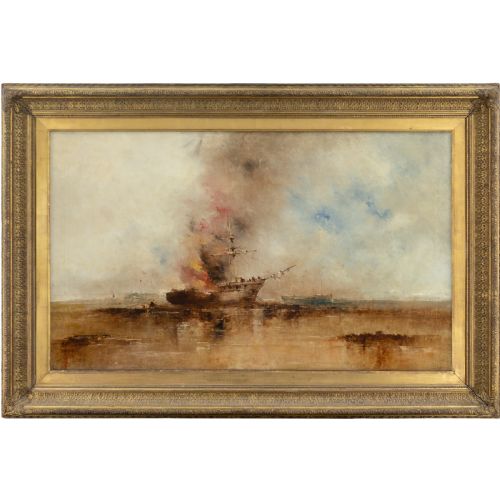
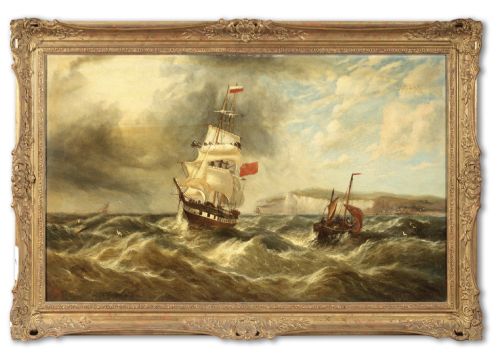
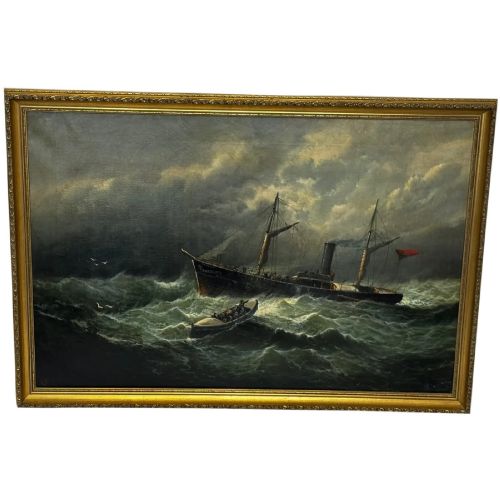
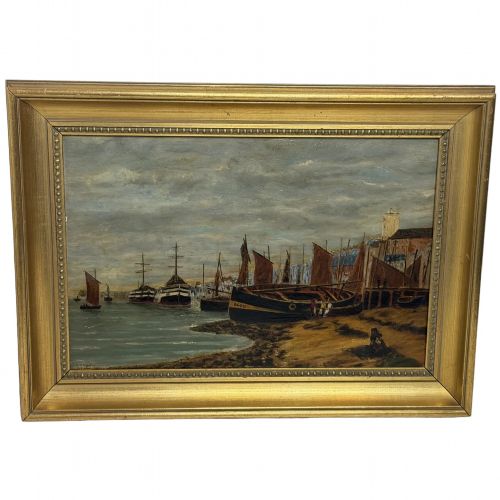
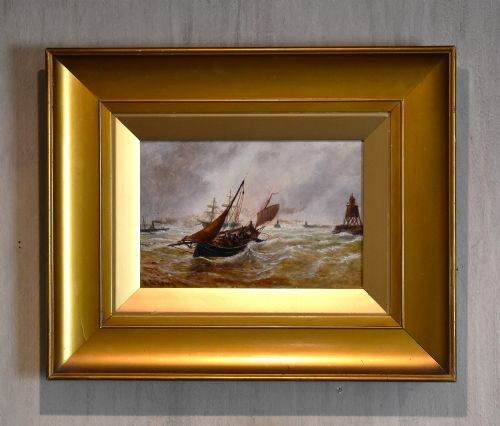
A victorian nautical oil painting depicts maritime scenes ranging from merchant vessels and naval shipping to dramatic coastal views and shipwrecks. The selection leans heavily toward nineteenth-century works on canvas or board, often framed in gilt wood.
Makers and regional schools across Britain produced these pieces to capture the scale of working vessels and coastal landmarks. Collectors encounter everything from calm harbour entrances to stormy seas with fishing boats.
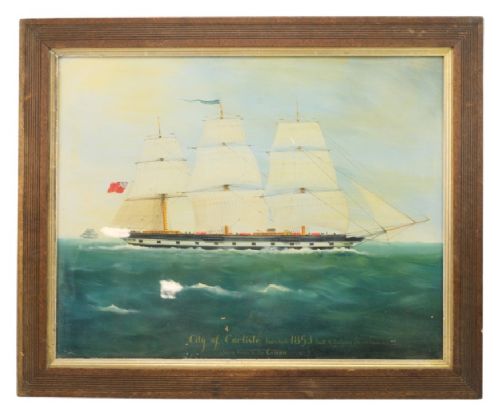
Most examples date from the mid-nineteenth century to the early twentieth century. Works frequently record specific vessels, named ships, and identifiable coastal locations such as Portsmouth or North Shields.
Materials and technique
Artists painted primarily with oil paint on canvas or wooden board, employing brushwork to render the texture of water, sky, and rigging. Canvas supports were stretched over wooden frames and often housed in heavy gilt wood or gold leaf frames.
Pigments captured shifting light on coastal waters, while layered glazes created depth in stormy seas. Many of these paintings remain in their original gilt frames, which display period gilding techniques.
Listings span the nineteenth and early twentieth centuries, featuring works on canvas, board, and card housed in gilt wood frames.
Evaluating the range
Quality rests on the artist's command of maritime rigging, hull perspective, and atmospheric conditions in the sky and water. Stronger works convey the weight of a ship in heavy seas rather than relying on formulaic waves.
The handling of light and the preservation of the original oil paint surface distinguish standard decorative pieces from fine art paintings by listed marine artists. Frame condition and original gilding also influence the overall integrity of the piece.
William McAlpine·John Rose Miles·William Broome·John Wilson Carmichael·Lai Fong·Nicholas Condy·Richard B Spencer·William Henry Williamson·Bernard Benedict Hemy·Abraham Hulk I·Gustave De Bréanski·Daniel Sherrin·William Greaves·Charles Sim Mottram·George Gregory·John Douglas Perrett·Claude Thomas Stanfield Moore·George Henry Knight·Marie-Edouard Adam·John Callow·E Tucker
The Victorian Nautical Oil Painting Glossary
- Oil on Canvas
- A traditional painting medium where oil paint is applied to a woven canvas stretched across a wooden frame. This combination allows for rich blending of colour and long-term durability.
- Gilt Wood
- Wood carved and coated with a thin layer of gold leaf or metallic paint. It frames many nineteenth-century marine paintings and reflects period framing styles.
- Barque
- A sailing vessel with three or more masts having the fore- and main-masts square-rigged and the mizzen-mast fore-and-aft rigged. These commercial ships frequently appear in Victorian marine art.
- Seascape
- A work of art depicting the sea, coastal views, or marine shipping. These scenes form the core category of nineteenth-century nautical paintings.
Victorian Nautical Oil Painting: Frequently Asked Questions
How do I identify a ship in a painting?
Artists often recorded the name of the vessel directly on the canvas, within the title, or on a plaque attached to the frame. Examining the rig, hull form, and flag details can also help identify the vessel type and nationality.
Shipping records and port registries from the nineteenth century frequently corroborate the names of merchant vessels and barques depicted in these maritime scenes.
What subjects are most common?
The works predominantly feature British merchant ships, fishing boats off the coast, harbour entrances, and dramatic shipwrecks. Coastal landmarks and royal yachts also appear across the selection.
Artists favoured locations with active maritime trade, such as northern ports and river Tyne harbours, providing an accurate record of nineteenth-century seafaring life.
How should I care for an oil painting?
Keep the painting away from direct sunlight and steady moisture levels to protect the oil paint and canvas. Dust the surface and the gilt frame gently with a dry, soft brush.
Avoid using liquid cleaners on the canvas or the gold leaf frame, as moisture can damage the historical materials and nineteenth-century gilding.
Are original frames important?
Original gilt wood frames provide historical context and complement the aesthetic of nineteenth-century marine art. Many collectors value pieces that retain their period frames.
Frames show age through minor gilt loss and minor wear, which generally confirms their period origin rather than diminishing the piece.