



Victorian Music Chair
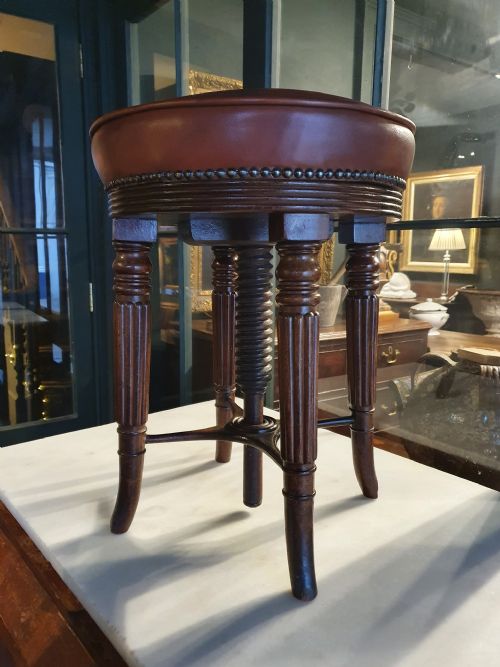
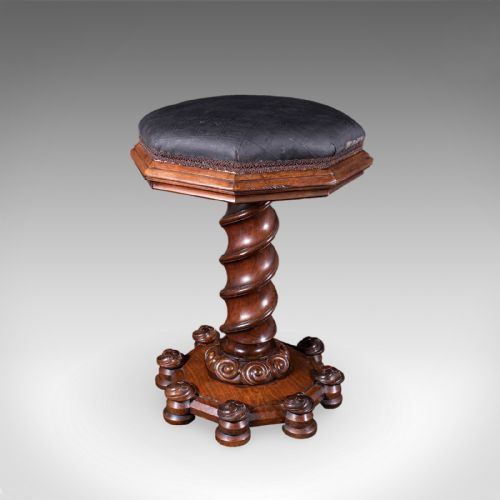
A victorian music chair is a practical and adjustable seat designed for musicians, and buyers want one for its clever revolving mechanism and fine timber construction.
Victorian Music Chair
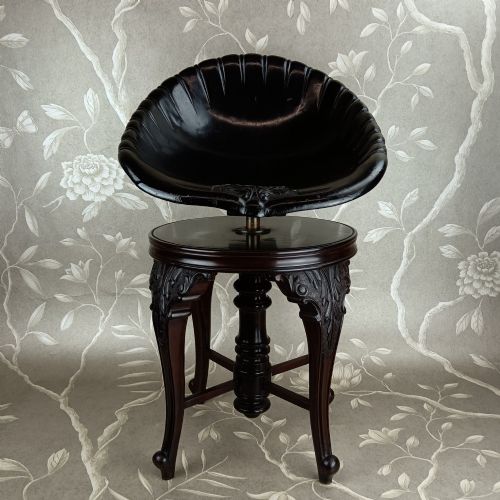
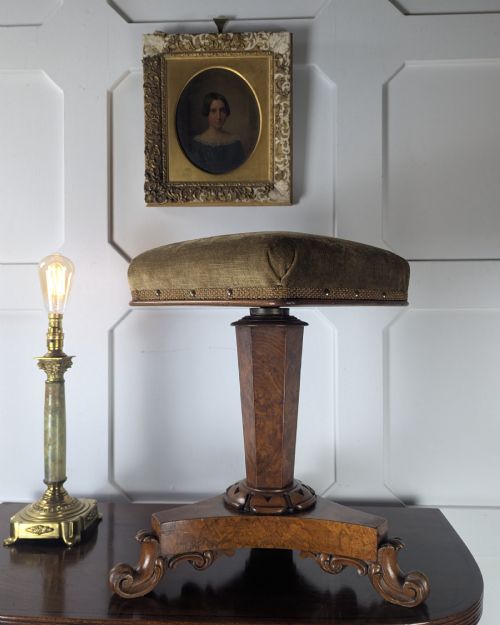
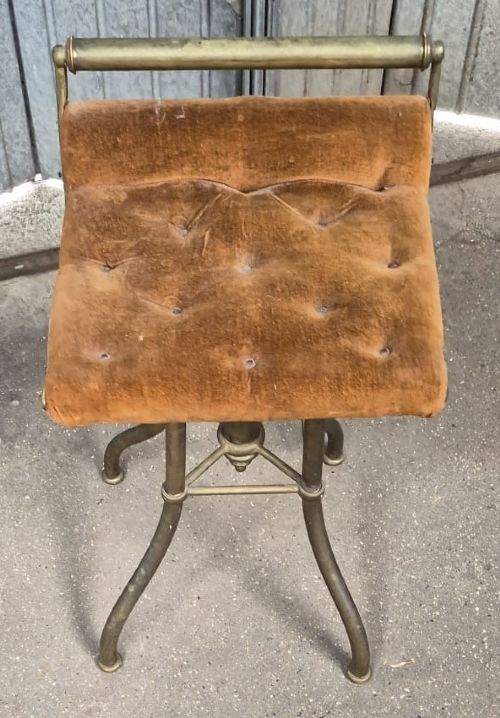
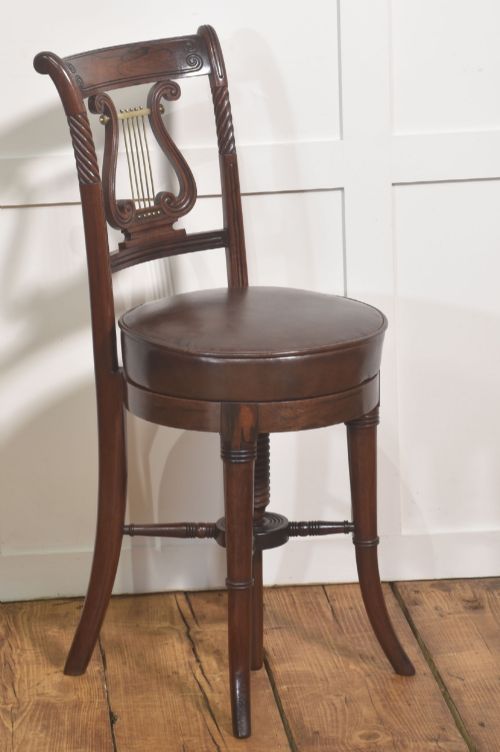
A victorian music chair covers a variety of specialised seating, most commonly revolving piano stools, adjustable dressing table chairs, and specific harpist seats. These pieces originate primarily from the nineteenth century, spanning periods from the Regency era through to the late Victorian years.
Materials and Technique
Timbers such as mahogany, walnut, and rosewood form the primary structural body of these seats, often shaped with carved details or marquetry inlay. Some pieces utilise papier-mâché, brass frames, or ebonised wood to achieve distinct decorative styles.
Makers integrated mechanical adjustments, including screw-action rise and fall mechanisms, swivel bases, and revolving tops, allowing musicians to alter their seating height. Upholstered seats finished in velvet, leather, or woven fabric provide the necessary comfort for extended practice sessions.
The documented periods span the nineteenth century, encompassing Regency, William IV, Victorian, and Arts and Crafts styles.
Assessing Quality
The standard of timber selection and depth of carving largely separate ordinary workshop pieces from finer examples. Heavier, richly figured woods like rosewood and burr walnut indicate a higher grade of production.
The precision and smoothness of the mechanical adjustment mechanism dictate the functional superiority of the seat. Robust metal screws and well-engineered swivel joints that operate without wobble represent the upper tier of maker craftsmanship.
Jennens & Bettridge·Gillows·James Shoolbred·Holland & Son
The Victorian Music Chair Glossary
- Revolving piano stool
- A seat featuring a mechanism that allows the top to spin around, often combined with a screw thread to alter height. This design enabled keyboard players to adjust their position quickly.
- Rise and fall
- A mechanical system operated by turning the seat top to raise or lower the sitting height. It relies on a threaded central wooden or metal screw.
- Harpist chair
- A specialised chair constructed without arms or with a lowered side profile to accommodate the large frame of a harp. These seats often feature brass or wood framing.
- Marquetry
- The art of applying decorative pieces of veneer to a structure to form intricate patterns. Swiss and Victorian examples frequently use this technique on the seat or backrest.
- Ebonised
- Wood treated with a finish to imitate ebony. This dark, polished surface appears on several nineteenth-century variants.
Victorian Music Chair: Frequently Asked Questions
How do I adjust the seat height?
Most of these chairs utilise a central screw mechanism hidden beneath the upholstery. By rotating the seat clockwise or anticlockwise, the top rises or descends along a threaded wooden or metal shaft.
Older examples rely entirely on this manual spin action rather than modern pneumatic levers. Ensure you support the weight of the seat top lightly while turning to protect the internal thread.
Why do some chairs lack arms?
Chairs designed for harpists and piano players omitted armrests to allow unrestricted movement of the arms and torso during performance. Instruments like the harp require total clearance at the sides for the player's hands and the instrument frame.
These armless forms are often catalogued as music stools or harpist chairs. They double easily today as compact dressing table seating.
How do I tell a piano stool from a standard chair?
The defining characteristic of a music stool is the functional mechanism built into the undercarriage for height adjustment or rotation. Standard chairs feature fixed frames with rigid seat bases.
Look underneath the seat cushion or inspect the pedestal base for screw threads, swivel joints, or lever controls. Even non-revolving variants usually display structural adaptations for musical performance.
Where should I place a music chair at home?
These compact seats suit dressing tables, small writing desks, or corners where floor space is limited. Their adjustable height makes them versatile companions for occasional seating needs.
Keep them away from direct heat sources and strong sunlight to protect the polished wood veneers and antique upholstery fabrics from drying out.