
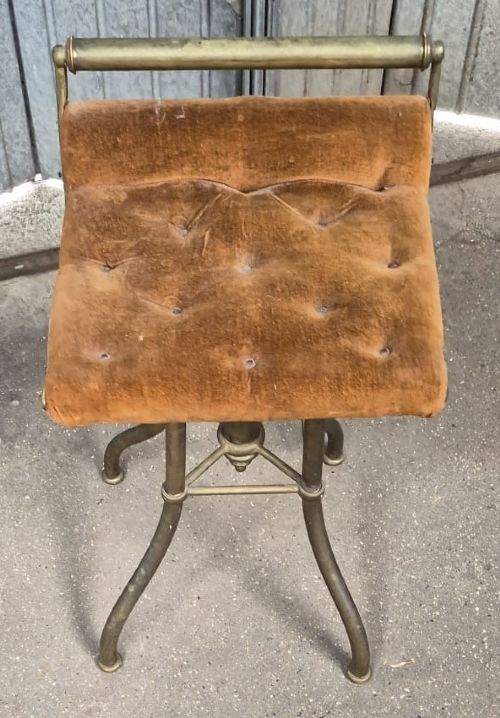

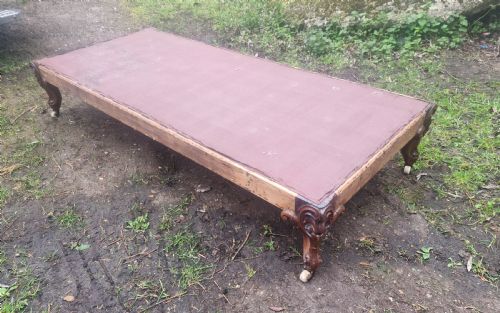


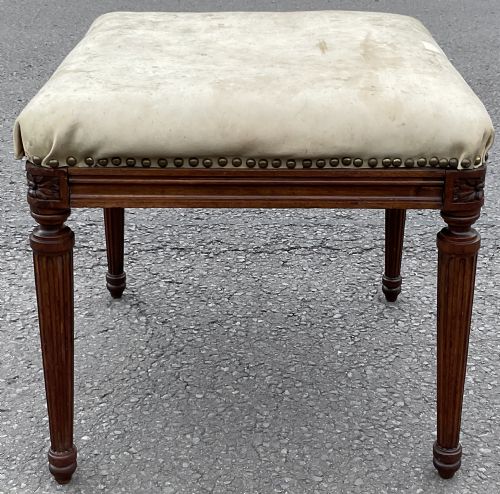


Brass Framed Stool
A brass framed stool brings solid timber and gleaming metal together, offering a practical seat that doubles as an accent piece in any traditional room.
Brass Framed Stool
These pieces serve versatile roles around the home, functioning as low seats beside firesides, piano stools, or end-of-bed benches. The selection leans heavily towards nineteenth-century craftsmanship, alongside occasional Georgian and early twentieth-century variations.
How they were made
Carpenters shaped dense timbers such as mahogany, rosewood, oak, and hardwood to build the foundational frames, often incorporating details like fluted legs and X-frame supports. Brass components provided structural reinforcement and decorative accents, while turned wooden elements demonstrated traditional joinery skills.
Upholstery completed the construction, utilising leather, velvet, tan leather, and patterned fabric secured over padding. Makers adapted these materials across various styles, from English Country simplicity to formal Regency and Victorian designs.
Dedicated harpists required specialised seating, ensuring nineteenth-century musicians could perform without sliding off velvet cushions.
What varies in quality
The standard of timber selection and carving depth marks the difference between standard examples and superior workshop output. Finely figured rosewood and mahogany, combined with crisp turning on legs and substantial brass hardware, elevate a piece well above domestic utility.
Proportion and structural integrity dictate the overall desirability, particularly in larger benches and music stools where the frame must support dynamic weight. Original upholstery materials and well-preserved brass elements retain the intended character far better than later replacements.
The Brass Framed Stool Glossary
- X-frame
- A structural support design formed by two diagonal members crossing in the centre, creating an intersecting support beneath the seat. This form offers both stability and visual elegance.
- Centre stool
- A freestanding seat designed to be viewed from all sides, frequently placed in the middle of a room rather than against a wall. These pieces often feature elaborate carving on all frame edges.
- Fluted leg
- A column or furniture leg decorated with parallel shallow grooves running vertically along the shaft. This classical decorative technique appears frequently on Regency and Victorian seating.
- Rosewood
- A dense, heavily figured dark timber valued for its rich grain patterns and smooth finish. It was frequently utilised in high-status nineteenth-century furniture frames.
Brass Framed Stool: Frequently Asked Questions
How do I identify a Victorian stool?
Victorian examples often display heavy mahogany or rosewood frames with deep carving and button-tufted or patterned upholstery. Look for dense timbers and robust joinery typical of nineteenth-century workshops.
Compare the turned legs and overall proportions with known pieces from the era to confirm the period style.
Were brass framed stools used for music rooms?
Many period stools served specific domestic functions, including revolving music seats and harpists' seats designed for comfortable practice. Their adjustable heights and sturdy frames accommodated musicians.
These functional seating pieces combined utility with decorative metalwork to complement parlour instruments.
What is the difference between an ottoman and a footstool?
Ottomans typically offer larger, fully upholstered surfaces designed for seating or resting feet, whereas traditional footstools are more compact. Both forms appear across Georgian, Victorian, and Edwardian periods.
Scale and frame visibility generally separate the two types in historical furniture collections.
How do I care for antique leather upholstery?
Maintain antique leather by keeping it away from direct sunlight and heat sources that cause drying and cracking. Gentle dusting and occasional professional conditioning preserve the supple surface.
Avoid harsh modern cleaning chemicals to protect the original finish and colour.