


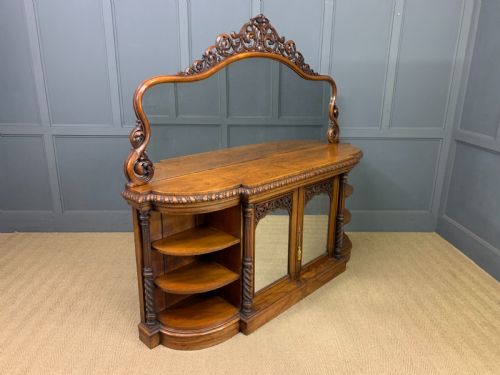

Victorian Mirrored Chiffonier
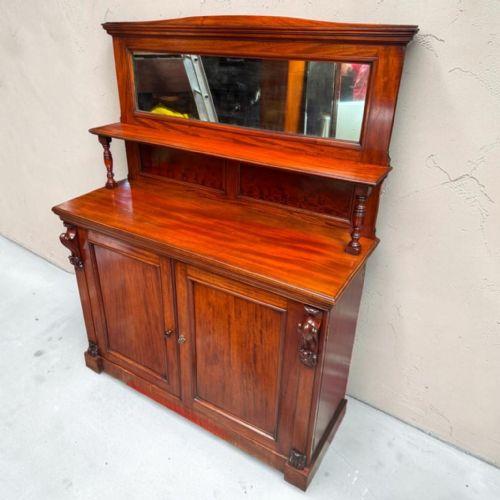
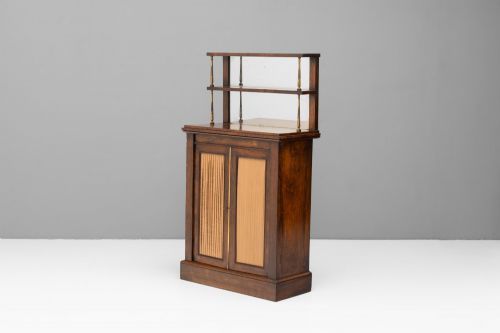
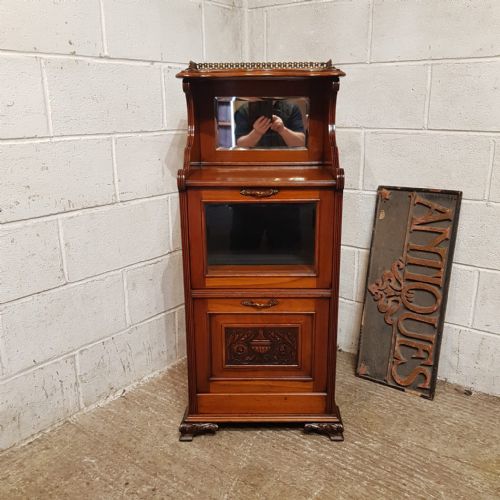
A victorian mirrored chiffonier combines useful low cupboards with a reflective glass back, offering a practical centrepiece for a nineteenth-century dining room.
Victorian Mirrored Chiffonier
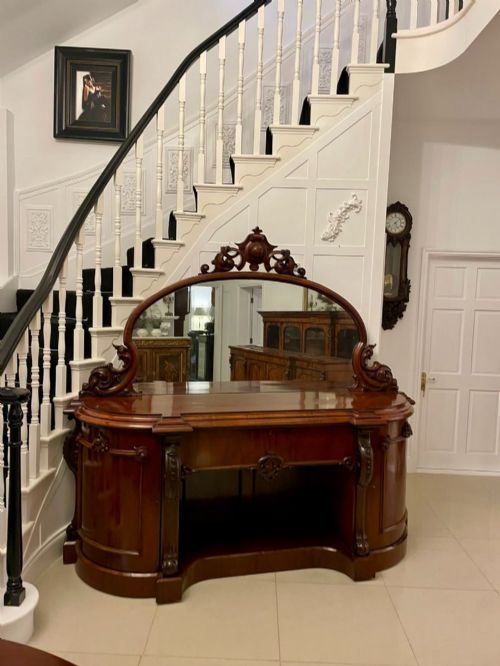
A victorian mirrored chiffonier sits firmly within nineteenth-century cabinet-making, evolving from earlier sideboards to incorporate display mirrors and enclosed shelving.
Most examples found here date between eighteen fifty and eighteen ninety, spanning early, mid, and late Victorian periods alongside Aesthetic Movement interpretations.
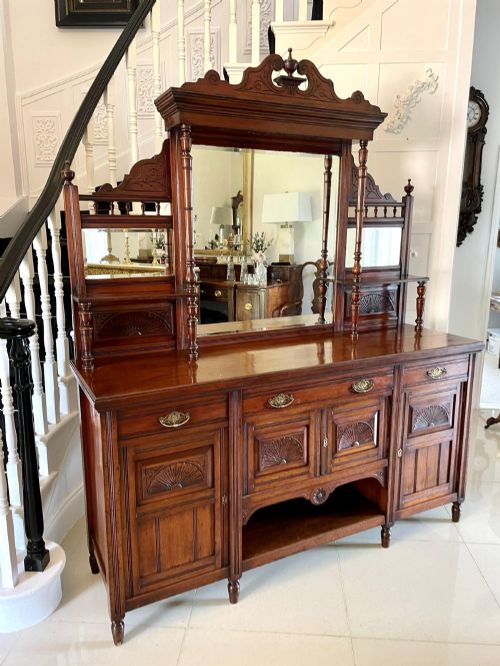
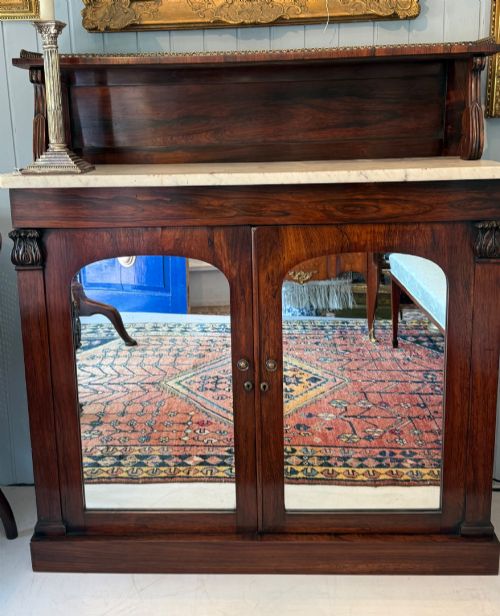
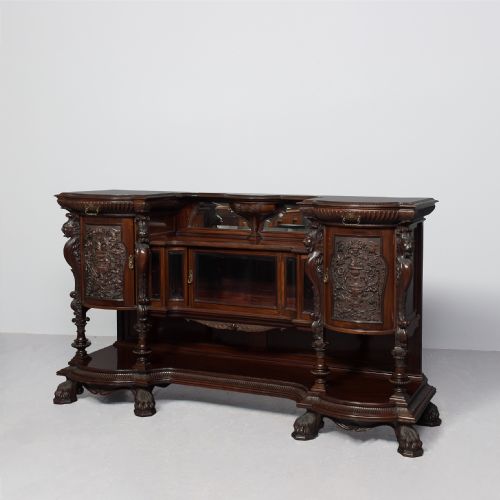
Makers utilised various forms such as credenzas, side cabinets, and mirror-back sideboards, providing both surface display and concealed storage.
Materials and Construction
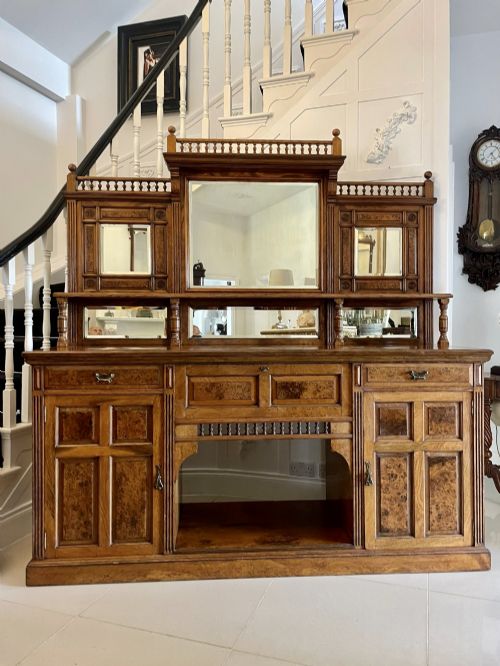
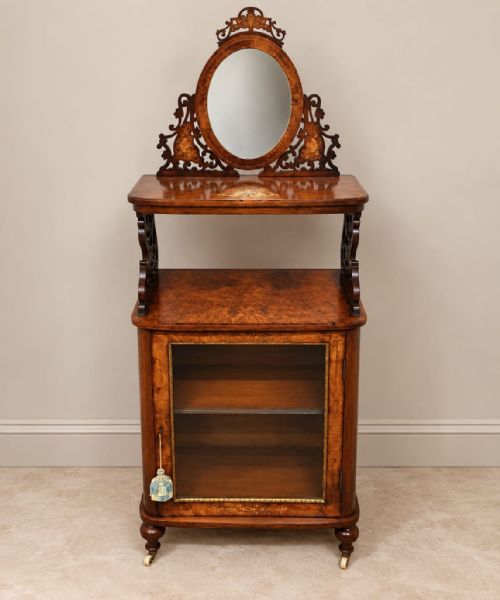
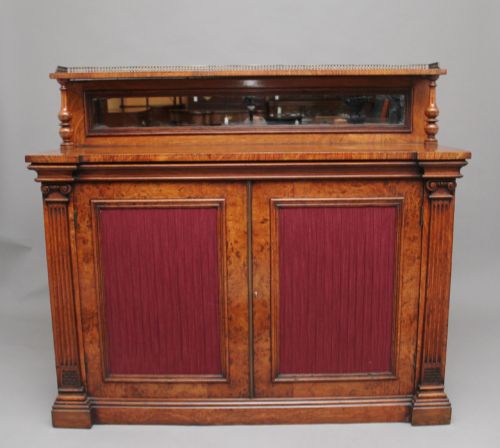
Carpenters constructed these pieces using dense hardwoods like mahogany, rosewood, and walnut, often applying burr veneers to create striking grain patterns.
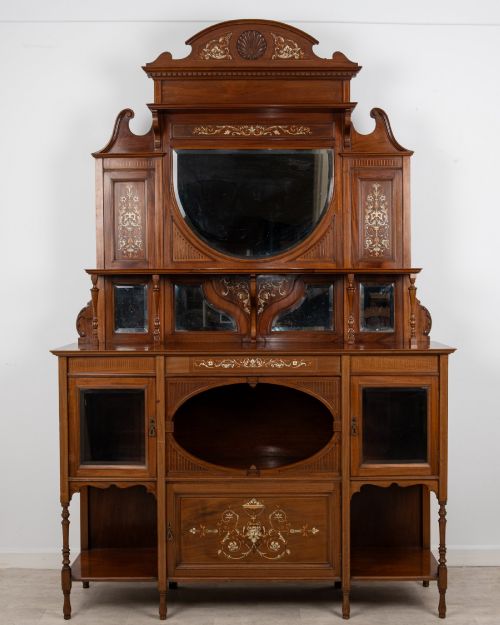
Mirrored glass panels were inset into carved or inlaid wooden frames above the main cabinet surface, reflecting light into nineteenth-century parlours.
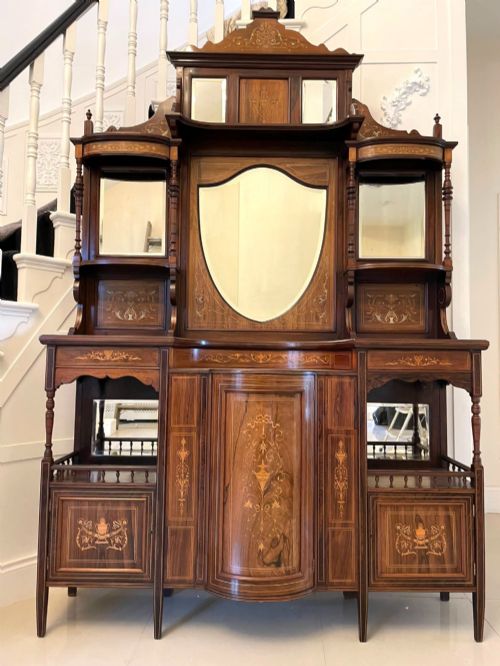
Marquetry inlay, brass mounts, and gilt highlights frequently ornamented the timber surfaces, demonstrating the detailed joinery of the era.
Many Victorian mirrors contain tiny foxed spots where the silver backing has aged, whispering tales of countless dinner parties long past.
Assessing Quality
The choice of timber underpins the standing of a piece, with figured burr walnut and rosewood commanding more attention than plain secondary woods.
Carving depth and the precision of inlaid marquetry separate standard production pieces from exhibition-grade work made by notable cabinet-makers.
Garnett & Sons·Holland & Sons
The Victorian Mirrored Chiffonier Glossary
- Chiffonier
- A low sideboard or cabinet, typically fitted with cupboards below and shelves or a mirror above. It served as a serving surface and display area in Victorian dining rooms.
- Burr Walnut
- A wood grain obtained from walnut tree growths, producing swirling patterns highly prized for cabinet veneers. It creates a decorative, mottled surface on nineteenth-century furniture.
- Marquetry
- The art of applying small pieces of veneer to a structure to form decorative patterns or pictures. Craftsmen used various coloured woods to achieve intricate floral or geometric designs.
- Aesthetic Movement
- A late nineteenth-century design style emphasising art for art's sake, often featuring ebonised timber, gilt highlights, and simplified oriental-inspired lines.
Victorian Mirrored Chiffonier: Frequently Asked Questions
What is a victorian mirrored chiffonier used for?
These cabinets served primarily in dining rooms and parlours for storing cutlery, linen, and glassware. The top surface held serving dishes or decorative ornaments.
The mirror above reflected candlelight and the room's interior, making smaller nineteenth-century spaces appear brighter and larger.
How do I date a mirrored chiffonier?
Dating relies on stylistic shifts and timber choices seen across the nineteenth century. Early Victorian pieces often utilise solid rosewood or mahogany with restrained carving.
Later Victorian and Aesthetic Movement examples from the eighteen eighties introduce ebonised finishes, extensive marquetry, and complex mirror frames.
Are these cabinets difficult to maintain?
Normal household care keeps these timber and glass pieces in good condition. Regular dusting and occasional wax polishing preserve the polished mahogany or walnut surfaces.
Direct sunlight and sudden temperature changes should be avoided to prevent the veneer from lifting over time.
What timber was used most often?
Mahogany and rosewood dominate the earlier nineteenth-century examples, offering a dark and uniform appearance. Burr walnut gained popularity by the mid-Victorian period for its decorative grain.
Ebonised wood and pollard oak also appear, particularly on pieces associated with the Aesthetic Movement towards the end of the century.