





Victorian Miniature Table
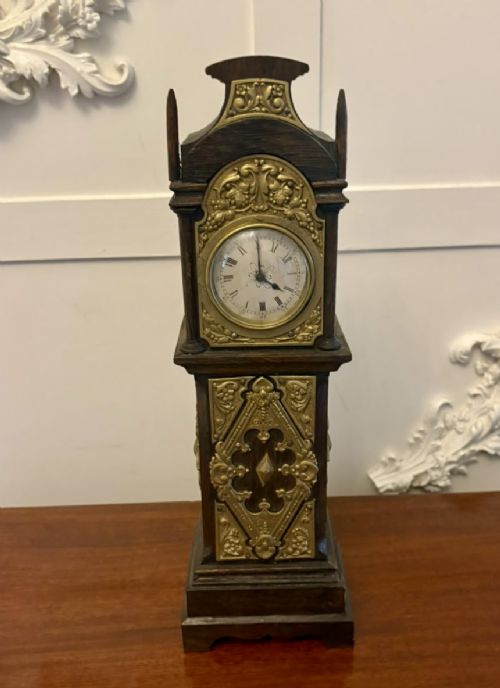
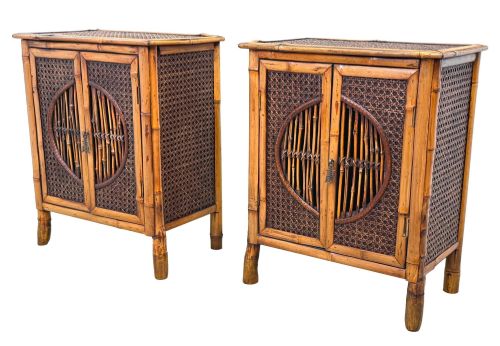
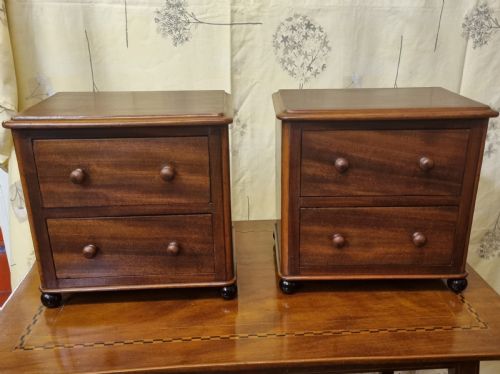
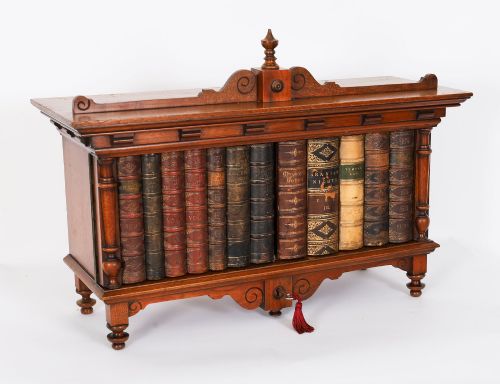
A victorian miniature table brings the intricate craftsmanship of full-size furniture down to a charming desk or mantel scale.
Victorian Miniature Table
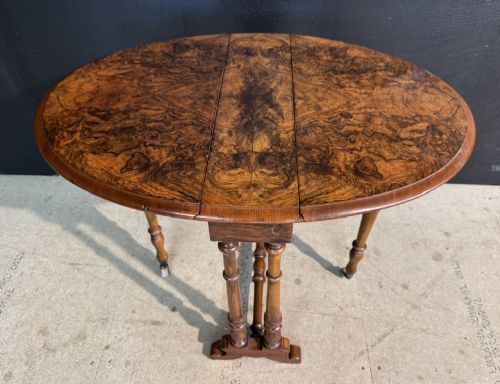
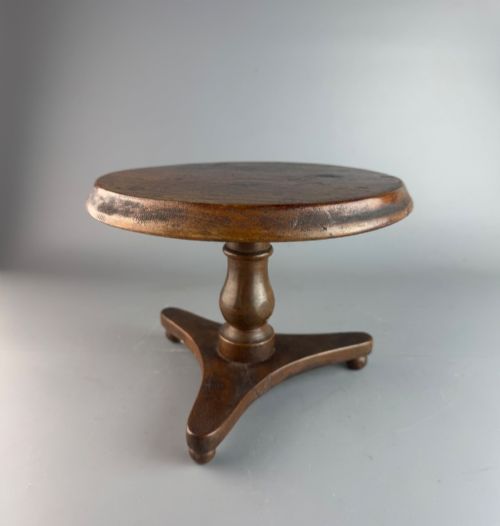
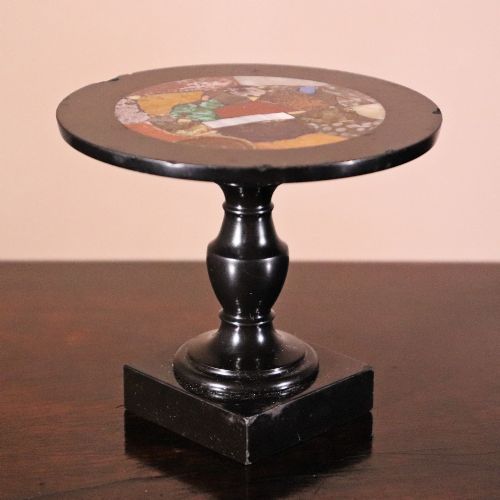
The selection frequently includes walnut, mahogany, and rosewood examples alongside specialised forms like tilt-top tables and treen candlestands. Buyers meet both English and French regional variations, often featuring finely turned pedestals or inlaid surfaces.
Makers produced these smaller items to demonstrate technical skill or to furnish dolls' houses and specialised collectors' displays. Their diminutive proportions require exact scaling of complex joinery and turning techniques found in larger domestic furniture.
Materials and construction methods
Cabinetmakers utilised dense domestic and exotic hardwoods such as walnut, burr walnut, mahogany, and rosewood, often selecting figured veneers to create decorative patterns on small table tops. Solid timbers formed the structural frames, legs, and tilt-top mechanisms.
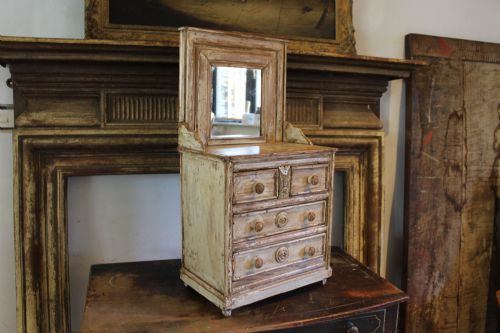
Construction involved traditional joinery techniques scaled down for miniature dimensions, including dovetail joints in drawers, delicately turned pillars, and functional hinges on drop-leaf surfaces like Sutherland tables.
Listings feature walnut, mahogany, rosewood, and oak across various table forms including Sutherland, breakfast, and centre tables.
Distinctions in quality and execution
Quality rests upon the precision of the scaling and the selection of timber veneers, where burr walnut or flame mahogany exhibits superior grain pattern matching across miniature surfaces. Finer examples maintain the correct proportional relationship between top, pillar, and base.
The integrity of the original mechanisms, such as working tilt-top latches, drop-leaf action, and delicate turning on legs, separates standard cabinetwork from master-level apprentice or exhibition pieces.
J Batson And Son·Richard Co·Mccabe London·F H Ayres Ltd
The Victorian Miniature Table Glossary
- Sutherland table
- A narrow drop-leaf table with deep flaps supported by swing legs, scaled down for miniature use.
- Apprentice piece
- An item created by a trainee craftsman to demonstrate mastery of joinery and woodworking techniques to a guild.
- Tilt-top table
- A table with a hinged top that pivots vertically to save space when not in use.
- Treen
- Small handmade wooden domestic objects, representing the work of specialised turners and carvers.
- Burr walnut
- A highly figured timber harvested from walnut tree growths, prized for intricate swirling grain patterns.
Victorian Miniature Table: Frequently Asked Questions
What were victorian miniature tables used for?
Cabinetmakers produced these small pieces as apprentice test pieces, display models for showrooms, or furnishings for large dolls' houses.
Victorian households also placed them on larger pieces of furniture or mantelpieces simply as decorative ornamental objects.
How do you identify a genuine victorian miniature table?
Examine the timber species, construction joints, and turning style to match nineteenth-century furniture practices.
Genuine pieces utilise period hardwoods like walnut or mahogany with hand-cut joinery appropriate to their diminutive scale.
Are miniature tables the same as dollhouse furniture?
While some miniature tables served dolls' houses, many were standalone decorative items or maker's demonstration pieces.
Their substantial construction and quality timber distinguish them from mass-produced toys of the same era.
How do you care for antique miniature wooden tables?
Keep wooden surfaces away from direct sunlight and sudden temperature changes to prevent timber splitting and veneer lifting.
Apply a light application of appropriate wax polish occasionally to maintain the finish of the historic wood.