
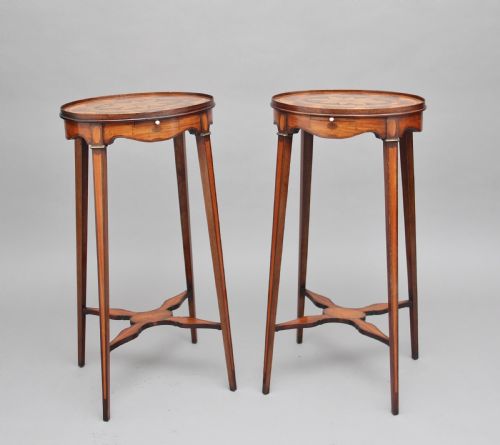


Antique Wooden Kettle Stand
An antique wooden kettle stand is a compact table designed to hold a hot water vessel, offering a practical surface with refined proportions.
Antique Wooden Kettle Stand
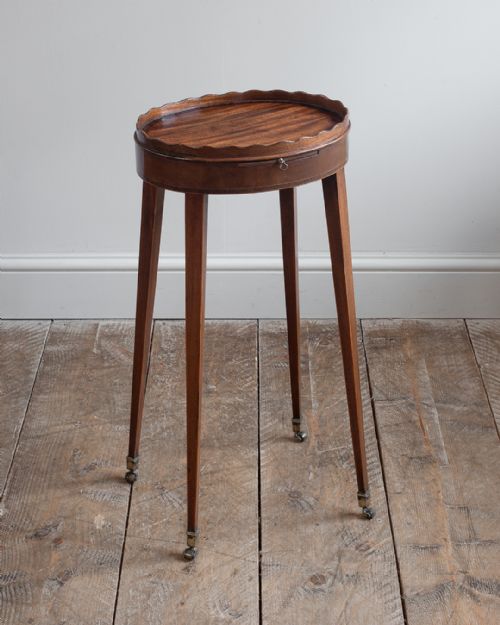
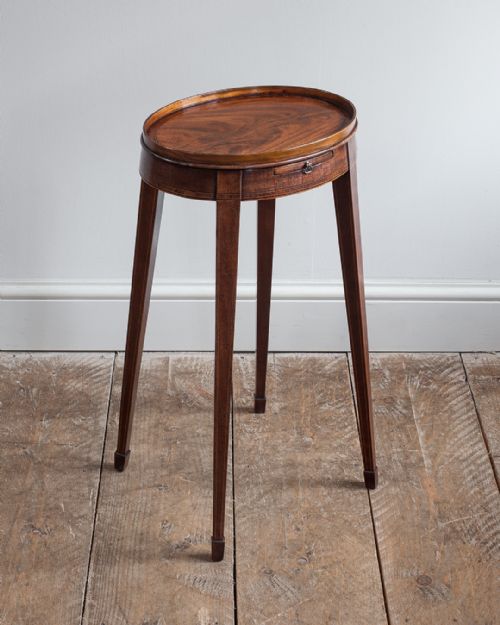
An antique wooden kettle stand is a small table traditionally used to support a hot water vessel near the tea service. These pieces typically take the form of occasional tables, urn stands, or kettlestands designed to sit beside a seating area.
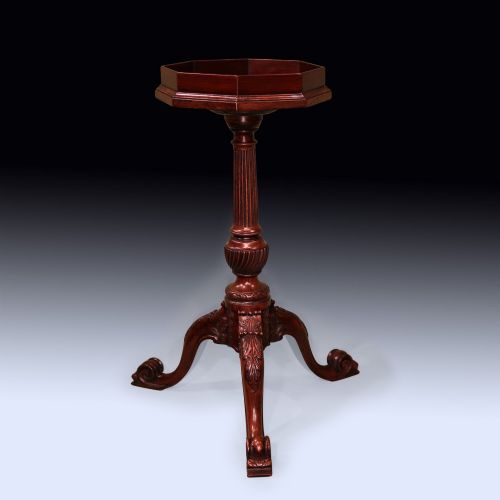
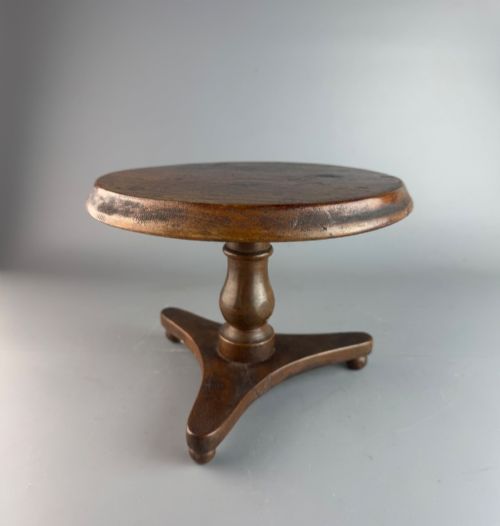
The versions most commonly met on this page date from the Georgian and Victorian periods, constructed primarily in mahogany or walnut. Forms range from simple tripod bases to oval tops with delicate inlay and pedestals.
Makers historically produced these stands in various geometric and circular shapes, often incorporating subtle lips or mouldings to secure the base of a heavy metal vessel. They function equally well today as small lamp tables or display surfaces in restricted spaces.
How they were made
Cabinetmakers constructed these stands predominantly using solid mahogany, walnut, and satinwood, frequently selecting timber with distinct grain patterns. Joinery relied on traditional techniques such as mortise and tenon joints to secure slender pedestal columns to spreading tripod feet.
Surface decoration involved fine wood inlay, stringing, and occasional painted motifs, particularly on later revival pieces. Metal components like brass were occasionally utilised for castors or fittings on specific designs.
What varies in quality
The distinction between standard and superior pieces rests on the choice of timber and the crispness of the carving or inlay. Dense, well-figured mahogany with deep natural patination commands greater attention than plain, unfigured secondary woods.
Structural stability and proportion also dictate worth, as slender legs and central columns must support weight without wobble. The subtlety of edge mouldings and the precision of the turning on the central shaft separate utilitarian workshops from master cabinetmakers.
The Antique Wooden Kettle Stand Glossary
- Tripod base
- A furniture support consisting of three legs radiating from a central pillar. This configuration ensured stability on uneven floorboards.
- Urn stand
- A small, tall table specifically scaled to hold a heated water urn or kettle. They often feature pull-out slides for cups.
- Stringing
- A narrow inlay of contrasting wood used to create fine lines of decoration on table tops and legs. It defines the edges of geometric panels.
- Treen
- Small handmade wooden household objects. These items showcase the traditional skill of the woodturner.
Antique Wooden Kettle Stand: Frequently Asked Questions
What is an antique wooden kettle stand used for?
Historically, these small tables held heavy metal kettles filled with hot water during tea service, keeping the heat away from polished mahogany dining surfaces. They provided a stable, accessible platform close to the hostess.
Today, they serve well as compact lamp tables, bedside stands, or elevated surfaces for displaying small decorative objects in modest spaces.
How do I date a wooden kettle stand?
Dating relies on examining the timber species, construction methods, and stylistic details such as leg profiles and inlay patterns. Georgian pieces often display heavier proportions and simpler carved details, whereas later revival items feature lighter satinwood and painted decoration.
Tool marks on the underside of the top and the method used to attach the central column to the feet provide further physical clues to the era of manufacture.
Are kettle stands stable enough for daily use?
Most antique stands are structurally sound and capable of supporting lightweight items like lamps or books. Their original purpose required them to bear the weight of water vessels safely.
Due to their slender tripod legs, users should place them away from heavy foot traffic to prevent accidental tipping.
What woods were used for kettle stands?
Mahogany is the predominant timber found in these pieces, valued for its strength and rich grain. Walnut and satinwood also appear, particularly in later or more decorative examples.
Inlayers frequently combined contrasting woods to create delicate border patterns and decorative centre medallions on the tops.