
Victorian Turned Wood
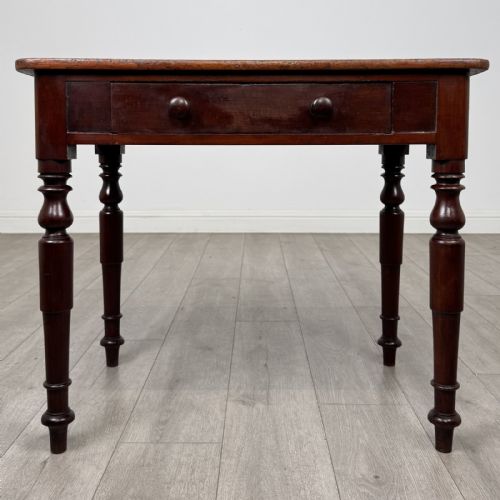
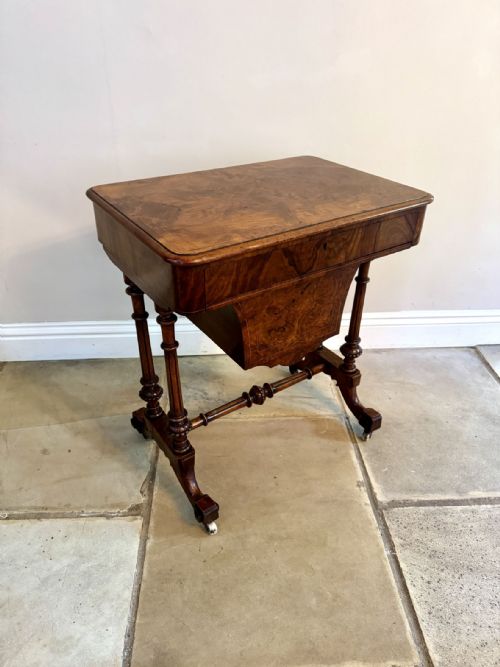
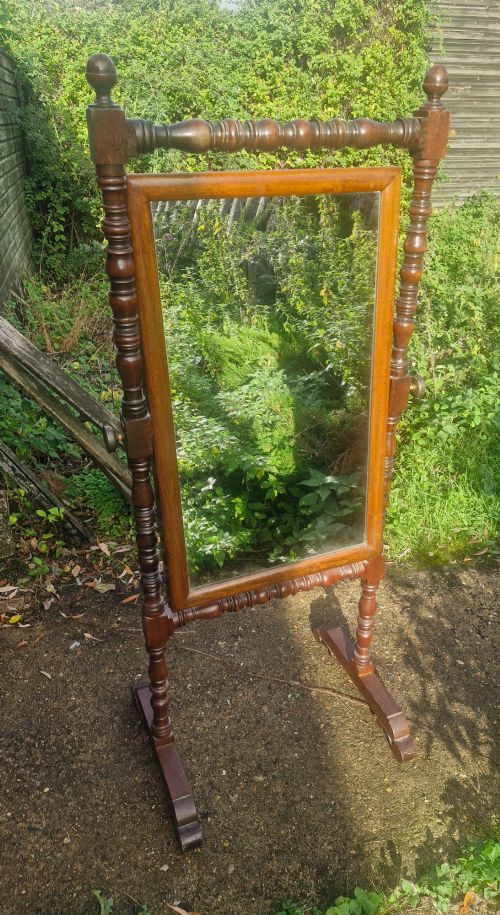
Victorian turned wood brings together the precise lathe work and timber construction characteristic of the nineteenth century.
Victorian Turned Wood
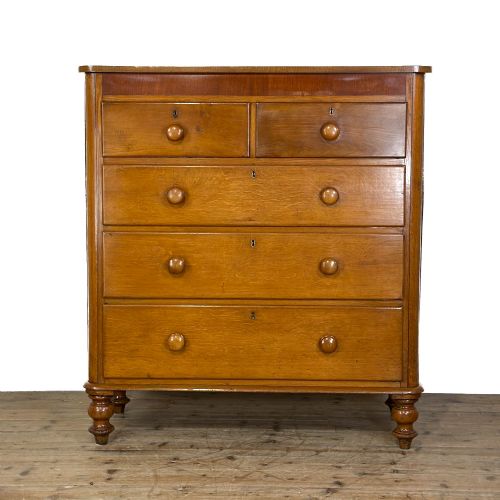
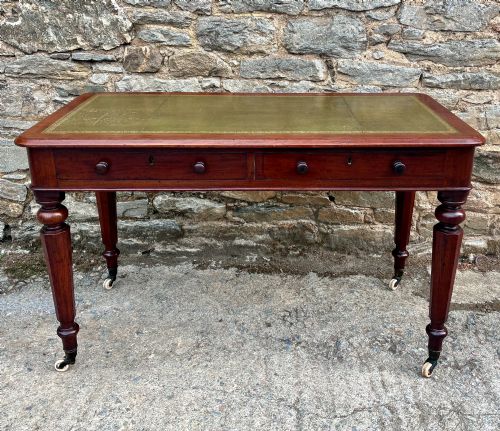
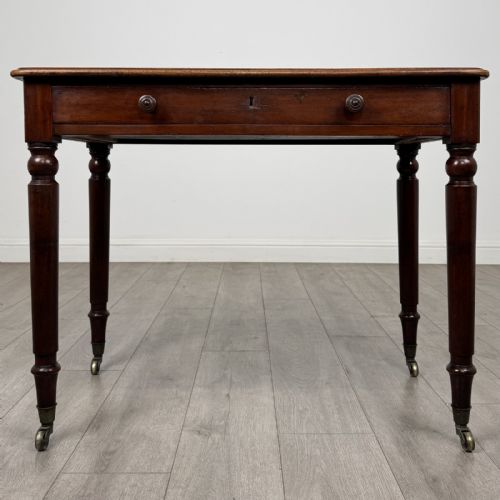
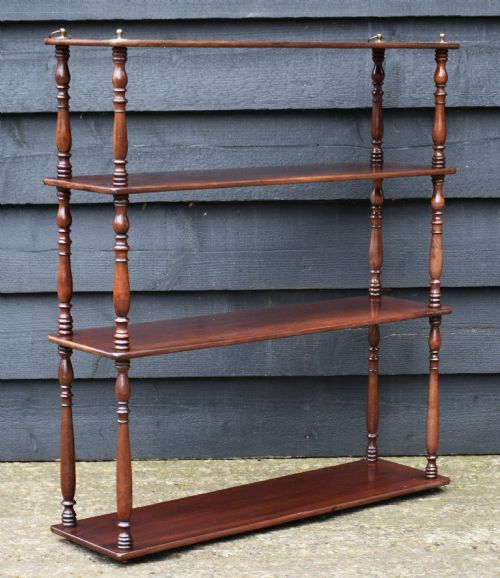
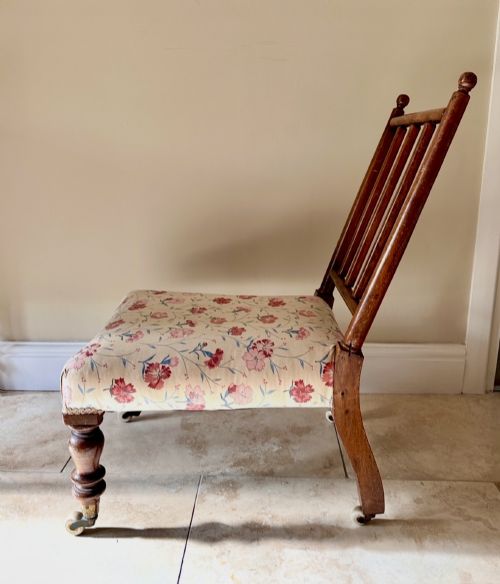
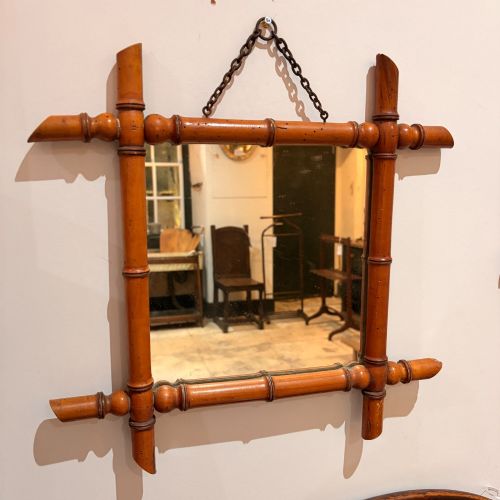
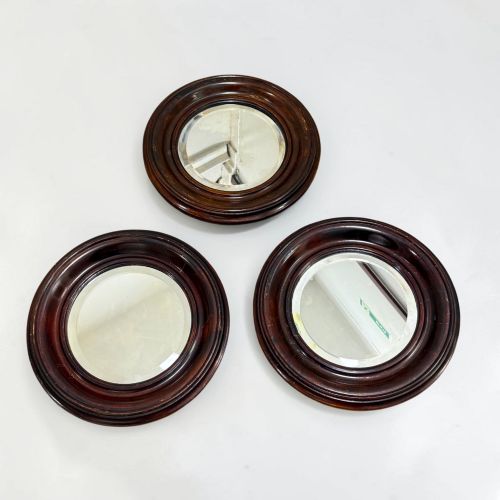
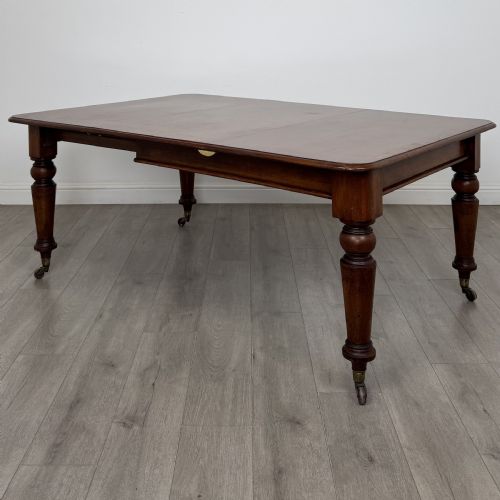
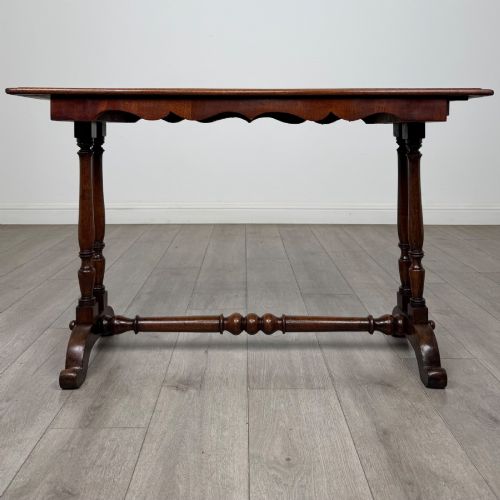
When you search for victorian turned wood, you encounter seating, tables, and decorative objects shaped on a lathe. The items on this page span the nineteenth century and encompass utilitarian furniture alongside domestic accessories.
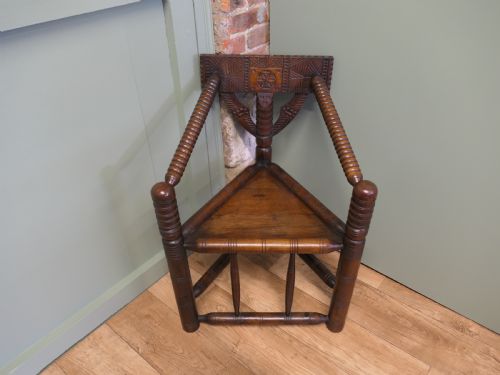
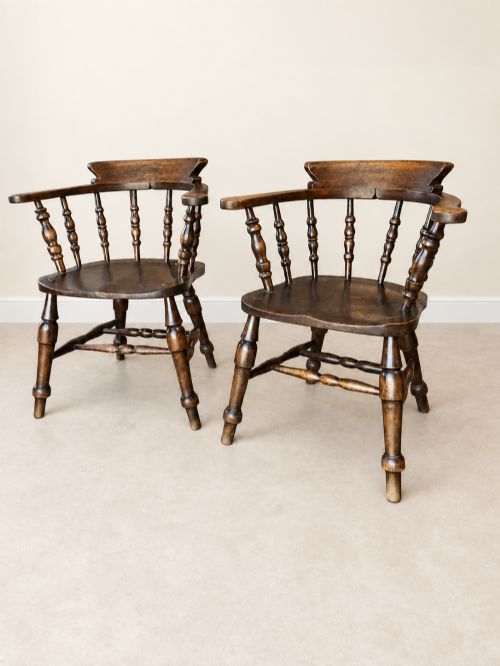
Kitchen chairs, country armchairs, and stools dominate the seating, frequently combining timbers like elm, ash, and beech. Tables with turned supports and smaller items such as wig stands and chess sets appear alongside them.
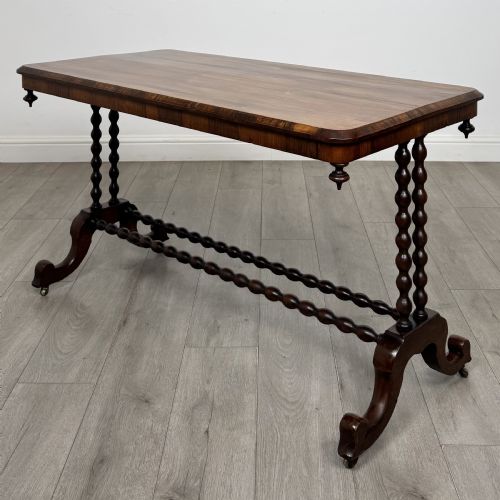
The aesthetic ranges from rustic farmhouse furniture to refined rosewood and mahogany library pieces. Regional traditions, including Thames Valley work, sit alongside standard Victorian production.
Materials and construction
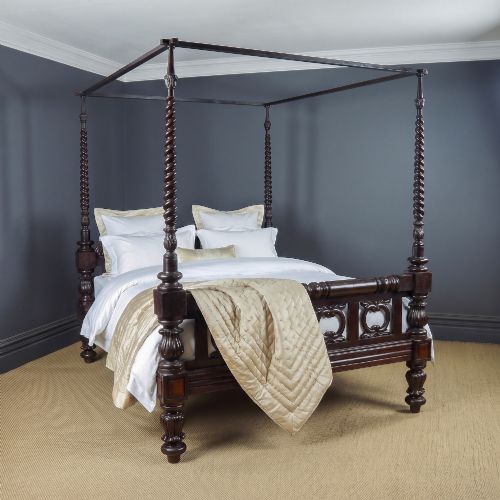
Cabinet makers and turners utilised native hardwoods such as oak, elm, ash, beech, and walnut, alongside imported timbers like mahogany and rosewood. Lathes shaped spindles, legs, stretchers, and decorative elements from solid blocks of wood.
Joinery combined traditional methods like mortise and tenon joints with turned components secured by pegs or glue. Many surfaces retained their original finish or acquired patination through domestic use over decades.
Listed items span the nineteenth century, including pieces dated across the 1850s, 1860s, 1870s, 1880s, 1890s, and 1900.
Quality differences
The fineness of the lathe work dictates much of the distinction between pieces, ranging from crisp, deeply cut bobbin or ring turnings to simpler utilitarian spindles. Timber selection also separates standard items from those utilising figured mahogany, rosewood, or well-matched elm and ash.
Structural integrity depends on the original construction and subsequent care, particularly regarding the tightness of joints in chairs and tables subject to regular weight and movement.
T & G Seddon·Morris & Co·Philip Webb
The Victorian Turned Wood Glossary
- Bobbin turned
- A style of lathe work featuring a series of rounded, spool-like shapes repeating along the length of a leg or stretcher. This decorative technique appears frequently on nineteenth-century seating and frames.
- Windsor chair
- A wooden chair construction style where the legs and back spindles are fitted directly into a solid sculpted seat. Variations include high backs, barbacks, and captain's chairs.
- Treen
- Small handmade wooden household objects produced before the widespread use of plastics. Examples include turned boxes, small stands, and gaming pieces.
- Stretchers
- Horizontal wooden bracing members connecting the legs of chairs, tables, or stools to add structural stability. They are often lathe-turned for decorative effect.
- Tilt-top table
- A table with a hinged top that pivots to a vertical position for storage against a wall when not in use. The mechanism usually sits atop a turned pedestal base.
Victorian Turned Wood: Frequently Asked Questions
How do I care for antique turned wood?
Keep wooden items away from direct heat sources and rapid humidity changes to prevent timber splitting or joint shrinkage.
Apply occasional traditional wax polish to nourish the surface and maintain the natural lustre of the timber.
Are these items suitable for daily use?
Most utilitarian furniture pieces, such as chairs and small tables, were built for robust domestic service and remain sturdy.
Heavier items function well in modern interiors when placed on level flooring to avoid putting strain on joints.
How can I date a turned wooden piece?
Examine the timber species, tool marks, and construction methods, as nineteenth-century workshops used specific jointing techniques.
Turnings also reflect stylistic shifts, moving from heavier early Victorian proportions towards lighter aesthetic forms.
What is the difference between elm and beech?
Elm possesses a characteristic interlocking grain that makes it resistant to splitting, which suited it for chair seats.
Beech offers a tight, even grain that took lathe turning exceptionally well, making it common for spindles and chair legs.