


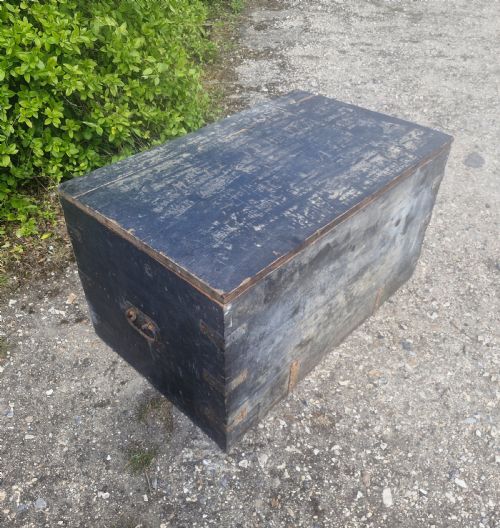
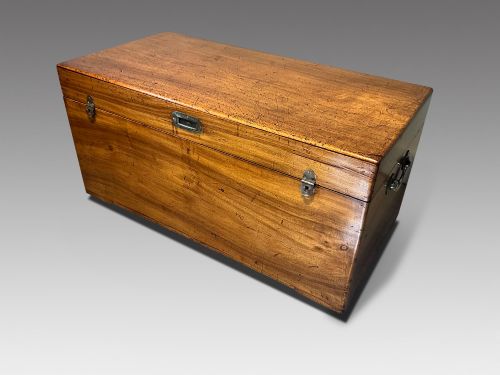
Victorian Military Coffer
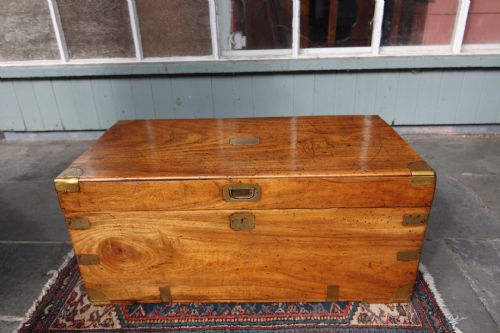
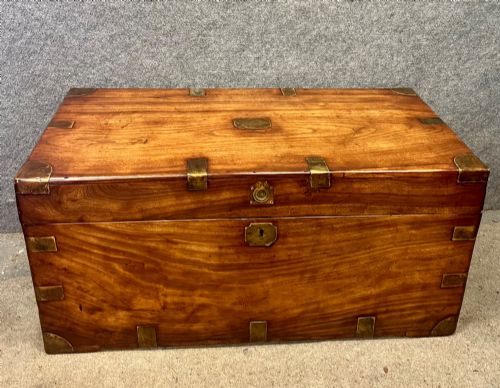
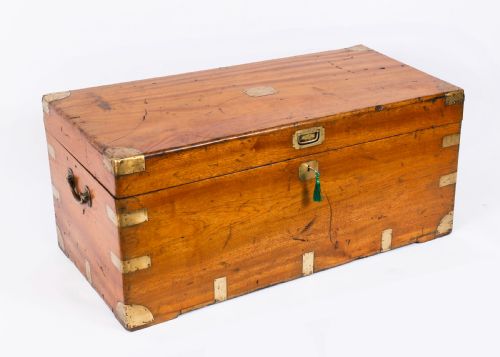
A victorian military coffer is a robust travelling chest built for officers on the move, combining practical storage with handsome timber.
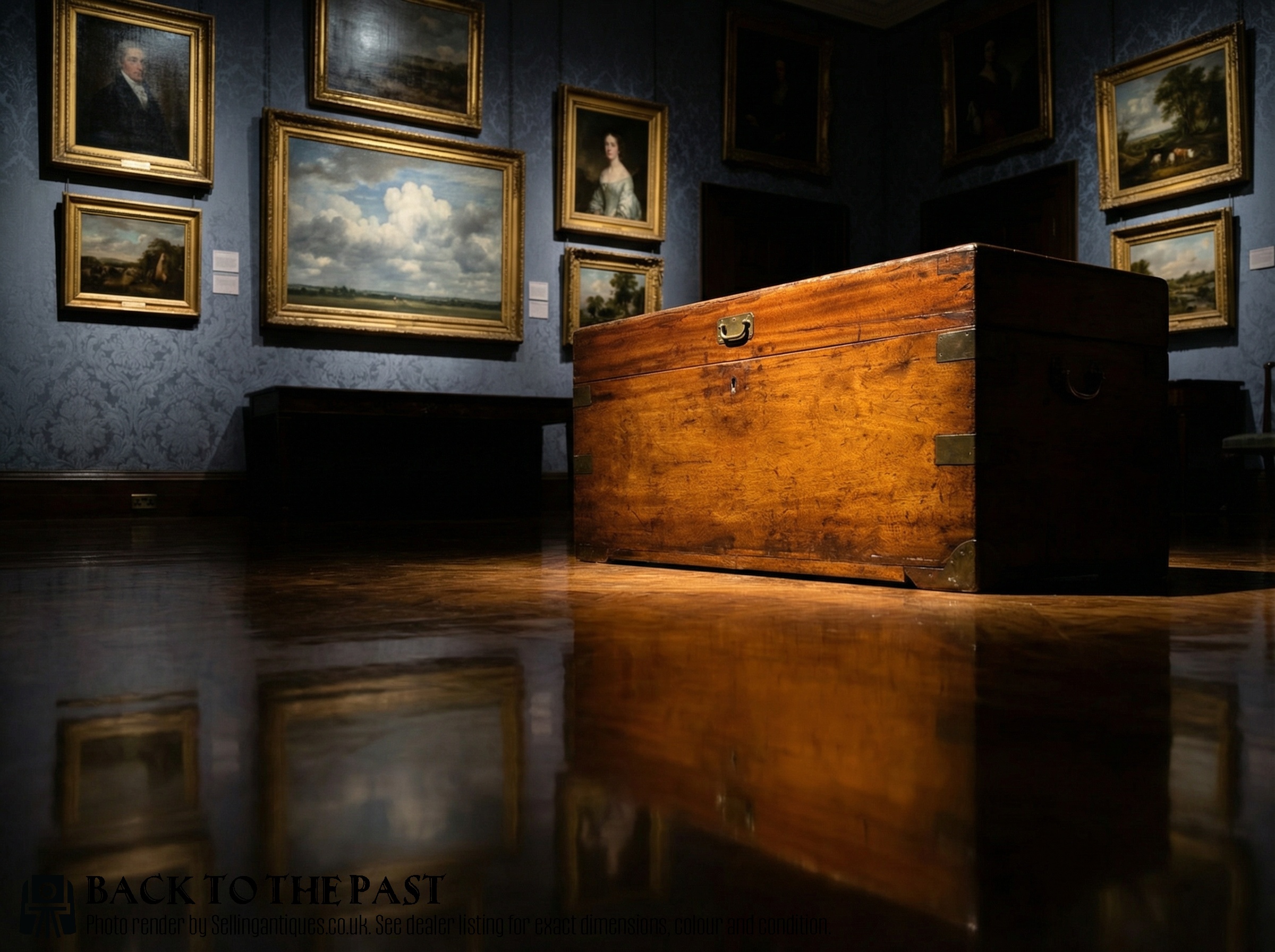
Victorian Military Coffer
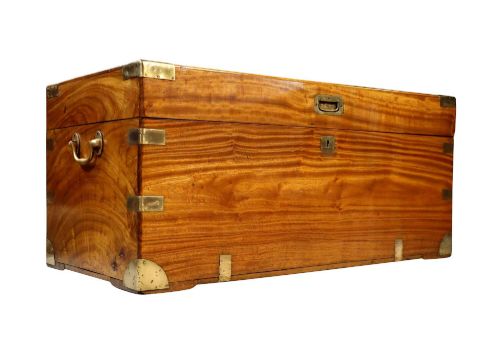
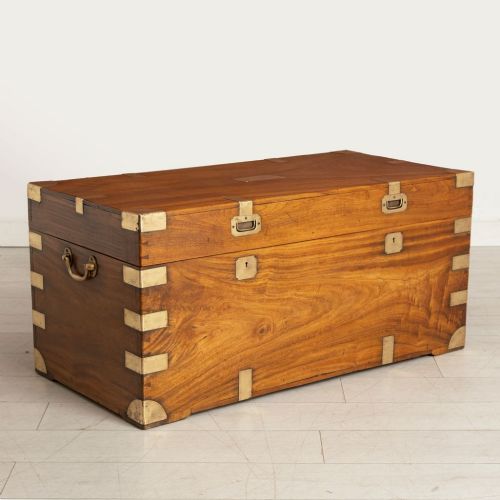
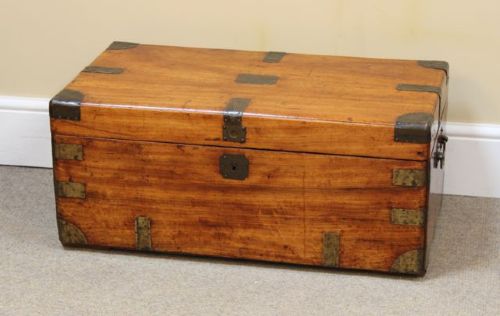
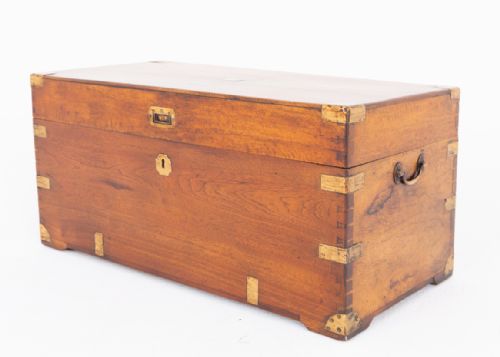
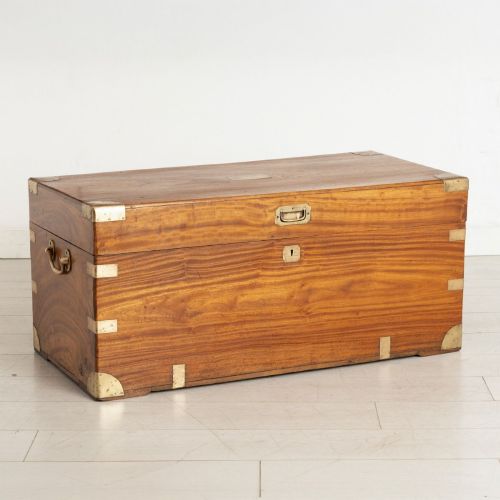
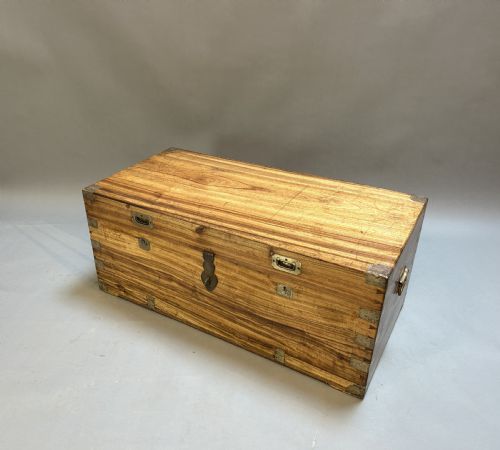
A victorian military coffer serves as a durable travelling trunk designed for officers on duty across the empire. The pieces seen here date predominantly from the nineteenth century, including specific decades such as the eighteen-fifties, sixties, and eighties, alongside Victorian and later nineteenth-century examples. Most items take the form of camphorwood or teak trunks and chests, often equipped with brass mountings and recessed handles for transport.
Buyers will frequently encounter solid camphorwood and teak trunks styled around campaign and maritime requirements. These range from substantial blanket boxes and travel chests to smaller display trunks and occasional presentation insignia boxes. The typical construction reflects utilitarian needs adapted for life at sea or in distant stations.
Materials and construction
Makers utilised dense timbers such as camphor wood and teak, valued for durability and resistance to humidity. These woods are joined with robust construction methods capable of withstanding the rigours of military transport and maritime voyages.
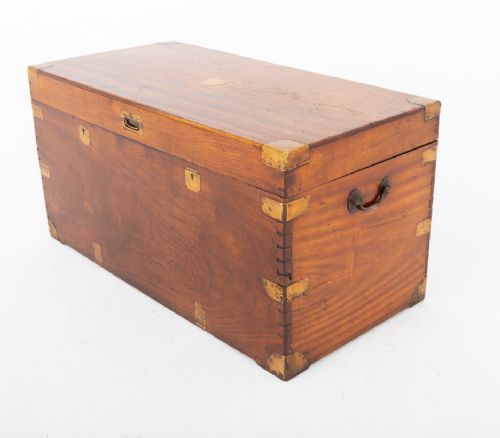
Brass corners, straps, and hardware reinforce the joints while protecting the edges from heavy impacts. Recessed brass handles allow the chests to be packed tightly into holds or wagons without protruding fixings.
Many surviving camphor trunks retain a faint, unmistakable fragrance of the tree after more than a century.
Judging the standard
The standard of a piece rests upon the quality of its timber grain and the integrity of its brass hardware. Examples retaining original brass fittings, working locks with keys, and unblemished wood surfaces command greater interest.
Construction details such as dovetailed joints and fitted internal compartments separate utilitarian packing cases from finer officer-grade pieces. The presence of documented military provenance further distinguishes specific examples.
The Victorian Military Coffer Glossary
- Campaign chest
- A portable set of drawers or a trunk built in sections for ease of transport during military operations. These items dismantle or feature flush hardware to survive rough handling.
- Camphor wood
- An aromatic timber native to Asia, utilised for trunks to deter insects and protect uniforms. The wood possesses a distinct scent and rich grain.
- Brass bound
- The reinforcement of trunk edges and corners with brass strips and brackets. This technique protects structural joints from damage during transit.
- Recessed handle
- A flush metal grip inset into the side of a chest. This design prevents handles from catching on ropes or neighbouring cargo.
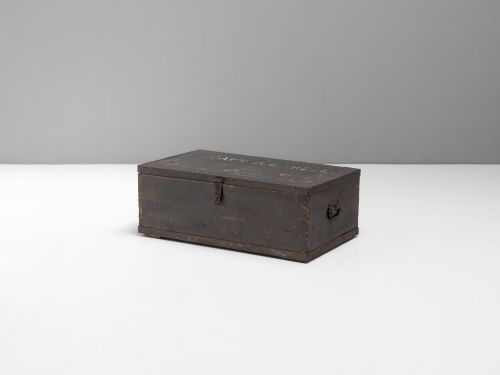
- Maritime painted pine
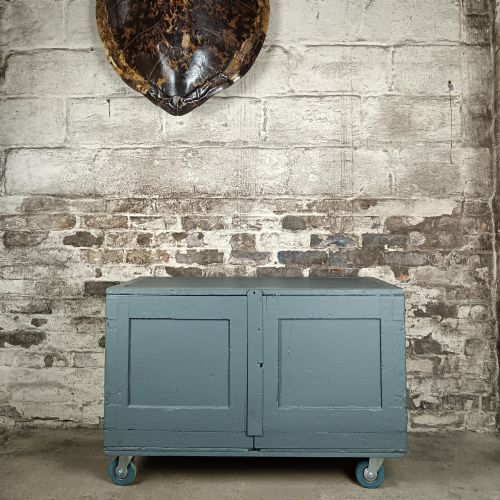
- A utilitarian softwood construction coated in protective paint layers. These finishes defended against moisture aboard ship.
Victorian Military Coffer: Frequently Asked Questions
What is a victorian military coffer?
A victorian military coffer is a heavy-duty storage chest constructed for officers travelling during the nineteenth century. These trunks were built to endure rough handling in transit across land and sea.
They typically feature sturdy timber frames reinforced with brass hardware and flush handles for efficient packing in tight spaces.
Why use camphor wood?
Camphor wood was selected for campaign furniture because its natural aromatic oil repels moths and insects. This property protected wool uniforms and papers in tropical climates.
The timber is also stable and resists warping when exposed to shifting humidity during long sea voyages.
How were these chests transported?
These chests travelled with military officers on active service, loaded onto carts, pack animals, and ships. Their modular construction allowed staff to stack and secure them easily.
Recessed brass handles and protective corner brackets ensured the chests survived frequent loading without snagging.
How do I care for camphor wood?
Camphor wood requires minimal maintenance beyond dusting with a dry cloth and avoiding direct sunlight. Keep the timber away from extreme heat sources to prevent the wood from drying out.
Applying a light coat of natural wax periodically helps maintain the lustre of the grain.