


Victorian Metal Candleholders
These victorian metal candleholders bring period weight and material substance to a room, ranging from simple brass chambersticks to ornate bronze figural pieces.
Victorian Metal Candleholders
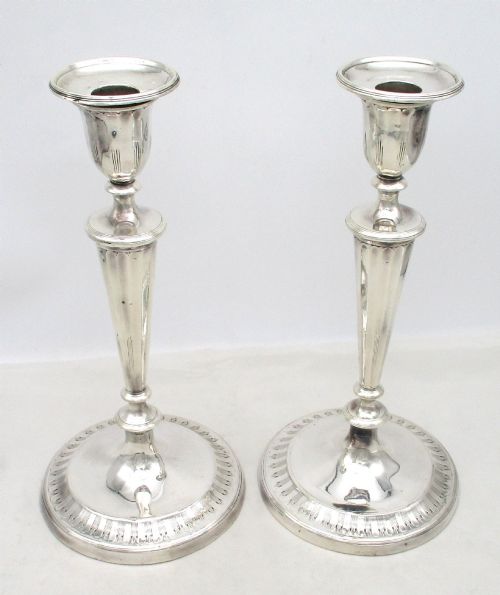
Victorian metal candleholders encompass a variety of domestic lighting forms produced during the nineteenth century, including tall table candlesticks, multi-branch candelabras, wall sconces, and low chambersticks. The selections seen here include matched pairs and sets originating from English, French, and continental workshops.
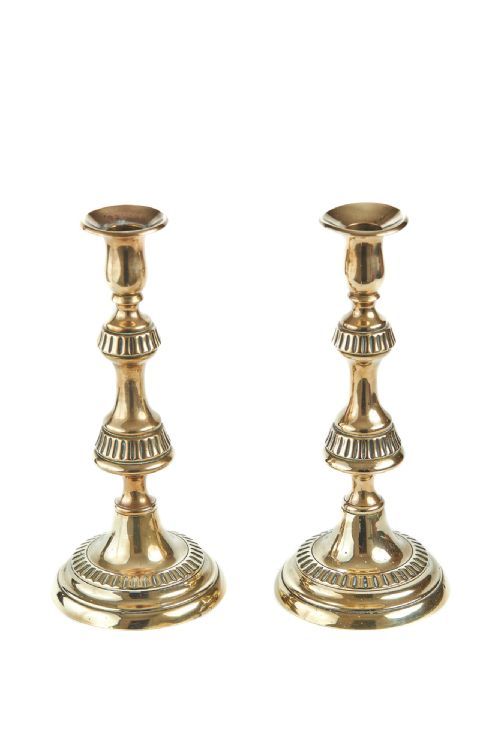
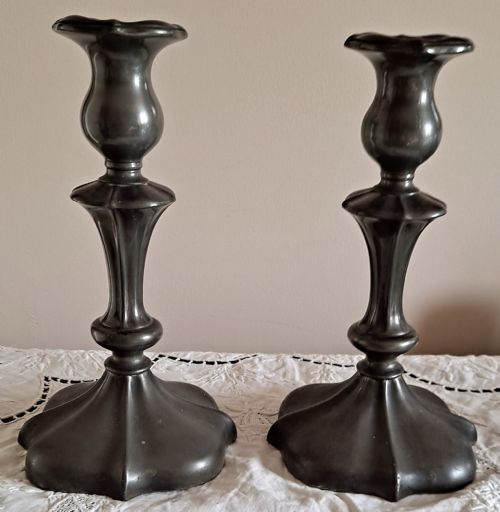
Brass is the predominant metal encountered in these listings, appearing alongside silver plate, pewter, bronze, wrought iron, and ormolu. Styles stretch from restrained nineteenth-century utilitarian designs through to Gothic Revival, Renaissance Revival, Arts and Crafts, and flowing Art Nouveau iterations.
Materials and Technique
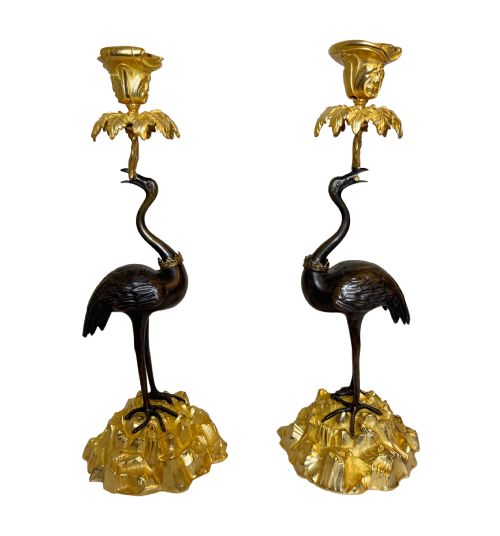
Metalworking techniques of the period involved casting, spinning, and hand-finishing, with seamed construction visible on various bronze and brass examples. Components were frequently cast in sections and joined, allowing for intricate decorative motifs such as flamingos, figural soldiers, and geometric diamond patterns.
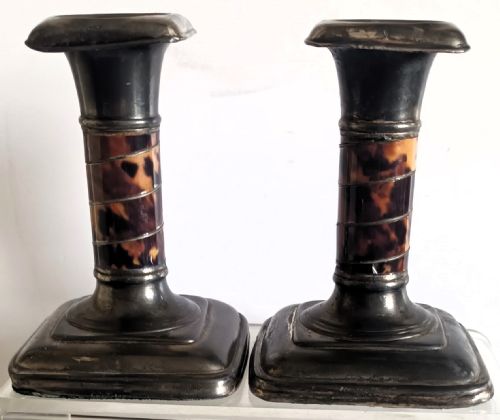
Surface treatments range from bright gilding and silver plating to patinated wrought iron, pewter with tortoiseshell insets, and polished ormolu paired with marble bases. Makers utilised stamping and applied decorative details to achieve distinct stylistic identities across different price points and intended domestic settings.
A flamingo motif occasionally appears on Victorian bronze candle sticks, bringing unexpected tropical birds into nineteenth-century domestic interiors.
Assessing Distinction
Quality rests in the crispness of casting detail and the weight of the chosen metal, where heavier gauge brass, bronze, and solid silver plating indicate superior domestic manufacture. Finer examples retain clear maker stamps, such as registry marks for specific diamond patterns, and exhibit careful hand-chasing on sculptural elements.
Design cohesion also separates standard production items from exceptional works, visible in how decorative motifs like Art Nouveau tendrils or Rococo scrolls integrate into the structural form. The presence of original matching components, balanced proportions, and integrated materials like marble or tortoiseshell elevate specific pieces above routine utilitarian wares.
James Clews Jubilee
The Victorian Metal Candleholders Glossary
- Chamberstick
- A low candlestick fitted with a saucer base and a handle, designed for carrying bedroom lighting safely. These often include a small conical snuffer resting in the tray.
- Pricket
- A candlestick featuring an upright spike upon which a candle is impaled, rather than a socket to hold it. This form appears frequently on older or ecclesiastical-style wrought iron pieces.
- Ormolu
- Gilded bronze produced by applying a mercury-gilt mixture to cast bronze objects. The technique yields a rich, golden surface finish seen on decorative French pieces.
- Spelter
- An alloy of zinc and lead cast to imitate bronze, often painted or bronzed to simulate heavier metal. It allowed makers to produce complex figural sculptures economically.
- Candelabra
- A branched lighting device holding multiple candles on separate arms. These pieces range from monumental table centerpieces to smaller mantel ornaments.
Victorian Metal Candleholders: Frequently Asked Questions
How do I clean antique brass candlesticks?
Maintenance requires gentle dusting with a soft cloth to preserve the accumulated patina that develops over decades of handling. Aggressive metal polishes strip away the aged surface character valued by collectors.
For stubborn residue, warm soapy water and a soft brush clean crevices without scratching the metal. Thorough drying prevents oxidation spots from forming after washing.
Were these holders used for candles or oil?
These specific items were designed entirely for traditional wax or tallow candles rather than burning lamp oil. Sockets, drip pans, and prickets match standard taper dimensions of the Victorian era.
Chambersticks and table sticks accommodated hand-dipped or moulded tapers used for moving through darkened hallways. Candelabras served stationary dining and parlour illumination.
How can I tell Art Nouveau from Gothic Revival pieces?
Art Nouveau examples display asymmetric, flowing lines, botanical motifs, and whiplash curves inspired by natural organic growth. Pewter and brass pieces from this movement feel fluid and sculptural.
Gothic Revival items draw inspiration from medieval architecture, featuring pointed arches, heavy wrought iron, and robust ecclesiastical forms. The geometry is rigid and architectural rather than organic.
Can I use standard modern candles in them?
Many nineteenth-century sockets differ slightly from modern standard taper diameters, requiring minor adjustments for a secure fit. Tapering the base of a wax candle with a knife ensures it sits straight.
For loose fittings, small drips of melted wax inside the socket anchor the candle firmly in place. Avoid forcing oversized candles into narrow antique metal sockets to prevent splitting.