
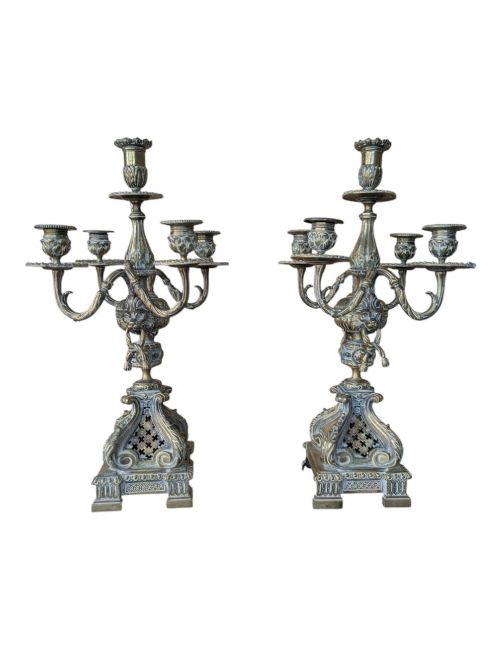
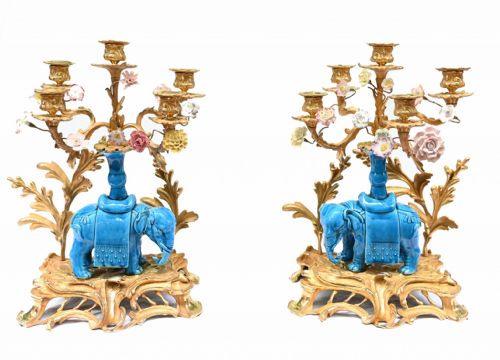


Victorian Metal Candle Holders
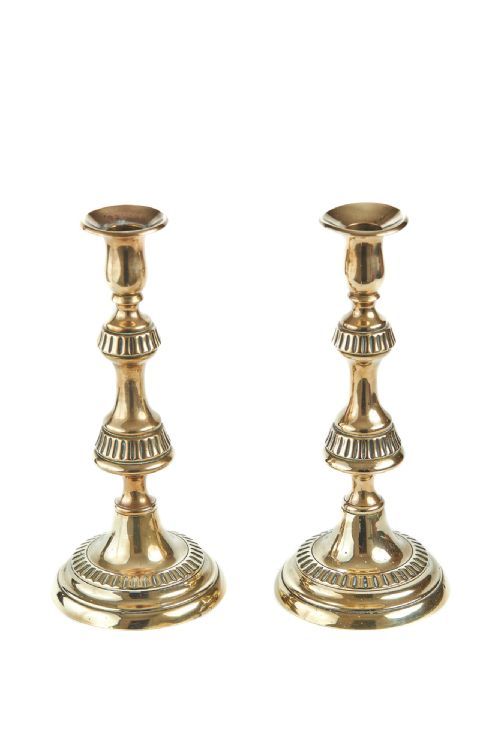
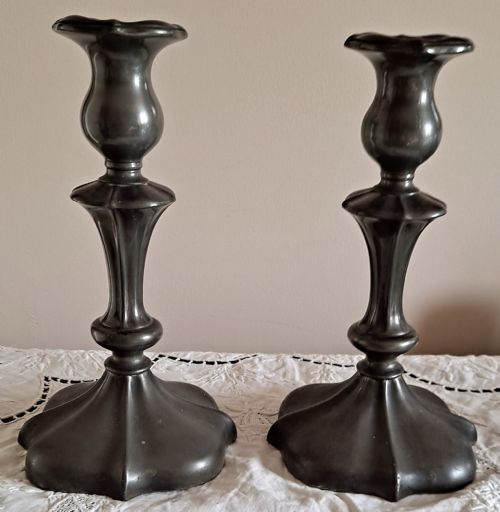
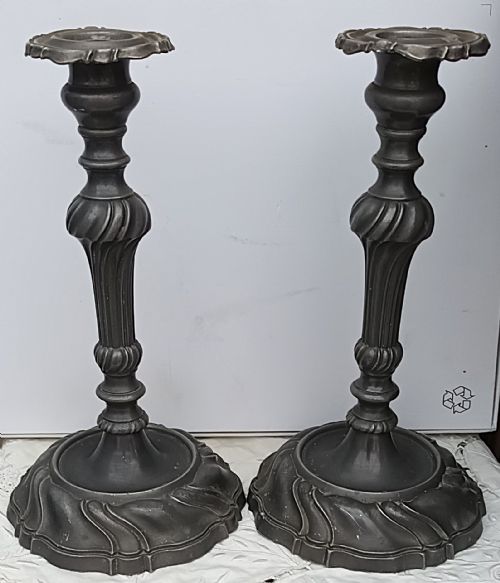
These victorian metal candle holders bring the heavy warmth of nineteenth-century brass, bronze, and pewter into a room.
Victorian Metal Candle Holders
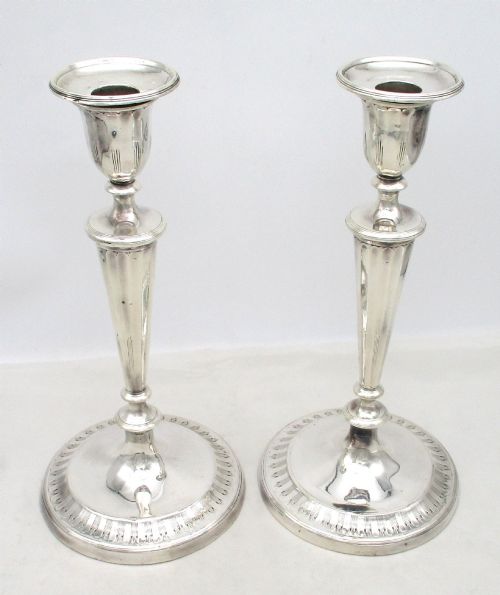
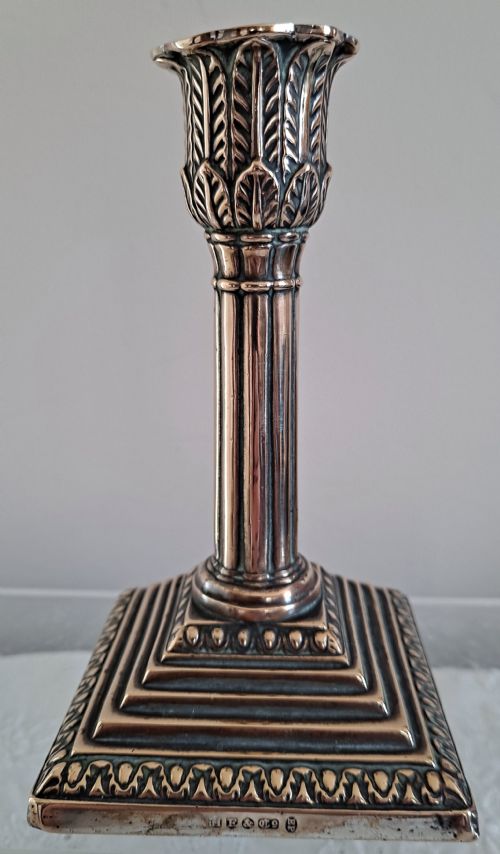
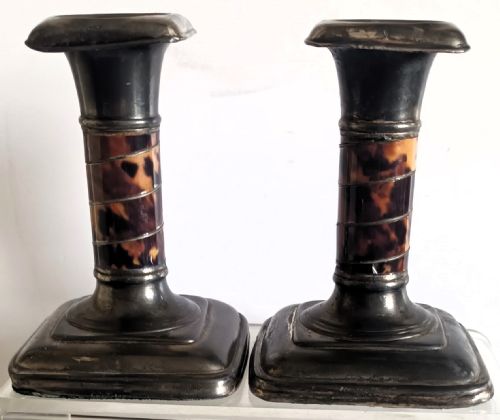
Victorian metal candle holders encompass candlesticks, chambersticks, wall sconces, and multi-light candelabra originating across the nineteenth century. The selection leans heavily toward pairs of brass candlesticks and pewter table lights, alongside bronze and silver-plated examples.
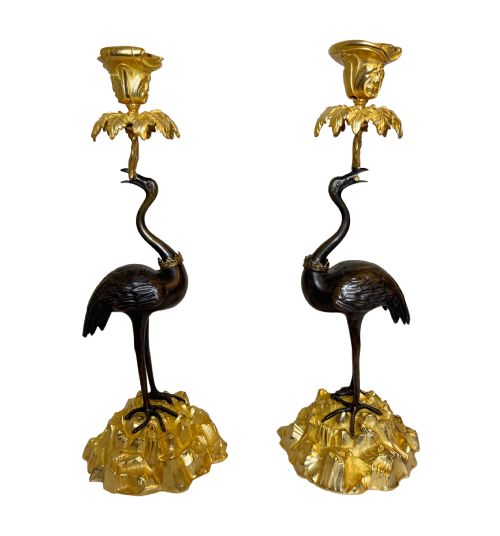
Makers produced these lighting pieces in various idioms, ranging from plain domestic brass to elaborate Gothic Revival, Arts and Crafts, Art Nouveau, and Rococo Revival styles. Collectors encounter both everyday utility pieces and sculptural works modelled as figures or animals.
Quality and Distinction
Distinction rests on the crispness of casting detail in sculptural figures, animal motifs, and ornate foliate relief. Heavier metal gauge and uncompromised structural integrity separate utilitarian production from high-relief decorative works.
The sophistication of stylistic execution defines the upper tier, particularly in identifiable Arts and Crafts, Aesthetic Movement, or Art Nouveau designs. Original surface patination and matching pairs further elevate individual examples.
Listings feature periods spanning from the Regency era through the Victorian decades up to nineteen hundred.
Dr Christopher Dresser·James Clews
The Victorian Metal Candle Holders Glossary
- Chamberstick
- A short candlestick fitted with a pan and a finger ring for carrying from room to room. These portable lights typically sat on bedside tables.
- Pricket
- A spike on a candlestick or altar stick designed to impale the base of a large candle. This medieval form reappears in later Gothic Revival metalwork.
- Ormolu
- Gilded bronze achieved by applying a mercury-gold amalgam to the metal surface. The technique creates a rich golden finish found on decorative French pieces.
- Spelter
- A zinc-based alloy used as a less costly alternative to bronze for sculptural figures. Makers often patinated this metal to imitate heavier bronze.
- Champlevé
- An enamelling technique where troughs are dug into a metal surface and filled with vitreous enamel. This method appears on decorative nineteenth-century candelabra.
Victorian Metal Candle Holders: Frequently Asked Questions
What is a chamberstick used for?
A chamberstick provided portable illumination for moving through unlit nineteenth-century hallways and staircases. The attached drip pan caught melting wax while the ring handle kept fingers safe.
Servants and homeowners carried these small lights to bedrooms before gaslighting or electricity became common. Today they function effectively as table accents or desk lights.
How do I tell brass from spelter?
Brass is heavier, warmer in tone, and does not show the grey metal beneath chips in the finish. Spelter is a softer zinc alloy that often feels lighter and takes a darker painted patination.
Magnet tests fail on both, but a gentle scratch test in a hidden spot reveals the lighter grey interior of spelter. Figural pieces from the period frequently used spelter for sculptural components.
What defines Arts and Crafts metalwork?
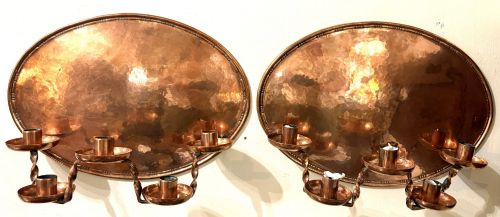
Arts and Crafts pieces emphasise hand-hammered surfaces, visible construction details, and honest materials like copper and brass. Makers rejected machine-stamped perfection in favour of tactile, artisanal textures.
Designs draw inspiration from nature, geometric simplicity, and medieval craftsmanship. These items often feature rivets and patinated finishes rather than bright factory polish.