





Victorian Marquetry Jardiniere
These pieces of Victorian marquetry jardiniere bring plant displays indoors with wood veneers and metal mounts.
Victorian Marquetry Jardiniere
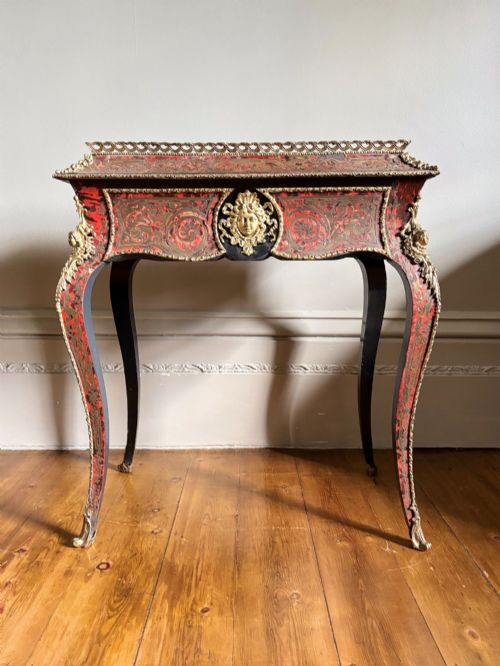
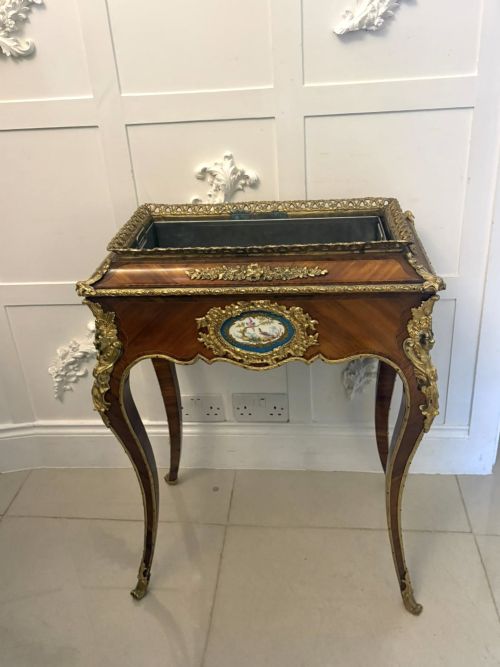
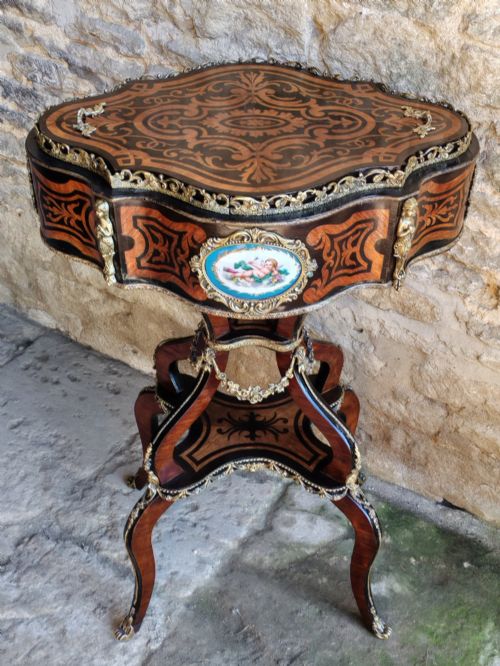
A Victorian marquetry jardiniere combines a plant holder with decorative wood inlay, appearing in forms such as side tables, occasional tables, and plant stands. These items serve as functional display pieces for flora while incorporating elaborate floral or geometric veneer patterns.
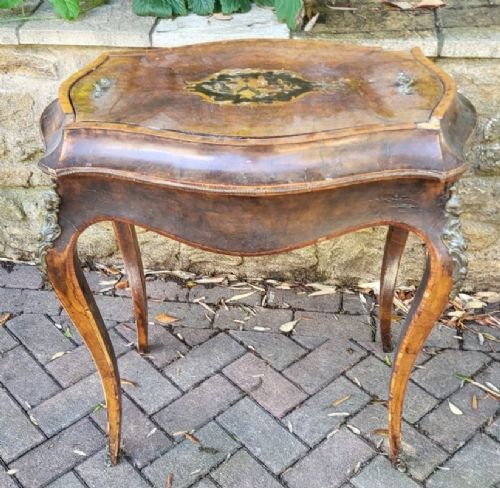
Buyers will most frequently encounter burr walnut and kingwood examples dating from the mid-to-late nineteenth century. Many pieces incorporate lift-off lids or removable liners that adapt the furniture for use as wine coolers and cellarettes.
What distinguishes quality
The precision and complexity of the marquetry inlay separate standard examples from finer works, alongside the choice of underlying timber such as burr walnut or kingwood. Crisp execution in the floral or geometric veneer patterns indicates a higher standard of workshop production.
The integration of cast ormolu mounts and the survival of original liners or lift-off lids influence the overall integrity of a piece. Finer examples display harmonious proportions where metal mounts complement the timber without overwhelming the inlay.
Victorian Marquetry Jardiniere Retail Price Guide 2026
Typical asking prices for victorian marquetry jardiniere among the pieces listed under this phrase on Sellingantiques today, from the lower quarter to the upper quarter. They describe what is for sale here now, not the wider market.
Some nineteenth-century hosts repurposed their indoor plant stands as wine coolers when the dinner party required extra chilled bottles.
The Victorian Marquetry Jardiniere Glossary
- Marquetry Inlay
- Decorative patterns formed by fitting contrasting veneers into a prepared wooden surface. This technique allows cabinetmakers to depict intricate floral designs and geometric motifs.
- Ormolu
- Gilded bronze mounts applied to furniture edges, feet, and corners for ornamentation. The process involves coating cast bronze with a mercury and gold amalgam.
- Burr Walnut
- Timber taken from a walnut tree growth, yielding swirling, knotty grain patterns prized for decorative veneering. It forms the primary visual surface on many nineteenth-century planters.
- Jardiniere
- A decorative container designed to hold potted plants or flowers. In nineteenth-century furniture, these often take the form of freestanding tables with waterproof liners.
- Cellarette
- A cabinet or container originally designed for holding bottles of wine or spirits. Many nineteenth-century plant holders double functionally as wine coolers due to their fitted metal interiors.
Victorian Marquetry Jardiniere: Frequently Asked Questions
How were these used originally?
These pieces held potted plants inside grand nineteenth-century reception rooms, protecting fine flooring and furniture from water damage through fitted metal liners.
Many designs also functioned as side tables or wine coolers, adapting to different domestic needs during formal entertaining.
Can I still use them for plants?
Living with these items today often involves placing potted plants inside the original metal liners or modern waterproof inserts.
Care must be taken to prevent moisture from reaching the vulnerable wood veneers and marquetry inlay.
How do I date these pieces?
Dating relies on examining the timber choices, revival styles, and construction methods recorded across the nineteenth century.
Mid-century examples often favour burr walnut, while later decades incorporate ebonised wood and specific French revival influences.
What styles influence the design?
French royal styles heavily influence these British pieces, drawing upon Louis XV and Louis XVI aesthetics alongside Napoleon III revival movements.
Cabinetmakers adapted these continental curves and gilt mounts to suit Victorian interior tastes.