






Victorian Maritime Diorama
These Victorian maritime diorama pieces capture sailing ships in miniature, offering collectors a detailed window into nineteenth-century naval history and folk art.
Victorian Maritime Diorama
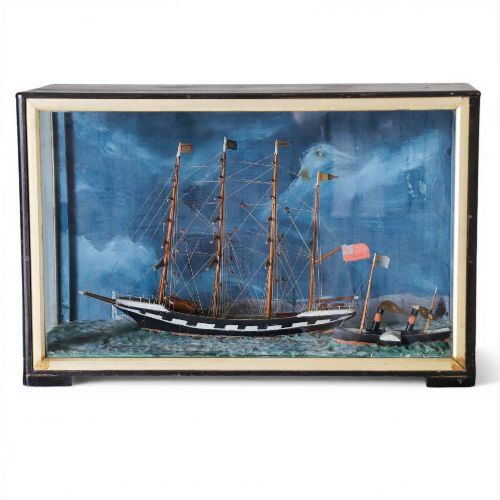
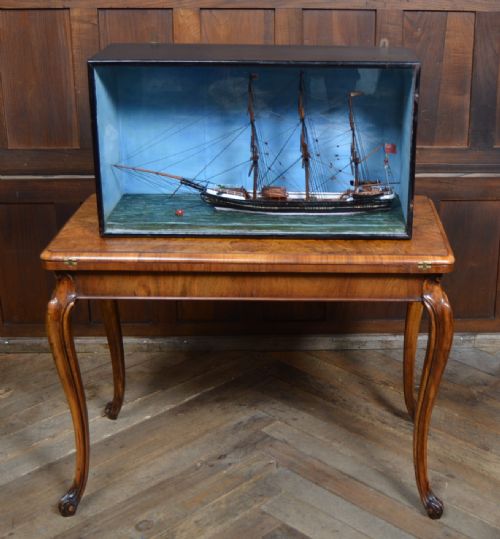
A victorian maritime diorama brings nineteenth-century naval scenes into domestic spaces through three-dimensional model ships set inside glazed shadow boxes. You encounter clipper ships in full sail, racing vessels, and steam barges, often named after specific historic vessels like the Glynllifon or The Hippolyta.
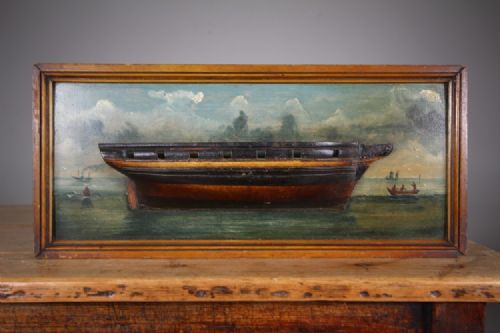
The objects span the nineteenth century and early twentieth century, taking the form of maritime shadow boxes, folk art wall pieces, and cased models. Makers ranged from coastal artisans to sailors, producing naive wooden constructions alongside detailed Turneresque seascapes.
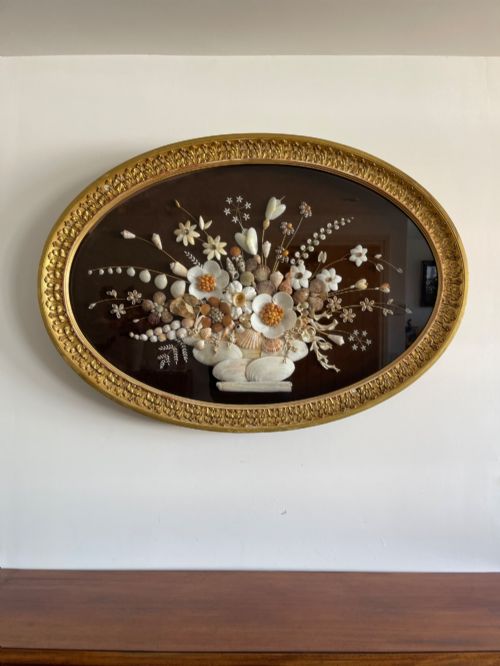
Beyond traditional wooden ship models, the category encompasses related marine folk art including intricate Irish and Cornish shellwork pictures and straw work ship dioramas. These pieces preserve maritime heritage through varied regional interpretations of the sea.
Materials and construction
Makers constructed these scenes using simple, accessible materials such as wood, paper, fabric, and canvas to build the hulls and rigging of the ships. Painted plaster and oil paint formed the textured sea and dramatic skies, creating a sense of depth within the shallow confines of the case.
Artisans glazed the front of the wooden shadow boxes to protect the delicate interior models from dust and moisture. Specialised regional techniques also emerged, utilising organic mediums like carved shellwork and straw work to depict marine subjects.
Listings feature nineteen-century and early twentieth-century pieces, incorporating glass, wood, paint, plaster, fabric, oil paint, paper, and canvas.
Assessing quality and execution
Quality rests in the precision of the model rigging and the painted depth of the background seascape. Finer examples display meticulous attention to nautical detail in the ship construction, whereas simpler pieces rely on naive charm.
The composition of the shadow box and the preservation of the original glazing and housing influence the character of the piece. Intricate materials like straw work and shellwork require exceptional dexterity to maintain structural integrity over time.
The Victorian Maritime Diorama Glossary
- Diorama
- A three-dimensional scene contained within a shallow case or shadow box. It presents a miniature world viewed through glass.
- Shadow box
- A deep, glass-fronted picture frame designed to house three-dimensional objects and models. This housing protects fragile maritime folk art from the elements.
- Clipper
- A very fast nineteenth-century merchant sailing ship with multiple masts and square sails. These vessels frequently inspire the dynamic racing scenes found in marine art.
- Barque
- A sailing ship with three or more masts where the aft mast is rigged fore-and-aft. This vessel type appears regularly in nineteenth-century marine dioramas.
- Straw work
- A decorative craft using split straw applied to a surface in geometric or pictorial patterns. It creates a shimmering texture in specialist nineteenth-century ship pictures.
Victorian Maritime Diorama: Frequently Asked Questions
What is a maritime diorama?
A maritime diorama is a three-dimensional model of a ship set within a glazed wooden shadow box. The scene usually includes a painted backdrop of the sea and sky.
These pieces were created to commemorate specific vessels, naval victories, or general seafaring life. They combine model making with marine painting.
How old are these pieces?
The examples on this page primarily date from the nineteenth century into the early twentieth century. Victorian and Edwardian coastal folk artists produced the majority of these works.
Dates are typically estimated based on the style of the ship, the construction methods of the case, and materials used. Specific named vessels often provide a clear historical anchor.
Where should I display a shadow box?
Shadow boxes require wall space or sturdy shelf placement away from direct sunlight and damp conditions. Keeping them out of harsh light protects the painted canvas and delicate paper elements inside.
The glazed front shields the interior model from dust, making them straightforward to maintain in a normal home environment.