





Three Masted Sailing Ship
These three masted sailing ship items capture the age of canvas through folk art models, detailed dioramas and oil paintings that collectors prize for their nautical history.
Three Masted Sailing Ship
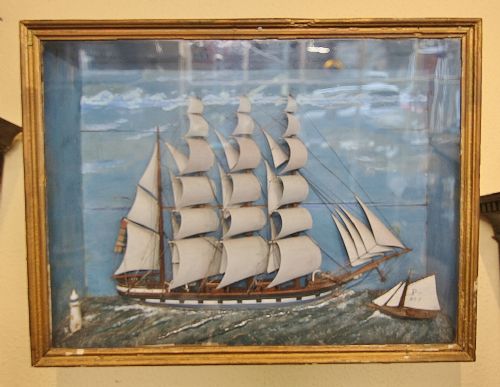
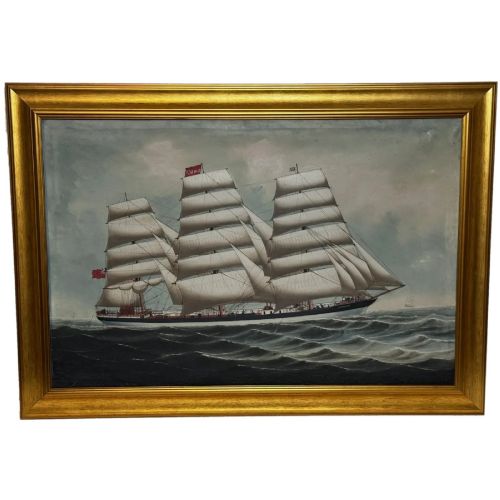
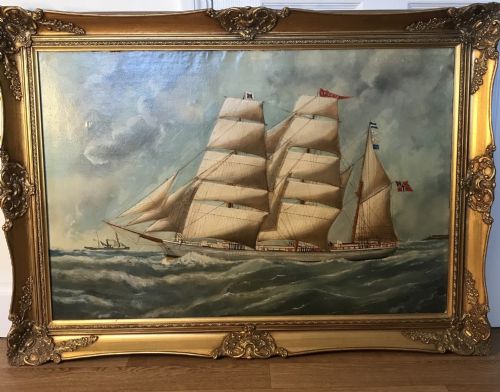
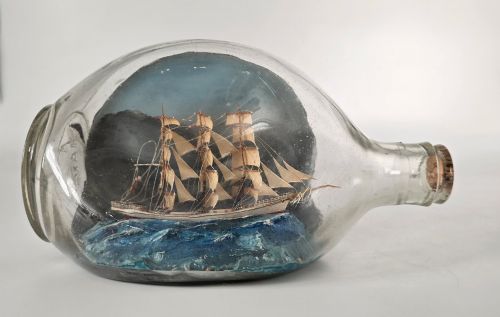
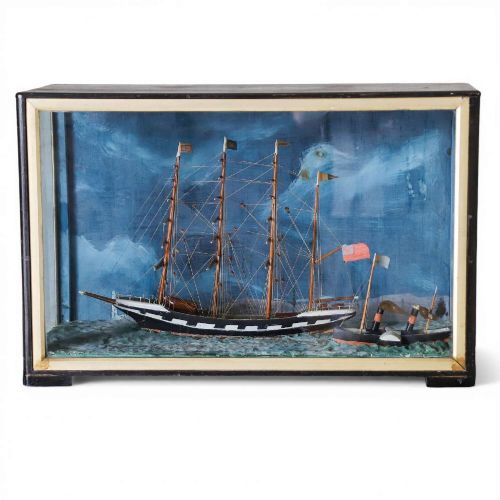
A three masted sailing ship search covers maritime folk art, oil paintings and decorative objects spanning the eighteenth to the twentieth centuries. Buyers encounter framed oil paintings alongside three dimensional dioramas, shadow boxes and detailed ship models encased in glass bottles.
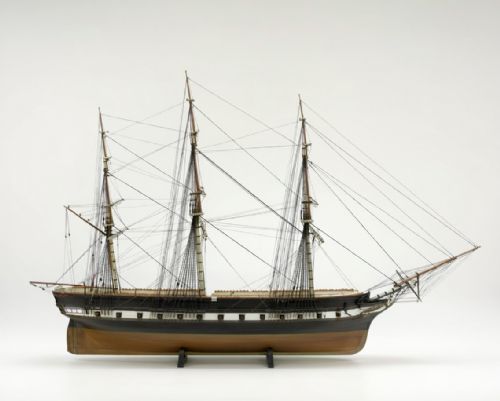
The selection ranges from early nineteenth century training models and scratch built barques to Edwardian schooners and coastal oil paintings. These pieces originate from maritime traditions where makers recorded naval vessels, barques and schooners with careful rigging and painted seascapes.
How they were made
Makers constructed these models and dioramas using carved wood, cotton rigging and painted plaster surfaces housed within glazed shadow boxes or glass bottles. Artisans built scratch models by hand, shaping hulls and masts to replicate real sailing vessels.
Painters recorded maritime scenes using oil on canvas, applying pigment to depict coastal waters, shipping channels and dramatic seascapes with giltwood framing.
Three Masted Sailing Ship Retail Price Guide 2026
Typical asking prices for three masted sailing ship among the pieces listed under this phrase on Sellingantiques today, from the lower quarter to the upper quarter. They describe what is for sale here now, not the wider market.
Listings feature works spanning the eighteenth, nineteenth and twentieth centuries, utilising wood, glass, oil on canvas and cotton rigging.
What varies in quality
Quality rests in the precision of the rigging, the proportion of the wooden hull and the depth achieved within dioramas and shadow boxes. Finer pieces demonstrate meticulous handwork in miniature, where thread rigging and painted backgrounds create a convincing sense of movement on the water.
In paintings, the handling of light on the water and the accurate depiction of nautical architecture distinguish accomplished marine artists from simpler folk art interpretations.
Reginald Arthur Borstel·Richard Ball Spencer
The Three Masted Sailing Ship Glossary
- Barque
- A sailing vessel with three or more masts having the fore- and mainmasts square-rigged and the mizzenmast fore-and-aft rigged. This rig appeared frequently in nineteenth-century marine art.
- Diorama
- A three-dimensional scene utilising painted backgrounds and miniature models to create perspective. Maritime examples place wooden ship models before painted seas.
- Schooner
- A sailing vessel characterised by fore-and-aft rigs on two or more masts. These agile vessels feature prominently in historical marine paintings.
- Shadow Box
- A deep, glass-fronted framed box designed to display three-dimensional objects. Nautical examples protect delicate model ships and dioramas from dust.
- Maritime Folk Art
- Decorative objects created by self-taught makers or sailors inspired by the sea. These items prioritize direct expression over formal academic training.
Three Masted Sailing Ship: Frequently Asked Questions
What is a marine diorama?
A marine diorama combines a carved wooden ship model with a painted backdrop inside a glass-fronted case to create a three-dimensional coastal scene.
These pieces were often made by sailors or folk artists to preserve the likeness of specific vessels.
How do I display a ship in a bottle?
A ship in a bottle requires a stable surface away from direct sunlight and dramatic temperature shifts to protect the glass and internal rigging.
Most pieces rest on fitted wooden stands designed to keep the bottle level.
Are these ship models historically accurate?
Training models and scratch-built pieces often reflect the exact proportions and rigging of real nineteenth-century vessels like barques and schooners.
Folk art interpretations focus more on decorative character than strict naval architecture.
How do I date a maritime oil painting?
Dating relies on the style of the vessel's rigging, the clothing of figures on shore, the canvas preparation and the framing methods.
Signatures and historical records attached to the canvas also help anchor the work to a specific period.