


Painted Ship Diorama
These painted ship diorama pieces bring maritime folk art and nineteenth century sailing vessels directly into your room inside glass-fronted cases.
Painted Ship Diorama
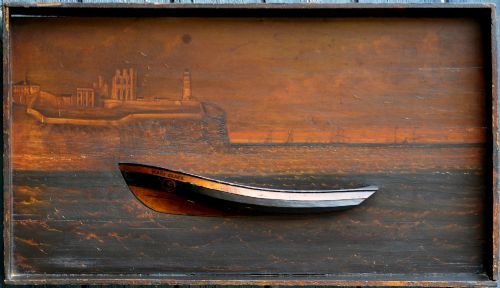
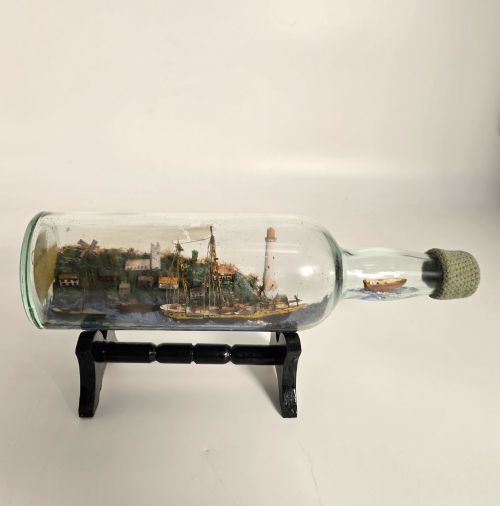
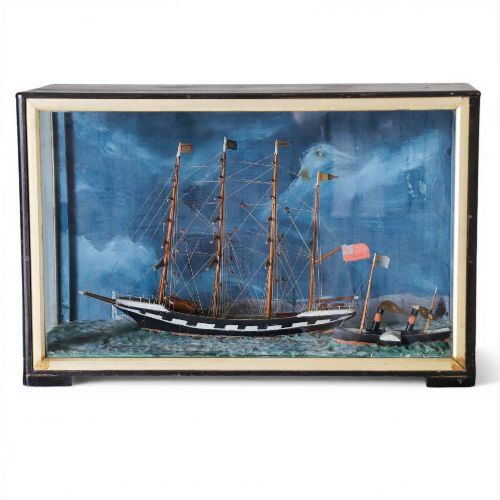
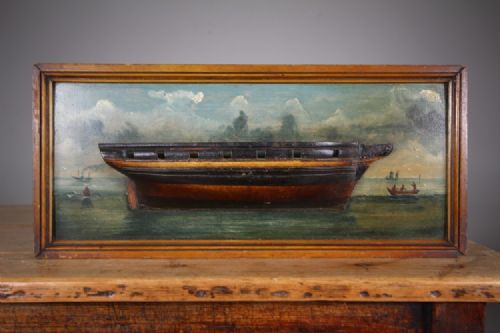
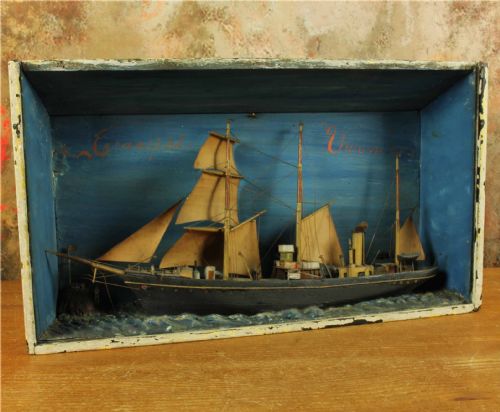
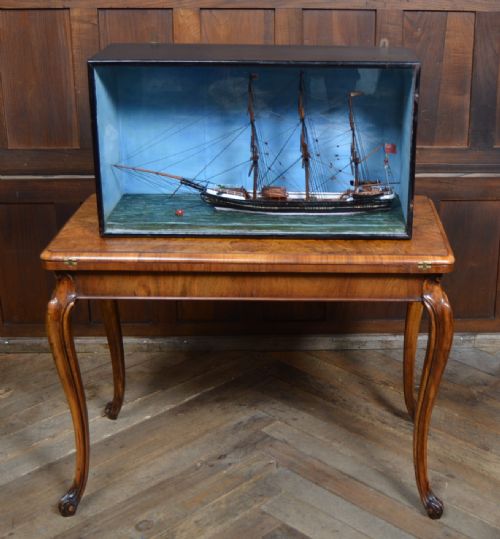
A painted ship diorama places a model vessel inside a shadow box or cased frame, backed by a flat painted sea and sky. When you search for a painted ship diorama, you find maritime folk art objects originating from the nineteenth century and the early twentieth century.
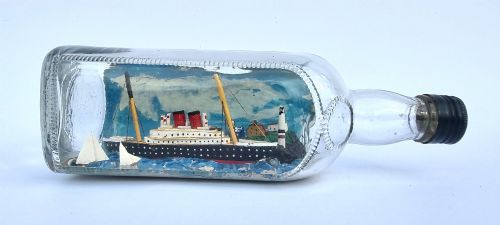
The versions you meet most often on this page take the form of wooden shadow boxes housing naive models of clippers, racing sailing vessels, and steam ships. These pieces combine carved and painted wooden hulls with canvas or fabric sails set against oil paint seascapes.
Makers built these displays to record specific vessels like The Hippolyta or general scenes of British and French maritime activity. They survive from periods including the Victorian era, eighteen sixty, nineteen twenty, and nineteen thirty.
Materials and construction
Artisans constructed these maritime pieces using wood, plaster, and putty to shape hulls, waves, and coastal details within a protective wooden box. They deployed oil paint on canvas or board to render deep seas and skies behind the model.
Makers added fabric and thread for rigging and sails, completing the scratch-built models entirely by hand. Glass panes front the boxes to protect the delicate elements from dust and damage.
Some makers used real sand and crushed shells mixed into the putty to give the painted sea a physical grit beneath the model hulls.
Quality differences in these maritime pieces
Quality rests in the precision of the model work and the depth of the painted backdrop. Finer examples show careful attention to rigging and hull shape rather than heavy, hurried application of plaster and putty.
The perspective within the shadow box separates standard folk art from superior pieces. Stronger makers created a genuine sense of distance between the vessel and the painted background.
The Painted Ship Diorama Glossary
- Diorama
- A three-dimensional scene enclosed in a case with a flat painted background. This arrangement creates an illusion of depth behind the physical model.
- Shadow Box
- A deep, glass-fronted wooden frame designed to display objects on a wall or shelf. It protects delicate folk art models from the room environment.
- Folk Art
- Objects created by self-taught or traditional makers outside academic traditions. These pieces reflect regional techniques and personal interpretation.
- Scratch-Built
- A model built entirely from raw materials rather than from a commercial kit. Makers shaped every component by hand.
Painted Ship Diorama: Frequently Asked Questions
What is a painted ship diorama?
A painted ship diorama is a cased maritime display featuring a handmade model ship set against a painted canvas background. These objects emerged from nineteenth and early twentieth century folk art traditions.
Makers enclosed the vessels in wooden shadow boxes fronted with glass to preserve the delicate rigging and oil paint surfaces from moisture and dust.
Where were these dioramas made?
These maritime pieces originated primarily in workshops across Britain and France during the Victorian period and subsequent decades. Sailors and coastal artisans constructed them as decorative objects.
Specific examples link back to locations such as Vienne in France or British coastal ports where shipping trades dominated local life.
How do I display a ship diorama?
These cased objects sit on sturdy shelves, mantelpieces, or hang directly on walls depending on the depth of the wooden box. Place them away from direct sunlight to protect the oil paint and fabric elements.
Keep the glass front clean with a dry cloth and avoid rooms with high humidity to protect the internal wooden components and plaster.
How do I tell periods apart?
Nineteenth century examples often feature naive wooden hulls and Victorian maritime styling, while pieces from nineteen twenty and nineteen thirty frequently incorporate steam ships or specific dated markers.
Materials also offer clues, as early pieces rely on hand-mixed oil paints and basic putties, whereas later boxes reflect changing domestic framing styles.