



Victorian Painted Sea Vessel
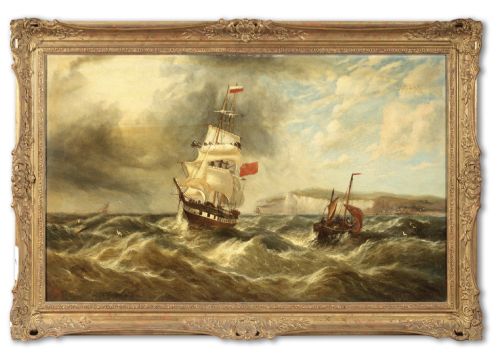
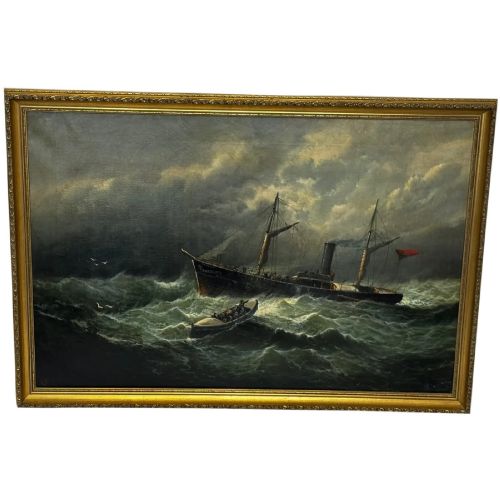
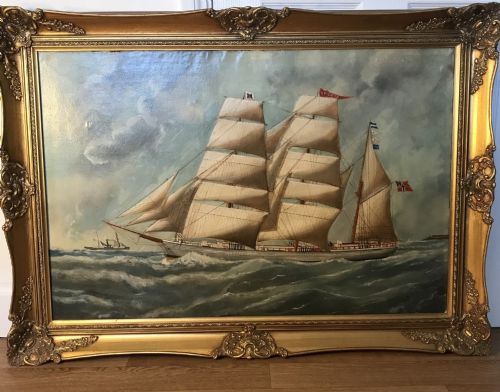
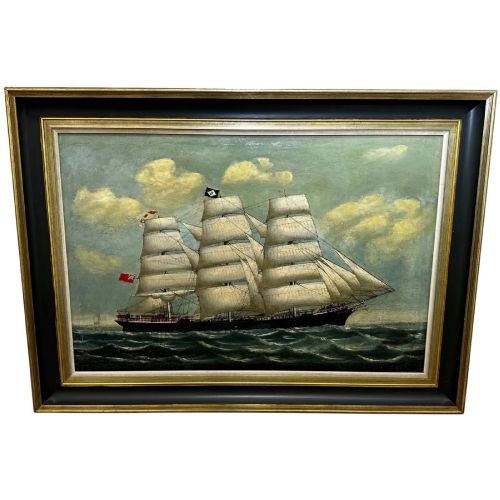
A Victorian painted sea vessel captures the drama of nineteenth century maritime life through skilled brushwork on canvas or paper.
Victorian Painted Sea Vessel
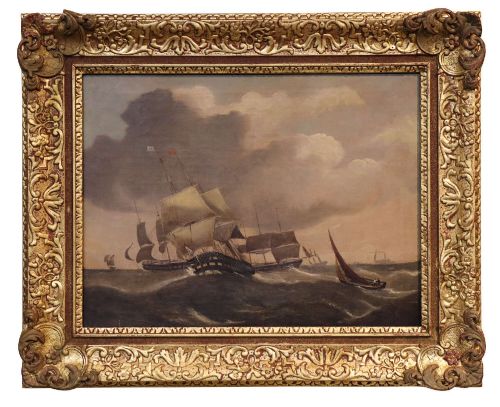
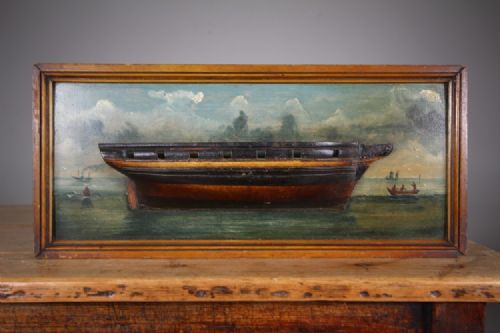
A Victorian painted sea vessel typically takes the form of an oil painting, watercolour, or cased maritime diorama depicting ships upon the water. These works portray named merchant ships, clipper ships, and local sailing vessels navigating coastal waters or heavy seas.
Most pieces date from the nineteenth century, ranging from mid Victorian depictions to later works produced around eighteen eighty. Buyers encounter framed paintings on canvas and paper, alongside dimensional dioramas housed in glass cases.
Materials and technique
Artists painted primarily with oil paint or watercolour upon stretched canvas or paper supports. Canvases received layers of pigment to capture the texture of rough water and the billowing canvas of square rigged ships.
Framing often utilised wood and giltwood, sometimes complemented by gold leaf accents. Dioramas incorporated carved wooden ship models combined with painted backdrops and glass enclosures.
Several artists captured the fierce roll of nineteenth century channel waters so vigorously that viewers almost require sea legs.
Factors of quality
Quality rests upon the artist's command of maritime architecture, rigging detail, and atmospheric conditions such as coastal light and choppy seas. Skilled painters render the exact proportions of hulls, masts, and sails with historical accuracy.
The sophistication of the medium and the preservation of the surface determine the distinction between standard decorative works and master marine art. Original frames and intact diorama glass contribute to the integrity of the piece.
John Rose Miles·William Broome·Bernard Benedict Hemy·Lai Fong·William Frederick Settle·Daniel Sherrin·George Gregory·Ebeneezer Colls·Gustave De Breanski·Joseph Heard·John Davison Liddell·WF Mitchell·V Dybdal·Samuel John Milton Brown·Richard Ball Spencer·George Stainton
The Victorian Painted Sea Vessel Glossary
- Barque
- A sailing vessel with three or more masts having the fore and mainmasts square rigged and the mizzenmast fore and aft rigged. This rig appeared frequently in nineteenth century commercial shipping.
- Clipper
- A very fast nineteenth century merchant sailing ship with a sharp bow and multiple sails designed for high speed cargo transport. Artists frequently recorded these vessels under full sail.
- Oil paint
- A slow drying paint made by mixing pigments with a drying oil such as linseed. This medium allowed artists to build rich textures for rolling waves and turbulent skies.
Victorian Painted Sea Vessel: Frequently Asked Questions
What subjects do these maritime paintings show?
The works display named merchant ships, clipper ships, rescue vessels, and local fishing boats operating in coastal waters or open seas.
Scenes often capture specific locations such as the Isle of Wight, Scottish coasts, or international shipping lanes during the nineteenth century.
How were maritime dioramas constructed?
Dioramas combine miniature carved wooden ship models with painted canvas backgrounds to create a convincing sense of depth.
Glass fronted wooden cases protect the delicate rigging and painted elements from dust and damage.
How do I distinguish watercolours from oil paintings?
Watercolours utilise thin layers of transparent pigment applied to paper, typically protected behind glass within an oak or gilt frame.
Oil paintings feature heavier pigment applied to stretched canvas, displaying visible brush texture and richer surface depth without glass coverings.
Where should I hang a marine painting?
These works suit traditional reception rooms, studies, or hallways where adequate wall space allows proper appreciation of the composition.
Avoid placing framed pieces in direct sunlight or damp environments to protect the canvas, paper, and wooden frames.