




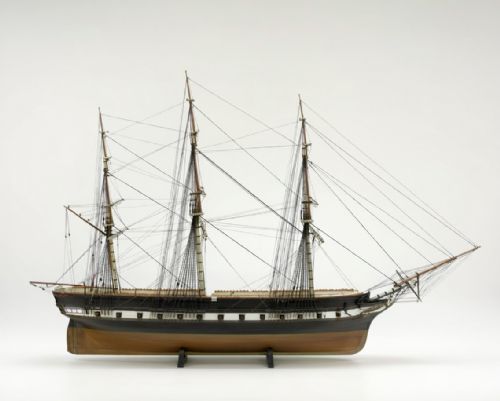
19th Century Boat Model
A 19th century boat model brings the intricate craftsmanship of historic maritime engineering directly into a room, offering a tangible connection to the seafaring past.
19th Century Boat Model
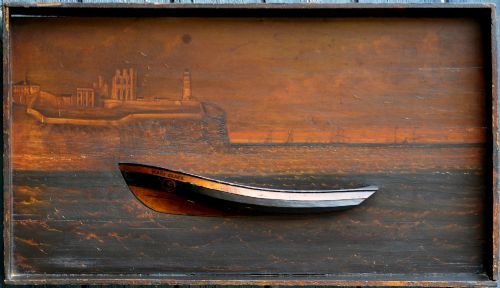
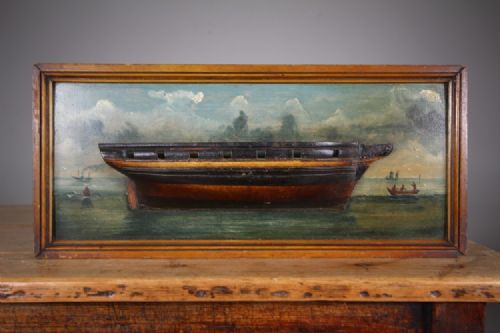
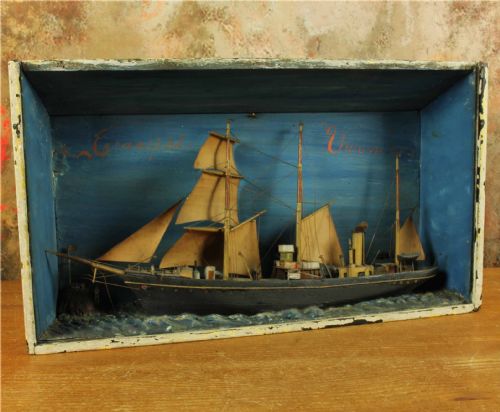
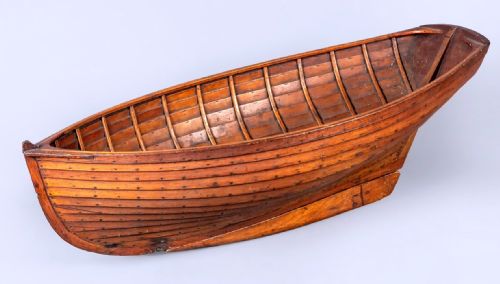
A 19th century boat model encompasses a diverse array of handcrafted maritime pieces, ranging from pond yachts and cradle boat hulls to detailed shipwright's half hull models. Buyers searching this phrase encounter everything from scratch-built ketch-rigged pond yachts to complex maritime dioramas housed in shadow boxes and bottles.
Forms span across full hull sailing boats, luxury yacht sculptures mounted on marble bases, and training models like the HMS Daedalus. This variety means collectors can find simple carved pine scull boats alongside elaborate multi-masted vessels.
How they were made
Makers utilised traditional woodworking techniques, carving hulls from timbers such as sycamore, pine, and yew, often employing carvel construction for pond yachts. Rigging was meticulously assembled using thread and cordage, whilst brass hardware and glass protected enclosed dioramas.
Folk art and indigenous examples incorporated distinctive regional materials, including tanned seal skin and bone utilised by Inuit artisans to shape figures and kayaks. Hand-applied paint finishes provided realistic waterlines, hull colours, and deck details across the varied models.
Some nineteenth century makers even sent miniature sailors to sea inside glass bottles and carved bone prisoner of war boxes.
What varies in quality
The standard of execution depends heavily on the precision of the scale and the intricacy of the rigging or internal diorama scenes. Scratch-built examples demonstrating careful attention to architectural detail stand apart from simpler decorative objects.
Material selection and the preservation of original surfaces heavily influence the desirability of a piece. Original paintwork, authentic components like brass fittings, and intact display cases or bottles indicate superior craftsmanship and historical integrity.
The 19th Century Boat Model Glossary
- Half hull model
- A model representing one side of a ship's hull, traditionally used by shipwrights to visualise vessel design and hull form. These were often mounted on wooden boards for display.
- Maritime diorama
- A three-dimensional display enclosing a model boat within a shadow box or glass case, frequently featuring painted canvas backgrounds to simulate the sea.
- Carvel hull
- A boat building method where planks are laid edge-to-edge flush against a supporting frame, creating a smooth exterior surface seen on scale pond yachts.
- Pond yacht
- A sailing model designed specifically to be sailed on open water ponds, possessing functional keels and rudders for balance.
- Scratch-built
- A model constructed entirely from raw materials and individual components rather than assembled from a commercial kit.
19th Century Boat Model: Frequently Asked Questions
What is a ship diorama?
A ship diorama presents a model boat enclosed within a framed shadow box or glass case, often accompanied by painted canvas or sculpted materials representing the sea.
These pieces were created to give a realistic impression of a vessel underway, protecting the delicate rigging from dust and damage while displayed in a home or office.
How were pond yachts used?
Pond yachts were functional sailing models released onto park ponds and lakes during the nineteenth century, designed to sail across the water independently.
Owners tuned the sails and rudders so the boat would maintain a course to the opposite shore, combining outdoor recreation with fine scale modelling.
What is a half hull model?
A half hull model shows only one side of a boat's body, split longitudinally from bow to stern, mounted onto a flat wooden backboard.
Shipbuilders used these dimensional studies in the design process to test hydrodynamics and aesthetic lines before committing to full-scale construction.
How do I display a boat model?
Displaying a boat model safely involves placing it on a stable surface away from direct sunlight and fluctuating humidity, which can warp wood or degrade thread rigging.
Enclosed pieces in shadow boxes or bottles require minimal maintenance, whilst open deck models benefit from gentle dusting with a soft brush.