




Victorian Marine Wall Art
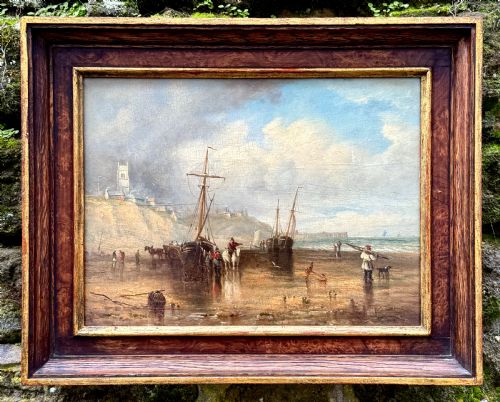
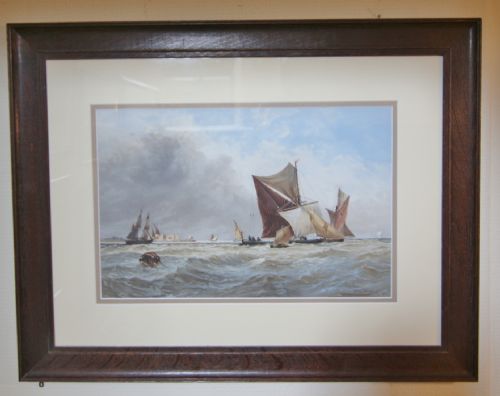
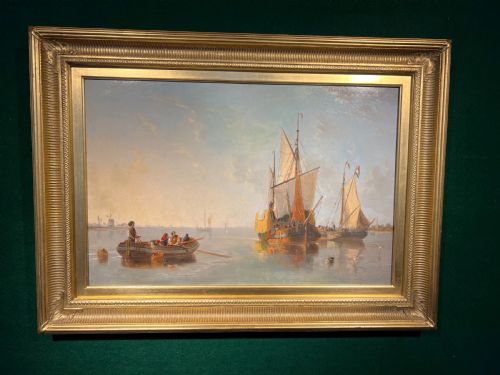
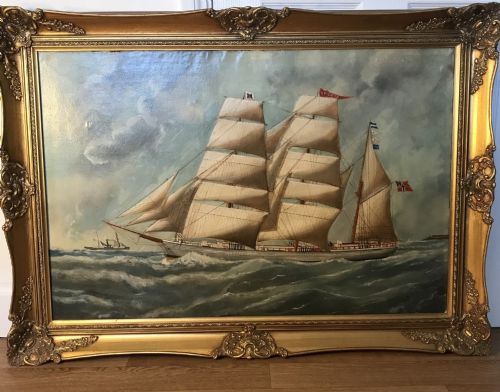
Victorian marine wall art captures the grit and grandeur of nineteenth-century maritime life through period oil paintings, watercolours, and shadow boxes.

Victorian Marine Wall Art
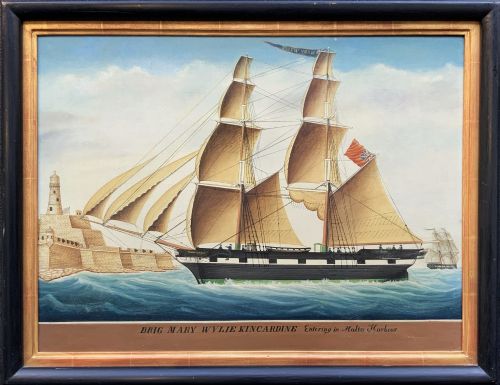
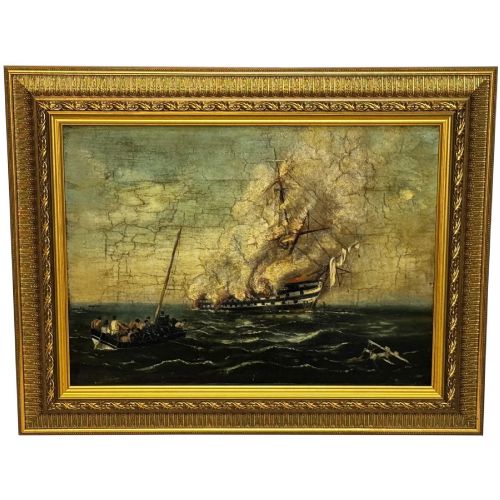
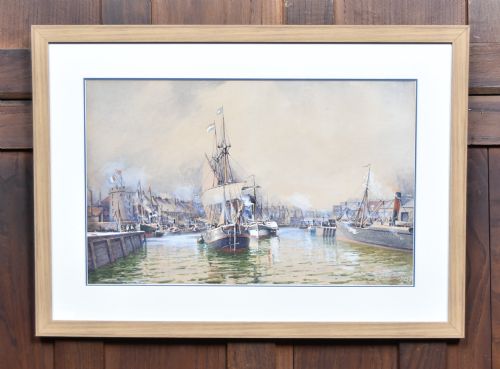
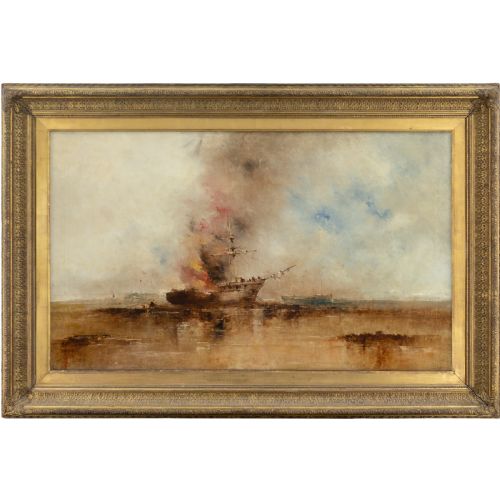
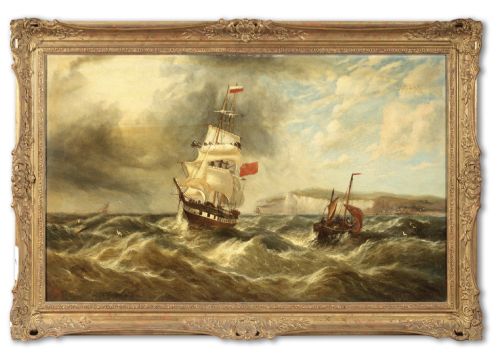
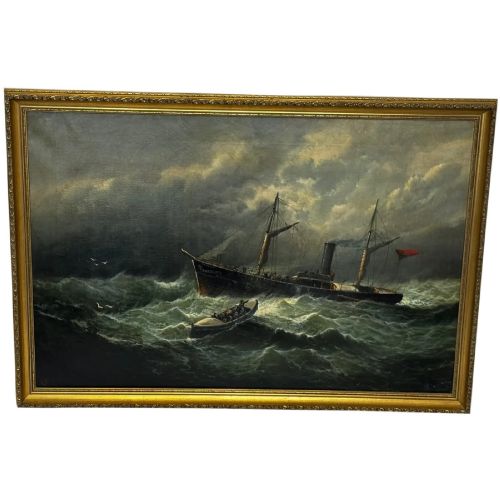
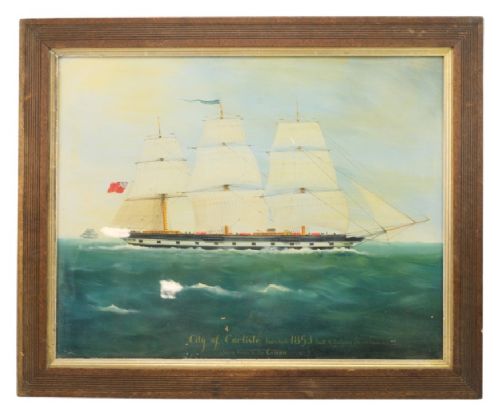
When searching for victorian marine wall art, buyers encounter a rich array of nineteenth-century oil paintings, delicate watercolours, and detailed three-dimensional dioramas. These pieces record bustling harbour scenes, merchant ships in rough seas, and coastal fishing boats from periods spanning the 1860s to 1900.
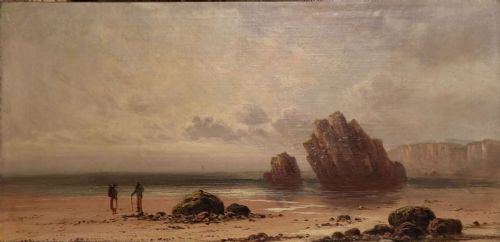
The selections on this page lean heavily towards traditional British and European coastal subjects, depicting specific locations from Brighton Beach to the River Thames. Collectors frequently find works attributed to named artists alongside evocative pieces from the English school.
Forms range from intimate framed watercolours on paper to large canvas oil paintings framed in giltwood. Maritime shadow boxes and dioramas add physical depth, presenting miniature sailing ships and clippers under glass.
Materials and construction
Three-dimensional pieces such as dioramas incorporated carved wooden ship models, paper elements, and glass fronting to protect the intricate rigging of clippers and steam barges. These varied material layers give the wall art its lasting structural depth.
The inventory spans the Victorian era up to the 1930s, encompassing fine art and maritime dioramas.
Distinctions in quality
Quality rests upon the artist's command of maritime atmosphere, anatomy of shipping, and handling of light upon water. Stronger works display precise draughtsmanship in the rigging of three-masted schooners and accurate depiction of coastal topography.
The integrity of the original framing, particularly period giltwood surrounds, elevates a piece. Condition of the paper in watercolours and stability of the canvas in oil paintings further differentiate standard decorative examples from accomplished fine art.
James Orrock·William McAlpine·Edward Mills·William Banks Fortescue·John Rose Miles·William Broome·Thomas Creswick·TB Hardy·John Wilson Carmichael·Nicholas Condy·Richard B Spencer·William Henry Williamson·Bernard Benedict Hemy·George Stanfield Walters·Abraham Hulk I·John Moxon·William Frederick Settle·Alfred George Morgan·Charles William Wyllie·Charles William Adderton·Thomas Bush Hardy·Daniel Sherrin
The Victorian Marine Wall Art Glossary
- Diorama
- A three-dimensional scene enclosed in a box with a glass front. These marine examples use carved wooden models and painted backgrounds to depict ships in full sail.
- Seascape
- A work of art depicting the sea, coastal views, or marine shipping. These span broad ocean vistas and sheltered harbour scenes.
- Giltwood
- Wood carved and coated with a thin layer of gold leaf or gold paint. It forms the decorative frames common on nineteenth-century paintings.
- Barque
- A sailing vessel with three or more masts. The term appears frequently in nineteenth-century shipping titles.
- Provenance
- The documented history of ownership or attribution of an artwork. It helps establish the authenticity of signed nineteenth-century paintings.
Victorian Marine Wall Art: Frequently Asked Questions
What subjects appear in victorian marine wall art?
These works primarily feature British and European coastal scenes, merchant ships, fishing boats, and naval vessels. Common settings include harbours, estuaries, and open seas in varying weather conditions.
Scenes range from tranquil river anchorages to dramatic rescues and vessels navigating rough coastal waters.
How do oil paintings and watercolours differ?
Oil paintings utilise pigment suspended in drying oil on canvas, offering rich colour depth and textured brushwork. Watercolours employ water-soluble pigments on paper, creating lighter, translucent effects.
Oils generally suit larger, dramatic coastal views, whereas watercolours capture delicate atmospheric effects.
What is a maritime diorama?
A maritime diorama is a shadow box containing a model ship set against a painted coastal or open sea background. The construction creates a three-dimensional view under glass.
These pieces often depict named clippers or barques with detailed rigging and miniature hulls.
How should these pieces be displayed?
Wall art from this period requires placement away from direct sunlight to protect watercolours and oil pigments from fading. Stable indoor humidity prevents warping in wooden frames and dioramas.
Original giltwood frames benefit from gentle dusting without chemical cleaning agents.