
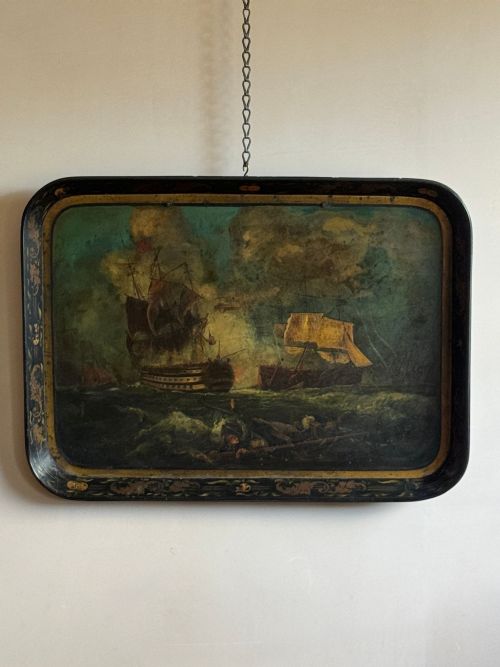


19th Century Naval Art
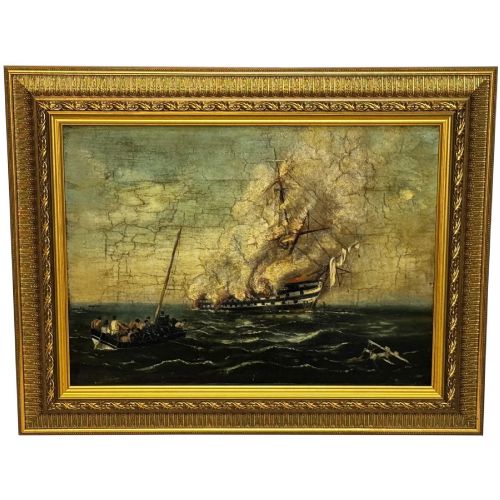
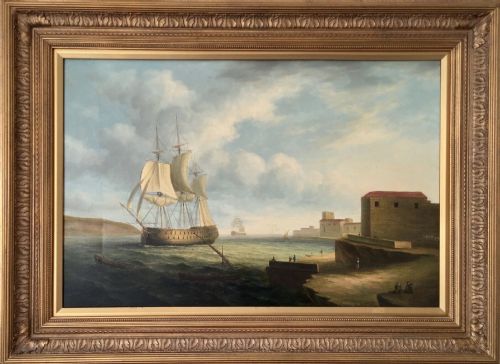
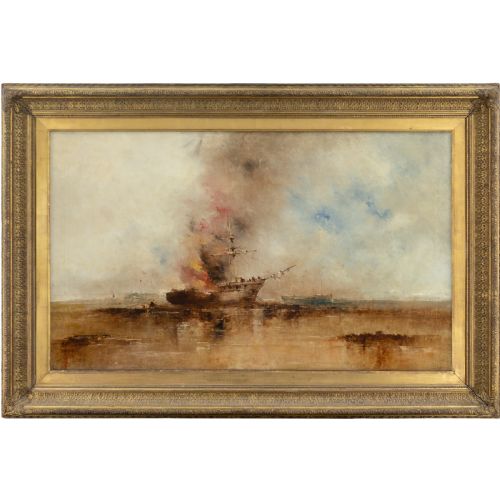
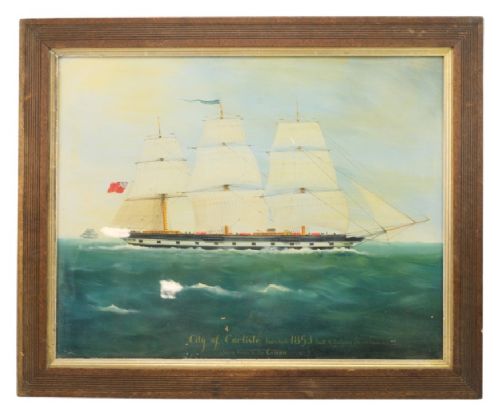
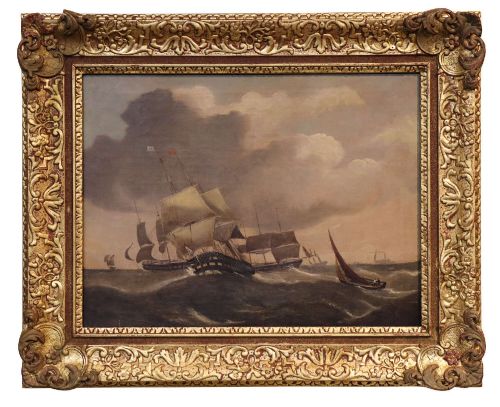
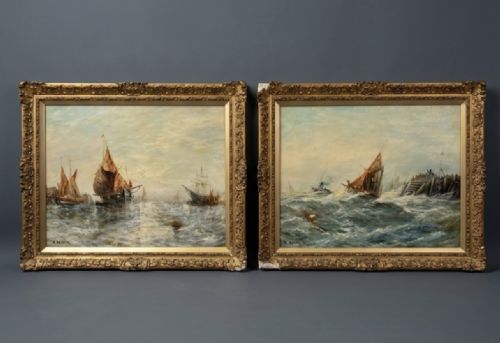
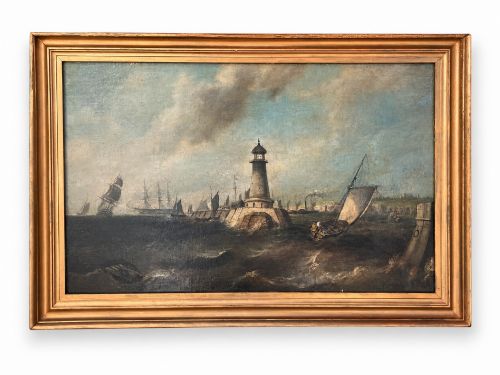
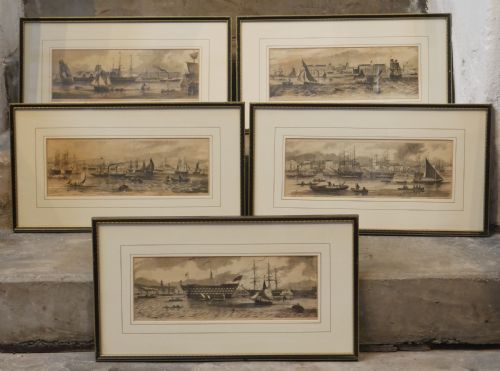
These pieces of 19th century naval art capture the power of historic warships and maritime life through oil paintings, watercolours, and folk objects.

19th Century Naval Art
When you search for 19th century naval art, you encounter a diverse range of maritime works documenting ships, officers, and coastal scenes. The selection on this page relies heavily on oil paintings on canvas and board, alongside delicate watercolours and traditional sailor woolies.
The periods span from the Regency era through the Victorian age, capturing historical vessels like clipper ships, royal yachts, and naval war galleons. You will frequently find framed paintings depicting specific engagements, harbour scenes, and portraits of naval officers.
Materials and methods of creation
Artists of this period utilised oil on canvas or panel to capture the turbulent motion of heavy seas and the intricate rigging of three-masted schooners. Watercolours on paper offered a swift medium for detailed depictions of uniforms, individual officers, and coastal viewpoints.
Craftsmen and sailors also worked in wood, glass, and textiles, producing carved chests, detailed ship models housed inside glass bottles, and embroidered woolies. Frames were typically fashioned from giltwood or pine to house these maritime scenes.
Listings feature works from the Regency, Victorian, and early 20th century periods, executed in oil, watercolour, lithograph, and embroidered wool.
Distinctions in execution and provenance
Quality in these works rests upon the precision of the maritime draughtsmanship and the artist's ability to render naval architecture accurately. Pieces by named painters or attributed to recognised circles demonstrate superior handling of light, water, and atmospheric conditions.
The depth of historical context also separates standard decorative items from significant works. Pieces tied to documented vessels, named naval officers, or specific historical events carry greater documentary weight.
Nicholas Condy·Charles William Adderton·Marie Edouard Adam·William Langley·WF Mitchell
The 19th Century Naval Art Glossary
- Woolie
- A traditional embroidery created by sailors using coloured wool yarns to depict ships at sea. These textile pieces often combine various stitch types to create texture in the waves and sails.
- Giltwood
- Wood that has been coated with a thin layer of gold leaf or gold paint. This finish frequently appears on the decorative frames enclosing period marine paintings.
- Japanned
- A European imitation of East Asian lacquerwork achieved by applying multiple layers of dark varnish. This technique was used to decorate functional items like papier-mâché trays.
- Man-of-war
- A powerful armed warship belonging to a royal navy during the sail and early steam periods. These vessels are central subjects in many historical combat paintings.
- Provenance
- The documented history of ownership surrounding a work of art or antique object. Strong provenance helps verify the authenticity and historical context of naval portraits.
19th Century Naval Art: Frequently Asked Questions
What subjects appear most often in 19th century naval art?
The works commonly feature named warships, clipper ships under full sail, coastal harbour scenes, and formal portraits of naval officers. Artists also documented royal fleets, naval reviews at Spithead, and historical engagements.
Alongside traditional canvas paintings, you will encounter sailor-made crafts such as wool embroidery pictures, carved flasks, and detailed ship models enclosed within glass bottles.
How do you identify a woolie embroidery?
Woolies are textile pictures stitched entirely or primarily in wool yarn by sailors during long sea voyages. They typically depict sailing ships framed against textured, padded fabric backgrounds representing the sea and sky.
These handmade pieces showcase varied stitching techniques to render the ship's rigging, pennants, and hull with remarkable decorative detail.
What is a seaman's chest?
A seaman's chest is a sturdy wooden box utilised by sailors to store personal belongings aboard ship during long voyages. They were often constructed from pine and occasionally decorated with painted maritime emblems or patriotic inscriptions.
Surviving examples reflect utilitarian maritime storage that doubled as a personal trunk for sailors travelling across global trade and naval routes.
How should I display maritime watercolours?
Watercolours on paper require careful placement away from direct sunlight to prevent the pigments and paper support from fading. Framing under UV-filtering glass helps protect these delicate works from environmental degradation.
Maintaining stable indoor humidity levels prevents warping of the paper and preserves the integrity of the original gilt or wooden frames.