
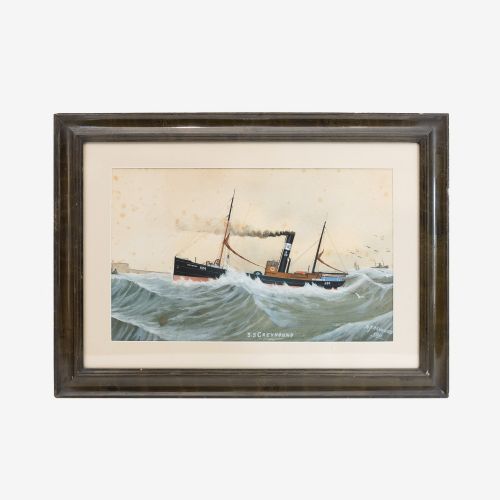


Antique Steamship Artwork
These pieces of antique steamship artwork capture the iron and smoke of maritime history through the hands of period painters.

Antique Steamship Artwork
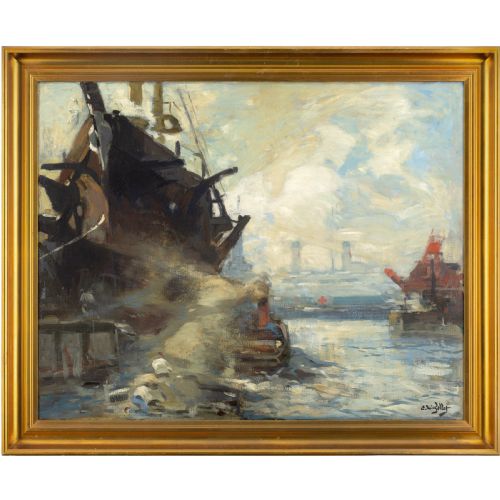
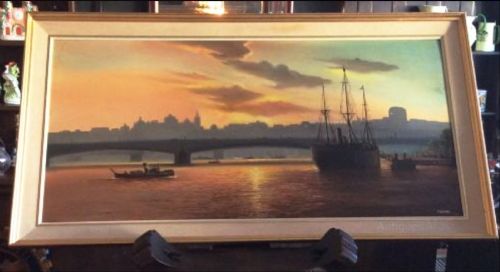
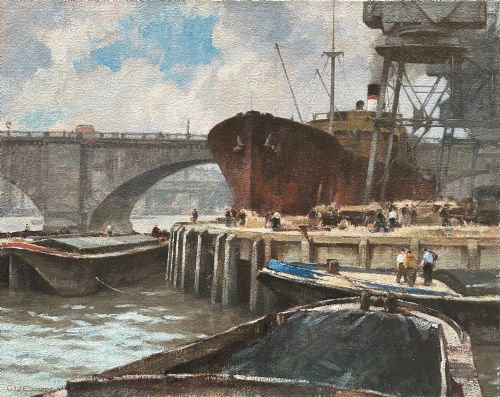
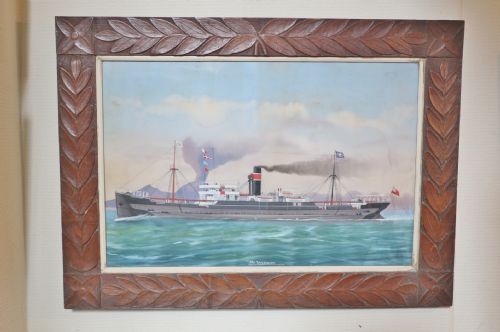
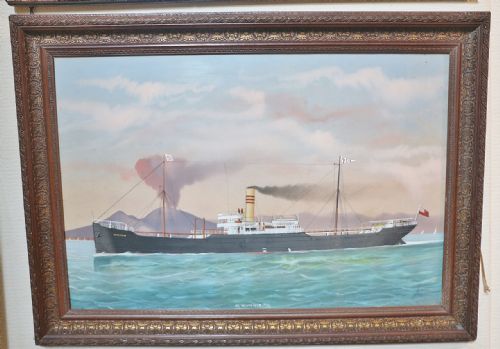
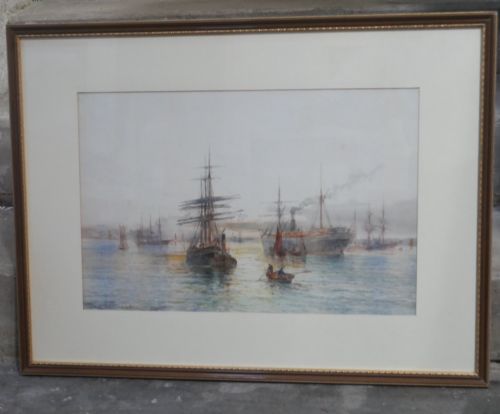
When you search for antique steamship artwork, you encounter visual records of vessels driven by coal and steam from the nineteenth and twentieth centuries. These works document specific ships, naval vessels, and commercial liners at sea or in busy river ports.
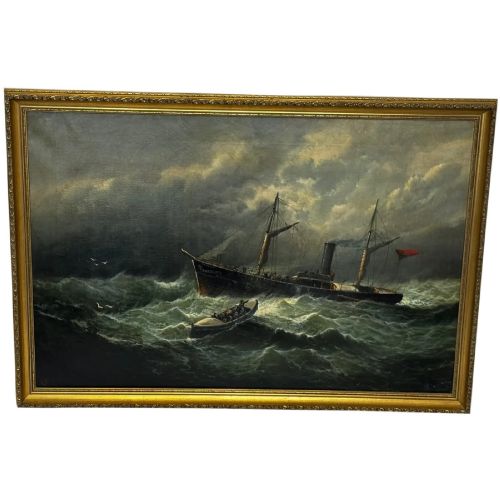
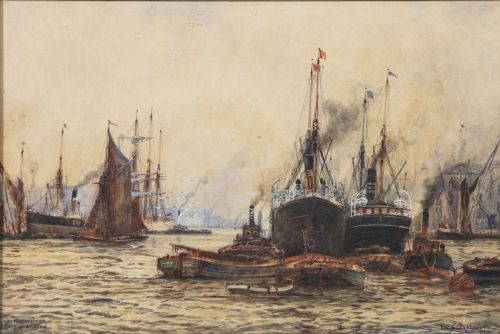
The most common examples on this page are oil paintings and watercolours on paper or canvas, capturing named vessels like the SS Bregonian and RMS Queen Mary. Artists of the period recorded these iron and steel hulls navigating coastal waters, foreign piers, and bustling domestic rivers.
Pieces range from intimate watercolours of London's Pool to large oil paintings of liners in heavy seas, reflecting the maritime output of the Edwardian era and the nineteenth century.
Materials and Technique
Artists relied primarily on oil paints applied to canvas or wood panels, alongside watercolours and gouache on paper, to capture the atmosphere of industrial shipping. Oils provided the depth needed for dark hulls, heavy smoke, and turbulent grey water.
Paper and canvas supports often sit within period frames of wood and gilt, preserving the works much as they appeared when first exhibited or hung in shipping offices. Some pieces incorporate gouache highlights to give metallic sheen to funnels and water spray.
Several watercolours still smell faintly of old sea salt and Edwardian tobacco smoke.
Judging Quality in Maritime Art
Quality rests in the painter's command of maritime architecture and the movement of water, separating stiff vessel portraits from works with genuine atmosphere. Skilled hands rendered rigging, steam, and sea swell with precise tonal control rather than rigid formula.
Provenance and documentation also separate works, as paintings that name specific vessels, builders, or historical expeditions carry greater documentary weight. The strength of the composition and the condition of the original canvas or watercolour paper further define the standard of the piece.
Eugène-Louis Gillot·William Broome·Frank William Scarbrough·Alexander Harwood·Charles William Wyllie·Ernest Dade·James Scrimgeour Mann·Johan Jens Neumann
The Antique Steamship Artwork Glossary
- Watercolour
- A paint consisting of colour suspended in a water-soluble binder, widely utilised by marine artists for rapid studies and finished harbour scenes on paper.
- Gouache
- An opaque watercolour paint containing white pigment, used by artists to add highlights of light and solid body to paper works.
- Oil on Canvas
- A traditional painting medium utilising pigments bound in drying oil, stretched across a wooden frame to provide a durable and textured surface for large marine scenes.
- Pierhead Painting
- A specific genre of ship portraiture commissioned to record merchant vessels, often executed by local artists working near major ports.
- Maritime Art
- Artwork that depicts or draws inspiration from the sea, ships, boats, and coastal views, encompassing both commercial steamships and naval vessels.
Antique Steamship Artwork: Frequently Asked Questions
What is antique steamship artwork?
These works are period paintings, watercolours, and illustrations depicting steam-powered vessels from the nineteenth and early twentieth centuries. They record merchant ships, passenger liners, and naval vessels at sea or in port.
Created by contemporary marine artists, the pieces serve as historical documents of the shift from sail to steam alongside traditional artistic records of maritime trade and travel.
How were these paintings used?
Many ship portraits were commissioned by shipping lines, captains, or shipowners to hang in offices and private homes as a record of a specific vessel. Other works were produced by professional artists for public exhibition and sale.
Watercolours and sketches often served as direct observations made from docksides or aboard ships, capturing the daily traffic of busy waterways like the River Thames.
How do I date a steamship painting?
Dating relies primarily on the style of the vessel, the construction details of the steamship, and recorded dates in the artist's known working period. Funnel designs, rigging, and superstructure changes help narrow down the decade.
Signatures, artist dates, and framing materials also provide clues, alongside written inscriptions on the reverse of canvases or paper sheets indicating the name of the ship and the year.
How do I care for antique maritime art?
Protect works on paper and canvas from direct sunlight to prevent watercolour fading and oil paint degradation. Maintain stable room humidity to avoid warping wooden stretchers or cockling paper.
Keep framed pieces away from excessive moisture and heat sources, and consult a professional conservator before attempting any cleaning of aged varnishes or fragile paper surfaces.