






Victorian Marine Seascape
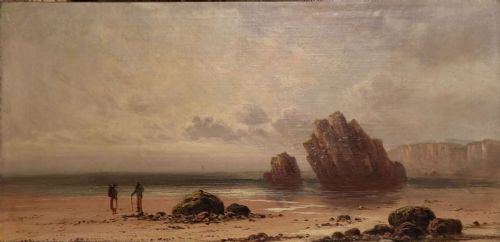
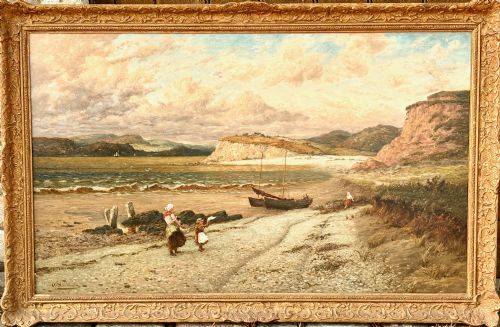
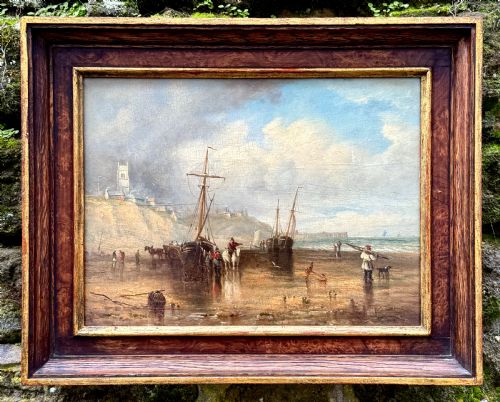
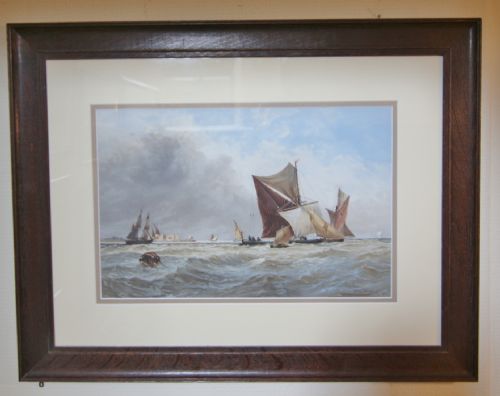
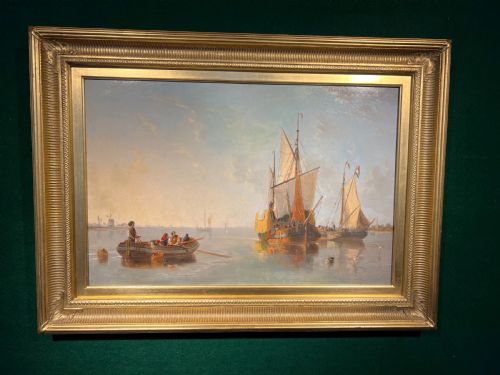
A victorian marine seascape captures the dramatic power of the nineteenth-century coastal and maritime world through oil and watercolour.
Victorian Marine Seascape
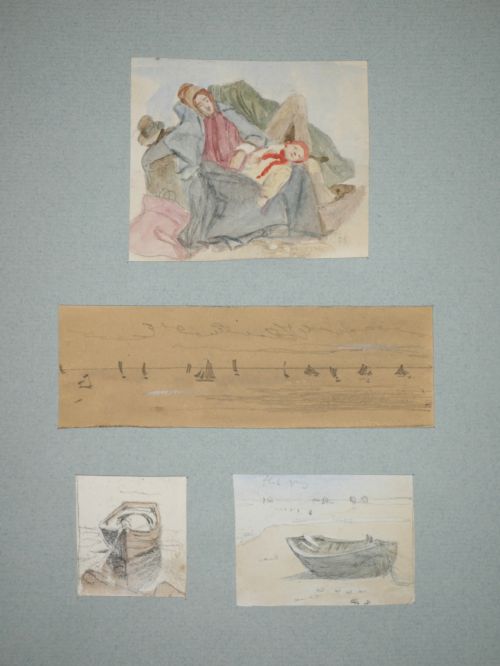
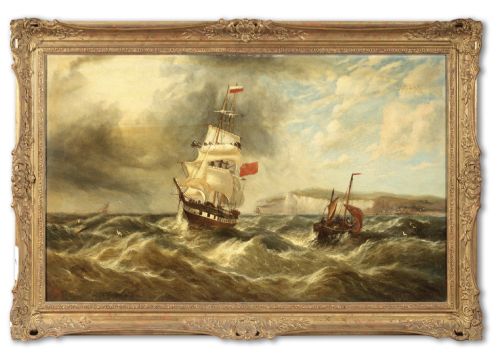
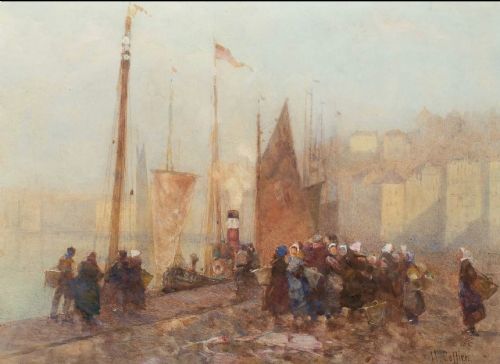
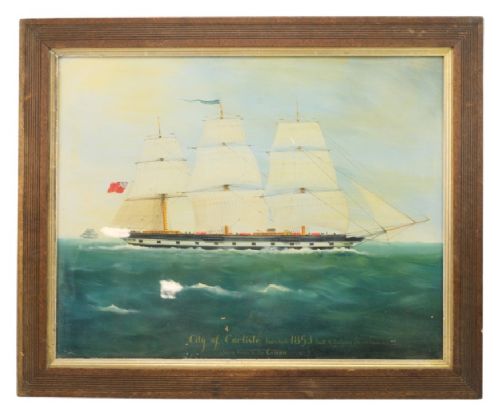
A victorian marine seascape records the vital maritime industry, coastal trade and turbulent waters of the nineteenth century. These works range from grand depictions of merchant ships and naval vessels to intimate watercolours of local fishing boats returning to harbour.
Buyers will most frequently encounter nineteenth-century oil paintings on canvas and board alongside detailed works on paper. These pieces often focus on recognisable British and European ports, estuaries and coastal landmarks.
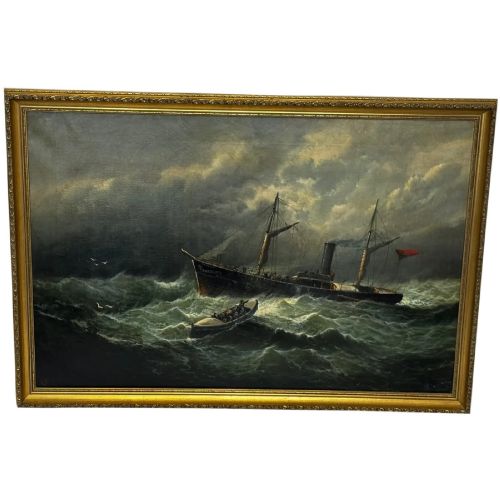
The subjects span from tranquil river scenes along the Thames to perilous squalls off rocky shores. Artists of the period observed atmospheric weather conditions closely, translating maritime activity into enduring visual records.
How They Were Made
Painters utilised oil paint on stretched canvas or wooden board to build rich textures and deep tones for dramatic water and stormy skies. Watercolours on paper offered a swift medium for capturing fleeting coastal light and atmospheric harbour views.
Original frames executed in gilt wood often completed these works, enhancing the visual depth of the maritime subject matter. Artists layered pigments carefully to render the translucent qualities of sea spray and the heavy timber of sailing ships.
Listings feature works created across the nineteenth century, utilising oil paint, watercolour, canvas, paper and gilt wood frames.
What Varies in Quality
The success of a piece rests upon the artist's command of atmospheric perspective, accurate vessel rigging and dynamic water movement. Master painters achieved a convincing sense of weight and motion in heavy seas, whereas lesser hands produced stiff, formulaic waves.
Compositional balance and the subtle handling of coastal light distinguish standard archival records from exceptional works of fine art. The precision of architectural details on ships and harbour structures further separates accomplished practitioners from casual observers.
James Orrock·James Smetham·William McAlpine·Edward Mills·William Banks Fortescue·John Rose Miles·William Broome·Hector Caffieri·Bernard Benedict Hemy·Thomas Creswick·TB Hardy·John Wilson Carmichael·Lai Fong·Joseph Farquharson·John Moore of Ipswich·Nicholas Condy·William Henry Williamson·John Holland·George Stanfield Walters·Abraham Hulk I·Henry Barlow Carter·John Moxon·William Frederick Settle·Charles William Wyllie·Charles William Adderton
The Victorian Marine Seascape Glossary
- Seascape
- A painting, drawing or other work of art that depicts the sea, coastal views or maritime activities. These works frequently focus on weather effects and shipping.
- Watercolour
- A paint consisting of pigment suspended in a water-soluble binder, traditionally applied to paper. It allows for transparent washes of colour ideal for skies and water.
- Oil on Canvas
- A technique involving pigments bound in drying oils applied to a woven fabric support. This medium permits rich colour blending and substantial surface texture.
- Gilt Wood
- Wood carved and treated with a thin layer of gold leaf or metallic gilt finish. Such framing enhances the appearance of nineteenth-century paintings.
- Maritime Art
- Fine art that depicts ships, harbours, naval battles or coastal scenes. This genre documents the global trade and naval power of the period.
Victorian Marine Seascape: Frequently Asked Questions
What subjects appear in these paintings?
These works depict busy harbours, merchant sailing ships, fishing boats and dramatic coastal rescues along nineteenth-century shores. Painters recorded specific locations across Britain and Europe, capturing everyday maritime labour alongside grand naval vessels.
Scenes range from calm coastal anchorages to violent storms on the open sea. Artists documented the shifting trades of the era through detailed depictions of schooners, clippers and river traffic.
How do I identify the period?
Nineteenth-century paintings often display specific rigging styles, vessel types and costume details that correspond to Victorian maritime history. Canvas types, framing methods and period signatures provide additional context for dating.
Written inscriptions on the reverse of the canvas or board frequently name the vessel, artist or specific coastal location. Stylistic markers such as nineteenth-century Impressionist techniques also help narrow the timeframe.
How should I care for these works?
Keep works on paper and canvas away from direct sunlight to prevent the fading of watercolours and oil pigments. Stable indoor humidity levels protect both wooden panels and fragile paper supports from warping.
Display paintings in rooms with minimal temperature fluctuations to preserve the integrity of the original gilt wood frames and canvas tension. Professional conservation ensures the longevity of delicate nineteenth-century media.
Where were these artists active?
Victorian marine artists worked across major British and European ports, coastal colonies and active fishing communities. Many painters travelled extensively to capture authentic maritime traffic along rivers like the Thames and busy harbours in Cornwall and Scotland.
Local maritime hubs provided endless inspiration for painters observing coastal trade, boat building and daily seafaring life. Exhibitions in major cities displayed these regional works to a growing Victorian audience.