



Victorian Marine Artwork Painting
When you search for victorian marine artwork painting, you find historical depictions of ships, harbours, and coastal scenes rendered in oil and watercolour.
Victorian Marine Artwork Painting
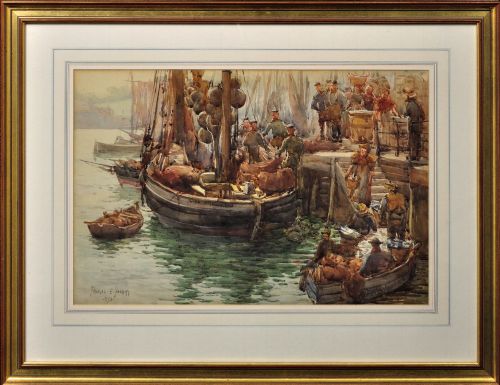
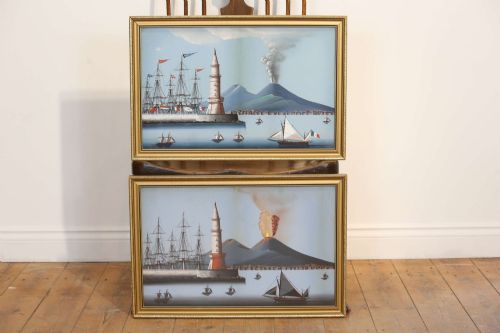
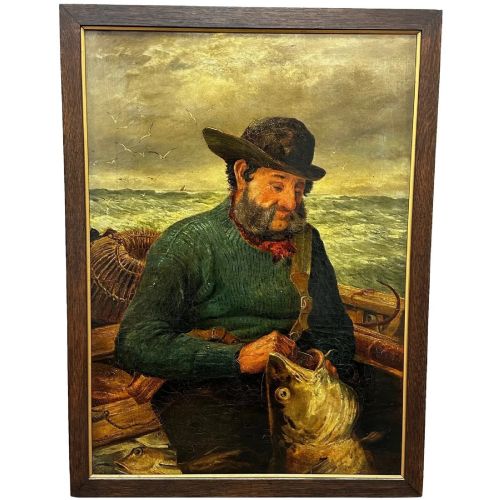
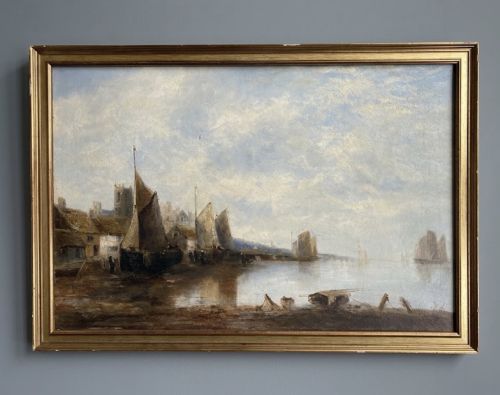
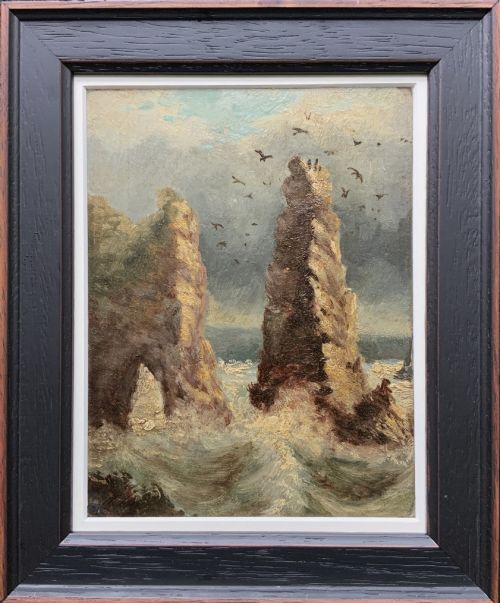
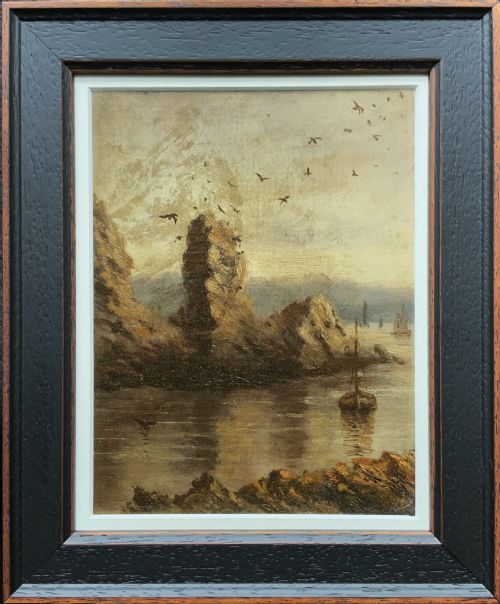
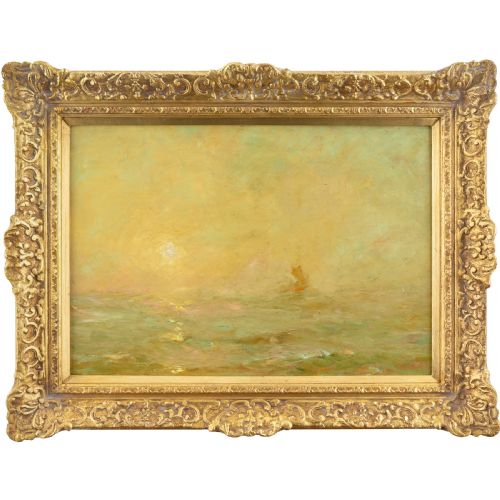
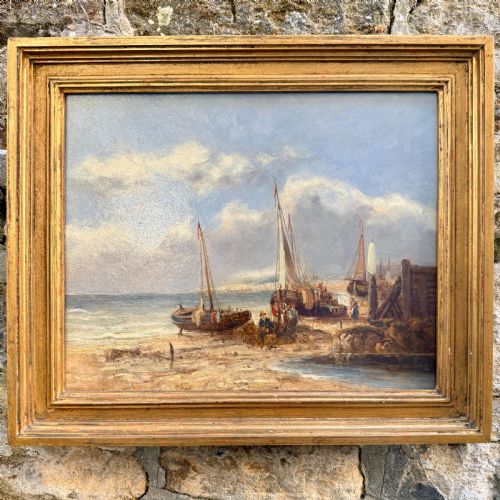
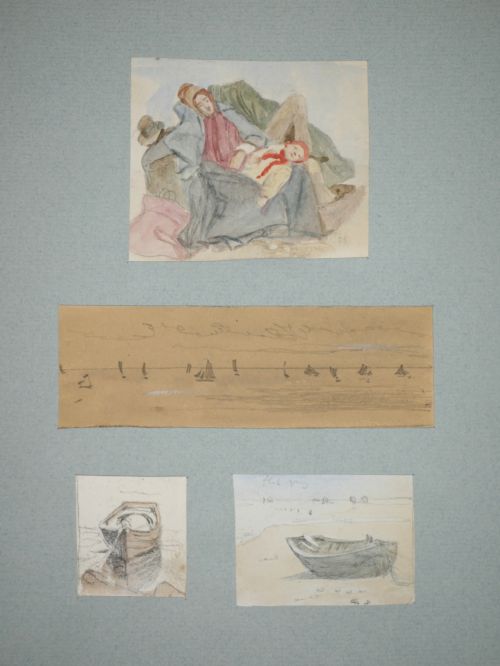
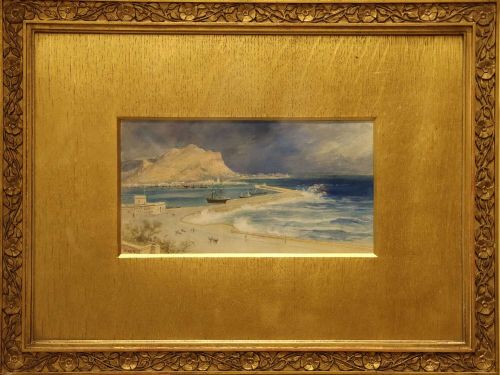
Victorian marine artwork painting captures the maritime life, naval vessels, and rugged coastlines of the nineteenth century through the eyes of period artists. These works frequently depict specific ships, local fishing fleets off harbour walls, and dramatic coastal views ranging from Cornwall to Malta.
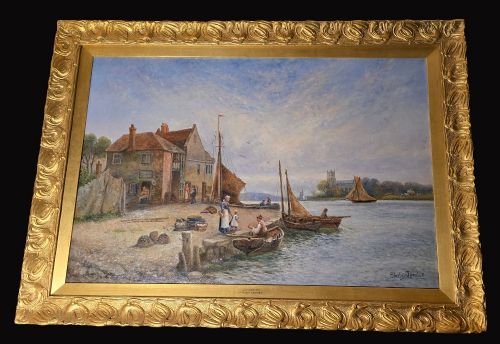
The versions most commonly met on this page are oil paintings on canvas and delicate watercolours on paper. Many are housed in their original gilt wood and gesso frames, retaining the authentic presentation of the period.
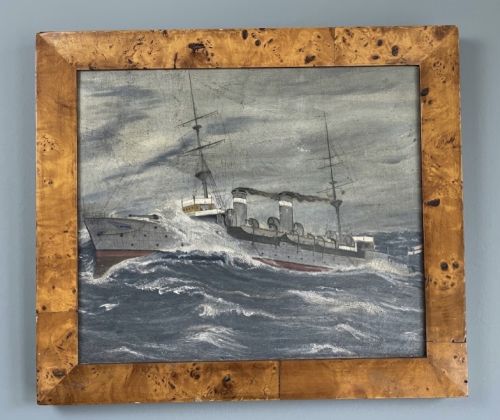
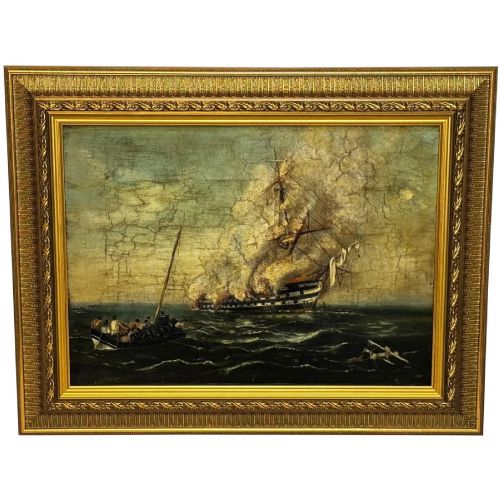
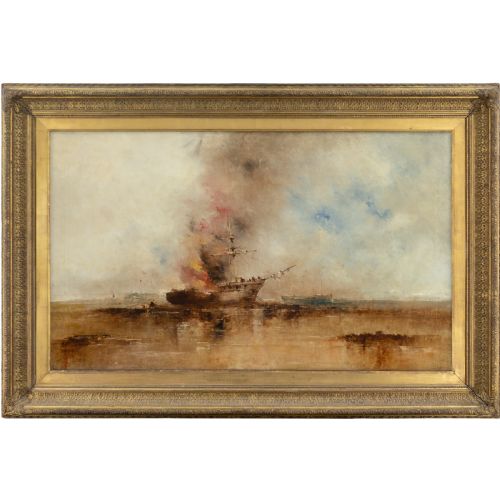
Subjects stretch from peaceful estuary scenes on the Medway and the Thames to turbulent waters with three-masted schooners and naval cruisers in heavy seas. Artists recorded both everyday coastal commerce and significant historical maritime events.
Materials and Technique
Painters of this era predominantly applied oil paint to stretched canvas or board, utilising the rich medium to build texture in crashing waves and billowing sails. Watercolour on paper served artists who sought lighter, more immediate atmospheric effects in their harbour sketches.
Finished canvases were secured within wood frames often enriched with gold leaf and moulded gesso decoration. These frames formed an integral part of the presentation, protecting the edges of the canvas while complementing the marine subject matter.
Victorian Marine Artwork Painting Retail Price Guide 2026
Typical asking prices for victorian marine artwork painting among the pieces listed under this phrase on Sellingantiques today, from the lower quarter to the upper quarter. They describe what is for sale here now, not the wider market.
Listings feature works created across the nineteenth and early twentieth centuries, spanning the years eighteen-twenty-one to nineteen-ten.
Distinctions in Quality
Quality rests upon the artist's command of maritime architecture, rigging accuracy, and the natural movement of water. Works by named painters with documented exhibition histories display a superior grasp of light and atmospheric depth compared to unsigned works by unknown hands.
The preservation of the original surface and the condition of the accompanying gilt wood frame influence the integrity of the piece. Crisp detail in the depiction of shipping vessels and coastal landmarks separates standard topographical records from accomplished fine art.
William Calcott Knell·William Ayerst Ingram·Thomas Creswick·John Moore of Ipswich·TB Hardy
The Victorian Marine Artwork Painting Glossary
- Oil on Canvas
- Pigment mixed with drying oil applied to a woven fabric support. This combination allowed artists to work slowly and create textured highlights on water.
- Gilt Wood
- Timber framing coated with a thin layer of gold leaf or metallic powder. These frames define the perimeter of nineteenth-century paintings.
- Seascape
- A work of art depicting the sea, coastal views, or marine shipping. These scenes form the core of nineteenth-century maritime output.
- Gesso
- A plaster-like mixture applied to wood frames before gilding to provide a smooth surface for moulding. It is often carved with decorative patterns.
Victorian Marine Artwork Painting: Frequently Asked Questions
What subjects appear in these paintings?
The works depict naval warships, commercial barques, fishing boats, and coastal towns across Britain and Europe. Scenes range from calm harbour departures to vessels navigating heavy seas.
Specific landmarks such as Plymouth Breakwater, St Ives, and Dublin Bay frequently serve as backdrops for the maritime activity.
How should I frame and hang these?
Many pieces retain their original gilt wood and gesso frames, which suit the historical character of the artwork. These should be preserved rather than replaced.
Hang them away from direct sunlight and damp environments to protect both the canvas or paper support and the delicate gilded frames.
How do I identify the date?
Dates are often established through artist signatures, exhibition records, or depicted vessels whose operational lifespans are historically documented. The use of traditional canvas supports and original gilt frames provides further chronological context.
Period styles span from the early nineteenth century through to the Edwardian transition around nineteen-ten.
What is the difference between oil and watercolour?
Oil paintings utilise pigment suspended in oil on canvas or board, allowing for heavy impasto texture in waves and deep tonal layering. Watercolours employ water-soluble pigments on paper, offering a more translucent and immediate rendering of light.
Watercolours are generally mounted under glass for protection, whereas nineteenth-century oils remain exposed on their stretched canvas.