
Victorian Mahogany Vanity
A victorian mahogany vanity offers rich timber grain and period charm, bringing functional surface space and adjustable mirrors to the bedroom.
What these pieces are
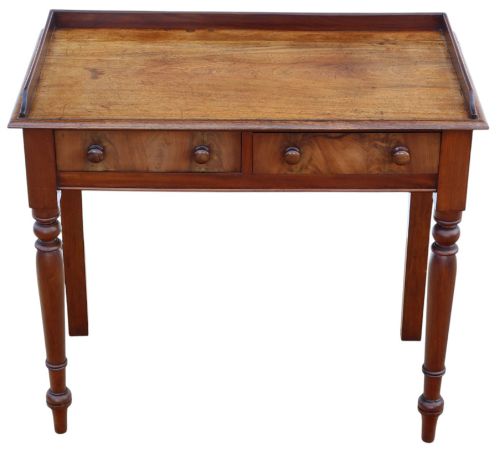
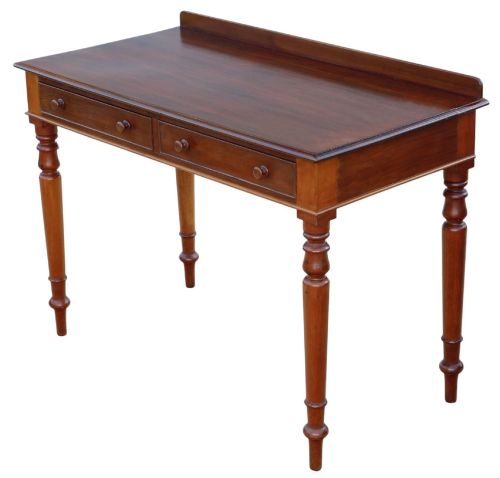
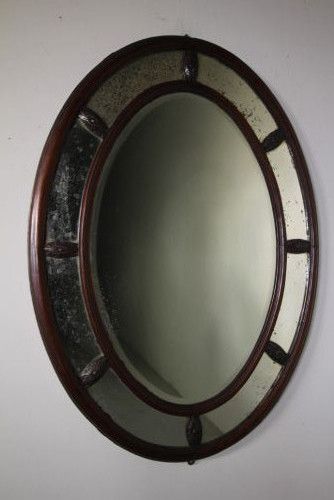
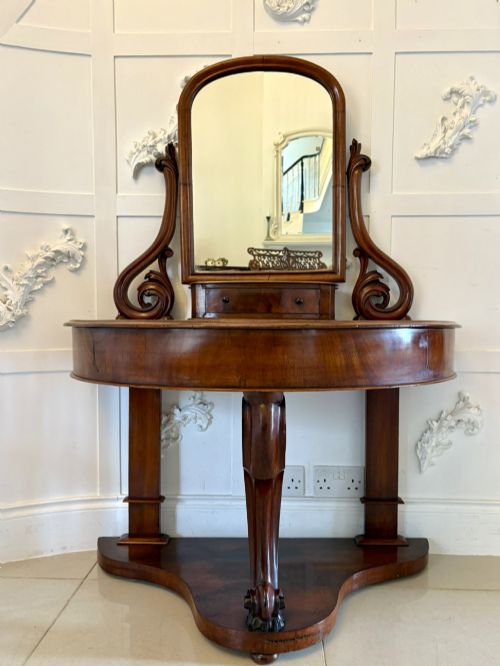
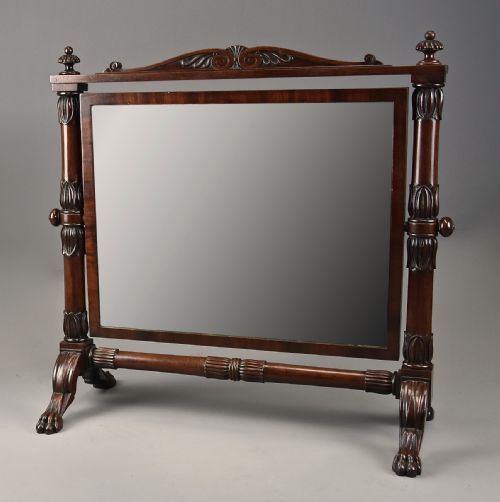
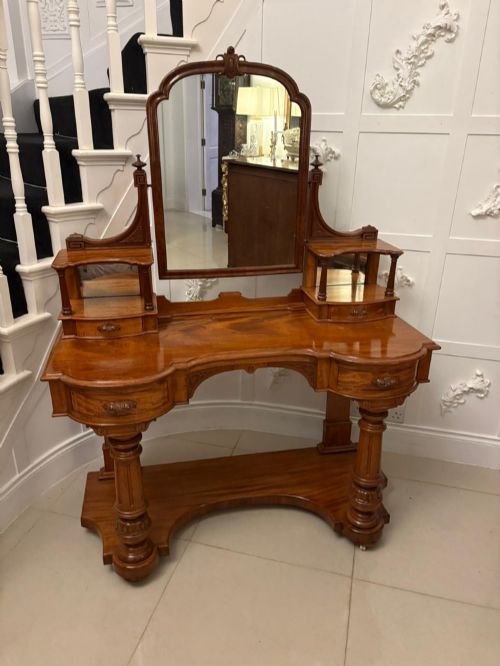
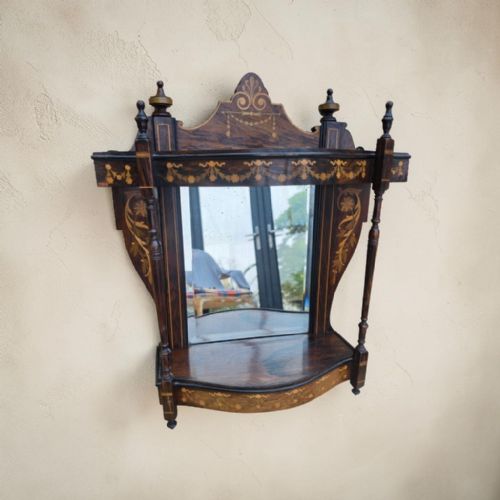
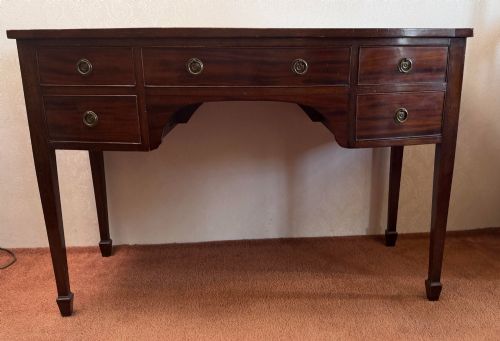
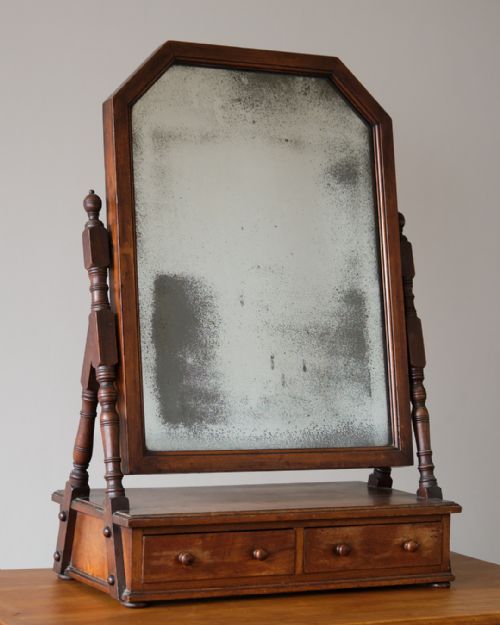
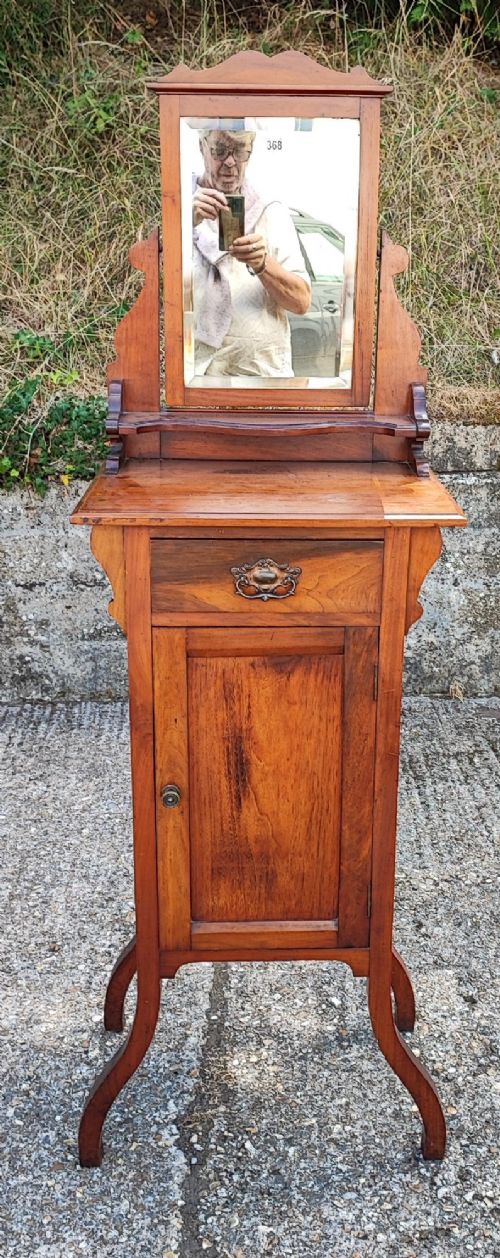
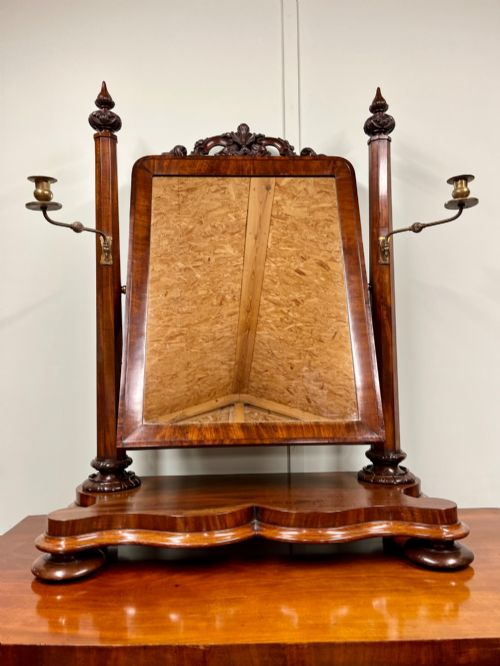
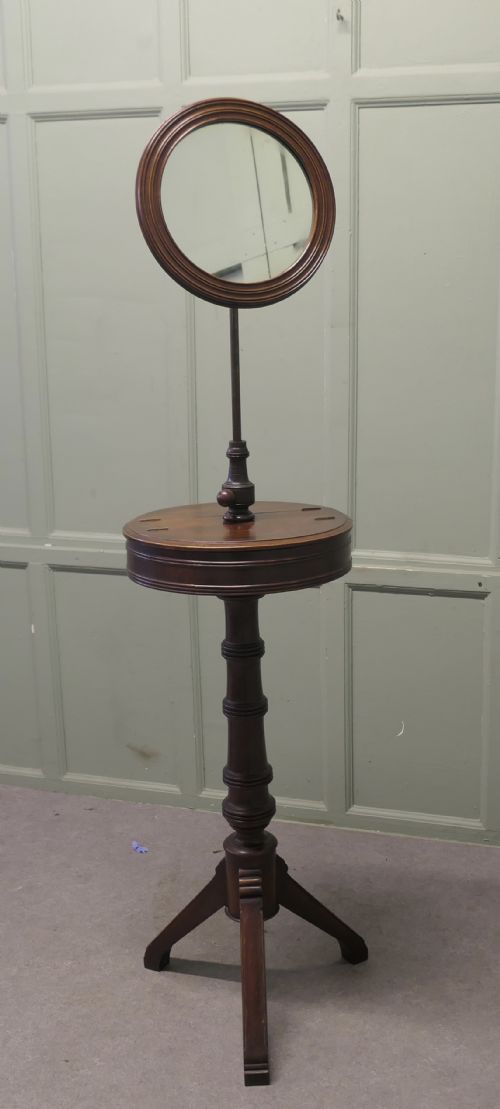
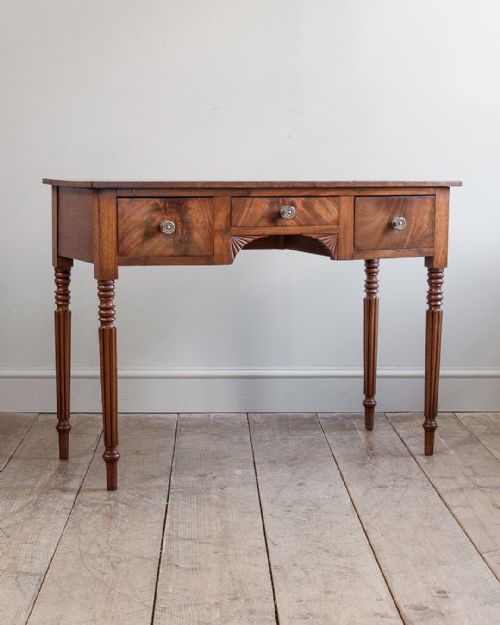
A victorian mahogany vanity encompasses a variety of dressing tables, table top mirrors, and shaving stands designed for personal grooming. These pieces span the nineteenth century, including specific forms like duchess dressing tables and art nouveau mirror dressing tables.
How they were made
Cabinet makers utilised solid mahogany and flame mahogany veneers over secondary timbers to construct the main bodies of these vanity pieces. Brass fittings secure the adjustable mechanisms on shaving stands and support pivoting mirror frames.
Mirrors utilise original glass set within shaped wooden frames, often supported by scroll arms or upright pedestals. Construction methods combine traditional joinery with turned supports and fitted compartments for personal items.
Retail Price Guide 2026
Typical UK retail prices for victorian mahogany vanity, calculated from the Sellingantiques database of over a million retail prices indexed since 2003. This retail price guide relies exclusively on Sellingantiques data; no external sources or auction records are used, so the figures do not describe the wider market.
What varies in quality
Quality separates standard production items from superior examples through the selection of timber figures, such as highly figured flame mahogany veneer. Finer pieces demonstrate sophisticated carving, robust brass hardware, and intact original mirror glass without excessive degradation.
The integration of fitted compartments and sophisticated pivoting or adjustable mechanisms distinguishes better workshops. Simpler table top mirrors contrast with elaborate duchess dressing tables featuring multiple tiers and intricate superstructure frames.
The Victorian Mahogany Vanity Glossary
- Duchess dressing table
- A large nineteenth century dressing table featuring a large central mirror flanked by smaller side mirrors or trinket drawers, resting on a serpentine or shaped base.
- Flame mahogany
- A veneer cut from the fork of the mahogany tree where the branches join the trunk, producing a distinctive, flamy pattern utilised on high end furniture fronts.
- Platform mirror
- A vanity mirror mounted on a small base or plinth, often equipped with storage drawers or compartments in the lower section.
- Shaving stand
- A specialised adjustable mirror stand, historically used by barbers or gentlemen, incorporating swivel mechanisms and small platforms.
Frequently Asked Questions
What is a duchess dressing table?
A duchess dressing table is a substantial nineteenth century furniture piece characterised by a prominent central mirror and an arrangement of smaller trinket drawers.
These surfaces provided ample space for personal grooming and cosmetic storage in period bedchambers.
How do adjustable shaving stands work?
Adjustable shaving stands utilise brass mechanisms and pivoting joints that allow the user to alter the height and angle of the mirror.
These pieces were traditionally positioned near windows to catch optimal morning light during grooming.
Are vanity mirrors freestanding?
Table top vanity mirrors and platform mirrors are designed to rest upon existing chests of drawers, desks, or dressing tables without permanent attachment.
They feature supportive scroll arms or side standards that let the glass tilt to various angles.
What wood is used?
These vanity pieces are constructed primarily from mahogany, occasionally featuring decorative flame mahogany veneers across drawer fronts and mirror surrounds.
Secondary timbers support the internal framing while brass hardware provides structural and visual accents.