
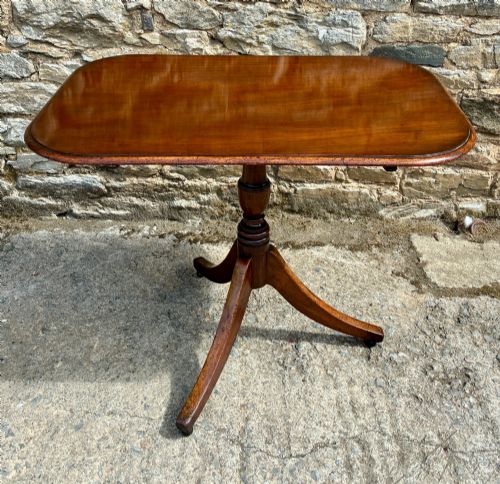
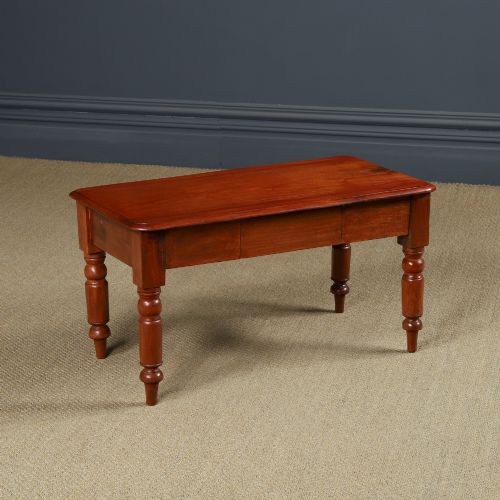
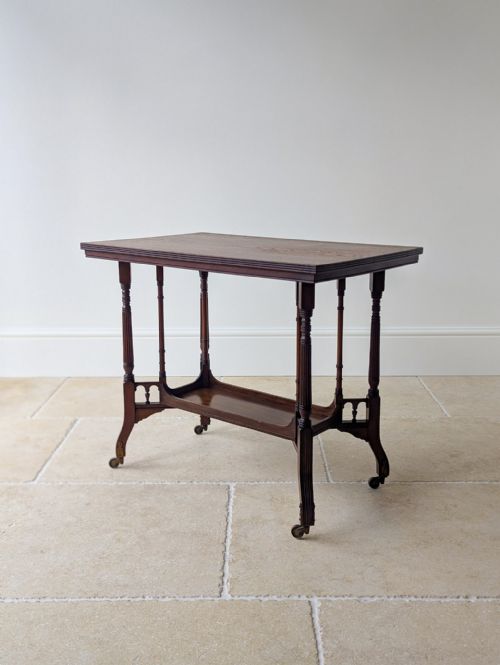

Victorian Mahogany Tea Table
A victorian mahogany tea table combines practical folding surfaces with rich timber grain, offering a versatile antique that suits modern living spaces.
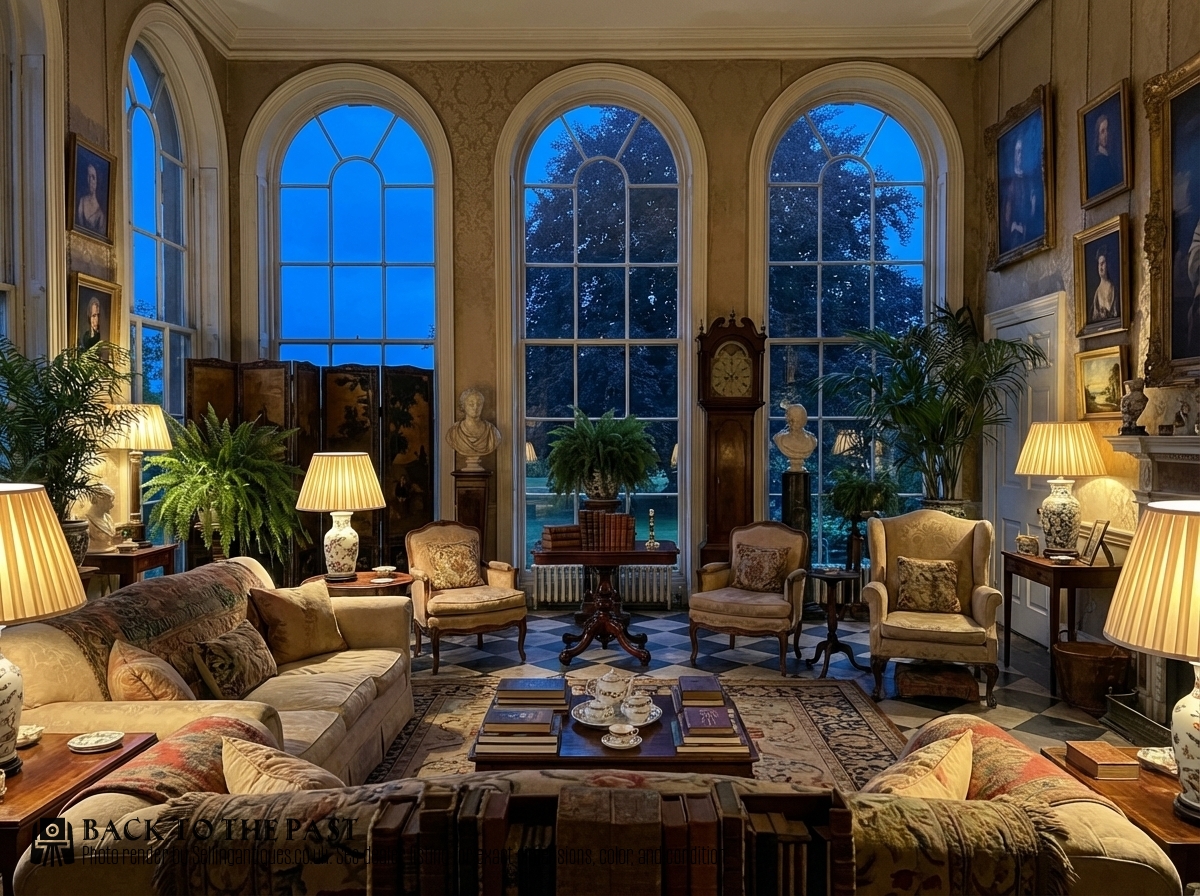
Victorian Mahogany Tea Table
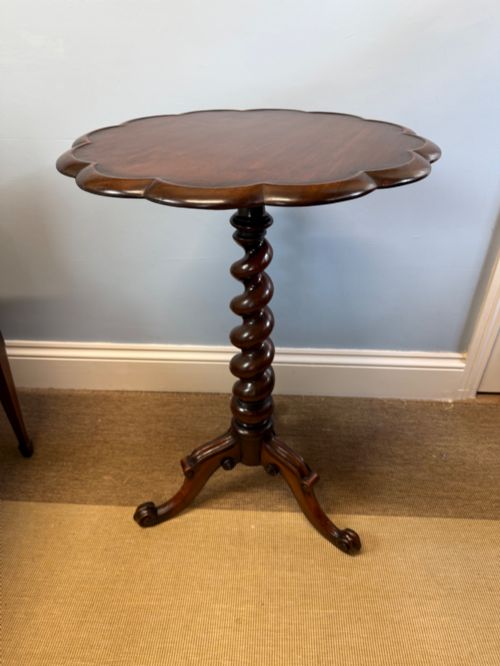
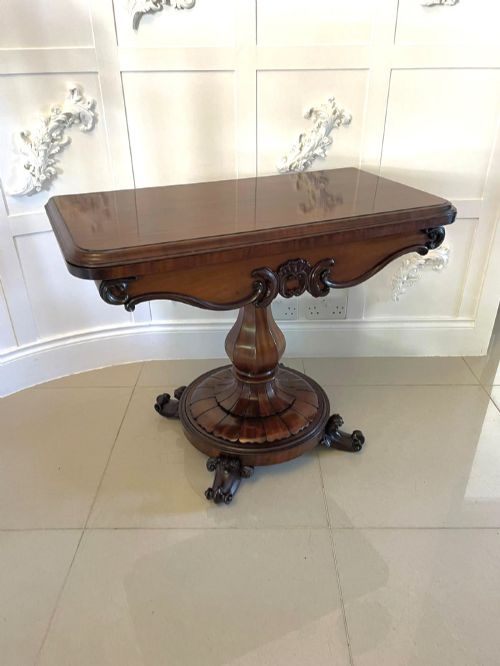
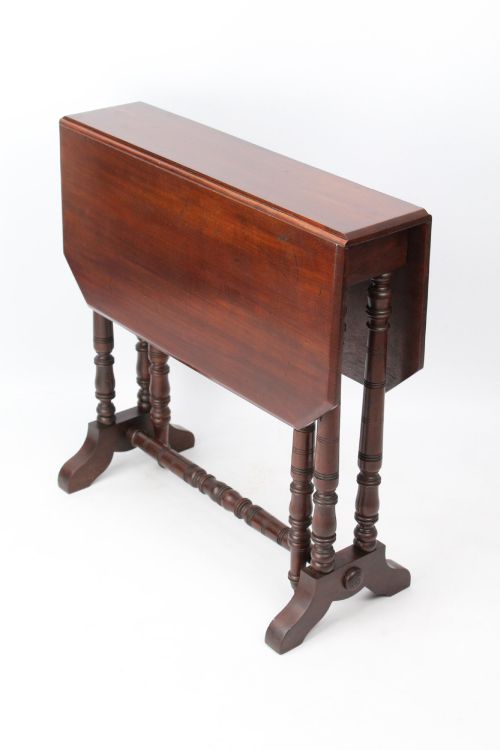
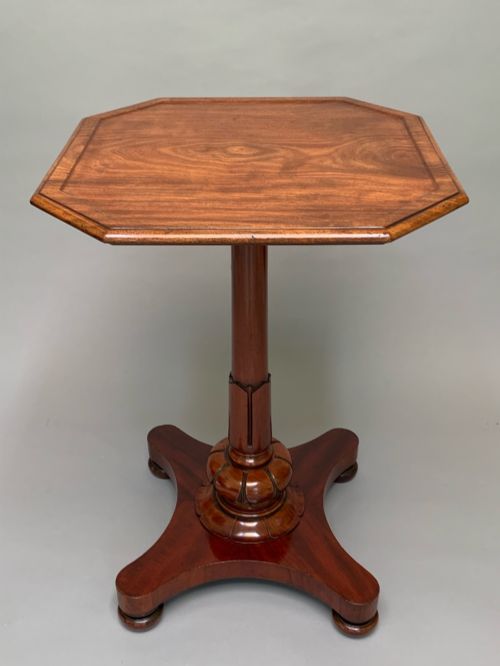
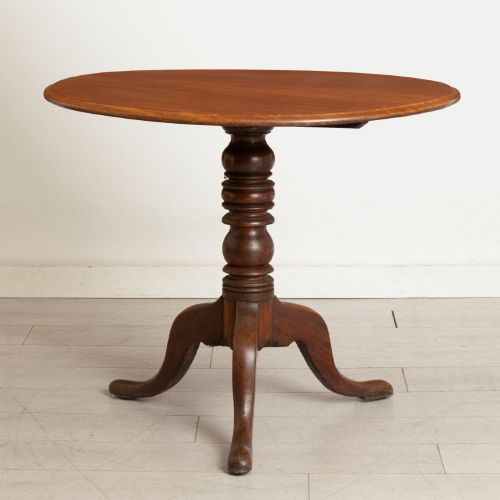
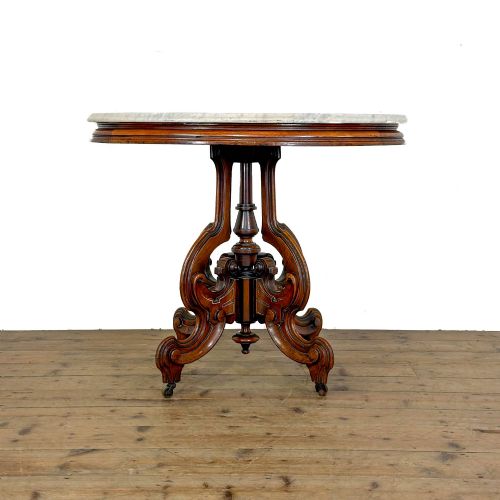
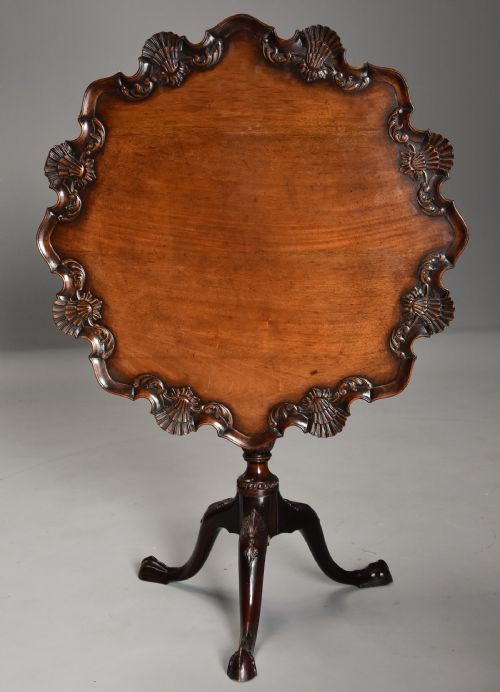
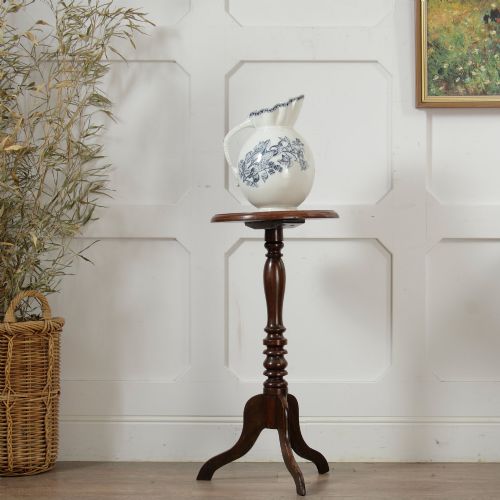
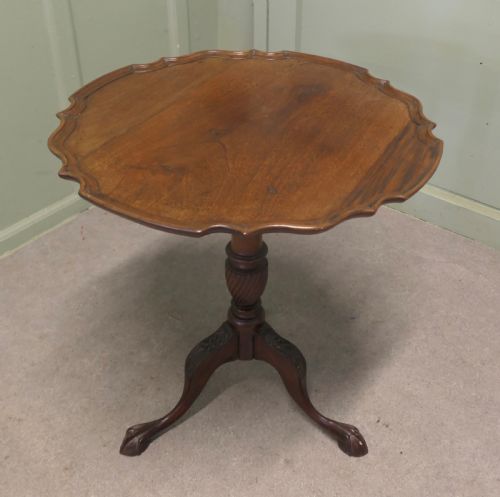
Beyond the standard fold-over design, buyers encounter pedestal variants with carved central columns and tripod bases, alongside console and Pembroke formats. These tables served multiple domestic roles, functioning as games surfaces, card tables, and occasional furniture alongside their original hospitality use.
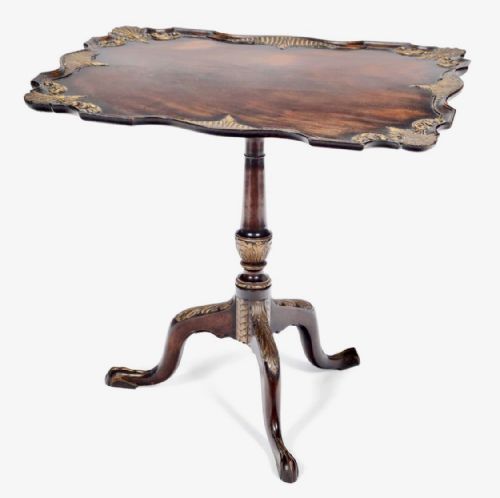
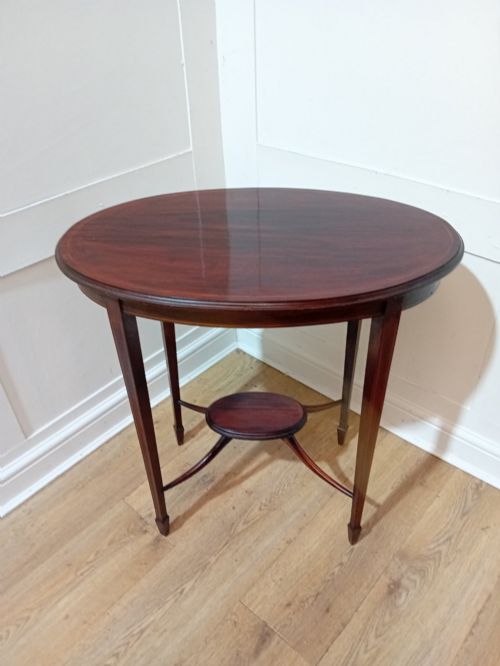
The material palette centres heavily on solid and veneered mahogany, frequently enhanced by figured grain patterns such as flame mahogany. Secondary woods and decorative additions like satinwood stringing, boxwood inlay, and parcel gilding appear across revival styles including Sheraton and Chippendale.
How They Were Made
Cabinet makers utilised dense tropical mahogany for structural stability and fine surface finish, often applying thin veneers of figured mahogany to top panels to create striking visual movement. Secondary timbers such as pine or oak frequently formed internal framing and concealed storage compartments.
Joinery techniques relied on traditional mortise and tenon construction for stability, particularly where pedestals met quadripartite or tripod support legs. Brass castors were commonly fitted beneath scrolling feet to ease movement across nineteenth-century floor coverings.
Victorian Mahogany Tea Table Retail Price Guide 2026
Typical asking prices for victorian mahogany tea table among the pieces listed under this phrase on Sellingantiques today, from the lower quarter to the upper quarter. They describe what is for sale here now, not the wider market.
Some nineteenth-century tables feature ingenious concealed compartments beneath the fold-over top, designed originally for hiding contraband tea leaves from domestic staff.
What Varies in Quality
The hierarchy of quality rests primarily on the selection of timber veneers and the crispness of hand-carved details. Superior examples display symmetrical flame mahogany figuring across the entire fold-over leaf rather than plain stock, paired with deeply carved pedestal bases and robust rule joints.
Structural integrity also separates standard utility pieces from high-end cabinet work. Fine tables maintain rigid alignment when opened, with precise hinge placement and tightly fitted internal compartments that operate smoothly without sagging.
Gregory And Co
The Victorian Mahogany Tea Table Glossary
- Fold-over top
- A hinged wooden surface that doubles in area when opened flat. This mechanism allowed compact daytime placement against a parlour wall.
- Tilt top
- A pivoting table surface that rotates into a vertical position for storage. Tripod wine and occasional tables frequently employed this space-saving feature.
- Flame mahogany
- A distinctive veneer pattern created by slicing through the fork of a mahogany tree. The resulting grain resembles flickering flames of fire.
- Rule joint
- A specialised moulding joint used on drop-leaf and fold-over tables. It conceals the gap between leaves while allowing smooth rotation.
- Etagere
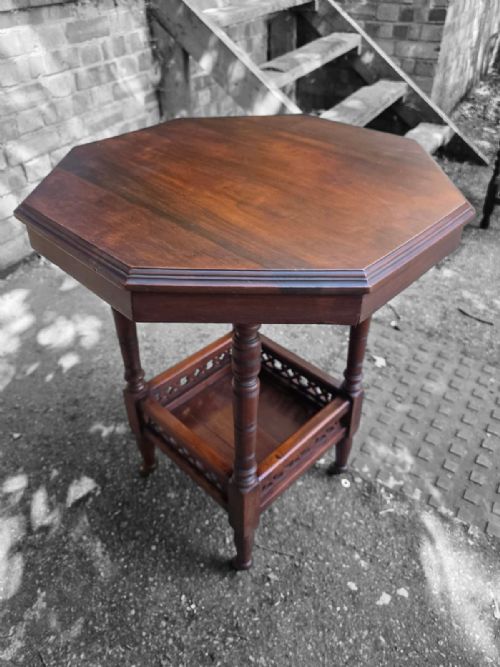
- A set of open tiered shelves used for display. These occasionally integrate into tea and occasional table designs from the later nineteenth century.
Victorian Mahogany Tea Table: Frequently Asked Questions
How were these tables used originally?
These pieces functioned primarily for serving afternoon tea in nineteenth-century parlours, providing a stable surface for porcelain and silverwares. When closed, they sat against drawing room walls as slim console or side furniture.
Many examples doubled as card or games tables, featuring lined interiors for evening entertainment. Their adaptable surfaces made them central to middle and upper-class domestic social rituals.
How do I tell early and late Victorian pieces apart?
Early Victorian examples, dating from around 1840 to 1860, typically exhibit heavier proportions, bolder hand-carved pedestal bases, and rich figured mahogany veneers. They often rely on classic architectural forms.
Late Victorian pieces, spanning the 1880s and 1890s, frequently reflect revival styles like Sheraton or Aesthetic Movement influences. They display lighter framing, inlaid boxwood or satinwood stringing, and more slender turned legs.
Will a fold-over table work as a desk?
The interior depth and standing height of a fold-over leaf make these tables suitable for light writing or laptop work. Many historical examples were adapted in period for mixed parlour use.
Care should be taken to protect antique mahogany finishes from ink or moisture. Using a subtle blotter preserves the timber surface while maintaining daily utility.
How do I care for antique mahogany wood?
Maintaining mahogany requires simple dusting with a dry, soft cloth and occasional application of traditional beeswax to nourish the polish. Avoid placing timber near direct heat sources or strong sunlight to prevent warping and fading.
Spills should be wiped away immediately to protect the historic polish and underlying veneer. Proper climate control in the room ensures the wood grain remains stable.