
Victorian Mahogany Side Desk
When you search for a victorian mahogany side desk, you encounter versatile writing tables and compact surfaces shaped by nineteenth-century cabinet makers.
Victorian Mahogany Side Desk
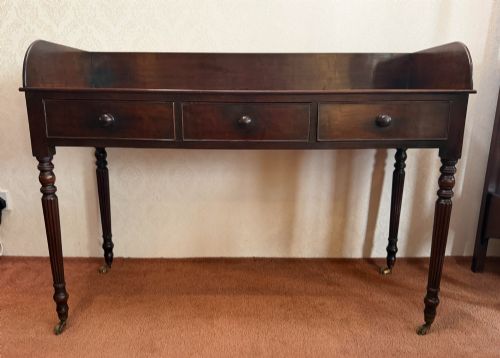
A victorian mahogany side desk serves multiple domestic functions, bridging the gap between a formal library table and a compact writing surface. These pieces emerge primarily from the nineteenth century, spanning periods from early Victorian incarnations to later decades.
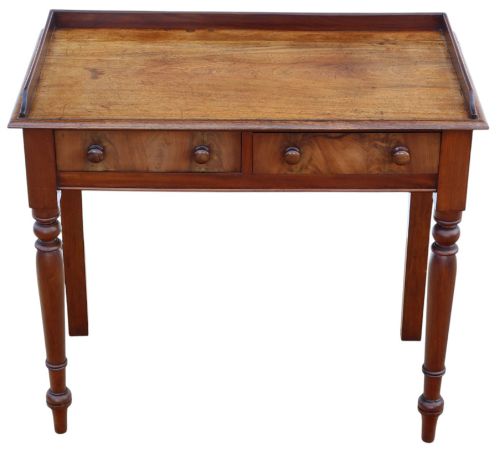
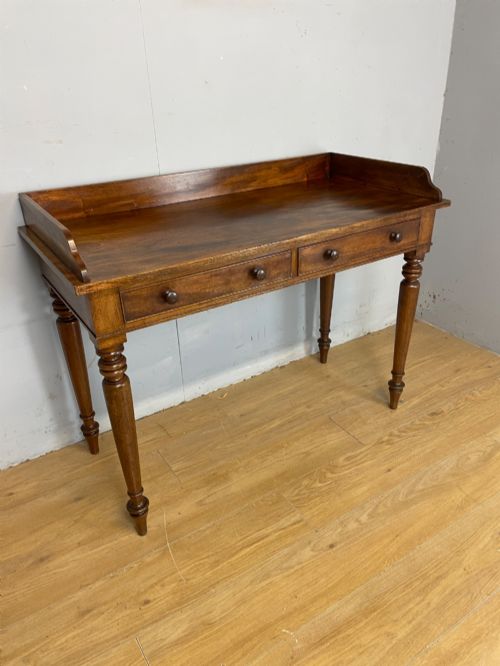
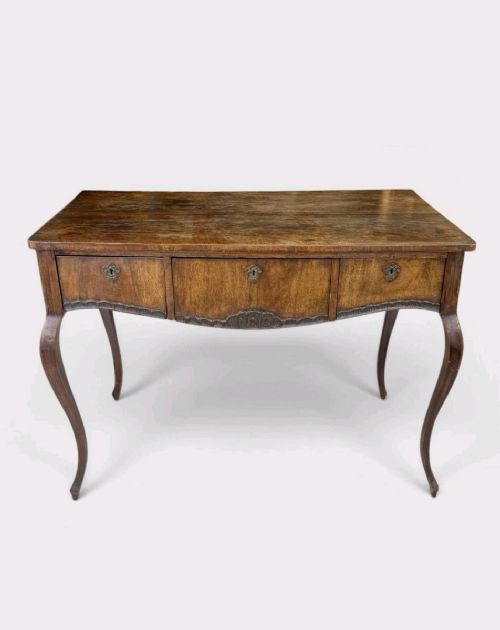
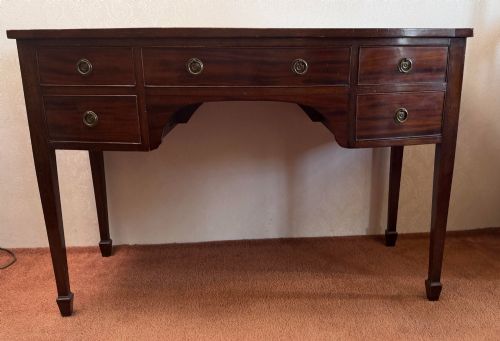
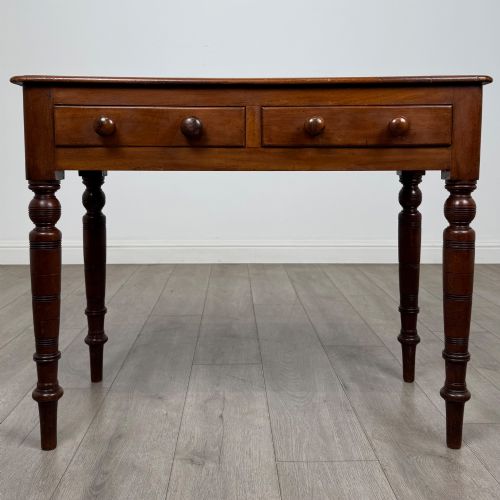
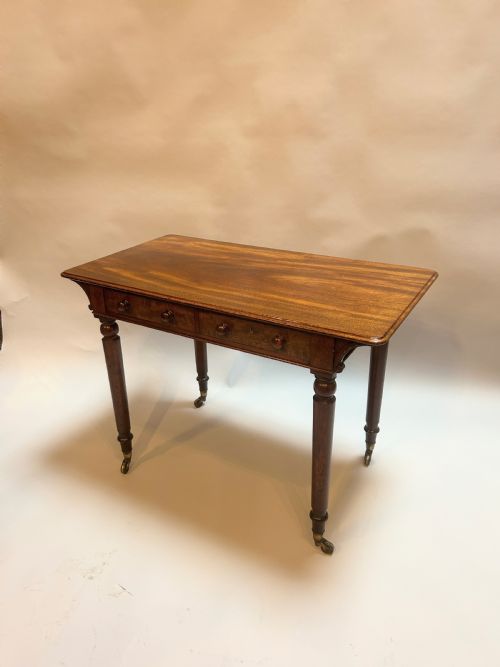
The form typically manifests as a rectangular table fitted with one or two drawers beneath the writing surface. Many examples double as dressing tables or side tables, demonstrating the adaptable room layouts of the period.
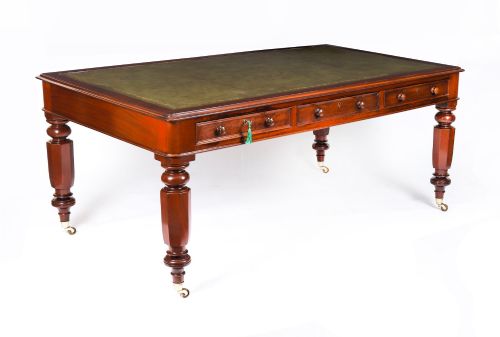
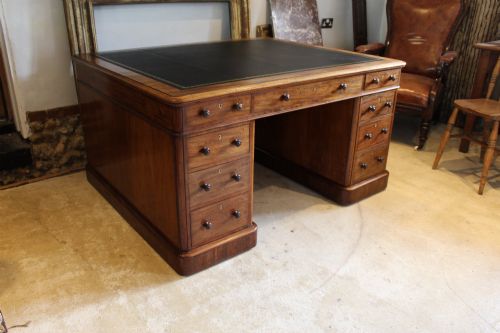
Larger partners desks and pedestal formats appear alongside leaner side variants. The evidence points to solid timber construction paired with functional drawer configurations designed for daily correspondence.
How they were made
Cabinet makers utilised solid mahogany and flame mahogany veneer applied to secondary woods to achieve rich grain patterns and deep red tones. These surfaces often incorporated inset leather writing panels or fabric inserts.
Brass hardware, including drawer pulls, locks and castors, added both utility and decorative contrast to the timber. Construction relied on traditional joinery methods that ensured structural longevity across decades of daily use.
Listings feature solid mahogany, flame mahogany veneer, marble, and brass hardware across nineteenth-century forms.
What varies in quality
The selection of timber dictates much of the visual merit, with figured flame mahogany veneer representing a higher tier of craftsmanship than plain stock. Secondary woods and internal drawer construction reveal the diligence of the original workshop.
Proportion and restrained decorative carving distinguish standard utility pieces from workshop-attributed items. Original brass fittings and functioning locks complete with keys elevate the integrity of a surviving desk.
Charles Andrea Nosotti·Gillows·J A Mein Edinburgh·Gill and Reigate
The Victorian Mahogany Side Desk Glossary
- Flame mahogany
- A veneer cut from the fork of the mahogany tree where the branch meets the trunk, producing a dramatic, flickering grain pattern. This decorative treatment is frequently encountered on better nineteenth-century case pieces.
- Partners desk
- A large double-sided writing table designed with drawers and cupboards on both opposing long sides to accommodate two users simultaneously. These imposing pieces often feature inset leather writing surfaces.
- Wellington chest
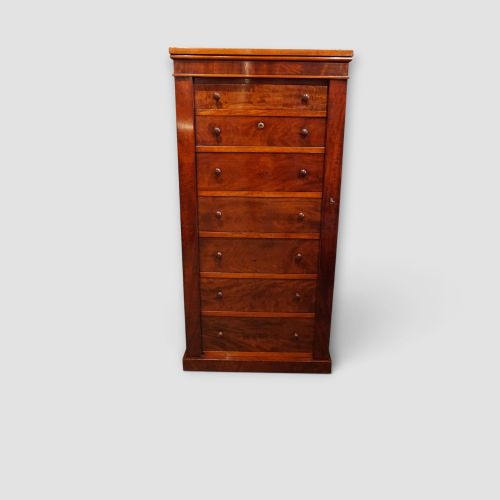
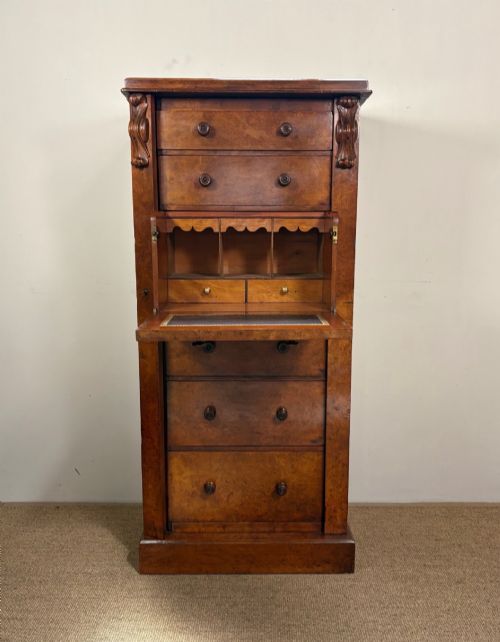
- A tall, narrow chest of drawers secured by a hinged vertical locking flap on one side that fastens with a key. The design originated in the early nineteenth century.
- Davenport
- A compact small desk featuring a sloped writing lid hinged above a pedestal of drawers. Many examples incorporate interior pigeonholes and stationery compartments.
Victorian Mahogany Side Desk: Frequently Asked Questions
How do I date a Victorian desk?
Dating relies on examining construction methods, timber selection, and hardware styles across the nineteenth century. Early Victorian pieces often display heavier proportions and simpler lines, while later examples show distinct revival influences.
Secondary woods inside drawers and the presence of original locks or maker stamps offer further chronological clues. Comparing drawer linings and joint types helps narrow down the decade of manufacture.
Did Victorians use leather tops?
Many writing tables and desks from the period featured inset leather writing surfaces. These leather panels were often tooled with gold leaf borders to frame the writing area.
Fabric upholstery and plain wood tops also appear across the listings. Leather provided a durable and smooth surface for quill pens and ink.
How do I care for mahogany?
Mahogany benefits from consistent indoor humidity and protection from direct sunlight to preserve its deep colour. Regular dusting with a dry cloth prevents particle buildup on the polished finish.
Avoid placing hot items or liquids directly onto the wood or leather surfaces. Occasional application of appropriate wax feeds the timber and maintains the natural lustre.