
Victorian Mahogany Shelves
Victorian mahogany shelves offer practical storage and rich wood grain, bringing period warmth to any room.
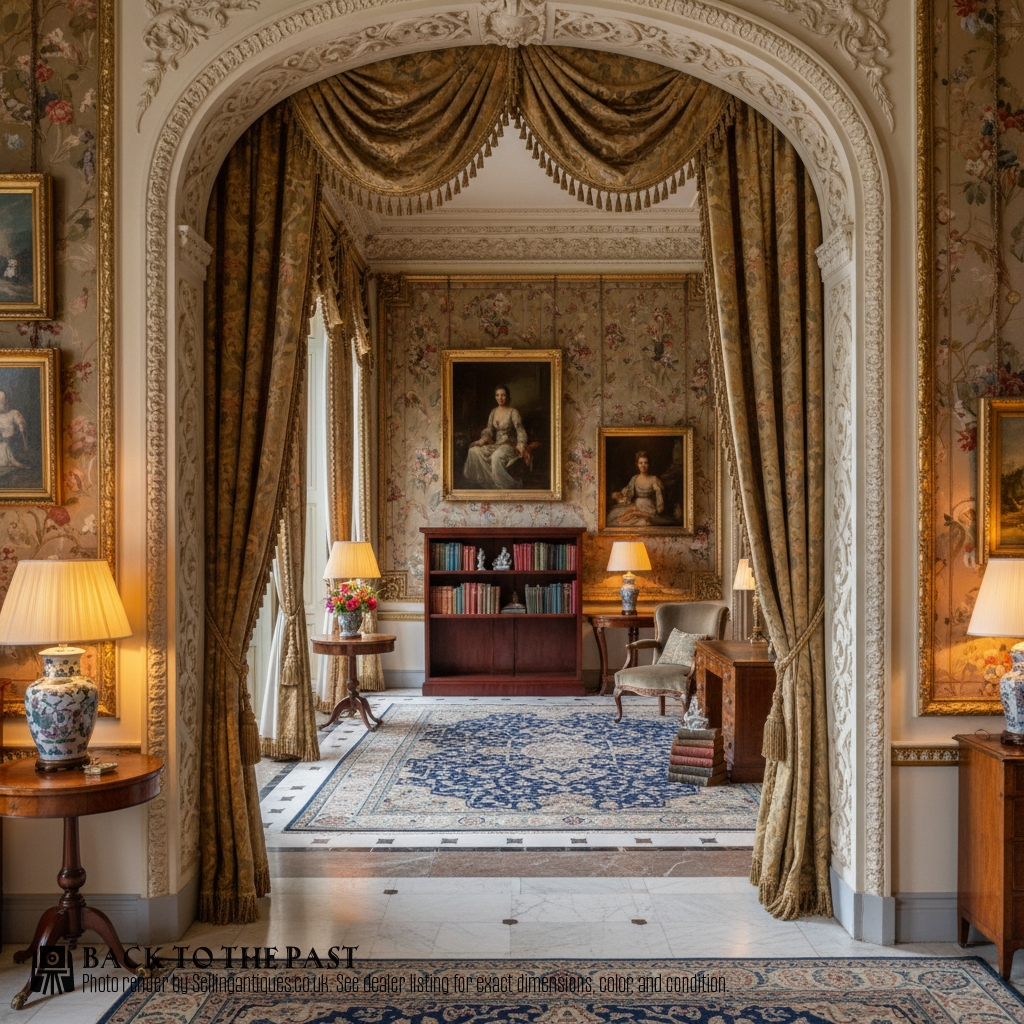
What Victorian Mahogany Shelves Are
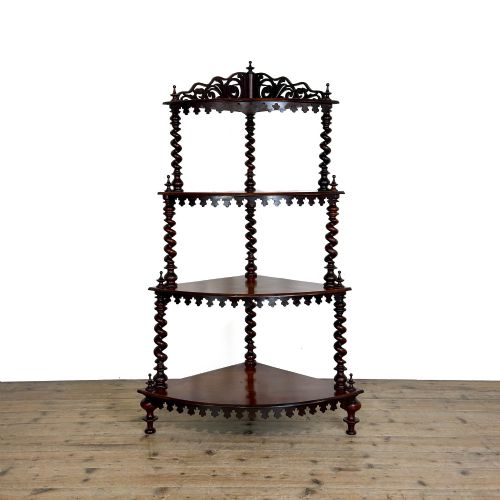
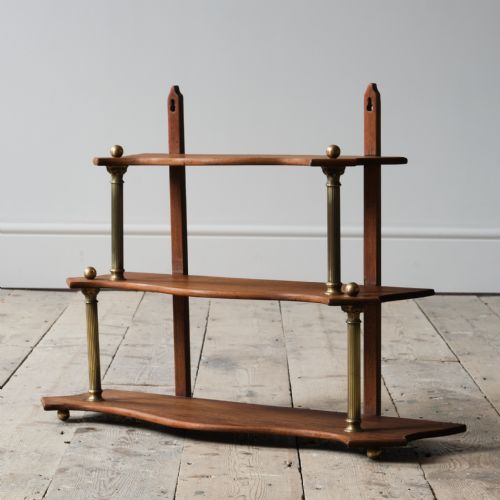
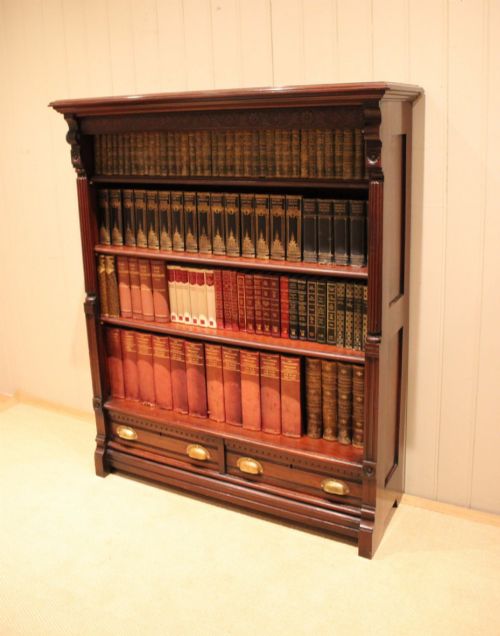
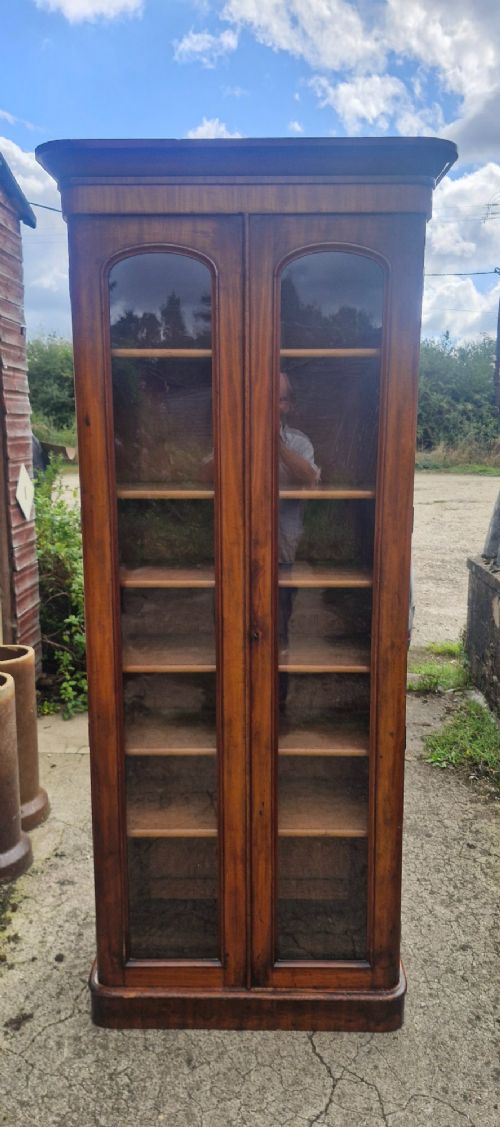
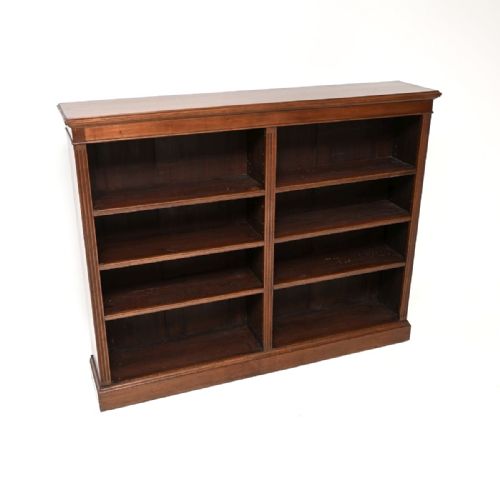
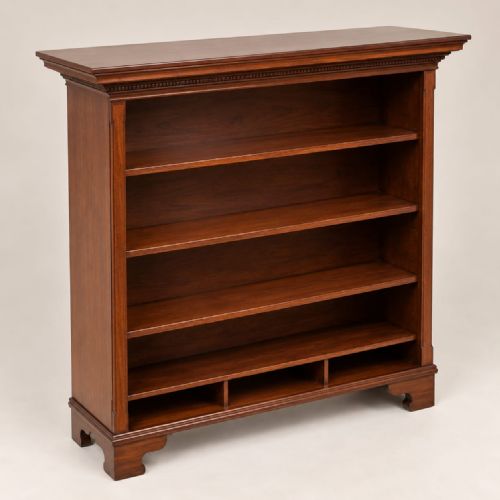
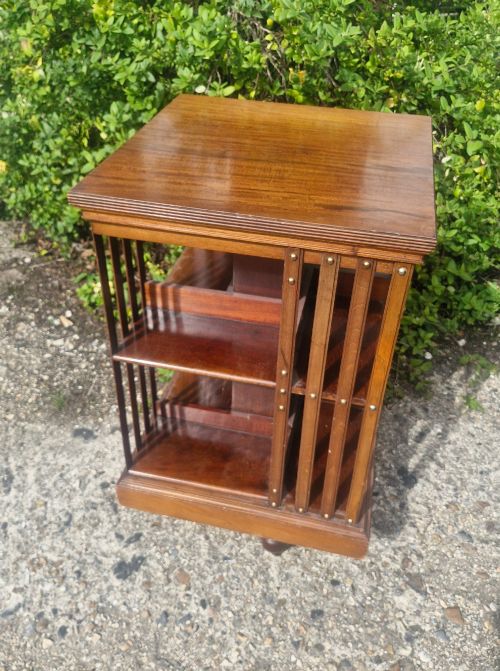
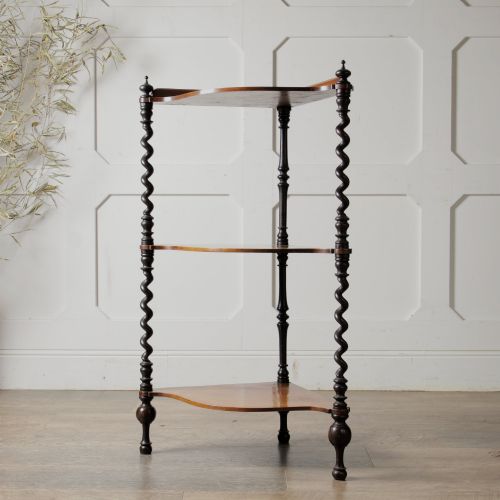
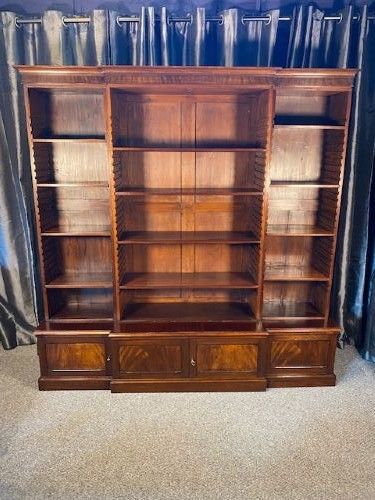
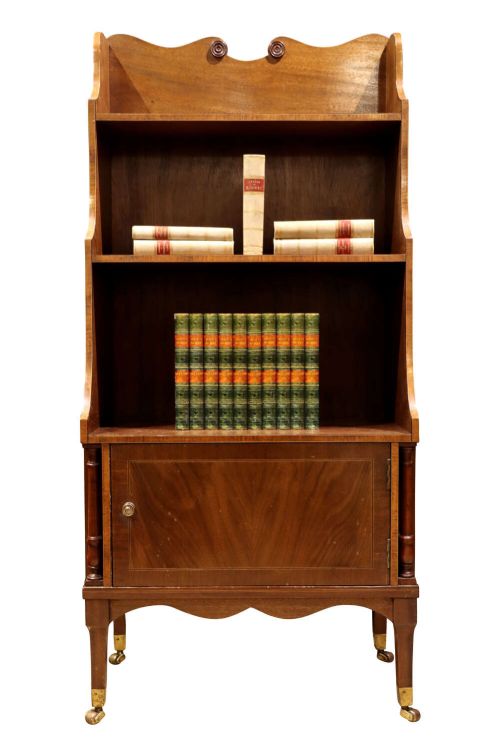
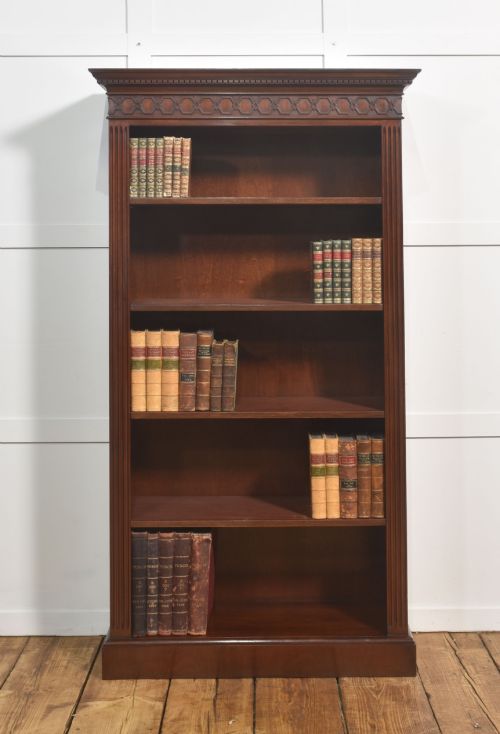
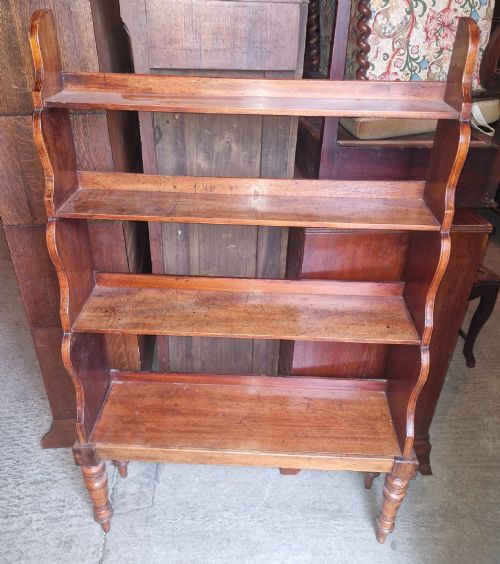
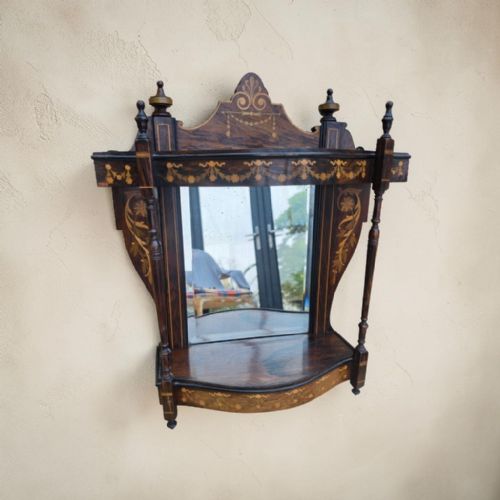
Victorian mahogany shelves encompass a range of forms, from wall-mounted units to large floor-standing bookcases. You will frequently encounter open bookcases alongside hanging wall shelves and tiered display pieces.
The pieces date across the nineteenth century, including specific years like eighteen fifty and eighteen seventy, as well as broader Victorian and nineteenth-century periods. These items served functional storage needs in nineteenth-century interiors.
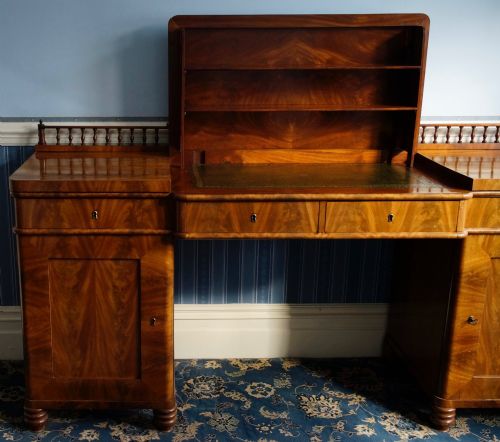
Floor-standing versions often feature adjustable shelves, while wall-hanging formats provide compact display space. Some examples incorporate cupboards or take specific shapes such as waterfall configurations.
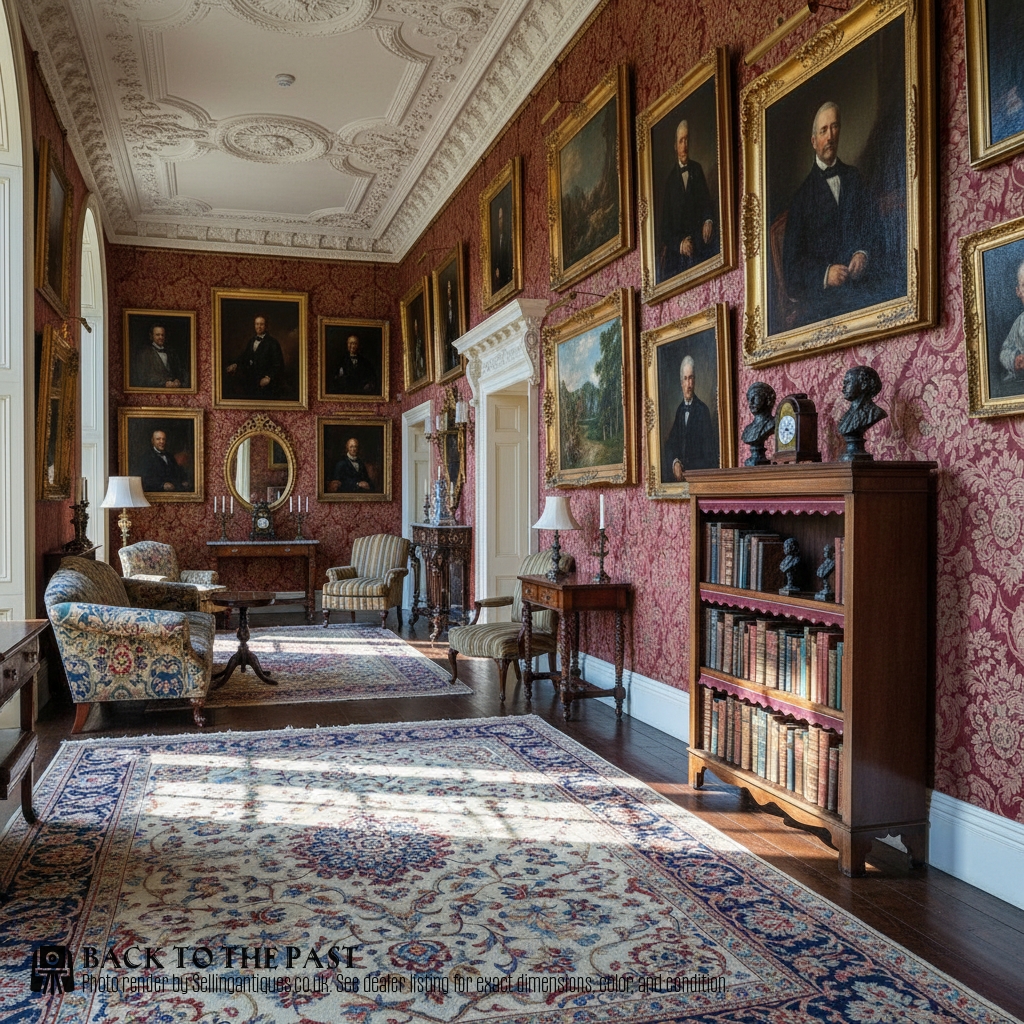
How They Were Made
Craftsmen built these pieces primarily using solid mahogany and pine, occasionally incorporating brass and leather. Wood surfaces highlight the natural grain characteristic of nineteenth-century furniture production.
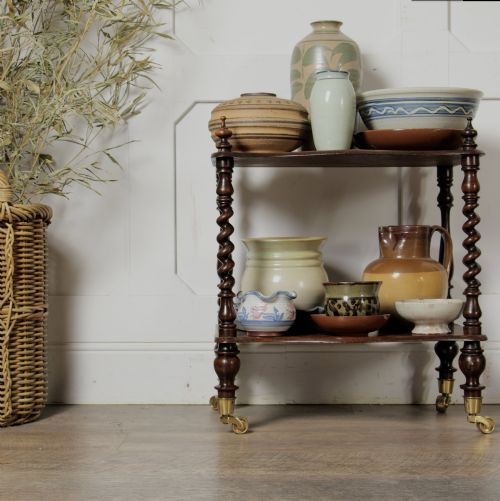
Construction techniques include turned supports and carved details, particularly on tiered whatnot and Gothic revival pieces. Many larger bookcases employ a two-part format for easier placement.
Retail Price Guide 2026
Typical UK retail prices for victorian mahogany shelves, calculated from the Sellingantiques database of over a million retail prices indexed since 2003. This retail price guide relies exclusively on Sellingantiques data; no external sources or auction records are used, so the figures do not describe the wider market.
Listings feature mahogany, pine, leather, and wood across Victorian, nineteenth-century, and specific mid-century dates.
What Varies in Quality
Quality differences appear in the selection of timber and the execution of carved and turned elements. Pieces featuring refined proportions and integrated locking mechanisms stand apart from simpler utility items.
The presence of adjustable shelving systems and secondary timbers like pine reflect the original tier of manufacture. Finer examples display meticulous attention to joinery and structural integrity.
The Victorian Mahogany Shelves Glossary
- Mahogany
- A durable tropical hardwood known for its deep reddish-brown colour and fine grain. It served as the primary material for high-end nineteenth-century furniture.
- Waterfall
- A tiered shelving design where each successive shelf steps back from the one below it. This style became popular for wall-mounted display units during the Victorian era.
- Whatnot
- An open, multi-tiered piece of furniture designed for displaying ornaments and books. These stands often feature turned uprights and decorative carved elements.
- Dwarf bookcase
- A low floor-standing bookcase designed to sit beneath dado height. These pieces keep books accessible while leaving upper wall space open.
- Campaign bookshelves
- Portable shelving units designed for travel and military use. They typically incorporate brass fittings and fold or dismantle for transport.
Frequently Asked Questions
Where were Victorian mahogany shelves used?
These pieces functioned across various rooms in nineteenth-century homes, holding books, ceramics, and personal items. Floor-standing bookcases suited studies and libraries, while hanging shelves adorned parlours and living spaces.
Smaller wall-mounted formats provided display areas in tighter domestic spaces. Their adaptable designs allowed them to serve both practical storage and decorative display roles.
How do I adjust the shelves?
Many nineteenth-century open bookcases utilise traditional wooden support strips or slotted interior sides to alter shelf heights. Owners simply lift the board and reposition it into the desired slots.
Some portable or later variants employ metal pins or rackwork systems. Care must be taken when moving older timber components to avoid damaging the interior veneer or lining.
Are these shelves suitable for heavy books?
Floor-standing models built from solid mahogany and pine easily support substantial volumes. Many incorporate fixed or adjustable wooden boards designed specifically for heavy libraries.
Wall-hanging versions and lighter waterfall units suit display items and smaller volumes rather than heavy reference books. Wall fixings must match the weight of the loaded shelves.
How do I tell different periods apart?
Dating relies on construction methods, timber choice, and stylistic cues like Gothic revival details or campaign brassware. Pieces marked with specific dates or tied to William IV transitions show earlier characteristics.
Later nineteenth-century items often display simpler lines and standardised adjustable shelf mechanisms. Examining the secondary woods like pine helps confirm the era of production.