

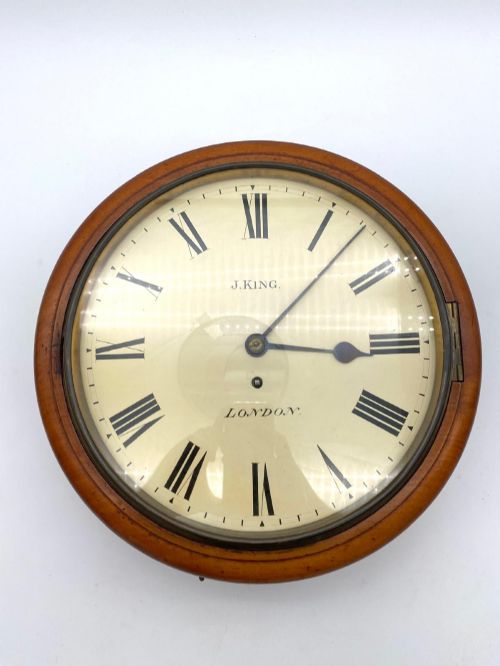
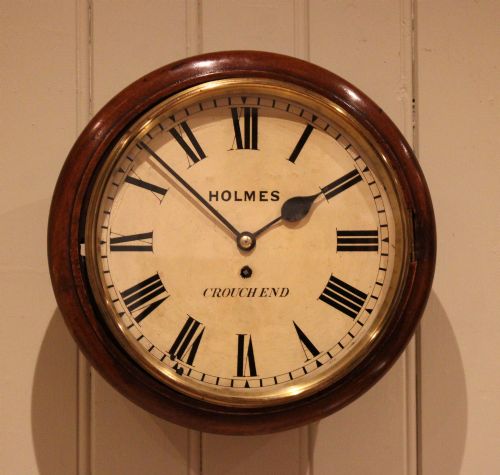
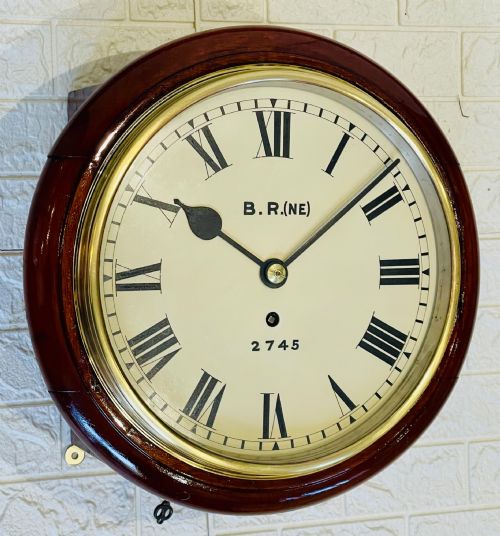
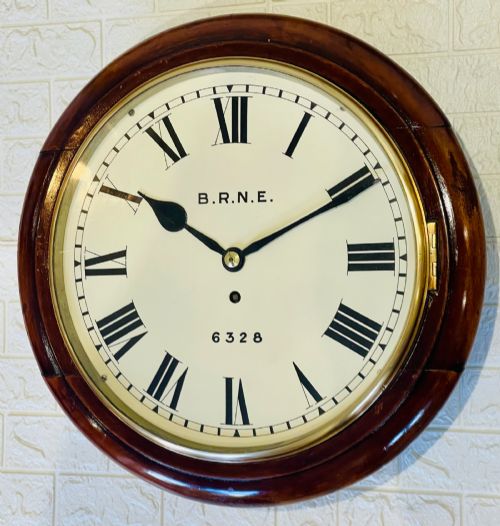

Victorian Mahogany Fusee Clock
A victorian mahogany fusee clock is a reliable timekeeper driven by a chain or cord and cone assembly, prized for steady accuracy and rich timber cases.
Victorian Mahogany Fusee Clock
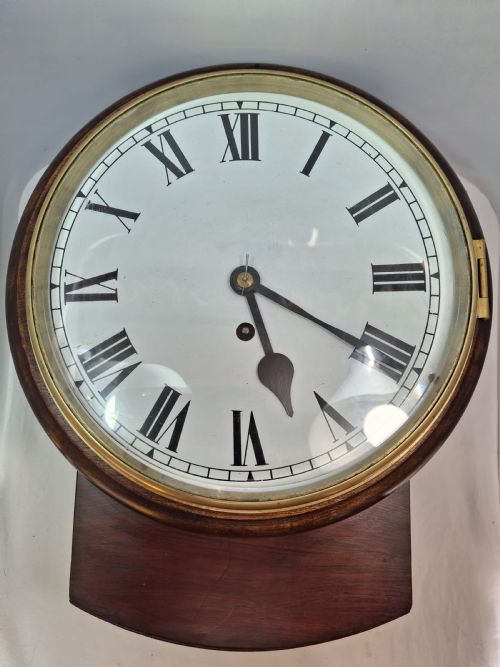
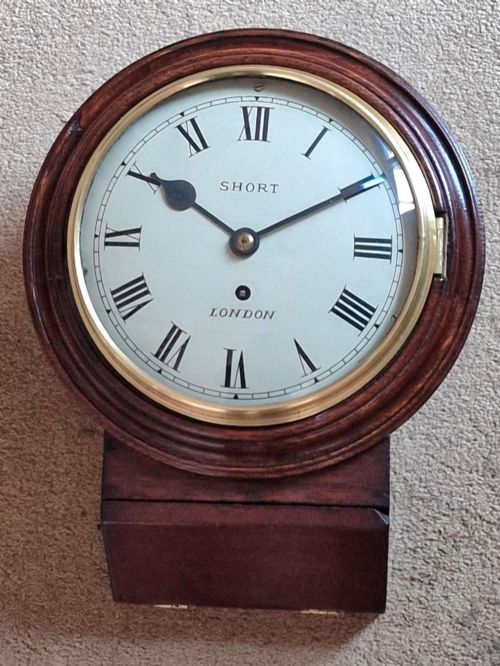
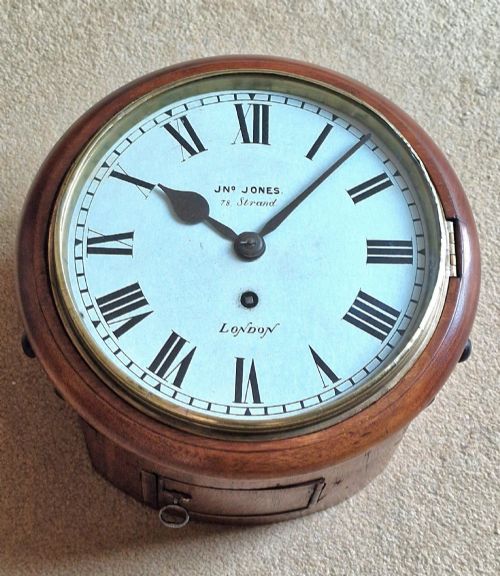
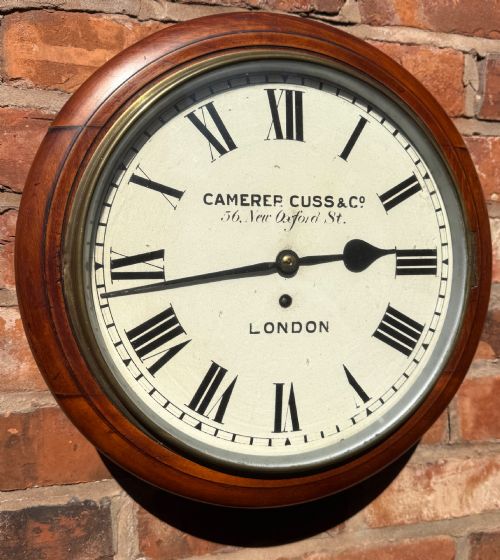
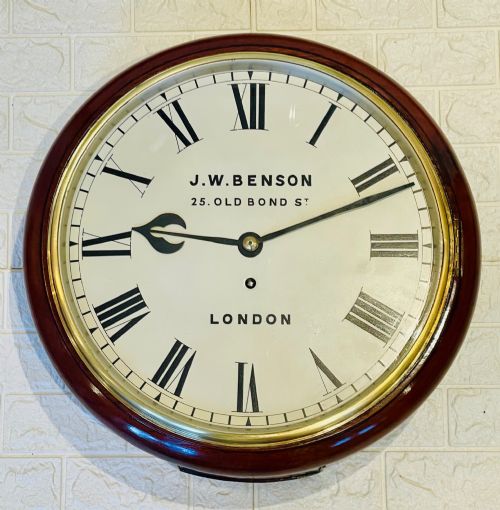
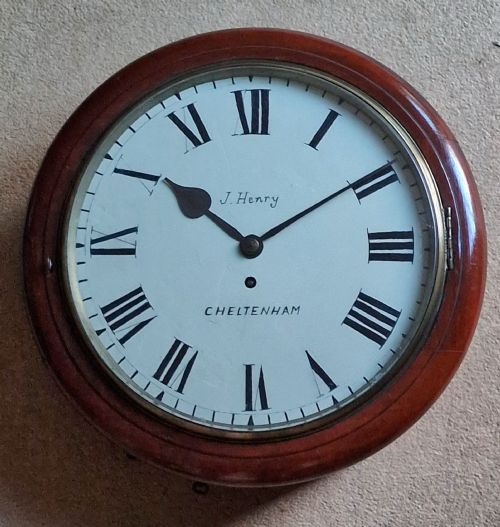
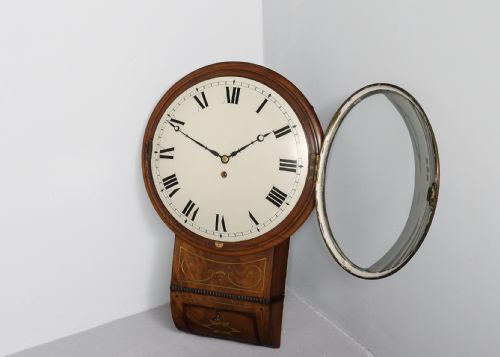
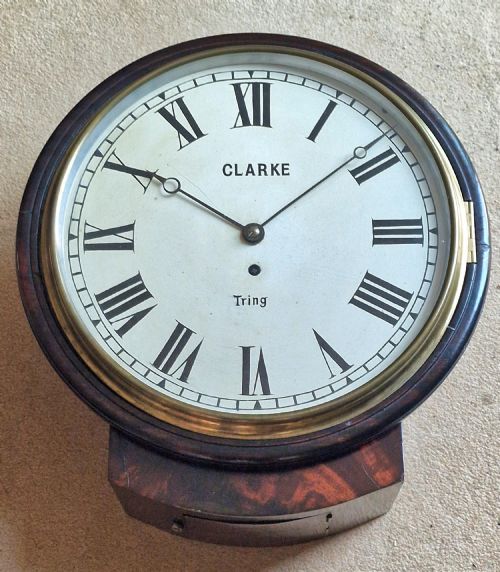
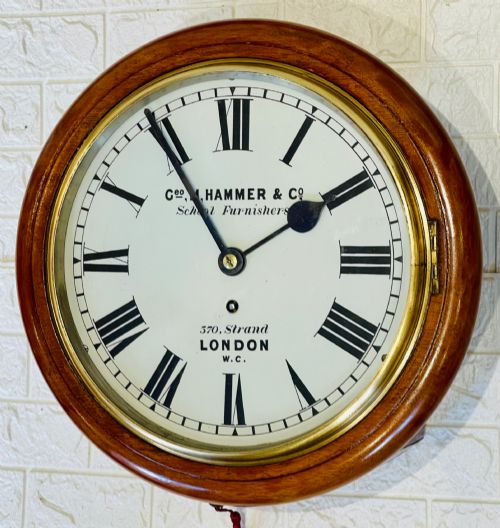
A victorian mahogany fusee clock is primarily encountered as a wall-mounted dial clock or a drop-dial timepiece housed in rich timber. These pieces originated primarily to keep exact time in public offices, railway stations, and domestic hallways throughout the nineteenth century.
The selection ranges from simple eight-inch dial models to large railway clocks bearing company initials and drop-dial variations with brass inlays. Makers working in London and regional towns produced these durable timekeepers using solid mahogany cases paired with painted iron or enamel dials.
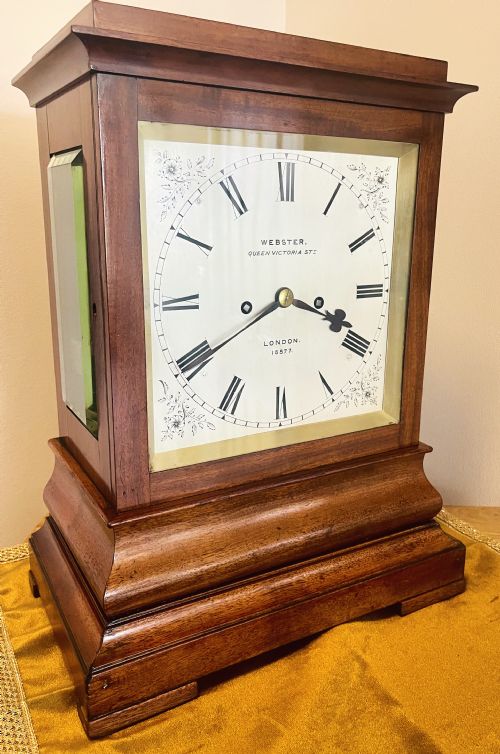
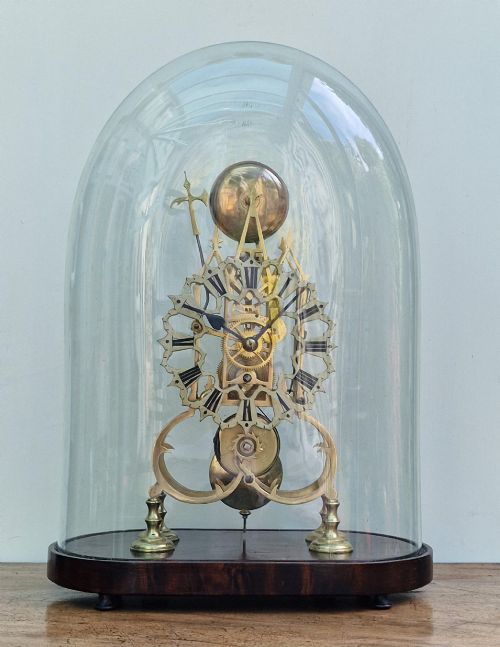
Beyond wall variants, buyers also encounter bracket clocks, skeleton clocks, and five-glass library models featuring twin fusee movements. Each form relies on the core fusee mechanism to equalise the declining power of the mainspring as it unwinds.
How They Were Made
Craftsmen built the housings using solid mahogany, occasionally incorporating rosewood, brass inlay, or mother of pearl to enrich the exterior appearance. The timber was turned or joined into deep drums and trunk cases designed to protect the delicate motion within.
The defining mechanical element is the fusee, a conical pulley with a spiral groove that maintains even tension on the chain or gut line as the spring runs down. Dials were formed from painted iron or enamel, protected by hinged brass bezels holding thick glass.
Victorian Mahogany Fusee Clock Retail Price Guide 2026
Typical asking prices for victorian mahogany fusee clock among the pieces listed under this phrase on Sellingantiques today, from the lower quarter to the upper quarter. They describe what is for sale here now, not the wider market.
Listings feature mahogany, rosewood, and brass materials across Victorian and Regency periods.
What Varies in Quality
Quality rests in the crispness of the movement, the original condition of the painted iron dial, and the depth of the mahogany grain. Maker signatures from respected London workshops or documented railway companies elevate a piece above standard regional items.
Case construction separates ordinary examples from superior ones, particularly where brass inlay, side inspection doors, and well-proportioned drop-dial boxes remain intact without heavy restoration or timber replacement.
J W Benson·Camerer Cuss And Co·D And J Wellby·Henry Harris·Mappin And Webb·John Walker·Dent
The Victorian Mahogany Fusee Clock Glossary
- Fusee
- A conical pulley connected to the mainspring via a chain or cord that ensures even torque and consistent timekeeping as the spring unwinds.
- Drop Dial
- A wall clock design featuring a circular dial at the top and an extended lower trunk case, often used to house a pendulum bob.
- Deadbeat
- An escapement type that stops recoil of the escape wheel, providing higher precision in bracket and library clocks.
- Bracket Clock
- A portable timekeeper designed to sit on a bracket or table, frequently featuring twin fusee movements for striking capabilities.
- Bezel
- The brass ring that holds the glass door protecting the clock face, usually hinged to allow hand setting and winding.
Victorian Mahogany Fusee Clock: Frequently Asked Questions
How do I wind a fusee clock?
Use the appropriate winding key on the dial face, turning gently until resistance indicates the mainspring is fully wound. Avoid over-winding to protect the chain and movement.
Ensure the pendulum is hung securely on its suspension spring before setting the hands to the correct time.
Why do railway clocks have fusee movements?
Railway networks required exact and dependable timekeeping across every station to manage timetables safely. The fusee mechanism delivered this reliability by keeping the force constant as the clock ran.
Company names painted on the dials marked their official service on specific routes.
Where should I hang a wall dial clock?
Mount the clock on a sturdy internal wall where temperature fluctuations and vibrations from doors are minimal. A secure fixing supports the weight of the mahogany case and heavy movement.
Leave sufficient clearance below drop-dial models for the pendulum to swing freely.
How do I identify the period of a clock?
Examine the timber, dial construction, and fixing methods to determine the likely decade of manufacture. Nineteenth-century examples often feature solid mahogany framing and hand-painted iron dials.
Maker signatures and railway provenance stamps further narrow down the production era.