

Victorian Mahogany Cupboard Cabinet
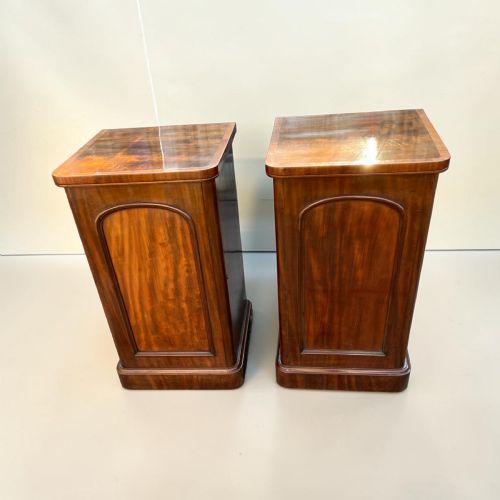
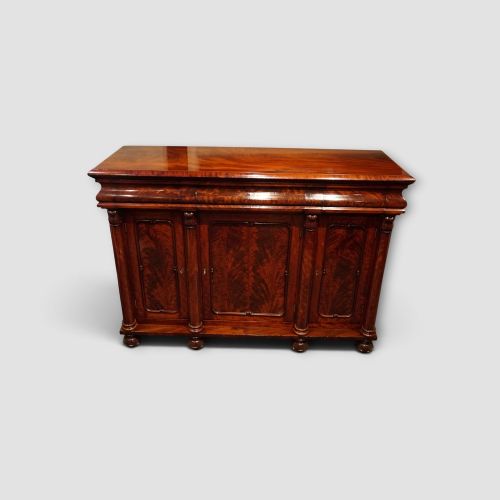
A victorian mahogany cupboard cabinet brings solid timber utility and rich grain into a room, serving as a practical storage piece with period character.
Victorian Mahogany Cupboard Cabinet
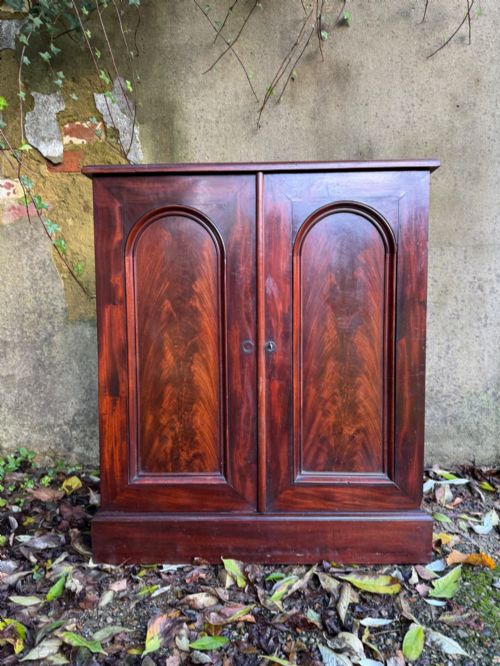
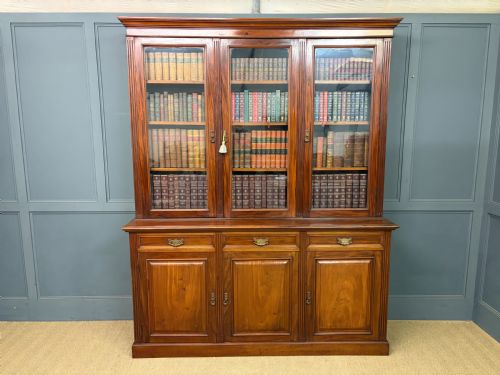
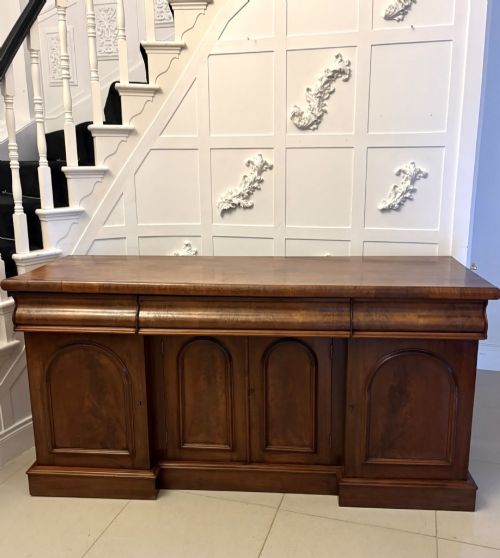
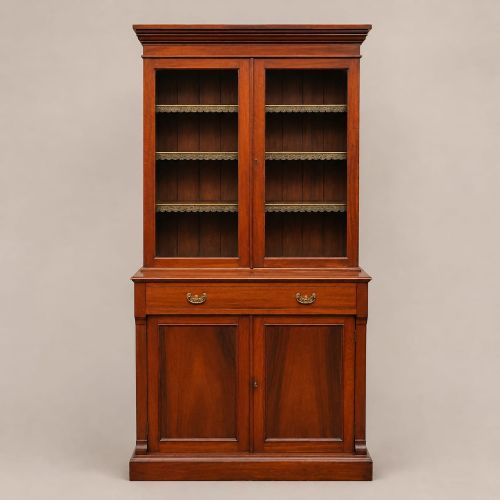
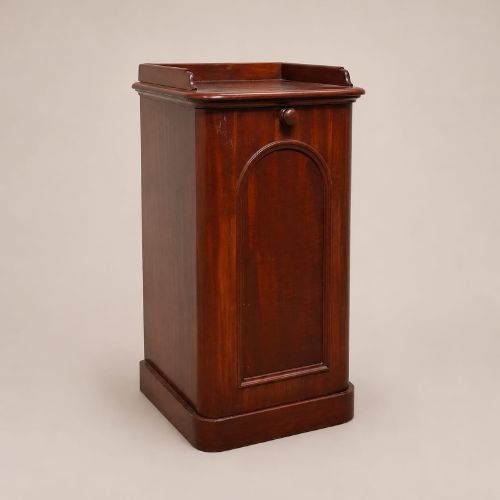
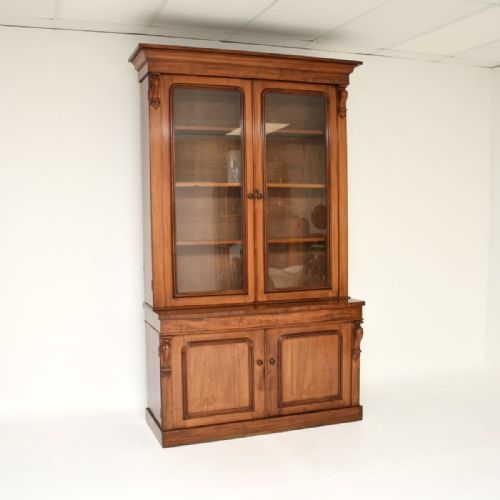
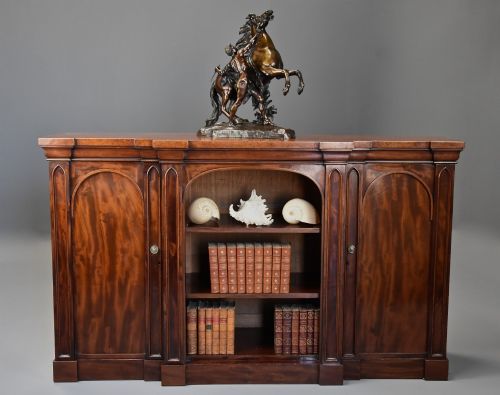
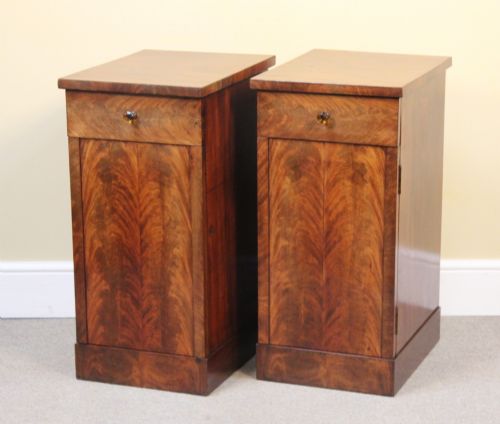
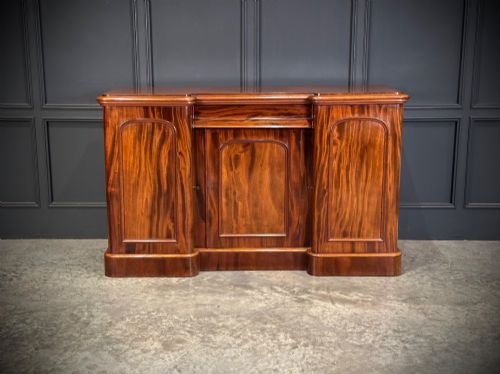
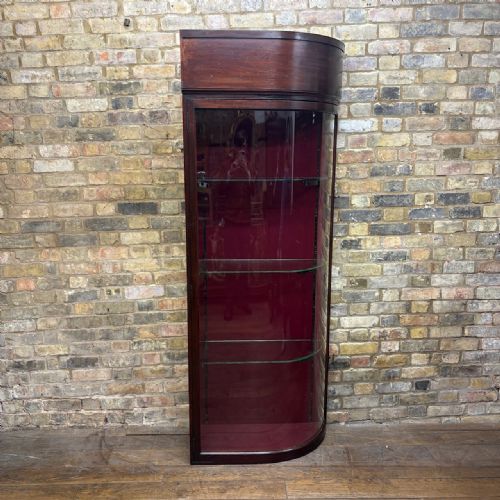
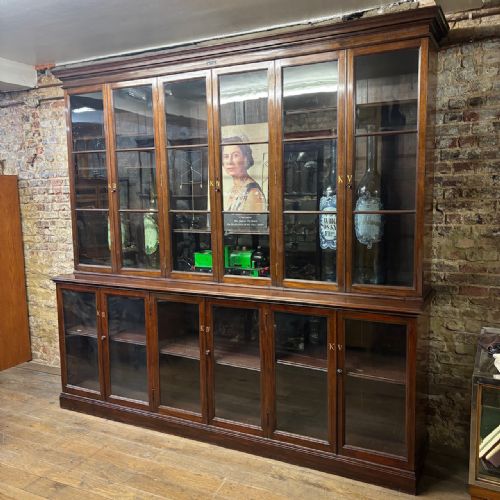
A buyer searching for a victorian mahogany cupboard cabinet encounters sturdy storage furniture primarily from the nineteenth century, ranging from tall library bookcases and breakfront sideboards to compact bedside tables and pot cupboards. The selection reflects the robust domestic requirements of the period, executed in versatile forms that ranged from utilitarian hall cupboards to refined glazed display units.
Most pieces date from the Victorian era and the broader nineteenth century, alongside occasional Edwardian examples and revivals referencing William IV, Sheraton, or Gothic styles. These functional items served varied rooms in historical homes, functioning as linen presses, wine cellarettes, side cabinets, and archive storage units.
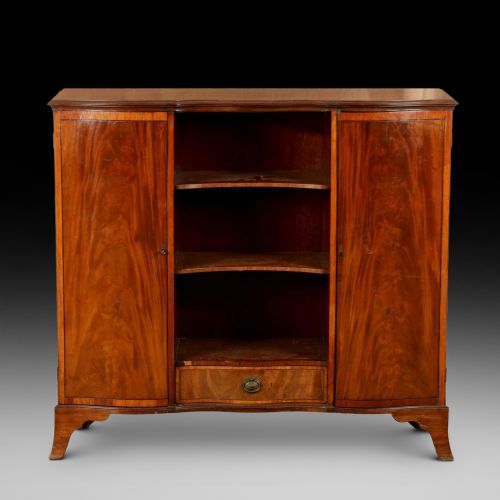
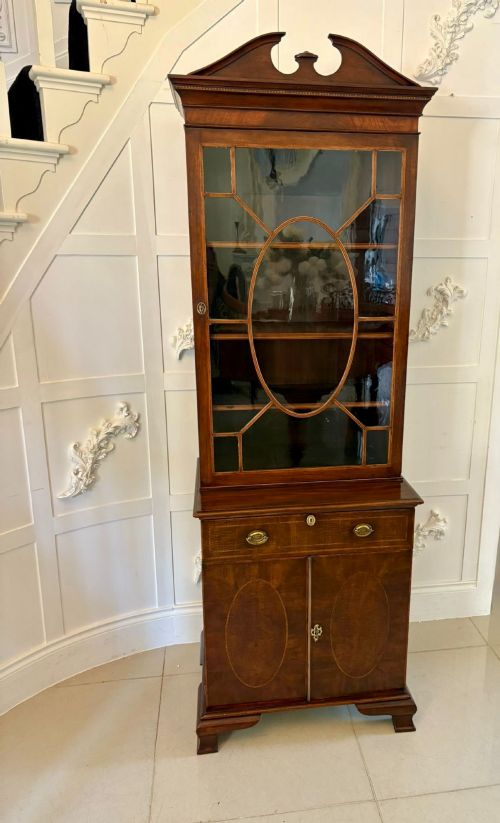
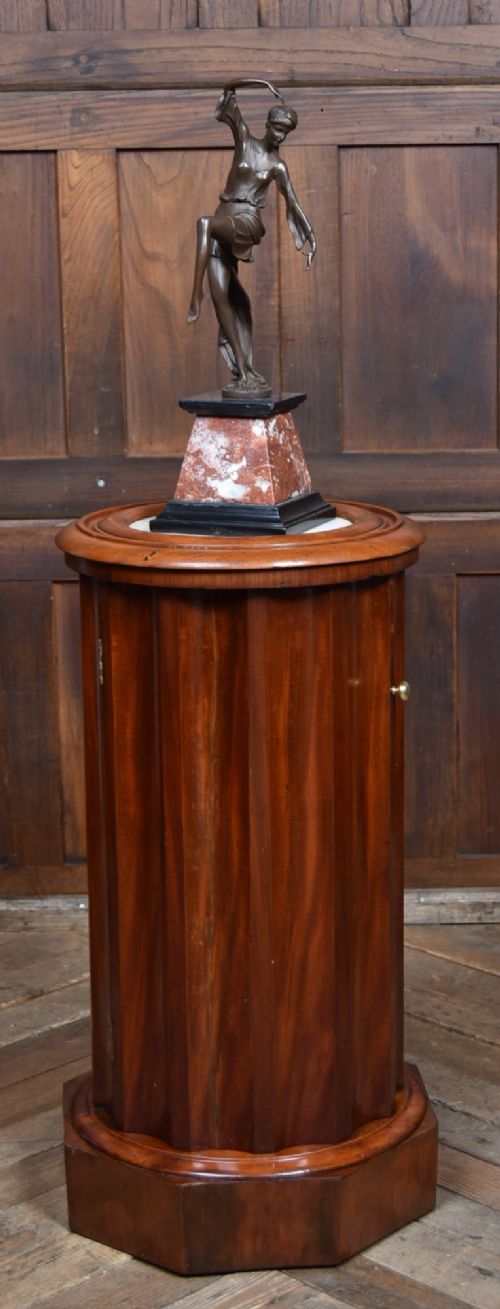
The objects span simpler regional pieces and grand multi-door breakfront bookcases, demonstrating how standard domestic furniture adapted to different interior scales. Common configurations include two-door base cupboards paired with glazed upper bookcases, cylindrical pot cupboards, and serpentine-fronted side cabinets.
Materials and Construction
Makers utilised solid mahogany and flame mahogany veneer over secondary timbers, often accentuating the surfaces with satinwood crossbanding, brass fittings, and glass panels. The rich reddish-brown timber provided a stable carcass capable of taking a high polished finish.
Construction techniques involve traditional joinery adapted to heavy storage requirements, incorporating reeded stiles, moulded cornices, and panelled doors. Finer examples integrate marble tops or delicate inlay work within the classical structural framework.
Victorian Mahogany Cupboard Cabinet Retail Price Guide 2026
Typical asking prices for victorian mahogany cupboard cabinet among the pieces listed under this phrase on Sellingantiques today, from the lower quarter to the upper quarter. They describe what is for sale here now, not the wider market.
The listings feature nineteenth-century mahogany alongside satinwood, brass, glass, and marble elements across various bookcase and cupboard forms.
Distinctions in Execution
Quality separates pieces through the selection of timber figures, such as highly figured flame mahogany veneer, and the crispness of cabinet-making details like inlaid satinwood stringing and reeded stiles. Superior examples display balanced proportions and harmonious secondary woods rather than purely utilitarian construction.
The integration of decorative elements, including Gothic influence or Sheraton revival details, marks the difference between standard workshop production and finer bespoke cabinet work.
Jas Shoolbred·Wilkinson and Son
The Victorian Mahogany Cupboard Cabinet Glossary
- Breakfront
- A piece of furniture where the central section projects forward from the flanking wings. This architectural arrangement creates depth and visual interest on large bookcases and sideboards.
- Pot cupboard
- A small bedside cabinet originally designed to house a chamber pot. These compact units typically feature a single door and sometimes a marble top.
- Crossbanding
- A narrow strip of veneer laid perpendicularly to the main grain around the border of a panel. It frames the central timber and demonstrates refined cabinet-making skill.
- Linen press
- A tall cupboard featuring sliding trays or shelves enclosed by doors, traditionally used for storing folded textiles. Many examples sit upon a chest of drawers base.
Victorian Mahogany Cupboard Cabinet: Frequently Asked Questions
What is a pot cupboard?
A pot cupboard is a small bedside cabinet featuring a single door and often a marble top, originally designed to enclose a chamber pot.
These compact items now serve as convenient bedside tables or small storage units in contemporary bedrooms.
How do I identify a Victorian bookcase?
Victorian bookcases typically employ solid mahogany or flame mahogany veneer, often displaying glazed upper doors and panelled lower cupboard bases.
Details like reeded stiles, moulded cornices, and traditional nineteenth-century joinery help distinguish these pieces from later revivals.
Where were these cabinets used?
These storage pieces served various rooms in nineteenth-century homes, including libraries, dining rooms, hallways, and bedrooms.
Library bookcases held heavy volumes, sideboards managed dining ware, and smaller cupboards functioned as bedside storage.
What is flame mahogany?
Flame mahogany is a decorative veneer obtained from the junction where a tree branch meets the main trunk, creating a swirling, flame-like pattern.
Cabinet makers used this figured wood on prominent surfaces like door panels to showcase rich grain contrasts.