
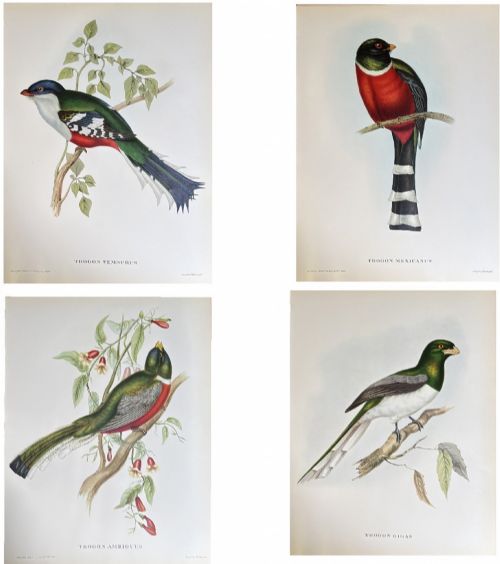
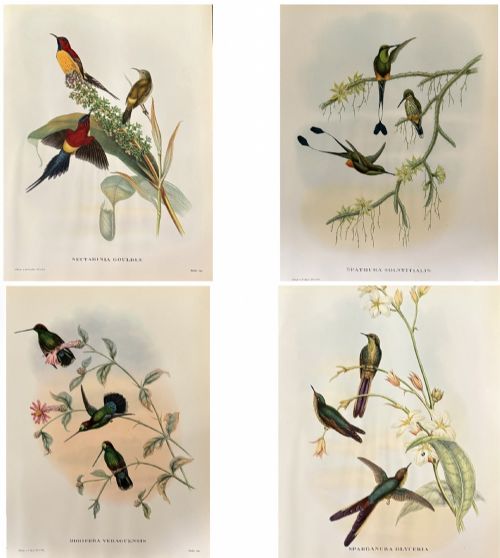
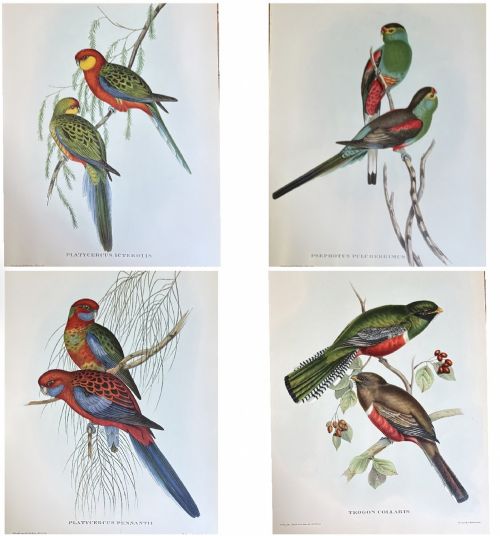
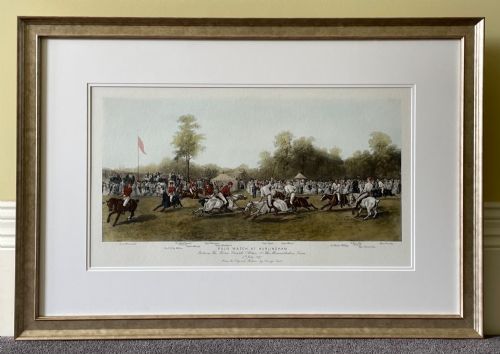
Victorian Lithograph Artwork
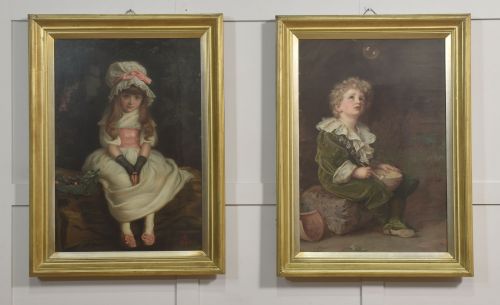
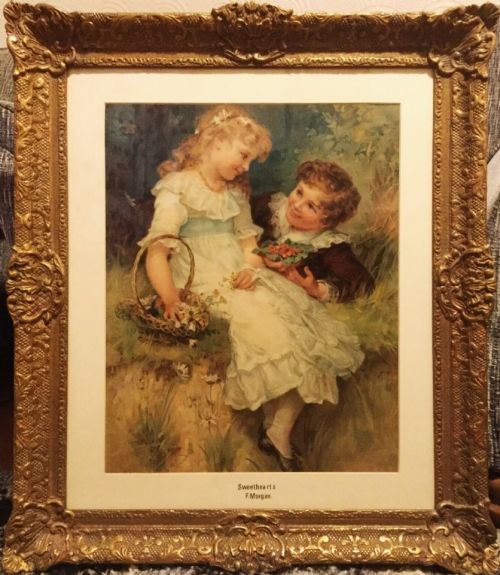
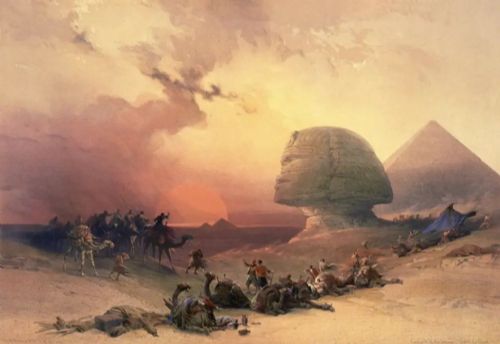
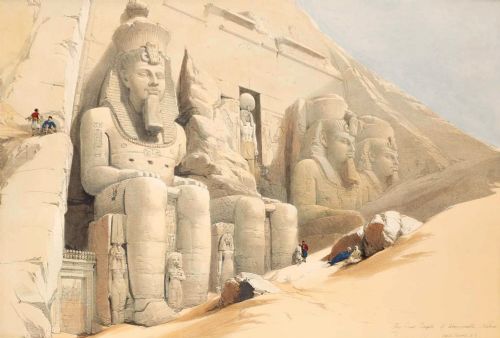
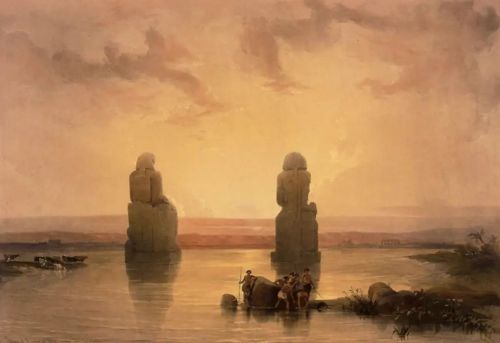
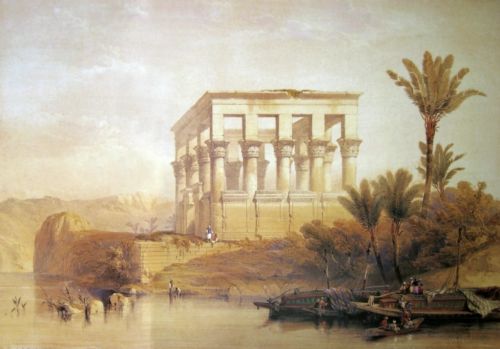
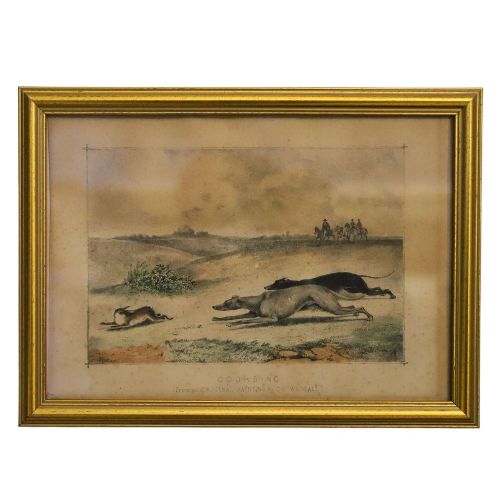
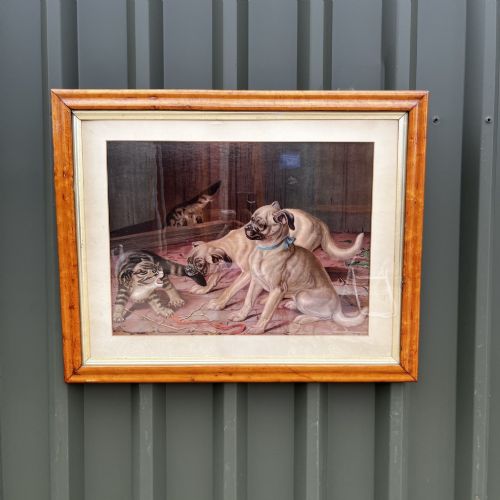
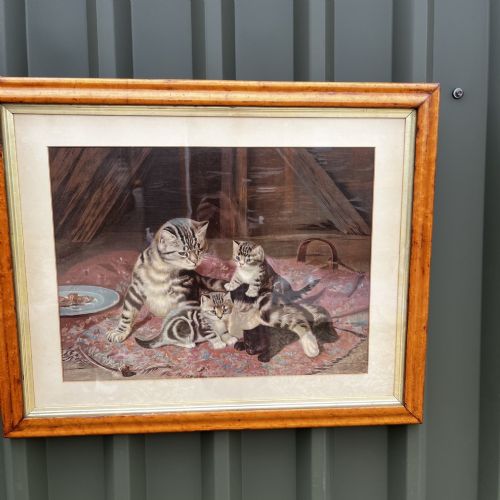
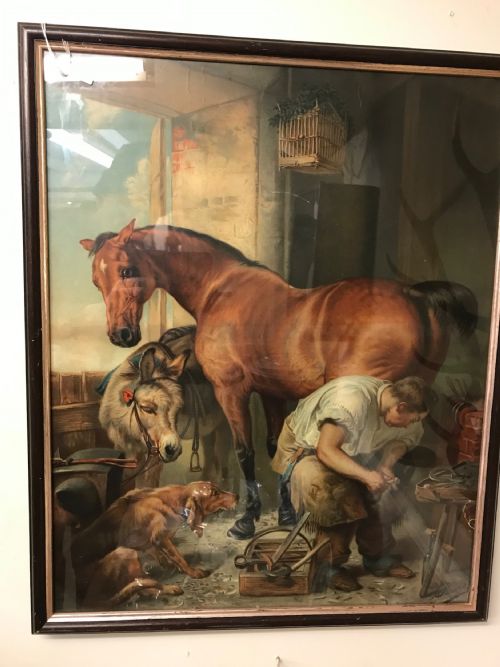
These Victorian lithograph artwork pieces bring historical scenes, natural history, and portraiture onto paper through ink, often held behind glass in gilt wood frames.
Victorian Lithograph Artwork
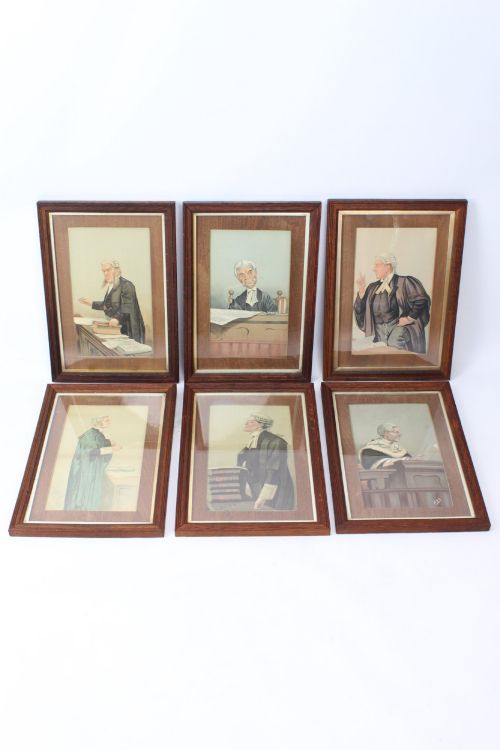
Victorian lithograph artwork encompasses printed sheets and framed prints spanning the nineteenth century into the twentieth century. Buyers seeking this category encounter subjects ranging from advertising prints and satirical portraits to natural history studies and topographical views.
The material forms on this page include framed prints, wall art, and unframed sheets. Many examples originate from serial publications, advertising campaigns, and artistic portfolios produced during the Victorian and Edwardian eras.
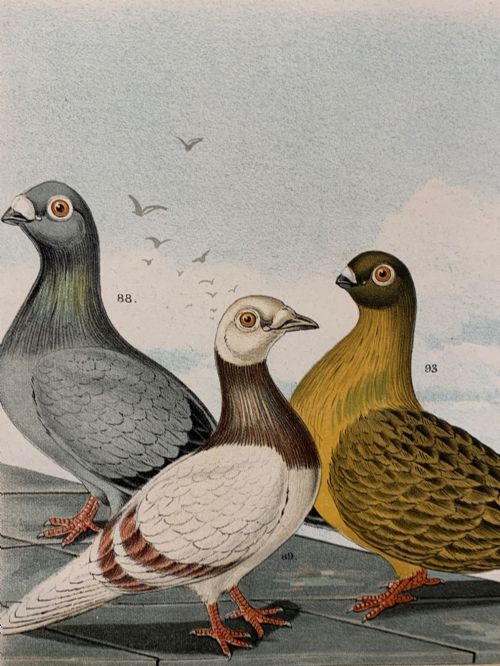
Common visual themes include sporting scenes, architectural plans, animal studies, and theatrical subjects. These works capture popular culture, scientific recording, and domestic taste from the period.
How they were made
These works rely primarily on paper sheets marked with ink through lithographic processes, sometimes enhanced with colour printing techniques like chromolithography. Production involved drawing designs onto stone plates before transferring the ink onto paper surfaces.
Many surviving examples are housed within glass fronts and wooden frames, often finished with gesso, gilt wood, or gold leaf mouldings. The physical presentation combines the printed paper with period framing materials to protect the delicate ink work.
Listings feature paper, ink, and glass materials combined within wood, giltwood, and gesso frames across the Victorian and Edwardian periods.
What varies in quality
Quality differences depend largely on the clarity of the ink transfer and the vibrancy of the original printing process, particularly in multi-coloured chromolithographs. Sharpness of line and depth of tone distinguish works printed directly from primary stones or plates.
The preservation of the paper support and the originality of the framing components contribute significantly to the standing of an individual piece. Period frames finished in gold leaf or gesso add material substance that elevates the overall presentation.
David Roberts·Horatio Henry Couldrey·Louis Wain·Charles Edward Wilson
The Victorian Lithograph Artwork Glossary
- Lithograph
- A print produced by drawing an image on a limestone slab or metal plate using a greasy medium so that ink adheres only to the drawn areas. This planographic printing method allows for fine tonal gradations.
- Chromolithograph
- A colour lithograph produced using a separate stone or plate for each individual hue applied to the paper. This technique creates rich, multi-coloured pictorial surfaces.
- Gesso
- A plaster-like mixture applied to wooden frames as a smooth base before gilding or painting. It provides the foundation for decorative mouldings.
- Giltwood
- Wood carved and coated with gold leaf or metallic paint to create a lustrous decorative surface. It frequently frames nineteenth-century prints.
- Pears Print
- A reproduction print originally issued by the Pears soap company for advertising or promotional calendar purposes. These prints often featured popular Victorian paintings.
Victorian Lithograph Artwork: Frequently Asked Questions
What is a Victorian lithograph?
A Victorian lithograph is a printed image created during the nineteenth century using planographic stone printing techniques. These works served as popular art, illustration, and advertising.
Subjects ranged from satirical portraits to natural history studies and topographical views. They provide a direct window into the visual culture of the era.
How do I identify a chromolithograph?
A chromolithograph uses multiple layered ink colours applied through separate printing plates. Examining the surface under magnification reveals small coloured dots or patterns rather than a solid painted layer.
These prints display rich, vibrant hues that distinguish them from hand-coloured or single-ink impressions. The register of colours remains a key characteristic of the method.
Were these prints framed originally?
Many Victorian prints were sold unframed or issued as magazine supplements, meaning current frames often date from various periods of the nineteenth and twentieth centuries. Owners frequently had popular sheets mounted behind glass.
Original frames typically feature wooden construction finished with gesso and gold leaf. Matching a print to its period frame enhances the historical context.
How should I care for lithograph art?
Paper and ink require protection from direct sunlight and excessive moisture to prevent fading and foxing. Keeping pieces behind glass helps shield the delicate surfaces from atmospheric pollutants.
Displaying works in stable indoor environments preserves both the paper support and any wooden or gilt framing. Gentle dusting of the frame exterior is all that is normally required.