


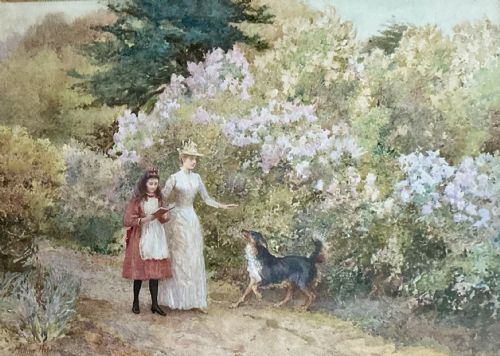


19th Century Historical Print
A 19th century historical print captures events, portraits, and scenes of the era through ink and paper.
19th Century Historical Print
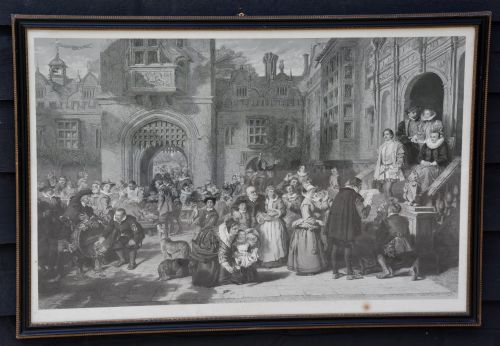
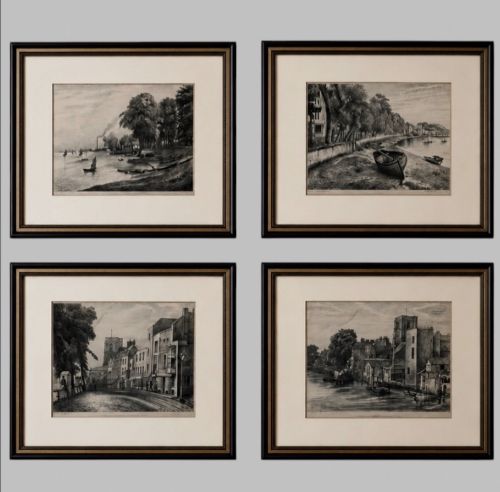
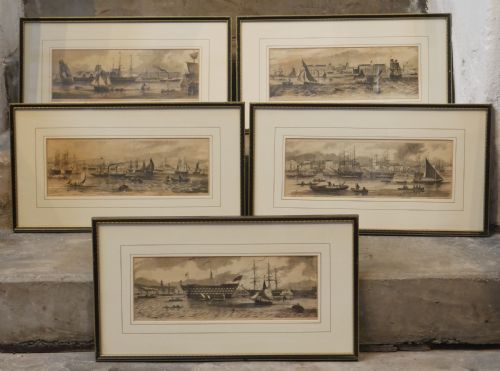
A 19th century historical print encompasses engraved, lithographic, and drawn records of significant events, portraits, and topographical views from the period. These pieces document naval reviews, political allegories, military formations, and maps produced across the nineteenth century.
The selections found here frequently include framed engravings, hand-coloured lithographs, and cartographic works originating from Georgian, Regency, and Victorian eras. Subjects span from royal portraits and political figures to naval docks and battle scenes.
Buyers encounter framed items housed in period surrounds such as original Hogarth frames and giltwood frames. The primary forms include wall art, framed prints, and watercolours that reflect the visual culture of the nineteenth century.
Materials and methods of production
Works utilise paper as the primary support, combined with ink, watercolour, and occasional hand-colouring applied to lithographs and engravings. Printers and engravers employed steel and wood blocks alongside stone plates to transfer detailed topographical, political, and portrait subjects.
Enclosures and presentation rely heavily on wood, glass, and gilt frames. Many pieces retain original Hogarth frames or heavy giltwood surrounds that complement the ink and watercolour mediums.
Listings feature paper, ink, and watercolour mediums set within wood, glass, and giltwood frames across Georgian and Victorian periods.
Judging the standard of execution
Distinctions in quality arise from the sharpness of the ink impression and the precision of the engraving or lithographic technique. Finer examples display crisp line work and well-preserved hand-colouring that retains its original tone.
The physical presentation heavily influences overall merit, particularly the presence of period-appropriate framing such as original Hogarth or substantial giltwood surrounds that protect the paper artwork.
William Day·J.C Burgess·Jonathan Couch·W. Roffe·Thomas Worth·David Wilkie·H.P. Parker·J. Duncan·C. Smith·J.R. Thompson
The 19th Century Historical Print Glossary
- Engraving
- An intaglio printmaking technique where an artist cuts lines into a metal plate to hold ink. This method produces fine, highly detailed lines on paper.
- Lithography
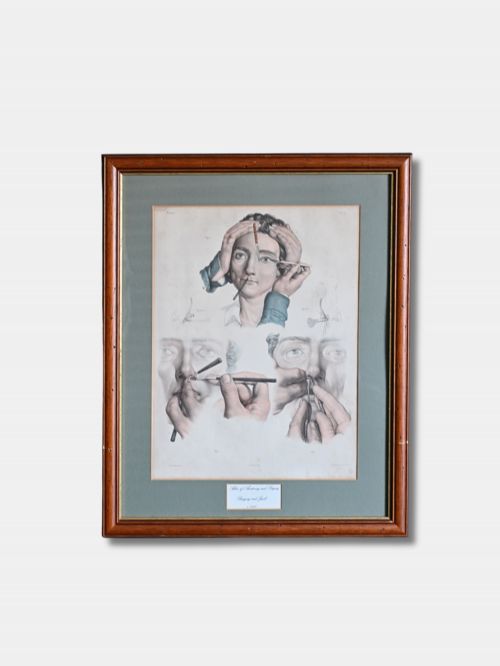
- A planographic printing process based on the repulsion of oil and water on a limestone or metal plate. It allows for smooth tonal gradations and hand-colouring.
- Hogarth frame
- A distinctive narrow wooden picture frame with a profile line, popular during the eighteenth and nineteenth centuries for works on paper.
- Cartography
- The science and practice of drawing maps. Antique examples from this era record geographical knowledge of North America, Europe, and domestic counties.
- Allegorical print
- An artwork that uses symbolic imagery to convey a moral, political, or historical concept. These prints often comment on contemporary national events.
19th Century Historical Print: Frequently Asked Questions
How do I date a historical print?
Dates often rely on printed publication lines, specific historical events depicted, or accompanying cartographic markers. Watermarks in the paper and framing styles provide additional chronological clues.
Examinations of the printing medium, such as distinguishing early steel engravings from later lithographs, help narrow the production window.
Are these prints usually hand-coloured?
Some lithographs and engravings feature contemporary hand-colouring applied with watercolour washes, while others remain in monochrome ink. Colouring was often added in the workshop to enhance specific details like uniforms or costumes.
Closer inspection under magnification reveals whether pigment sits on top of the printed ink lines.
How should I frame and display them?
Paper works require protection from direct sunlight and high humidity to prevent fading of the ink and watercolour pigments. Acid-free mounting prevents the paper from degrading against the backing.
Many collectors prefer retaining original frames like Hogarth or giltwood designs when structurally stable.
What subjects are most common?
The selection includes naval reviews, military battles, political allegories, royal portraits, and detailed regional maps. Subjects reflect the public interests and historical milestones of the Georgian and Victorian periods.
Topographical views of London, domestic counties, and North America also appear frequently among the plates.