

Antique Portrait Picture Frame
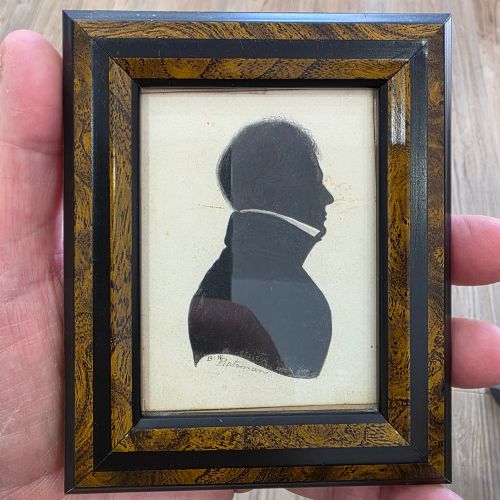
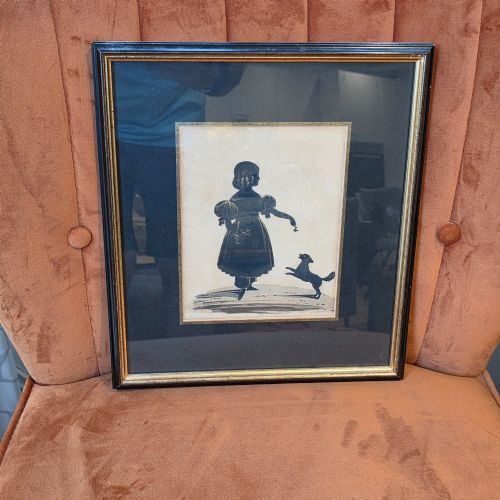
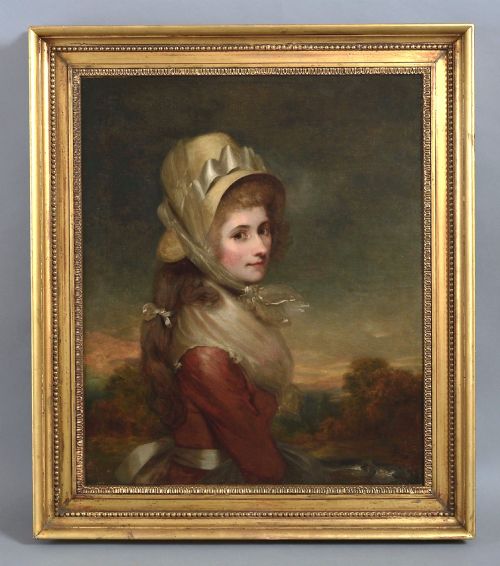
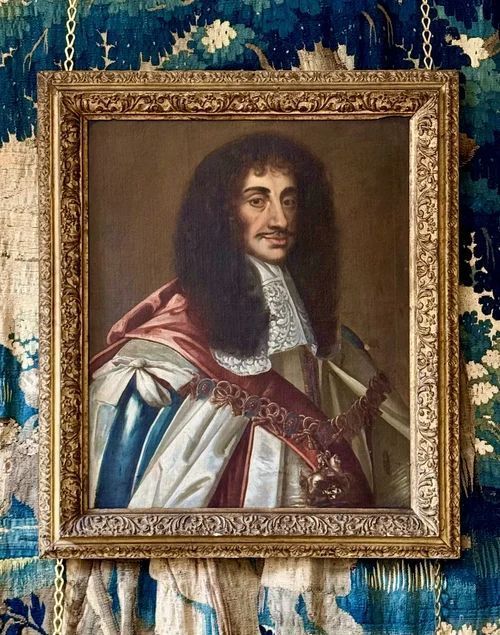
An antique portrait picture frame houses painted, carved or silhouetted likenesses from past centuries, offering a tangible link to historical craftsmanship and portraiture.
Antique Portrait Picture Frame
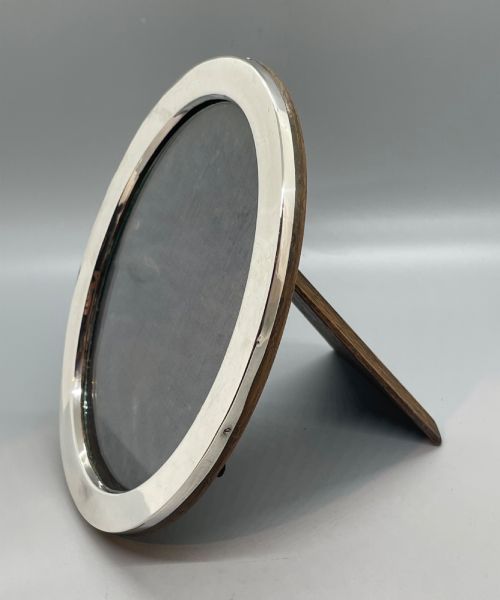
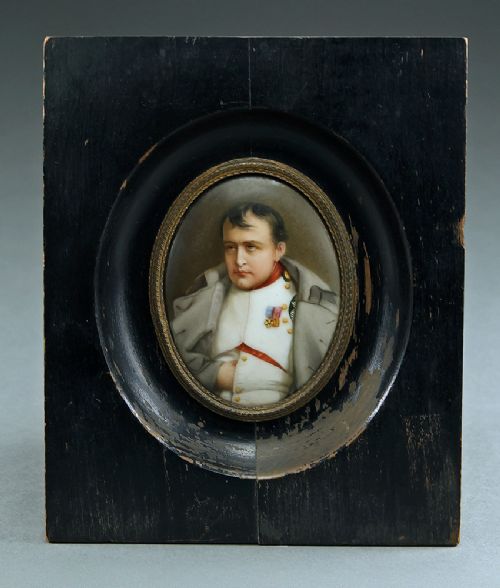
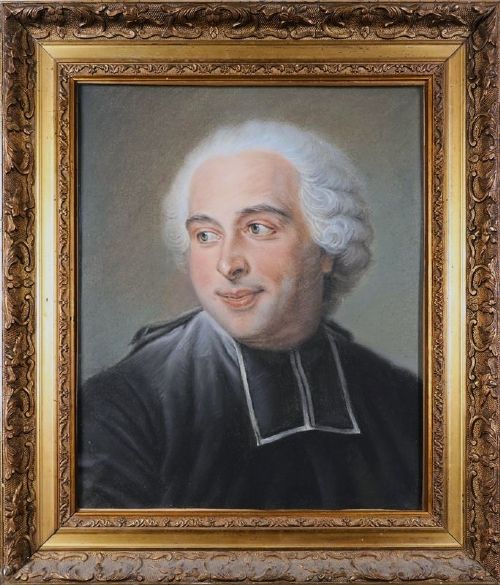
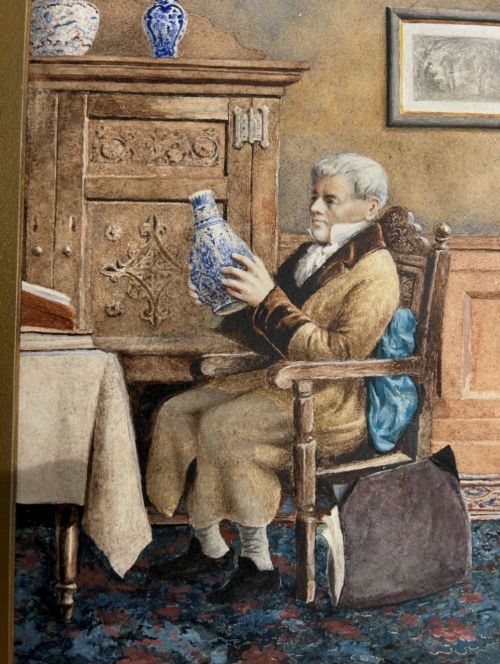
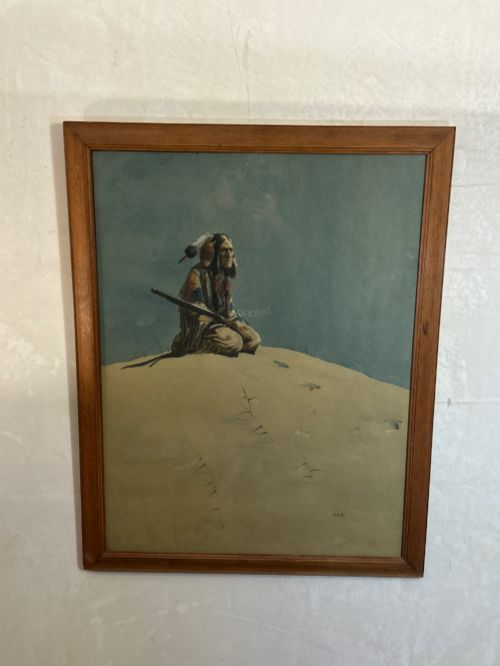
An antique portrait picture frame encloses historic depictions of individuals or groups, ranging from formal oil paintings and watercolours to delicate paper silhouettes and photographs. These pieces emerge from periods spanning the seventeenth century through the twentieth century, reflecting the prevailing aesthetic tastes of their respective eras.
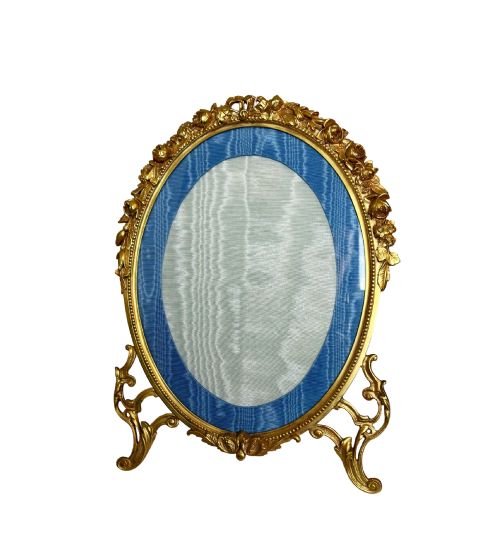
The selections encountered here frequently unite portrait art with period framing materials such as carved wood, gilt elements and precious metals. Common styles represented across these listings include Georgian, Victorian, Regency, Edwardian, Baroque, Rococo Revival and Art Nouveau.
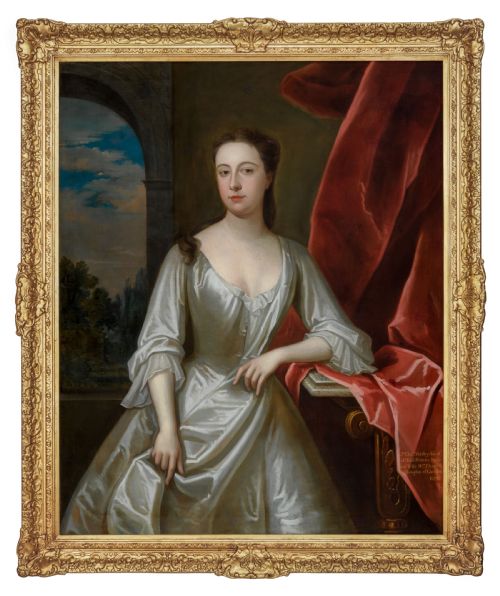
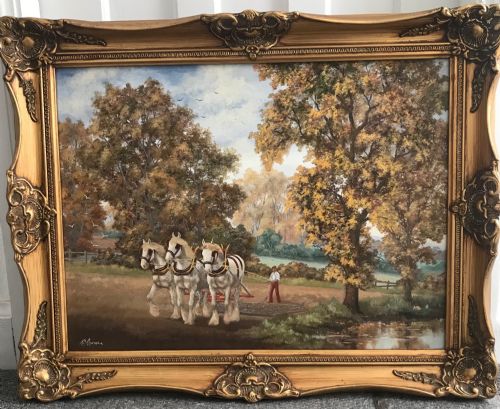
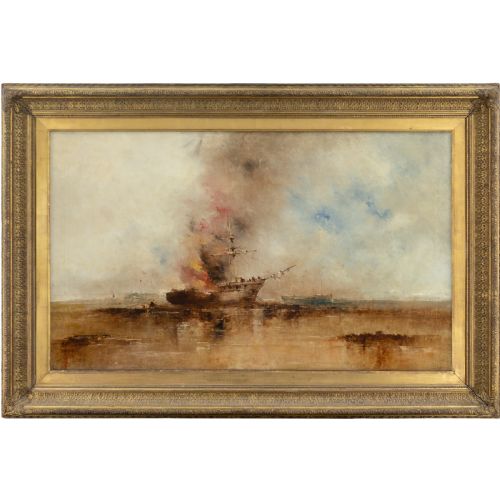
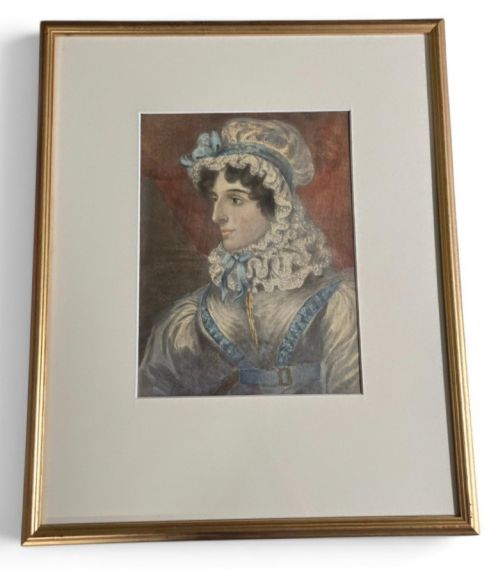
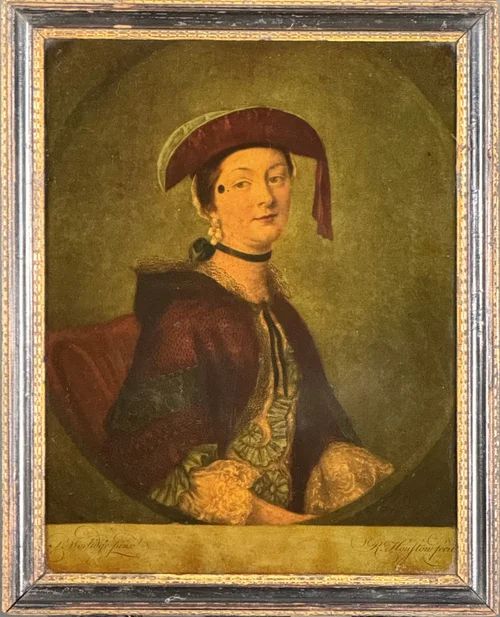
Buyers seeking an antique portrait picture frame will find both complete framed artworks and standalone housings designed to hold personal likenesses. The objects range from intimate domestic silhouettes to large canvas portraits set within ornate giltwood surrounds.
Materials and construction
The physical construction of these objects relies heavily on traditional woodworking and metalworking techniques, utilising materials such as solid wood, gesso, glass and sterling silver. Many frames incorporate applied gold leaf or bronze finishes to achieve rich, reflective surfaces.
Artworks housed within these pieces demonstrate diverse methods of creation, including oil on canvas, watercolour painting, pastel drawing, cut paper silhouettes and stipple engraving. Structural elements often feature carved ornamentation characteristic of periods like the Baroque and Rococo Revival.
Materials documented across the inventory include sterling silver, oil on canvas, giltwood, glass and paper.
Evaluating craftsmanship and condition
Quality in these items is determined by the precision of the carving, the integrity of the gilding and the preservation of the original materials. Superior examples display crisp detail in moulded or carved ornamentation without heavy restoration obscuring the hand of the maker.
The harmony between the artwork and its housing influences the overall standard of the piece, particularly where original frames remain paired with contemporaneous portraits. Finer items exhibit careful joinery, intact backing materials and well-preserved surface finishes that reflect their historical period.
Sir Godfrey Kneller·William James Hubard·Sir Anthony van Dyck·Sir Peter Lely·Charles Spooner·Sir Joshua Reynolds·William Comyns·Augustin Edouart
The Antique Portrait Picture Frame Glossary
- Giltwood
- Wood that has been coated with a thin layer of gold leaf or gold powder over a prepared gesso ground. This finish appears frequently in decorative framing from the seventeenth century onward.
- Silhouette
- A portrait profile cut from dark paper or painted onto a pale background, popular during the eighteenth and nineteenth centuries. These works often feature in compact personal frames.
- Sterling silver
- A silver alloy containing ninety-two point five percent silver by mass, widely utilised for domestic photograph frames during the Victorian and Edwardian eras.
- Stipple engraving
- A printmaking technique using dots of varying density to create tonal gradations and lifelike portraits. This method was common in eighteenth-century British print production.
- Baroque
- An ornate artistic style spanning the seventeenth and early eighteenth centuries, characterised by dramatic movement and deep relief carving in architectural and framing elements.
Antique Portrait Picture Frame: Frequently Asked Questions
How do I date an antique portrait frame?
Dating relies on observing stylistic markers such as moulding profiles, corner construction methods and the composition of the underlying wood or gesso. Specific decorative motifs often align with recognised periods like Regency or Edwardian design.
Examining the physical wear patterns and any accompanying labels or hallmarks provides further chronological context. Silver components frequently feature assay office marks that pinpoint the exact year of manufacture.
Are these frames sold with the portraits inside?
Many listings combine the original portrait and frame as a unified historical object, particularly with oil paintings, watercolours and period silhouettes. These works were often conceived as complete decorative entities by their creators.
Other items function primarily as housings designed to display photographic portraits or interchangeable prints. Each listing specifies whether the artwork is included with the surrounding structure.
How should I clean a giltwood frame?
Maintenance requires gentle removal of surface dust using a soft, dry artist brush or a clean microfibre cloth. Moisture and chemical cleaners must be avoided to prevent damage to delicate gold leaf and gesso layers.
Preserving the original surface patina ensures the longevity of the finish. Professional conservation advice should be sought if structural stabilisation or deep cleaning becomes necessary.
What distinguishes Edwardian silver frames from Victorian ones?
Edwardian silver frames often exhibit lighter, more fluid Art Nouveau influences or neoclassical revival patterns following the turn of the twentieth century. Hallmark dates on the silver mount provide definitive confirmation of the production era.
Victorian pieces tend to feature heavier gauge metalwork with denser ornamentation reflecting historical revivals. Both periods utilised Birmingham and Sheffield silversmithing workshops extensively.