


Gilt Framed Lithograph Print
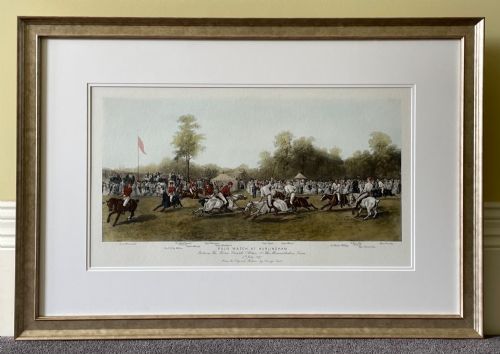
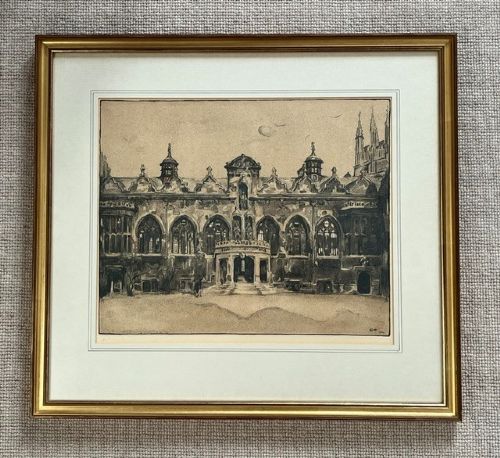
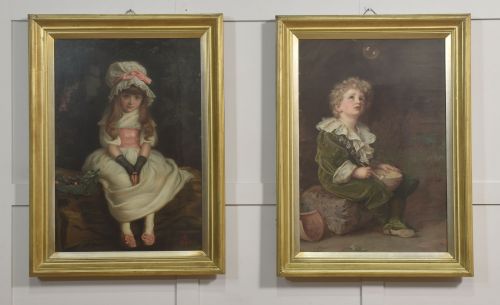
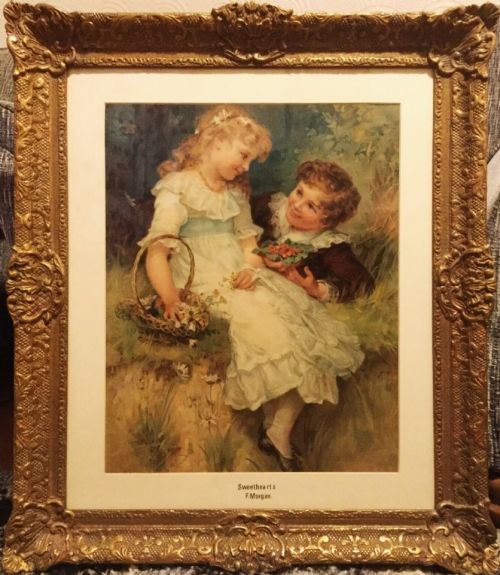
These gilt framed lithograph print pieces offer a glimpse into past centuries through ink on paper held within wooden moulding.
Gilt Framed Lithograph Print
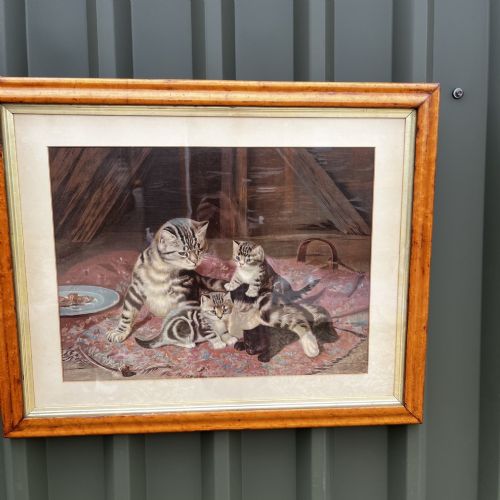
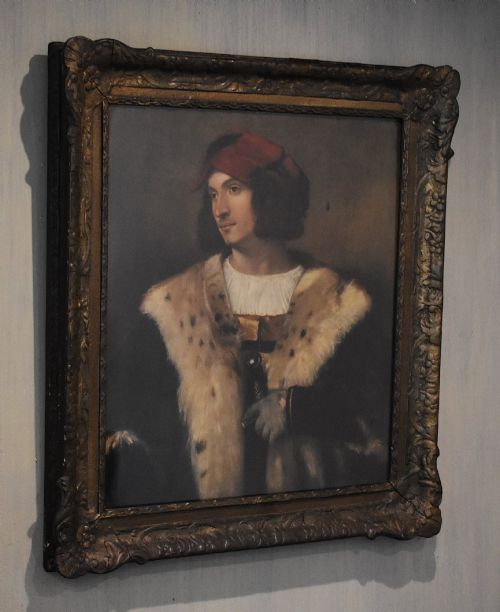
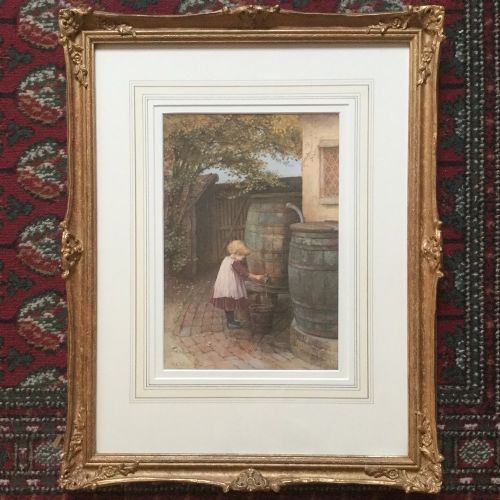
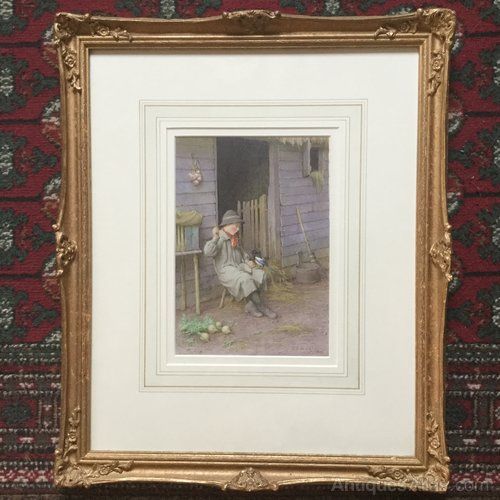
A gilt framed lithograph print brings together paper works and decorative borders spanning the eighteenth, nineteenth, and twentieth centuries. These items range from advertising posters and sporting scenes to ornithological studies and architectural views created across various European workshops.
Buyers will encounter subjects such as animal portraits, historical figures, and topographical maps originating from Victorian, Edwardian, and Regency periods. The enclosing frames utilise gold leaf or gesso over timber to complement the printed imagery within.
How they were made
The method relies on planographic printing from stone plates, sometimes finished with hand colouring or chromolithography to build up multiple hues on paper. Workers then mounted these sheets behind glass within protective wooden surrounds.
Mouldings were finished with layers of gesso before applying gold leaf or gilt paint to create reflective surfaces. Joinery on the frames typically involves traditional corner mitres secured with pins or glue.
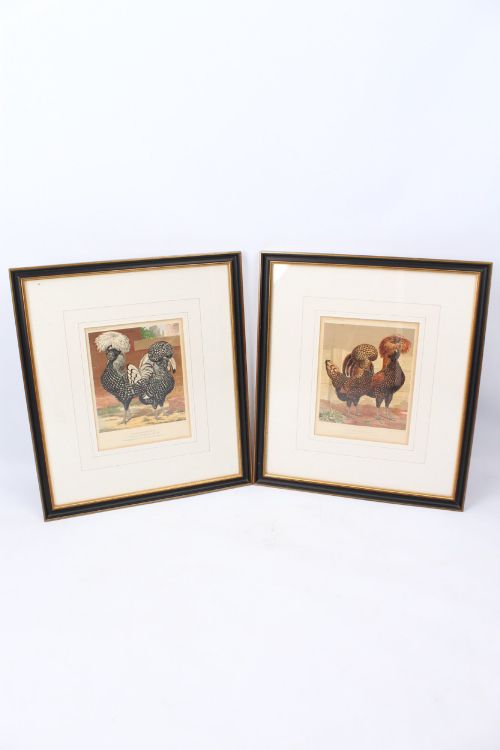
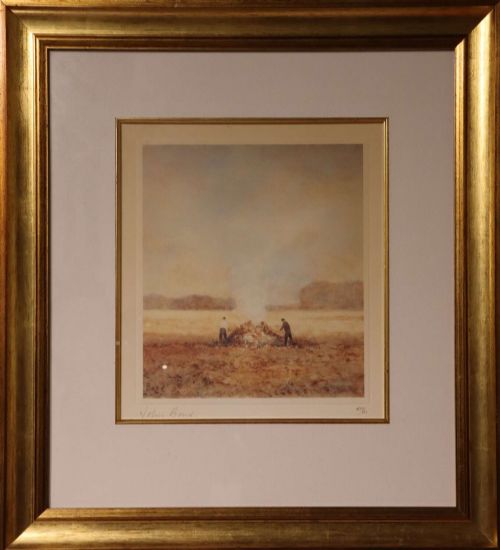
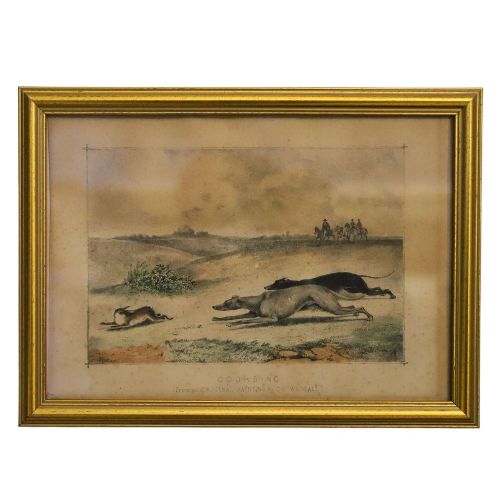
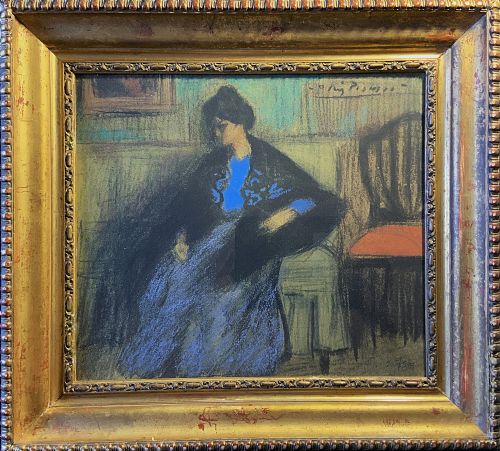
The selection includes subjects ranging from avian studies and sporting matches to portraiture and architectural views.
What varies in quality
Distinctions in standard rest upon the crispness of the inked lines and the fidelity of any applied colour against the paper surface. Stronger examples display clear registration and minimal fading from light exposure over time.
The craftsmanship of the enclosing woodwork also dictates the tier, with hand-carved gesso details and intact gilding holding greater distinction than plain or heavily restored surrounds.
Sir William Nicholson·John Bond·C H Weigall·Pablo Picasso·Horatio Henry Couldrey·Charles Edward Wilson·Charles Burton Barber·T M Baynes·Jean Hardy·David Roberts·Victor Adam·William Powell Frith·Edward Lear·Frank Dadd
The Gilt Framed Lithograph Print Glossary
- Lithography
- A planographic printing process based on the antipathy of oil and water, utilising a flat stone or metal plate. This technique allowed artists to produce detailed tonal gradations on paper.
- Chromolithography
- A colour lithographic technique employing a separate stone for each hue. Multiple passes built up rich, polychromatic images popular for advertising and botanical illustrations.
- Gesso
- A plaster mixture applied to wood frames as a base for gilding. It provides a smooth surface that can be moulded or carved before applying gold leaf.
- Giltwood
- Timber decorated with gold leaf or gold paint. It forms the reflective border seen on traditional wall art.
- Pochoir
- A stencil-based printing method used to apply vibrant colours by hand. It frequently accompanied lithographic plates to add precise tints.
Gilt Framed Lithograph Print: Frequently Asked Questions
How do I hang a heavy gilt framed lithograph print safely?
Use secure wall anchors matched to the weight of the timber and glass assembly rather than relying on standard picture wire alone.
Ensure the hanging cord or D-rings are firmly attached to the wooden frame back to distribute the load evenly.
Can I place these prints in direct sunlight?
Ultraviolet light causes paper and applied pigments to fade significantly over extended periods. Position works away from windows to preserve the original tones.
Specialist conservation glass can also offer protection against harmful rays if bright placement is unavoidable.
What indicates an antique frame versus a replacement?
Examine the back of the work for aged wood, old fixings, and historical backing paper that match the stated period of the piece. Hand-applied gesso and subtle wear on the gold leaf also point to original manufacture.
Modern staples, particle board backs, and machine-cut mouldings suggest the frame was added later.