
Victorian Linen Cupboard
A victorian linen cupboard provides substantial domestic storage through sturdy timber construction, offering both functional shelving and traditional character for the modern interior.

Victorian Linen Cupboard
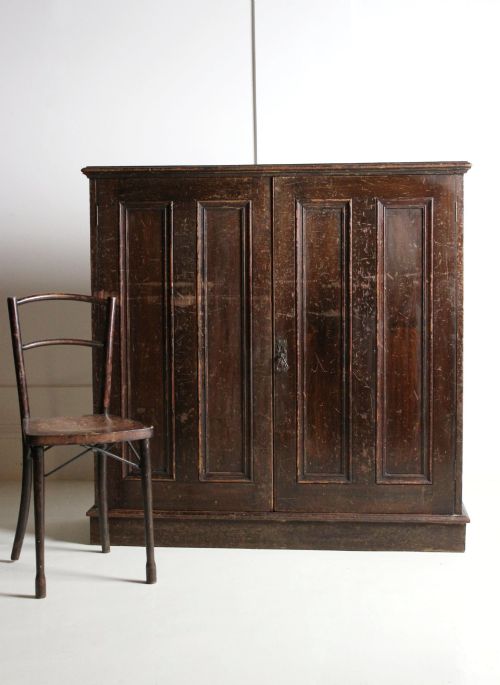
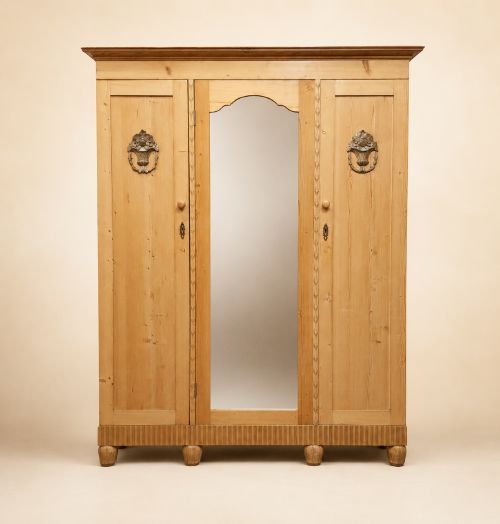
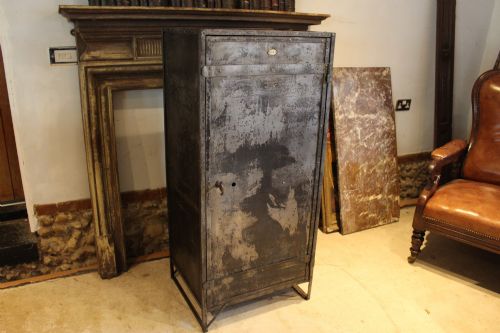
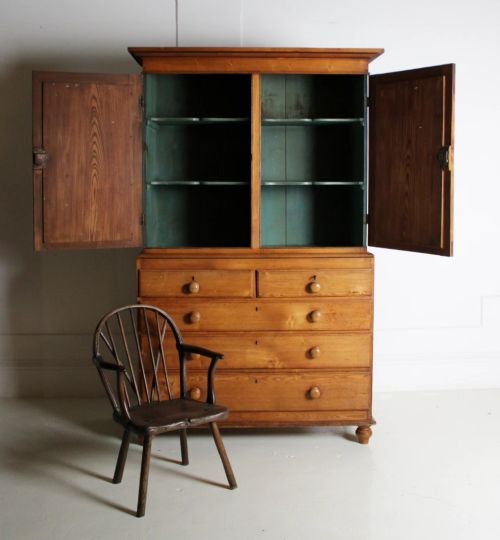
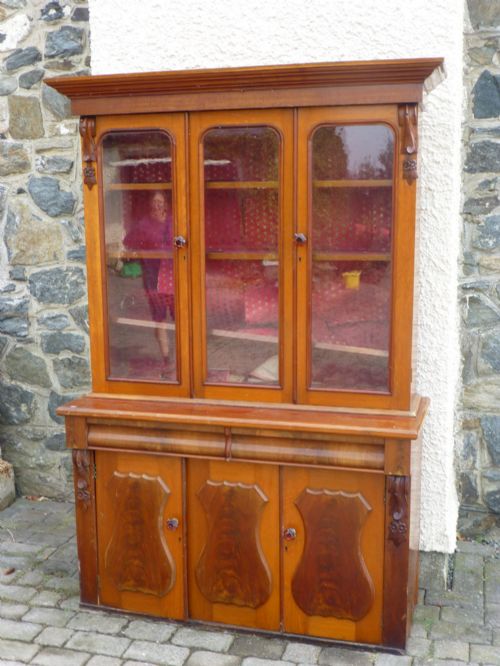
When searching for a victorian linen cupboard, buyers encounter tall timber storage furniture designed primarily to house household textiles, bedding and garments. These pieces originate predominantly from the nineteenth century, spanning Victorian, Edwardian and William IV periods.
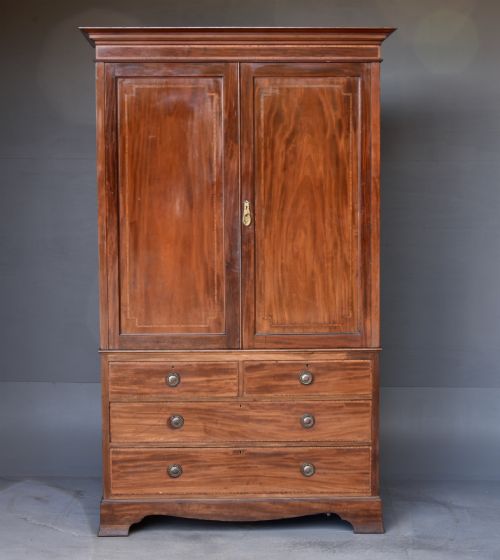
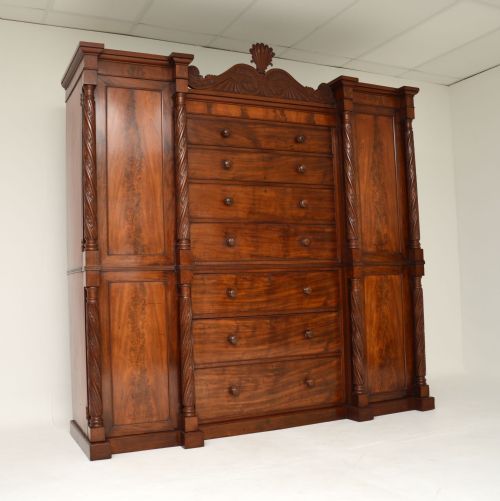
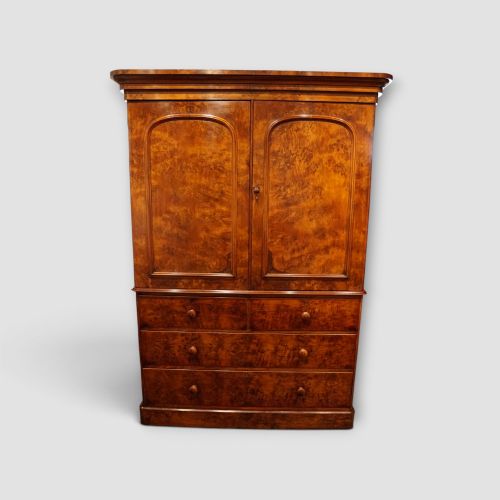
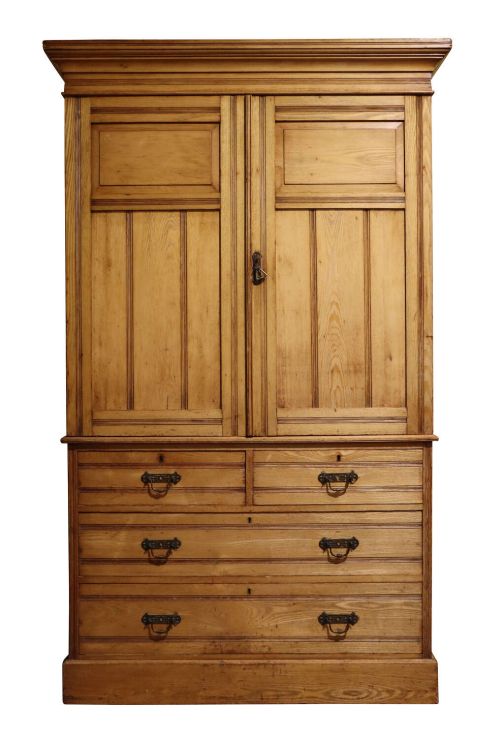
The form frequently appears as a press or compactum, combining upper doors enclosing shelves or hanging space with a bank of drawers below. Regional workshops and domestic kitchens relied on these substantial cabinets for everyday organisation.
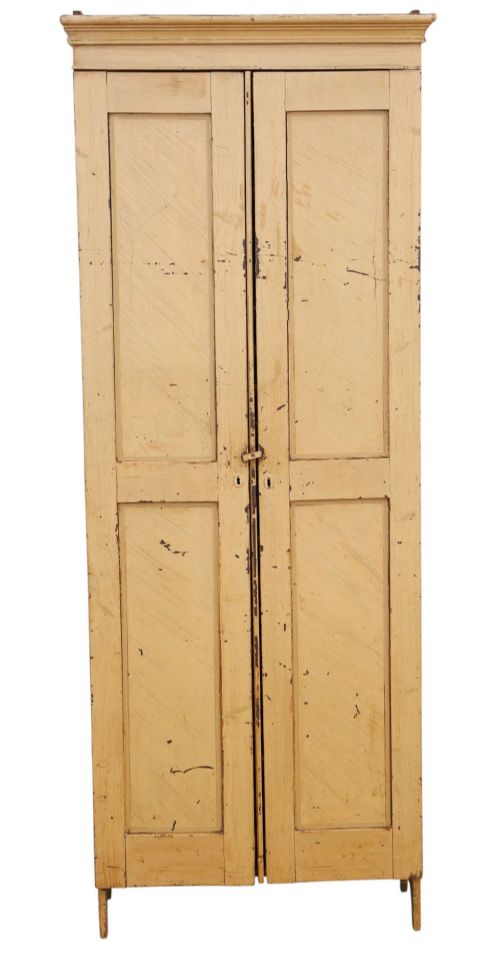
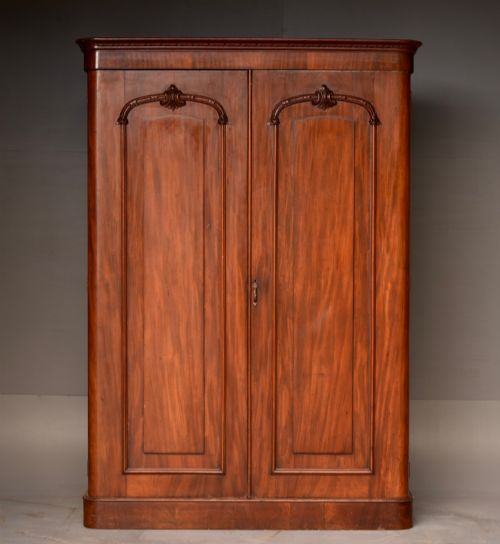
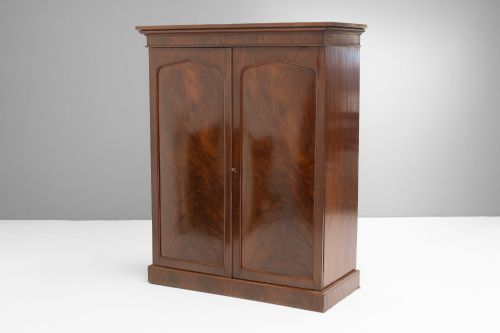
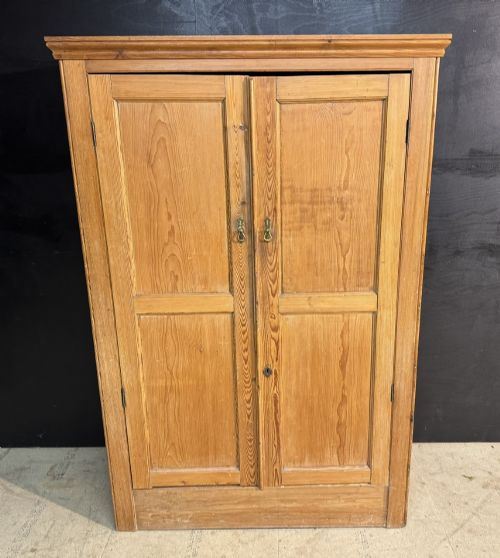
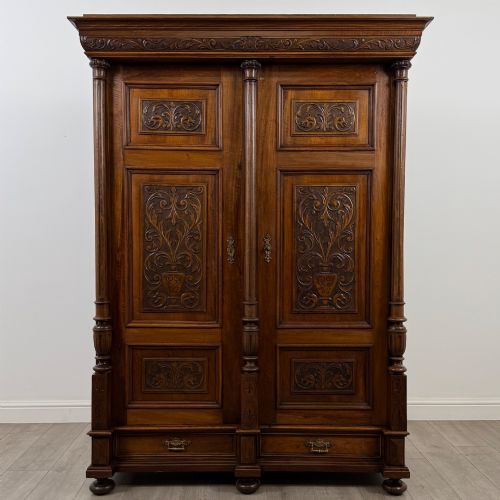
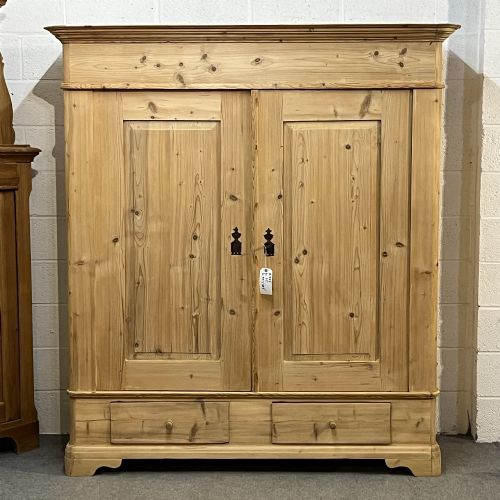
Pine and mahogany dominate the offerings, appearing in both waxed finishes and painted surfaces including scumble glazes. Buyers meet examples ranging from simple vernacular farmhouse pieces to finely veneered walnut and flame mahogany cabinetwork.
Materials and Technique
Cabinetmakers constructed these cupboards using solid native and imported timbers, employing pine for vernacular pieces and dense hardwoods like mahogany, walnut and oak for formal rooms. Carcasses often utilise panel-and-frame joinery to accommodate seasonal wood movement.
Secondary materials include brass handles, iron hinges and occasionally glass door panels. Surfaces received various treatments from traditional wax polish and French polish to decorative paintwork such as faux graining and scumble finishes.
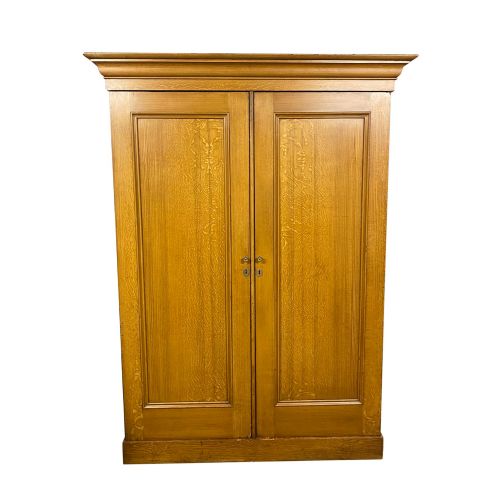
Larger examples were frequently built as knockdown units to allow transportation through domestic doorways, utilising internal bolts and numbered components to secure the structure.
Several knockdown wardrobes still retain original assembly numbers carved inside the panels by nineteenth-century joiners.
Distinguishing Quality
Quality rests upon the selection of timber figures, such as flame mahogany or burr walnut veneers, matched across primary display surfaces. Superior construction is evident in tight dovetail joints on drawers and the retention of original brass hardware and surface finishes.
Proportion and architectural detailing also separate standard utilitarian items from finer pieces, manifested in well-executed cornices, blind fretwork or panelled doors. Originality of paint or patina further elevates an example.
Maples & Co
The Victorian Linen Cupboard Glossary
- Linen press
- A tall cabinet featuring upper doors enclosing sliding trays or shelves, positioned above a chest of drawers.
- Compactum
- A large fitted wardrobe combining hanging space, shelves and drawers within a single unified carcass.
- Scumble
- A translucent dark glaze applied over a lighter painted base coat to imitate the grain pattern of more expensive hardwoods.
- Cornice
- The decorative moulded projection running along the top edge of a cabinet piece.
- Bun foot
- A spherical or slightly flattened rounded wooden foot characteristic of nineteenth-century seating and case furniture.
Victorian Linen Cupboard: Frequently Asked Questions
How were linen cupboards used originally?
These cabinets stored household textiles, folded linen, blankets and garments before fitted wardrobes became standard in British homes. The interior sliding trays or shelves kept fabrics organised and accessible within bedrooms and landings.
Larger versions served as housekeeper's cupboards, housing table linens and dry stores in domestic service areas.
Do these cupboards dismantle for moving?
Many nineteenth-century examples were constructed as knockdown units, specifically designed to be disassembled into flat panels, cornices and base sections. This engineering allowed bulky furniture to be transported up narrow stairwells and through tight doorways.
Buyers should check individual listings to confirm if a specific piece retains this knockdown capability.
How do I distinguish pine from hardwood pieces?
Pine pieces generally present a softer, lighter timber grain that is frequently found painted, waxed or treated with scumble glazes for a vernacular appearance. They typify country house and farmhouse environments.
Hardwoods such as mahogany, walnut and oak display dense grain patterns and were traditionally polished for formal reception rooms and principal bedrooms.