

Victorian Leather Seat
A victorian leather seat brings durable hides and timber frames together into functional seating that anchors a traditional study, library, or fireside.
Victorian Leather Seat
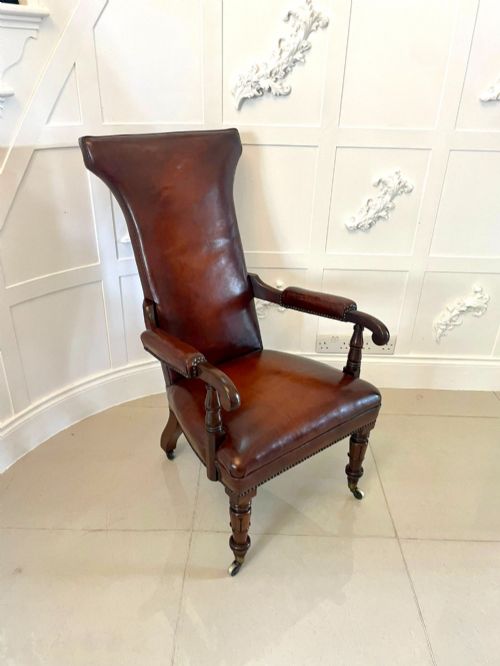
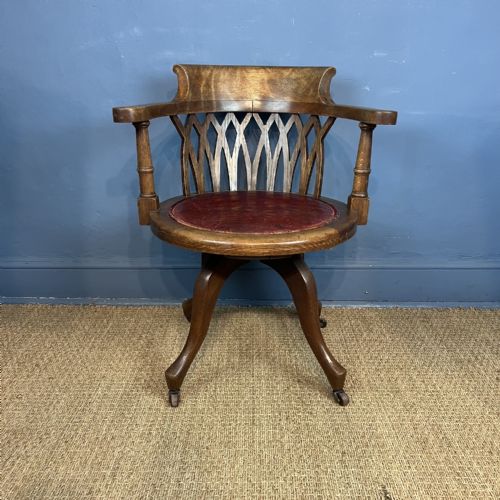
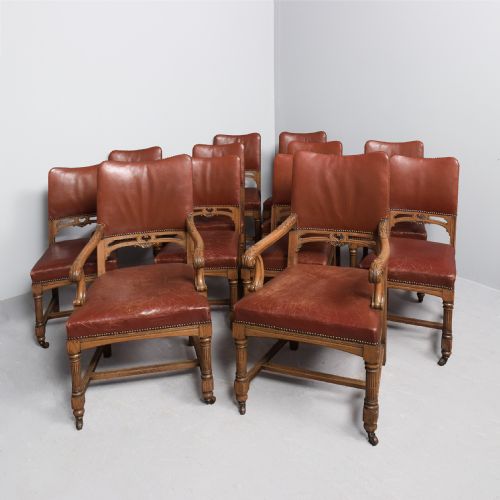
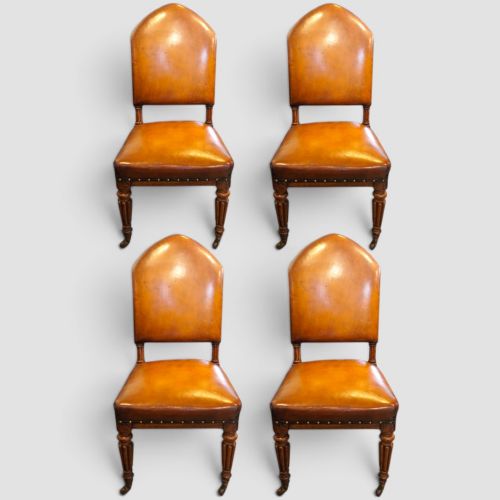
The term victorian leather seat covers a broad family of furniture designed for sitting, resting, or working, ranging from sturdy library armchairs to revolving desk chairs and fireside fenders. These pieces span the nineteenth century and extend into Edwardian iterations, appearing in dark hardwoods fitted with smooth or buttoned hides.
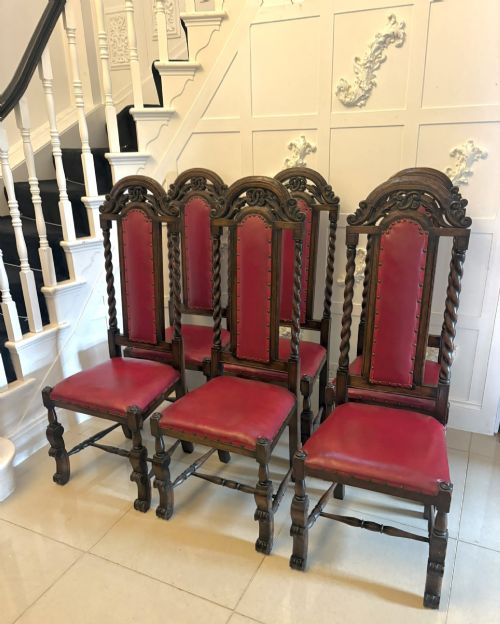
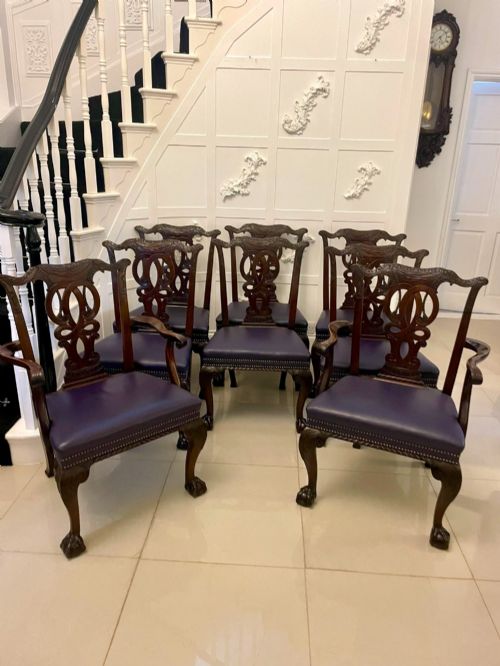
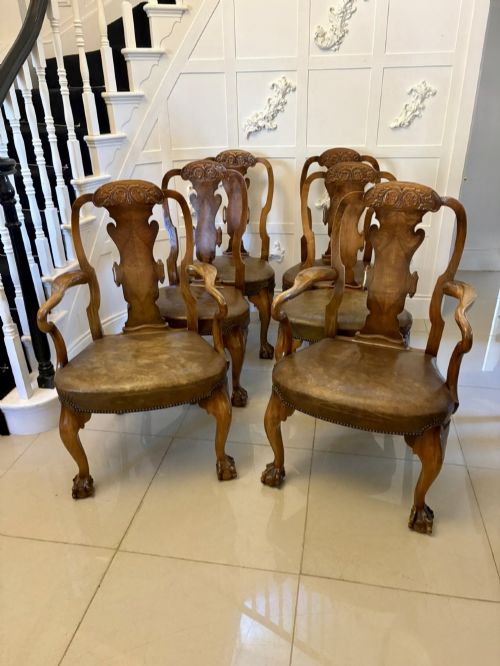
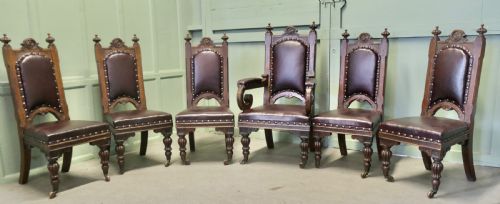
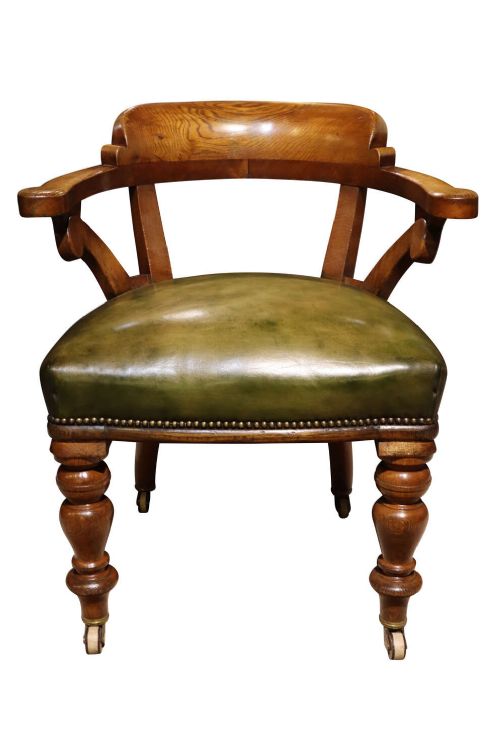
On this page, buyers meet dining chairs, office desk seats, and generous club fenders most frequently. These forms reflect both domestic utility and formal parlour display, utilising mahogany, oak, and walnut frames matched with original or restored leather upholstery.
How They Were Made
Cabinetmakers built the structural frames of these pieces using dense hardwoods such as mahogany, oak, walnut, and rosewood. Joinery relied on traditional mortise and tenon techniques to withstand heavy daily use.
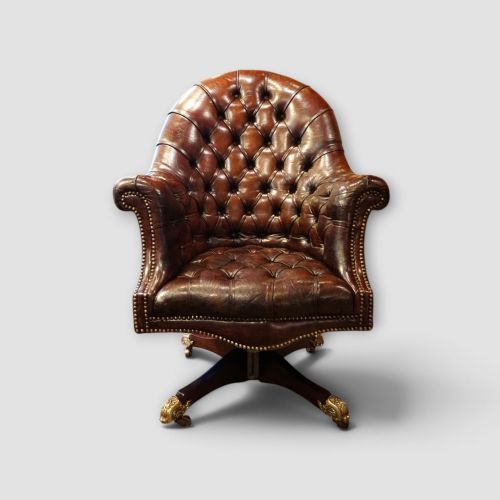
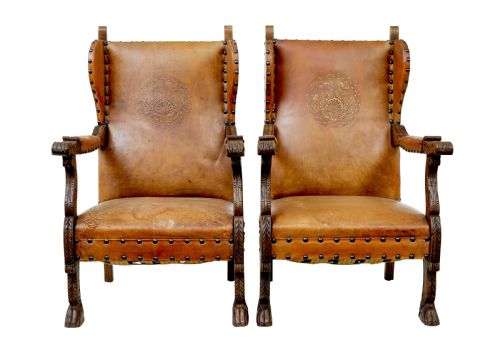
Upholsterers fixed leather hides over stuffing, frequently securing the edges with brass studs or deep buttoning. Metal components such as brass framework, iron mechanisms, and swivel assemblies provided structural support for revolving chairs and hearth fenders.
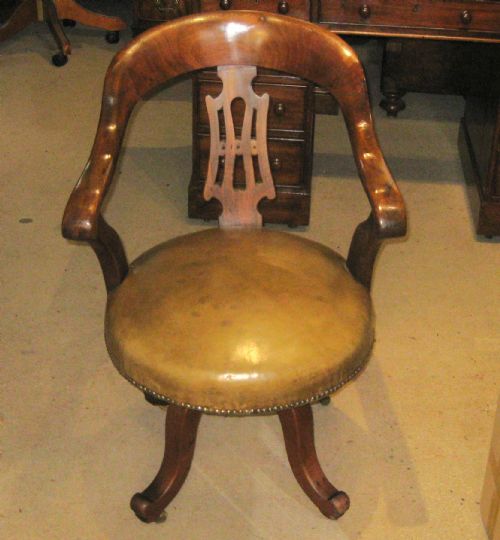
Several chairs feature revolving mechanisms designed so nineteenth-century writers could spin between multiple desks without standing up.
What Varies in Quality
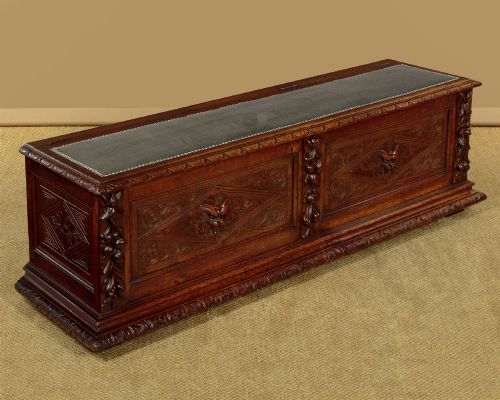
The integrity of the timber frame and the depth of the hand-carved detailing separate standard utility seating from finer workshop productions. Better examples display crisp carving, balanced proportions, and robust structural joinery that has survived decades of regular use.
The condition and grade of the leather hide heavily influence the overall standard of the piece. Supple, mature leather with natural patination indicates superior material selection compared to brittle or heavily replaced substitutes.
Gillows·Bruce James Talbert·Doveston, Bird & Hull·Holland & Sons
The Victorian Leather Seat Glossary
- Club Fender
- A low fireside seat framed in brass or iron with a padded leather top. These fixtures allowed occupants to sit close to the hearth.
- Buttoned Leather
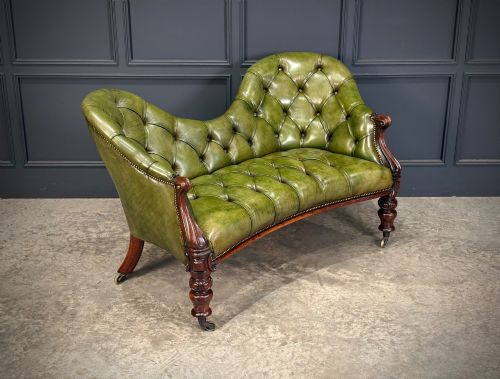
- Upholstery secured with indentations formed by pulling twine through the padding to buttons. This technique created deep geometric tufting on sofas and library chairs.
- Revolving Desk Chair
- A swivel seat mounted on a central timber or metal spindle base. These chairs allowed workers to pivot between different areas of a desk.
- Gothic Revival
- An architectural and decorative style drawing on medieval forms. Furniture in this category featured pointed arches, heavy tracery, and dark oak construction.
- Carver
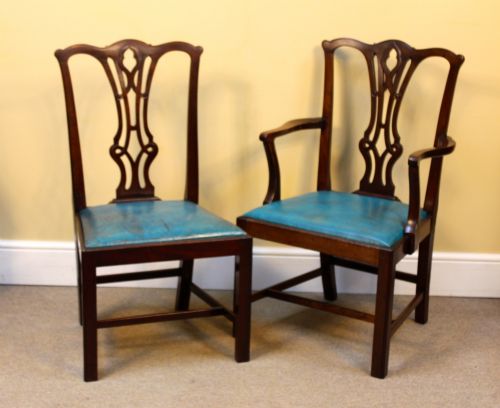
- An armchair designed with open elbows, traditionally placed at the head of a dining table. These pieces matched the simpler side chairs in a dining set.
Victorian Leather Seat: Frequently Asked Questions
What is a club fender?
A club fender is a low, metal-framed seat designed to fit around a fireplace hearth with padded leather cushions on top. It provided auxiliary seating in the warmest part of the room.
These pieces were constructed from brass or iron and surfaced with sturdy hide to resist heat and soot from open fires.
How do I identify a revolving desk chair?
Revolving desk chairs feature a central wooden or metal column mounted on a spider base, allowing the upper seat to rotate freely. Many incorporate an adjustable height mechanism.
Cabinetmakers paired these pivoting bases with mahogany or oak frames and leather-upholstered bucket seats for office utility.
What woods were used for these seats?
Framing timbers predominantly include mahogany, oak, walnut, and rosewood selected for their structural strength and rich grain. Dark hardwoods dominated nineteenth-century production.
Secondary woods sometimes appear in internal bracing or hidden structural components of chairs and sofas.
Are the leather seats original?
Many pieces retain their mature, patinated original leather hides, while others have received professional replacement upholstery over the decades. Close inspection reveals whether the leather matches the age of the wooden frame.
Original hides often exhibit natural wear, scuffs, and softening developed through generations of use.