



Victorian Leaded Window Panel
A victorian leaded window panel brings historic light and colour into a room, framed by intricate leadwork and hand-painted glass.
Victorian Leaded Window Panel
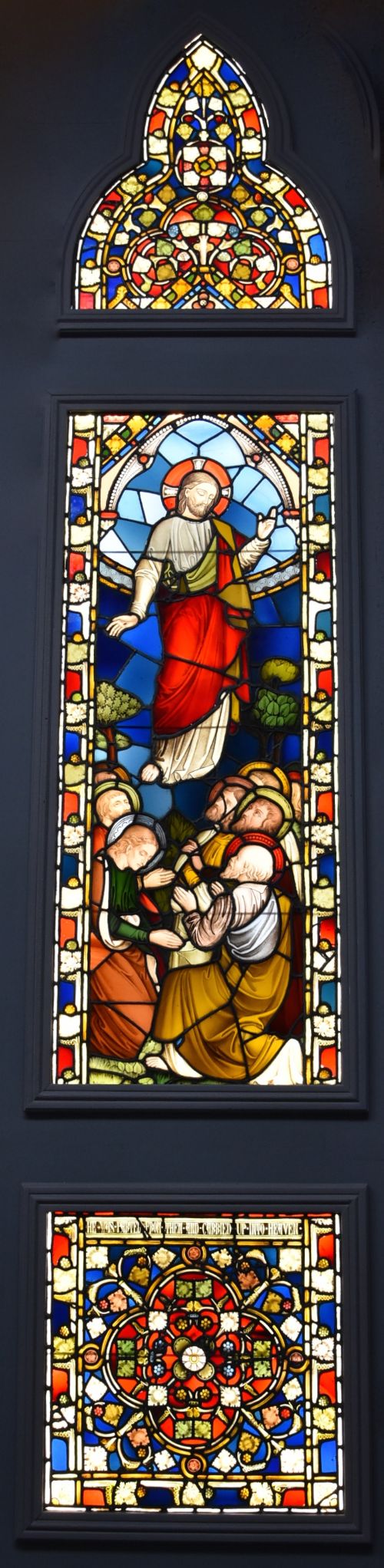
A victorian leaded window panel is an architectural salvage piece originating from churches, shops, and domestic buildings across the nineteenth and early twentieth centuries. These panels survive in forms such as arched church windows, rectangular triptychs, and architectural glass sections.
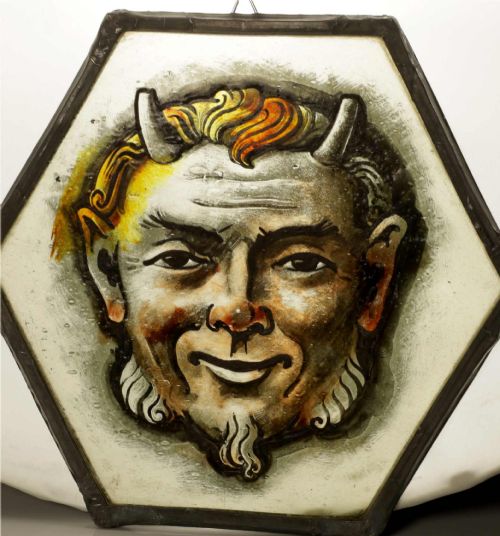
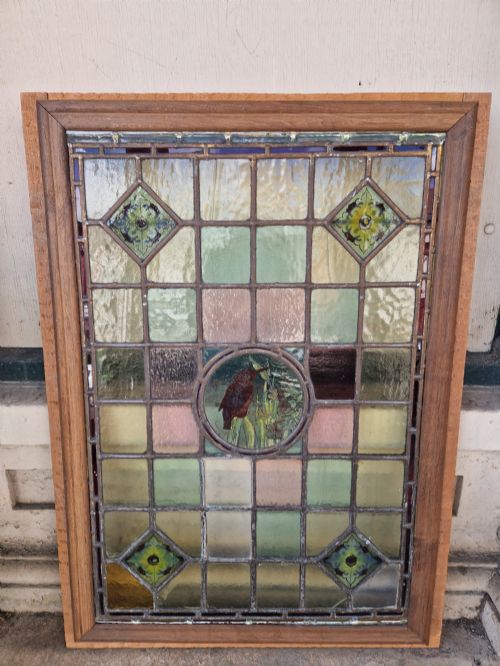
The version most frequently met on this page combines leaded glass with hand-painted details depicting countryside scenes, floral motifs, birds, and religious or heraldic subjects. They bridge structural building components and decorative art.
The span of periods includes pieces from the mid nineteenth century through to Edwardian times, with styles encompassing Gothic Revival, Art Nouveau, and Arts and Crafts designs.
How they were made
Maker's workshops built these panels by setting individual pieces of cut and stained glass into networks of flexible lead cames, soldering the joints to form cohesive geometric or pictorial designs. Many panels incorporate hand-painted enamel details that were kiln-fired onto the glass surface to achieve permanent pictorial depth for scenes of knights, animals, or landscapes.
Wooden frames in timber or pine wood frequently supported these heavy leaded assemblies for installation in architectural settings, though many survive as standalone panels ready for interior display.
Victorian Leaded Window Panel Retail Price Guide 2026
Typical asking prices for victorian leaded window panel among the pieces listed under this phrase on Sellingantiques today, from the lower quarter to the upper quarter. They describe what is for sale here now, not the wider market.
Several panels preserve the quiet gaze of hand-painted winter birds and medieval knights peering through the centuries.
What varies in quality
The artistic ambition of the hand-painted elements separates standard architectural glazing from superior examples, particularly where artists rendered complex countryside scenes, figures in armour, or ornithological details with fine brushwork. The integration of specialty components like clear bullseyes or cut glass adds distinct visual variety across the range.
Structural complexity also defines the tier of a panel, ranging from simple square panes in arch top frames to large-scale triptychs and multi-part pictorial compositions requiring advanced leadwork and artistic skill.
Sir Edward Burne Jones
The Victorian Leaded Window Panel Glossary
- Came
- A slender strip of lead with a grooved channel used to hold individual pieces of glass together in a window panel.
- Bullseye
- A circular centre of blown glass showing a concentric ripple pattern, often incorporated into leaded windows to let in light while distorting direct views.
- Triptych
- A panel or window divided into three sections, frequently hinged or displayed together as a unified pictorial composition.
- Architectural salvage
- Building elements rescued from structures slated for demolition or alteration, preserving period materials for reuse.
Victorian Leaded Window Panel: Frequently Asked Questions
How do I hang a leaded window panel?
These panels require secure framing and sturdy suspension hooks attached to the wooden surrounds or structural lead channels, as the combination of glass and lead creates substantial weight.
Positioning the panel against a natural light source, such as an interior wall opening or a brightly lit window frame, allows the stained glass colours and painted details to be fully appreciated.
Can these panels be installed in exterior walls?
Most antique panels function best as interior decorative elements or secondary interior glazing because historic lead cames and hand-painted glass are vulnerable to modern weather extremes and structural wind pressure.
Mounting them inside an existing window frame protects the fragile enamel paintwork and aged lead matrix while still allowing daylight to pass through the glass.
How do I clean historic stained glass?
Gentle dusting with a soft, dry cloth is usually sufficient for routine maintenance of leaded panels, avoiding harsh commercial cleaning agents that can degrade old enamel paint or corrode the lead cames.
Moisture should be kept away from the painted surfaces and soldered joints during any necessary wiping to preserve the delicate hand-painted details.
What is the difference between Gothic Revival and Arts and Crafts styles?
Gothic Revival panels often feature pointed arch shapes, religious iconography, and heraldic motifs reminiscent of medieval ecclesiastical architecture, reflecting mid-nineteenth-century romanticism.
Arts and Crafts examples tend to showcase natural forms, simplified floral patterns, and honest construction methods that highlight the inherent qualities of the glass and lead materials.