


Victorian Landscape Canvas Art
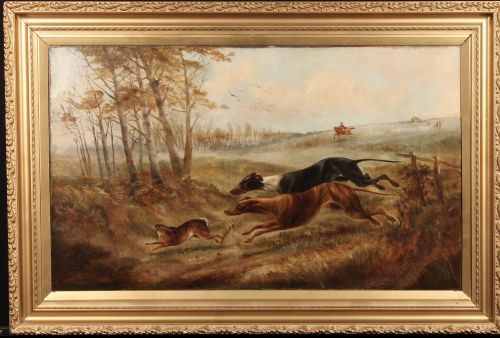
Victorian landscape canvas art brings the pastoral and coastal expanses of the nineteenth century directly onto your wall through original oil paint on woven supports.
Victorian Landscape Canvas Art
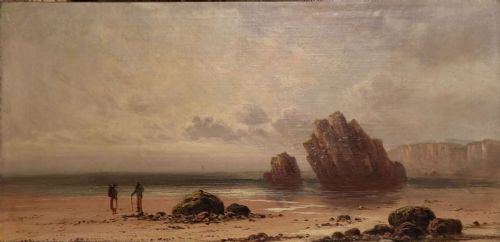
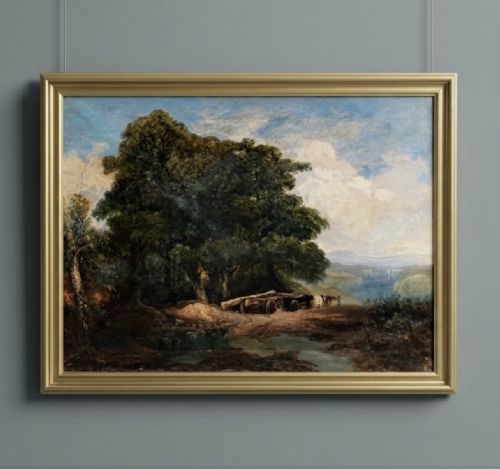
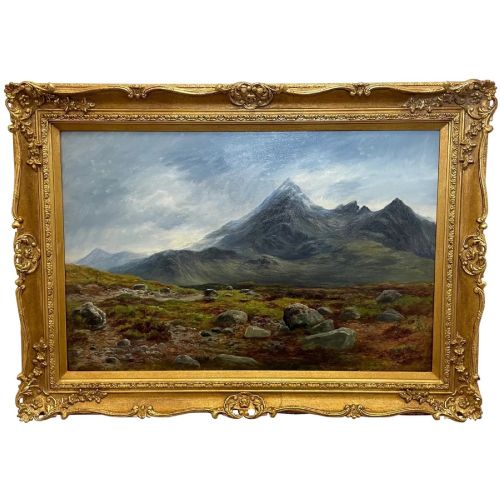
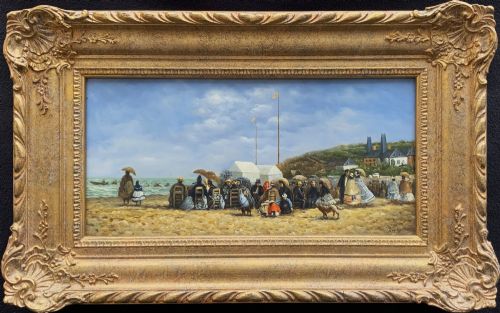
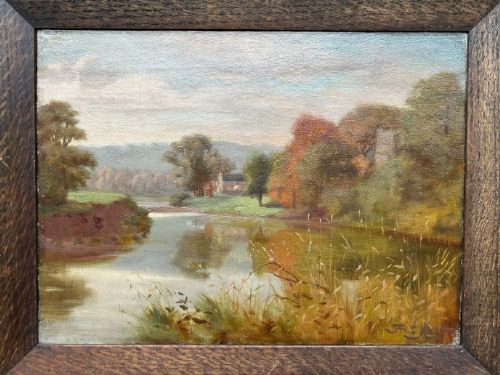
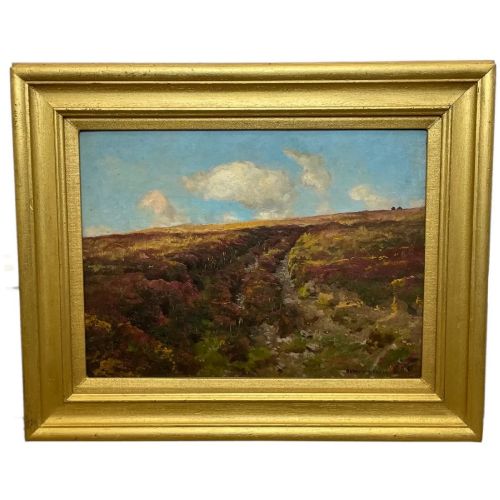
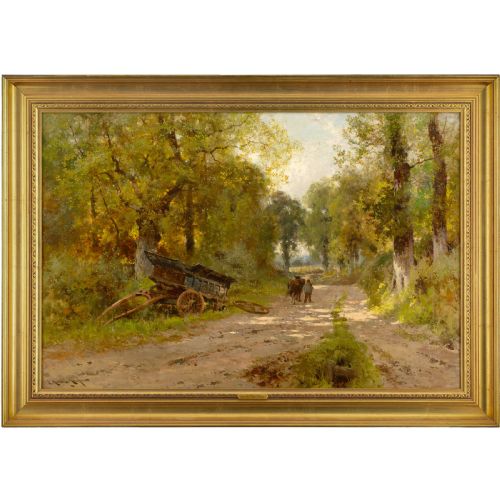
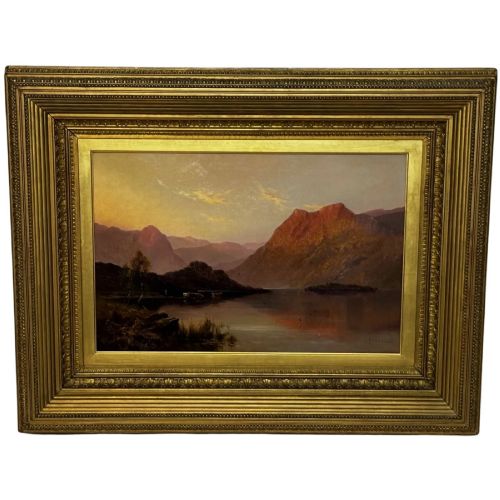
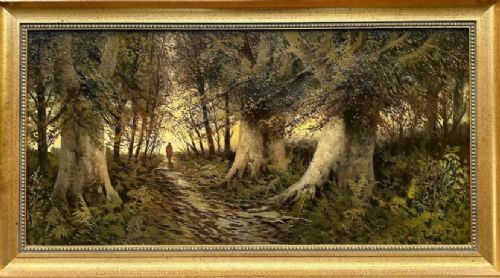
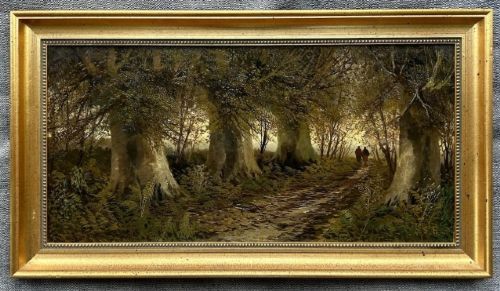
When you search for victorian landscape canvas art, you encounter oil paintings on canvas depicting rivers, woodlands, harvest fields, and coastal scenes created during the nineteenth century. These works capture pastoral life, Scottish Highlands, and marine views through the eyes of British and European artists working between the eighteen-fifties and the early twentieth century.
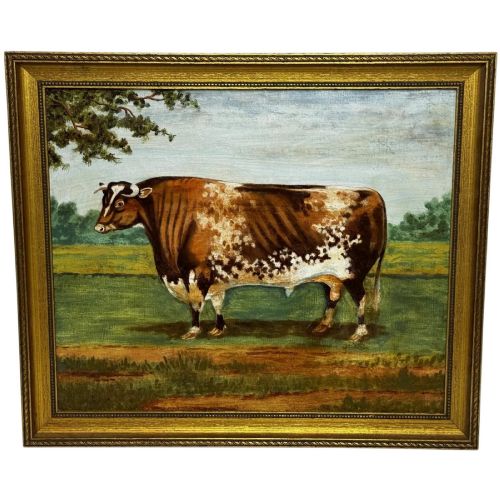
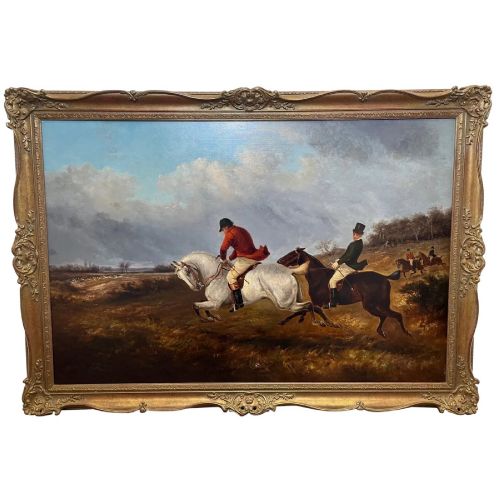
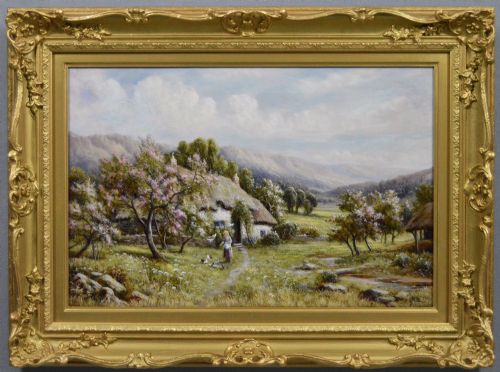
The most common examples on this page are framed oil paintings on canvas housed in gilt wood and gesso frames, showing rural cottages, livestock, and tranquil riversides. Painters of this era recorded specific locations from the Lake District to Venice, often signed by the hand of the artist or attributed to recognised regional schools.
Materials and Construction
These works are painted in oil paint directly onto stretched woven canvas, which provides a flexible and durable surface for layered brushwork and luminous glazes. The pigments are bound in oil to allow subtle blending of light, particularly in sunset woodland scenes and atmospheric river views.
Many of these canvases remain housed in their original or period-appropriate frames constructed from wood, gesso, and gilt wood. The decorative mouldings and gilded finishes complement the depth of the painted scenes within.
Listings span multiple decades from the 1850s through the 1920s, predominantly utilising oil paint on canvas.
Factors Determining Quality
The distinction between standard decorative works and superior pieces lies in the sureness of the brushwork and the artist's command of natural light and atmospheric perspective. Works by listed members of artistic institutions or named painters generally demonstrate more confident handling of human figures, animals, and natural topography.
The preservation of the original canvas and the integrity of the accompanying gilt wood frame also influence the standing of a piece. Original stretches, minimal pigment flaking, and well-preserved gesso ornamentation indicate a higher grade of survival.
Eugène Verboeckhoven·Richard Sebastian Bond·William Beattie-Brown·Frederick Marriott·Arthur Wardle·John Horace Hooper·Alfred Fontville de Breanski·Thomas W Lascelles·David Bates·Thomas Smythe·Alfred Pollentine·Walter Heath Williams·Francis Moltino·Bernard Benedict Hemy·Thomas Creswick·Thomas Sidney Cooper·Richard Redgrave·John Sargent Noble·Henry H Parker·Robert Watson·Charles Hunt·John Wilson Carmichael·Edwin Henry Landseer·Albert Rieger·Abraham Cooper
The Victorian Landscape Canvas Art Glossary
- Oil on Canvas
- A painting medium where pigments suspended in drying oils are applied to a stretched woven fabric support. This combination allows for rich colour saturation and varied texture.
- Gilt Wood
- Wood that has been coated with a thin layer of gold leaf or metallic powder. It is commonly found on nineteenth-century picture frames.
- Gesso
- A plaster-like mixture applied to wooden frames as a base for moulding and gilding. It provides a smooth surface for intricate decorative details.
- Post-Impressionism
- An art movement extending beyond Impressionism that explored emotional and structural responses to visual subjects. Pieces of this nature occasionally appear alongside traditional Victorian works.
- Provincial School
- A term used to describe regional groups of artists working outside major metropolitan centres. Their output often reflects local topography and rural traditions.
Victorian Landscape Canvas Art: Frequently Asked Questions
How do I date a Victorian landscape painting?
Dating relies upon artist biography records, costume details of any figures depicted, and the construction methods of the canvas stretcher and frame. Many works bear signatures or exhibition dates inscribed directly onto the canvas or reverse.
Stylistic cues also help narrow the decade, shifting from mid-century romantic pastoral scenes towards more impressionistic treatments near the turn of the twentieth century.
Were all these paintings created in Britain?
While the majority reflect British countryside and coastal views by domestic artists, the selection includes continental European scenes. Painters frequently travelled to Venice, France, and Italy to record foreign topography.
Foreign schools and British artists working abroad both utilised oil on canvas to render these international subjects for collectors at home.
How should I care for an antique oil painting?
Keep canvases away from direct sunlight, high humidity, and rapid temperature fluctuations which can cause the oil paint and canvas to crack. Dust the surface gently with a soft, dry brush without applying pressure to the paint layer.
Avoid using liquid cleaners or water on either the canvas or the gilt wood frame to preserve the original materials.
What subjects are most common in these landscapes?
Common subjects include river valleys, woodland clearings, harvest fields, and coastal marine views featuring shipping or fishing boats. Animals such as cattle, sheep, and working horses frequently appear alongside human figures engaged in rural labour.
Topographical views of specific named locations in Scotland, England, and Venice also feature prominently across the collection.