

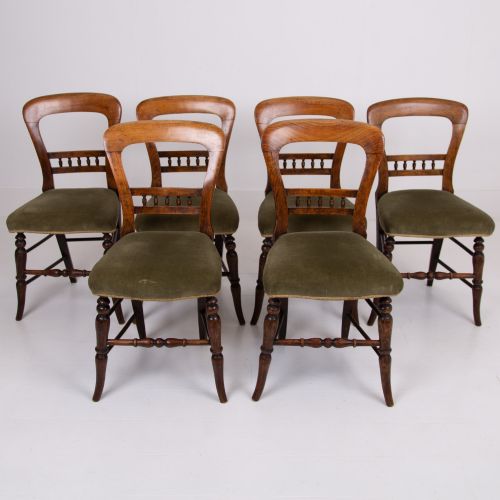
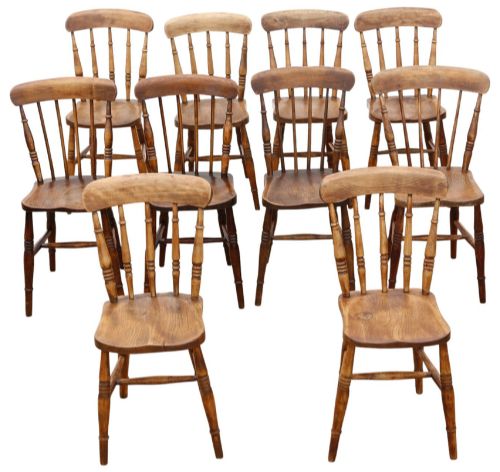
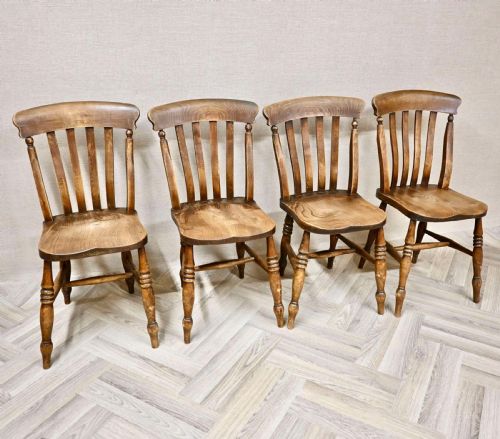
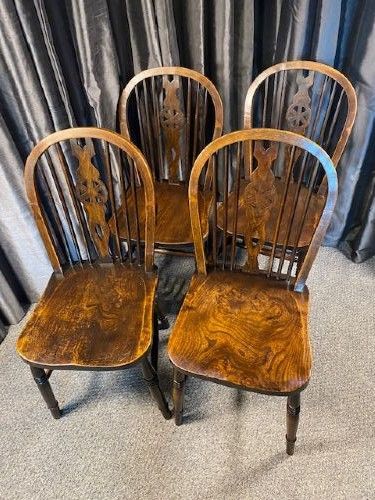
Victorian Kitchen Side Chairs
These robust victorian kitchen side chairs combine honest utility with vernacular craftsmanship, offering a practical seating choice for daily dining.
Victorian Kitchen Side Chairs
Victorian kitchen side chairs are unpretentious domestic seating solutions designed primarily for utilitarian daily use in nineteenth-century homes. Buyers pursuing this search phrase generally encounter sturdy wooden seating solutions originating from diverse regional English traditions.
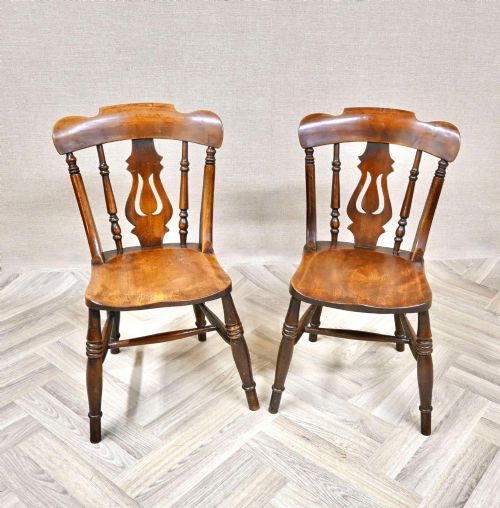
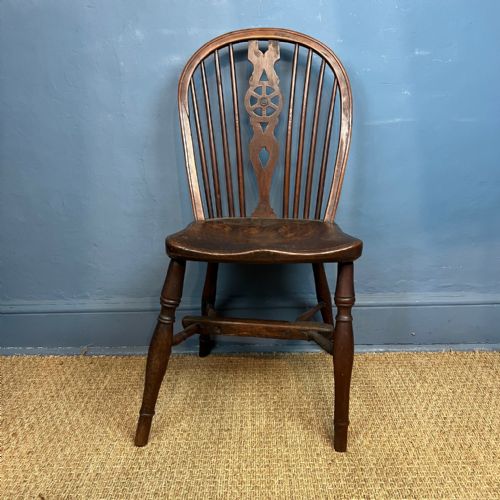
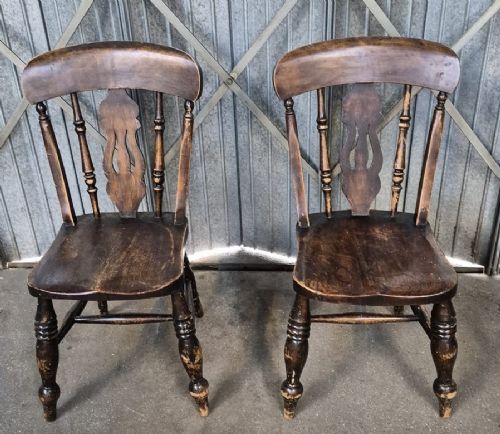
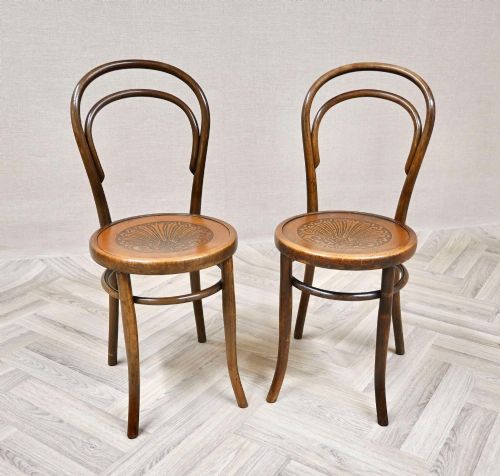
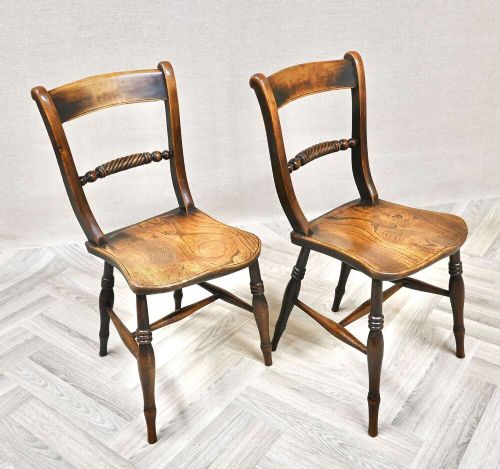
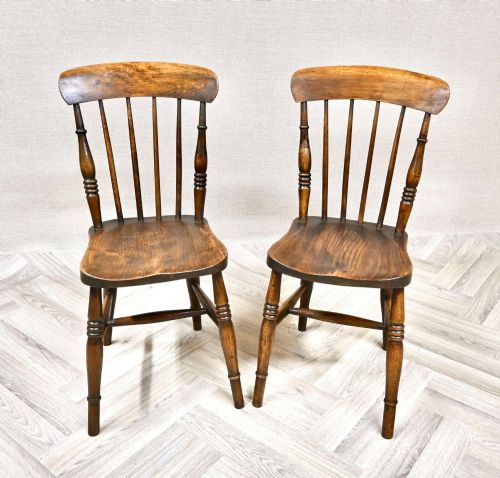
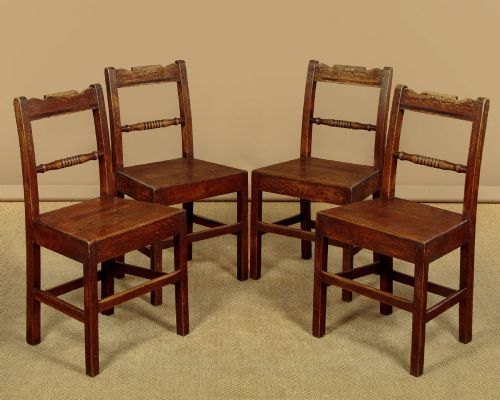
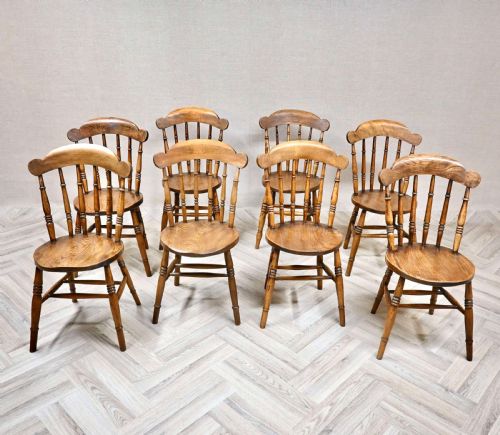
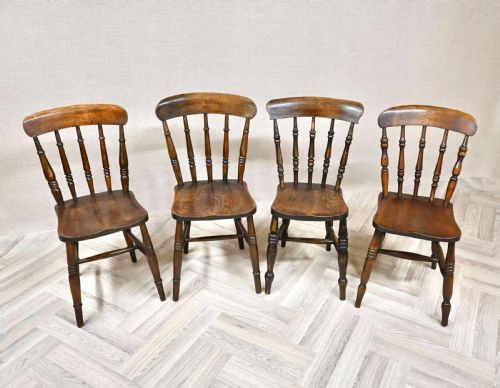
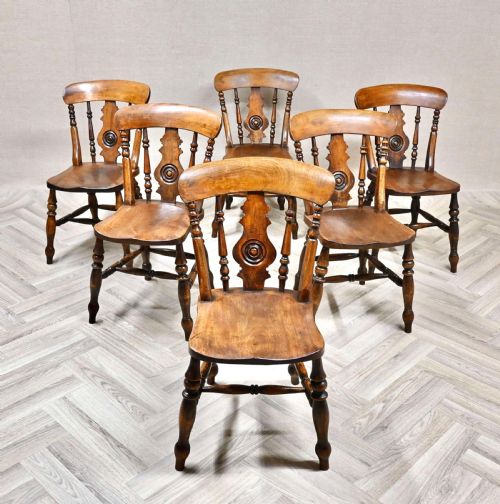
The pieces appearing on this page encompass various traditional vernacular forms, most notably Windsor chairs featuring lathback, barback, wheelback, and bullseye designs. These variations reflect the regional cabinet-making practices found across rural English counties during the nineteenth century.
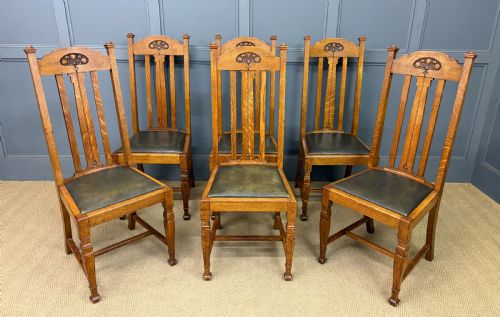
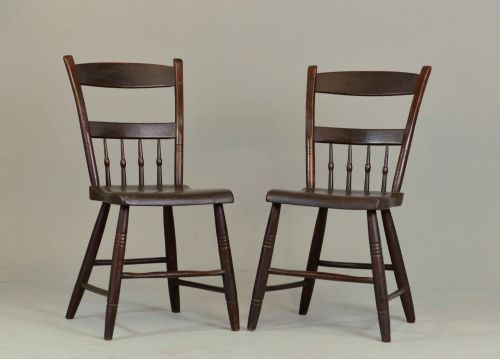
Beyond standard Windsors, the selection includes elm and beech Thames Valley chairs, fiddle back examples, and rush-seated ladderbacks or spindlebacks. These utilitarian seats served families in farmhouses and cottages, prioritising structural endurance over formal ornamentation.
Construction and Materials
Maker construction relies on contrasting timbers selected for their specific mechanical properties within the same piece. Craftsmen frequently combined resilient elm for shaped saddle seats with flexible ash, beech, or oak for spindles, legs, and steam-bent hoops.
Traditional joinery techniques such as wedged through-tenons and pegging ensured that frames withstood the heavy strain of daily farmhouse use. Steam-bending allowed makers to form continuous back rails and bows without weakening the grain.
Victorian Kitchen Side Chairs Retail Price Guide 2026
Typical asking prices for victorian kitchen side chairs among the pieces listed under this phrase on Sellingantiques today, from the lower quarter to the upper quarter. They describe what is for sale here now, not the wider market.
Many antique kitchen chairs carry distinct bottom indentations from generations of busy household chores and long family suppers.
Judging Quality
Quality in these vernacular chairs depends heavily on the grain selection of the timber and the depth of the sculpted solid seat. Thicker elm seat slabs display superior figuring and provide a more substantial foundation for the undercarriage legs.
The integrity of the structural joints and the balance of the turned spindles dictate the overall durability of the chair. Better examples maintain tight component fits without excessive modern bracing, preserving their original vernacular proportion.
Worksop
The Victorian Kitchen Side Chairs Glossary
- Windsor chair
- A chair built with a solid wooden seat into which the legs and back spindles are directly joined. This construction method provides exceptional rigidity and forms the foundation of most rural seating.
- Lathback
- A backrest design featuring flattened vertical wooden slats secured between a top bow and the seat. These slats offer sturdy back support during meals.
- Thames Valley
- A regional style of nineteenth-century chairmaking known for specific elm and beech combinations and refined turnings. These pieces often exhibit graceful bows and well-sculpted saddle seats.
- Stretcher
- A horizontal wooden rod connecting the legs of a chair to provide extra stability and reinforcement. Double stretchers appear on heavier models to prevent leg wobble.
- Penny seat
- A colloquial term for a saddle seat featuring a circular depression carved into the wood. This shaping improves comfort for the sitter.
Victorian Kitchen Side Chairs: Frequently Asked Questions
How were these chairs used?
These chairs served primarily as everyday seating around farmhouse and cottage dining tables. Their robust construction meant they could endure the heavy demands of rural domestic life.
Over decades of service, they moved easily from kitchens to utility rooms and back again. Their functional design prioritized durability over formal parlor elegance.
What woods were used?
Makers selected native timbers for their specific physical characteristics and local availability. Elm was the preferred choice for solid, sculpted seats because it resists splitting under pressure.
Ash, beech, and oak supplied the tensile strength needed for turned legs and steam-bent back bows. This combination of differing woods ensured long-term structural resilience.
How do I identify a Windsor chair?
A Windsor chair is defined by its solid wooden seat slab that directly receives the undercarriage legs and back components. Unlike framed chairs, the structural parts are tenoned straight into the thick seat base.
This method creates a distinct profile where the back spindles radiate from the seat upward. Variations include hoop backs, lathbacks, and comb backs.
How do I care for antique wooden chairs?
Keep wooden seating away from direct heat sources and sudden temperature shifts to prevent timber shrinkage and joint loosening. Applying a traditional beeswax polish maintains the surface sheen.
Regularly check the stability of the leg joints and stretchers. Gentle cleaning with a soft cloth preserves the historic patina developed over generations.