

Victorian Jewellery Pin
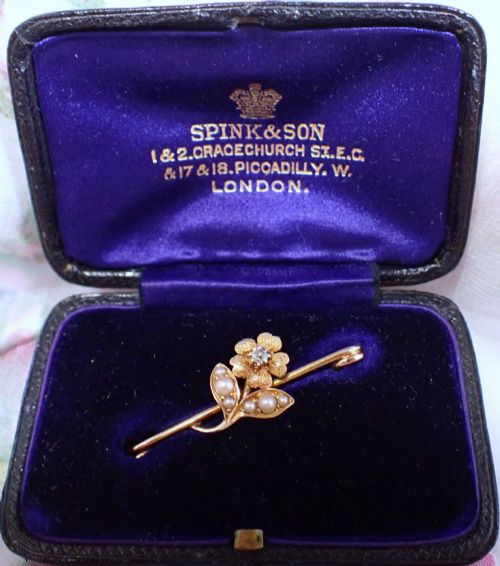
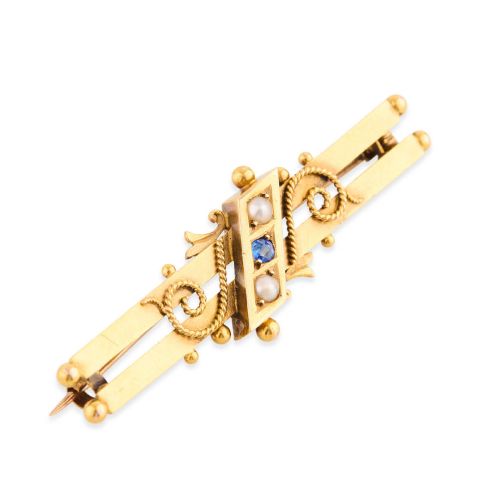
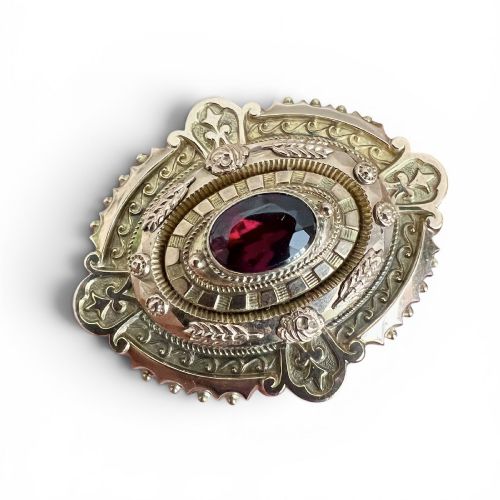
These victorian jewellery pin items bring together ornate metalwork, natural stones and intricate fastenings from the nineteenth century.
Victorian Jewellery Pin
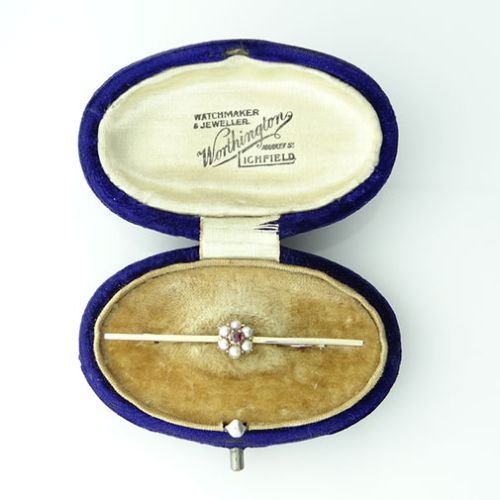
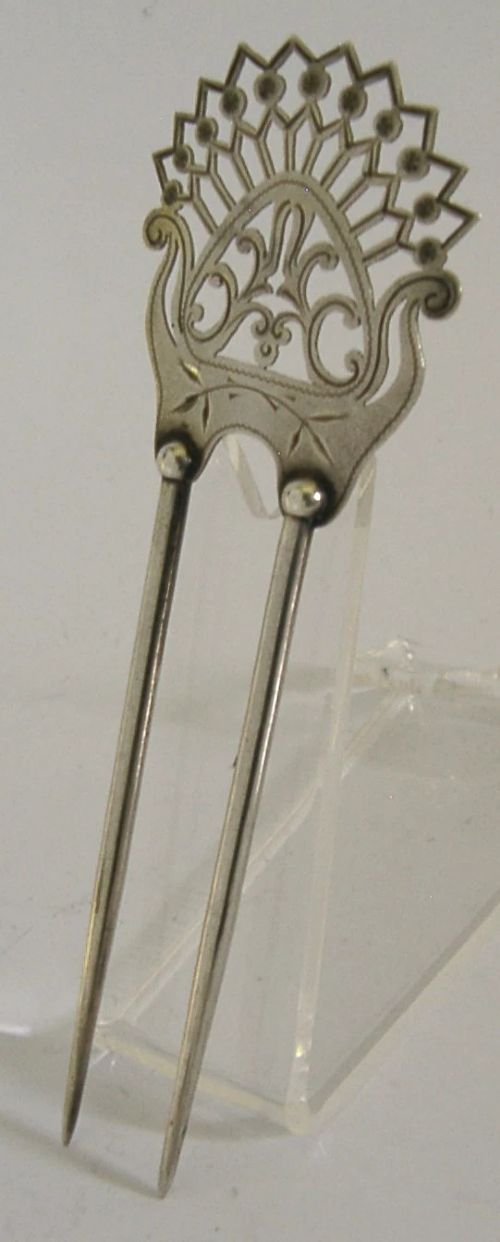
A victorian jewellery pin primarily takes the form of a brooch, bar brooch, kilt pin or pendant mounting, designed to fasten garments or display gemstones. The pieces span the nineteenth century into the Edwardian era, incorporating styles such as Scottish Revival, Etruscan Revival and Art Nouveau.
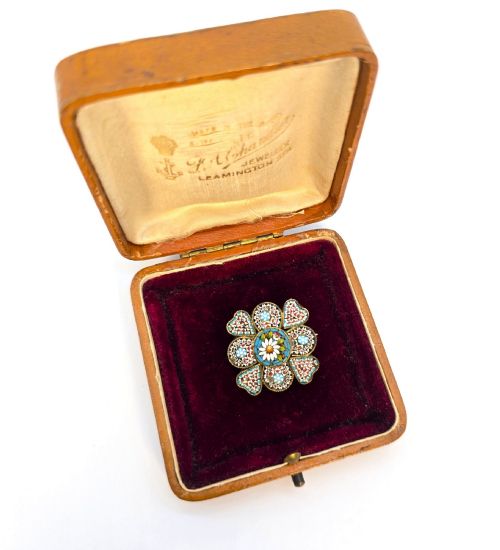
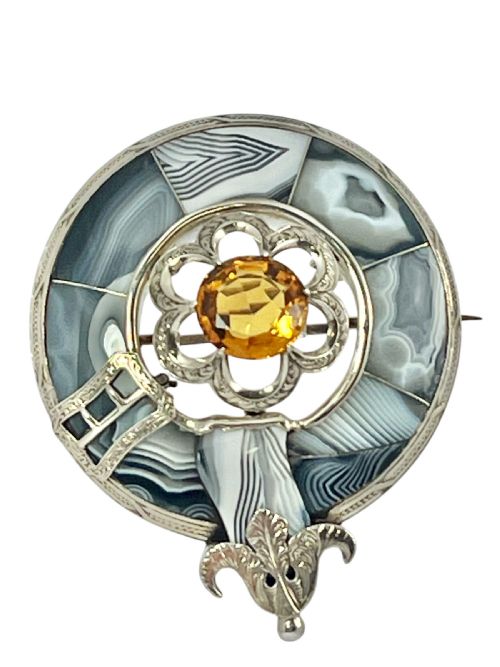
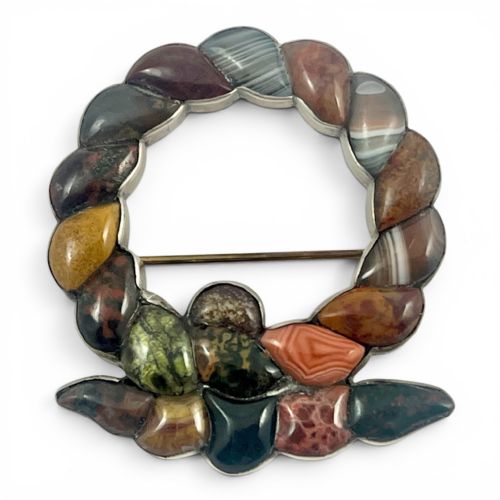
Regional variations appear frequently, notably in Scottish silver pebble brooches set with citrines and agates, alongside Italian micro mosaic and shell cameo pieces mounted in gold.
Materials and construction techniques
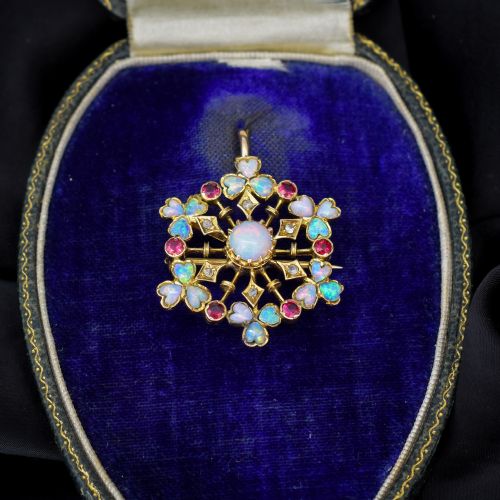
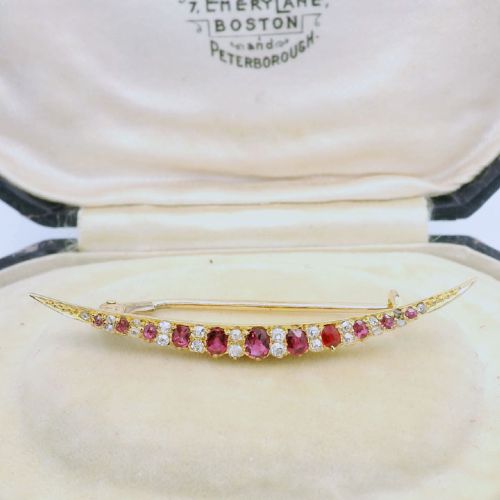
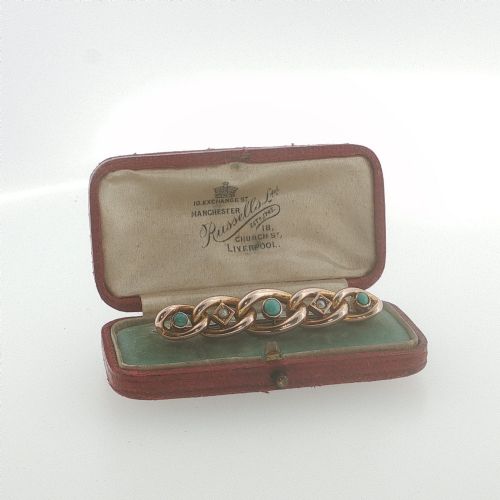
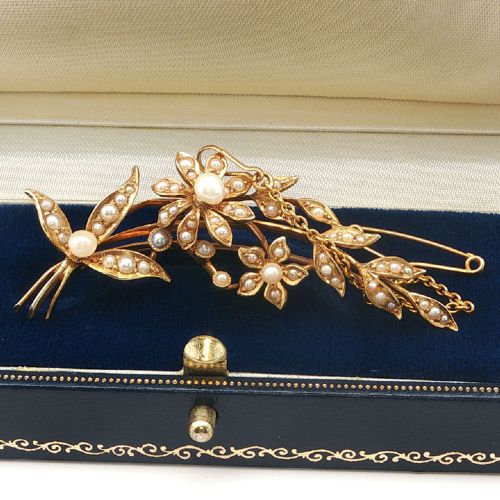
Makers utilised high-karat yellow and rose gold, predominantly fifteen carat, alongside sterling silver and silver gilt to form the structural mounts and settings. Stones including diamonds, rubies, sapphires, opals and garnets were secured using collet settings, grain settings and claw mounts.
Surface ornamentation involved chasing, engraving and pebble-cutting, while specialised items incorporated hardstone micro mosaics and carved shell cameos glued or bezel-set into metal frames. Fastening mechanisms relied on traditional pin stems and C-clasps or safety catches.
Listings feature silver, gold, agate, garnet and diamond materials across Victorian, Edwardian and Art Nouveau periods.
Distinctions in construction and design
Quality differences emerge in the precision of the metalwork, such as the intricacy of wirework in Etruscan Revival pieces and the tightness of stone-setting in multi-gem floral sprays. Finer examples display undamaged micro mosaic tesserae and deeply carved shell or hardstone cameos without hairline fractures.
H H Curtis
The Victorian Jewellery Pin Glossary
- Micro mosaic
- A technique using tiny coloured glass pieces, known as tesserae, assembled to form pictorial scenes. These were frequently produced in Italy and brought back as souvenirs.
- Cameo
- A method of carving a relief image upon a gemstone, shell or hardstone. The design stands out distinctly from a contrasting background layer.
- Seed pearl
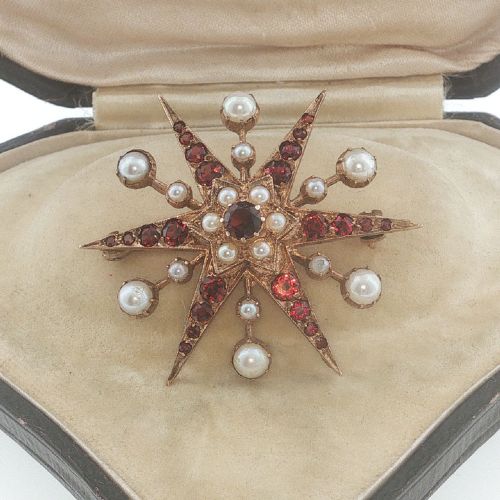
- A very small, natural saltwater pearl utilised in clusters or floral arrangements. They were extensively employed during the Victorian and Edwardian periods.
- Collet setting
- A collar of metal that encircles the edge of a gemstone to hold it securely in place. It represents one of the oldest methods of stone mounting.
- Etruscan Revival
- A nineteenth-century design style inspired by ancient archaeological discoveries. It is characterised by granulation and applied wirework on gold.
Victorian Jewellery Pin: Frequently Asked Questions
How were antique brooches worn?
Victorian pins and brooches were fastened to lapels, bodices, collars and scarves to secure garments or display decorative motifs. Many designs also incorporated hidden loops to suspend them from chains as pendants.
Heavier versions, such as dirk pins and Scottish pebble brooches, fastened heavy woollen tartans and shawls. Locket variants also served a sentimental function by housing locks of hair or miniature portraits.
What is a mourning brooch?
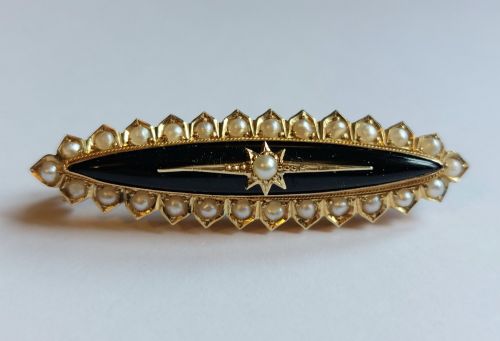
A mourning brooch was created to commemorate a deceased person, often featuring dark stones like jet, onyx or black enamel. They frequently incorporated seed pearls to symbolise tears.
These pieces sometimes contained a glass-covered compartment on the reverse to hold woven hair or a photograph. They formed an essential part of Victorian social etiquette following a bereavement.
How do I date a gold pin?
Dating relies on hallmarks stamped into the metal, fastener styles, and prevailing design movements. British items often carry assay office marks, date letters and purity standards.
Stylistic cues also provide evidence, as Etruscan Revival and heavy agates point to the mid-nineteenth century, while lighter openwork and platinum elements suggest the Edwardian era.
Are these pins made of solid gold?
Many Victorian pieces utilise fifteen carat or nine carat gold for the structural frame and front decoration. Other examples combine silver fronts with gold backs, a method popular in earlier periods to enhance diamond sparkle.
Silver gilt and sterling silver options also appear across various regional styles, such as Scottish pebble jewellery. Descriptions detail the specific metal content identified for each item.