
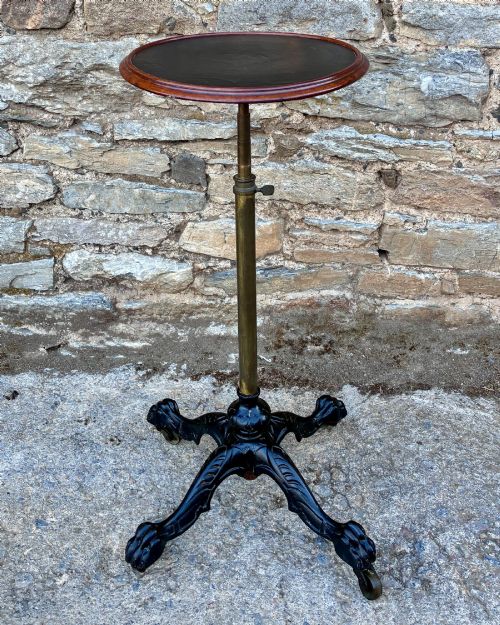
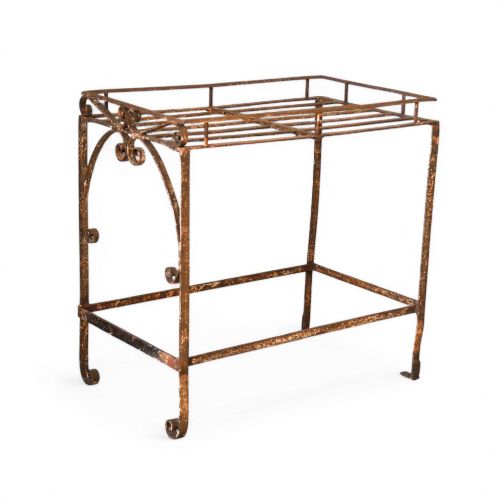
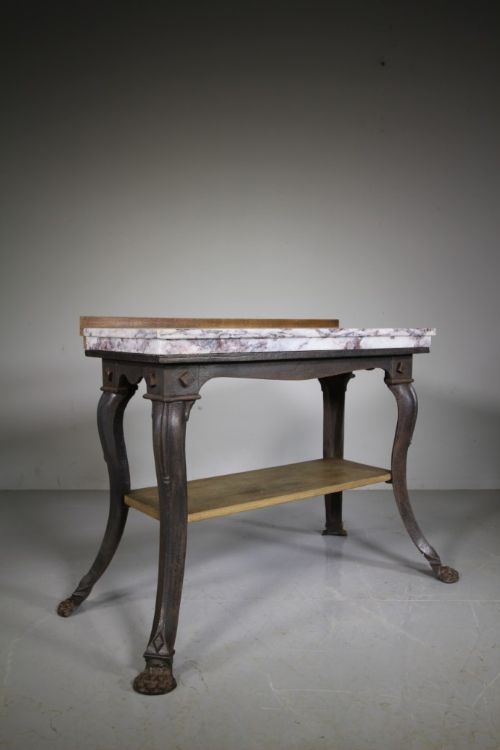


Victorian Iron Plant Table
These victorian iron plant table pieces offer robust utility and elegant metalwork for displaying greenery indoors or outside.
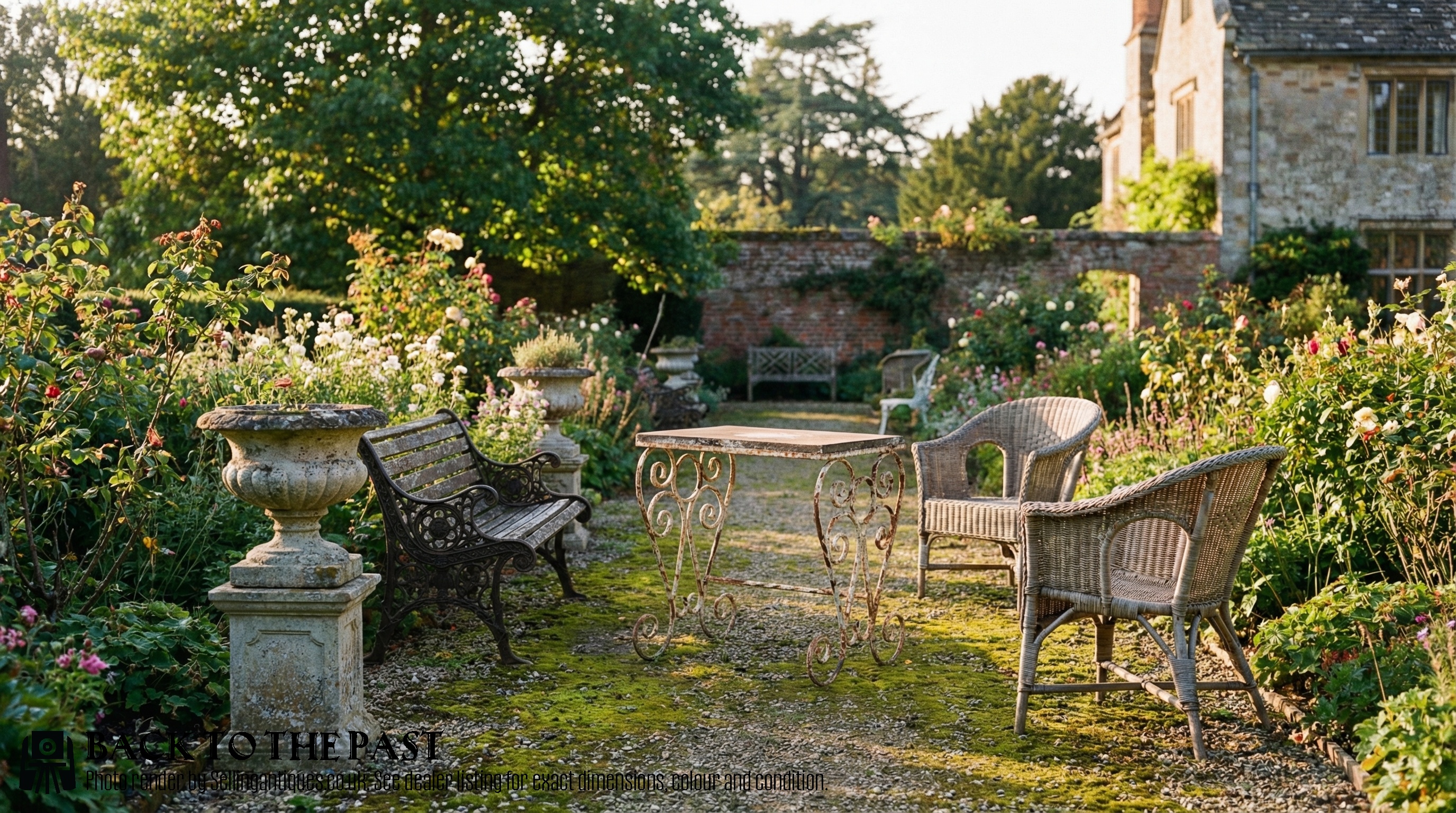
Victorian Iron Plant Table
A victorian iron plant table is primarily a decorative and functional stand designed to hold plants and flowers in conservatories, orangeries, and gardens. The listings include plant stands, side tables, garden tables, display stands, console tables, pedestals, and washstands spanning the Victorian, 19th Century, and Edwardian periods.
Most examples you meet on this page date from the nineteenth century into the early twentieth century, combining metal frames with surfaces of marble, wood, or wirework. Makers of the period utilised durable metals alongside mahogany, hardwood, and brass to create sturdy furniture suitable for heavy pots and damp environments.
Stylistic influences range from straightforward estate-made items to Rococo Revival and French Provincial designs. Whether you encounter a heavy portico table, a wirework conservatory stand, or an adjustable display stand, each piece reflects the era's fascination with domestic horticulture.
How they were made
Foundry work relied heavily on cast iron for ornate bases and structural supports, providing the weight necessary to stabilize tall floral displays. Wrought iron and forged iron appear frequently, shaped by hand into decorative scrolls and functional frames for garden racks and washstands.
Surface combinations paired metal legs and frames with inset marble tops, polished mahogany, or intricate wirework mesh. Brass elements occasionally provided contrasting highlights, while estate-made pieces demonstrated simpler blacksmithing techniques tailored for practical service.
Estate-made garden racks reveal where anonymous blacksmiths added decorative twists simply because straight lines were boring.
What varies in quality
Quality rests in the crispness of the casting and the refinement of the metalwork, distinguishing mass-produced foundry items from finer, estate-made or ornate examples. Heavier cast iron components and balanced proportions indicate superior workshop execution.
The choice of secondary materials marks the upper tier, particularly where statuary marble slabs, polished mahogany, or detailed brass fittings meet the iron frame. Intricate wirework and decorative forged details demonstrate greater artisan involvement than plain utilitarian frames.
The Victorian Iron Plant Table Glossary
- Cast iron
- A strong, hard alloy of iron and carbon poured into moulds to create decorative and structural furniture components. It provides substantial weight for stability in garden and conservatory settings.
- Wrought iron
- Tough, malleable iron beaten or bent into shape by a blacksmith rather than cast in a foundry. It allows for slender, resilient structural members and decorative scrollwork.
- Jardiniere stand
- A specialised piece of furniture designed specifically to support a decorative pot or planter. These stands elevate greenery to improve light exposure and visual impact.
- Wirework
- Metal strands woven or welded into mesh and open frameworks for plant display. This technique creates lightweight yet sturdy surfaces suitable for greenhouse and conservatory use.
- Portico
- An architectural framework design incorporated into heavy tables and stands. It provides a formal, monumental appearance reminiscent of classical porches.
Victorian Iron Plant Table: Frequently Asked Questions
Where were these tables used?
These iron tables found their primary placement in nineteenth-century conservatories, orangeries, and formal gardens. Their durable metal construction allowed them to withstand moisture and heavy plant pots.
Over time, owners also brought lighter display stands and side tables into interior domestic rooms to incorporate natural greenery into daily living spaces.
How do I care for iron furniture?
Maintenance involves keeping the metal surfaces clean and dry to prevent rust formation. Regular dusting preserves the integrity of painted or patinated finishes.
For pieces kept in damp conservatory environments or outdoors, applying appropriate protective wax or oil helps safeguard the iron and secondary materials like wood or marble.
What is the difference between cast and wrought iron?
Cast iron is poured into moulds while molten, resulting in rigid, heavy components with detailed ornamentation and substantial weight. It excels in load-bearing bases.
Wrought iron is beaten and shaped by hand while hot, yielding fibrous metal that resists fatigue and permits slender, curved structural designs.
Can these tables be used outdoors?
Many examples on this page originated as garden furniture, portico stands, or conservatory racks built to endure humid conditions. Their iron frames handle sheltered outdoor settings effectively.
However, pieces featuring delicate wirework, polished mahogany tops, or marble surfaces benefit from shelter against prolonged harsh weather.