


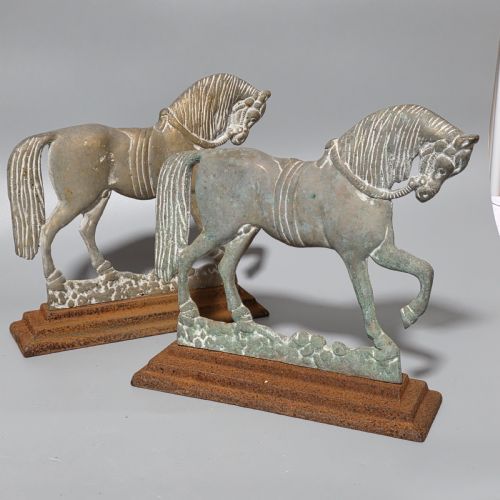


Victorian Iron Doorstop
When you search for a victorian iron doorstop, you are looking at substantial metal weights designed to hold heavy interior portals open with undeniable character.
Victorian Iron Doorstop
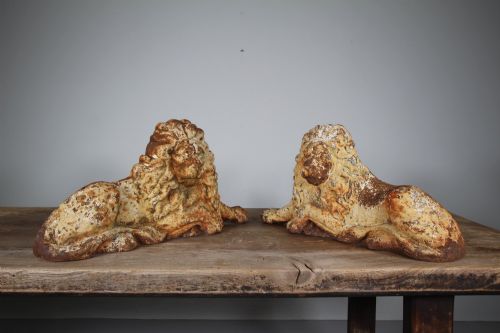
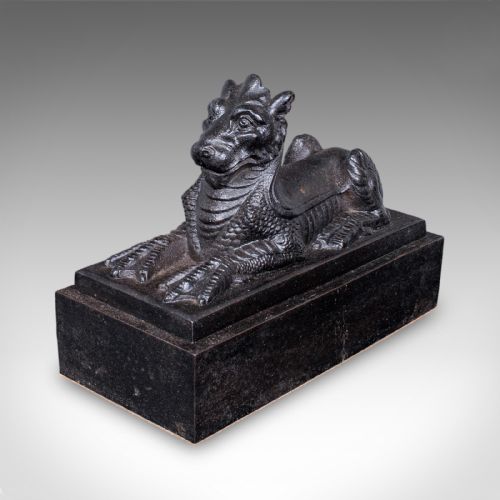
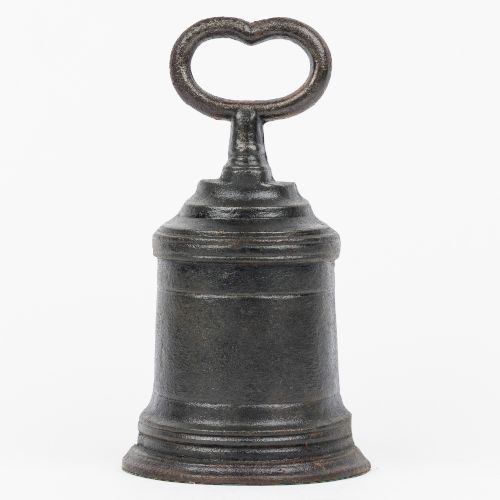
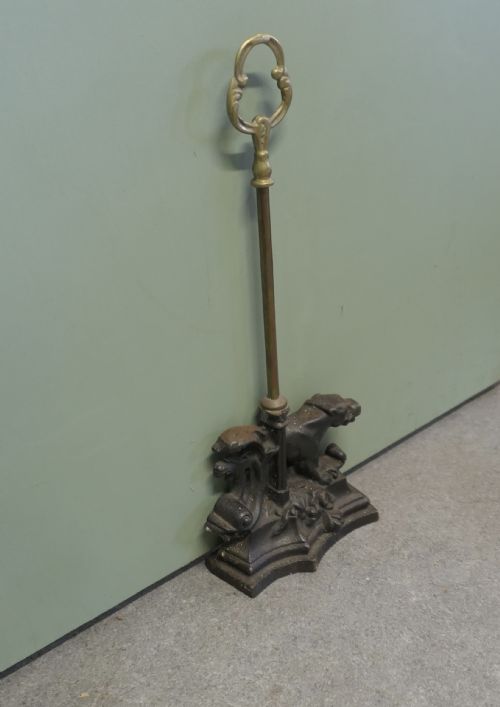
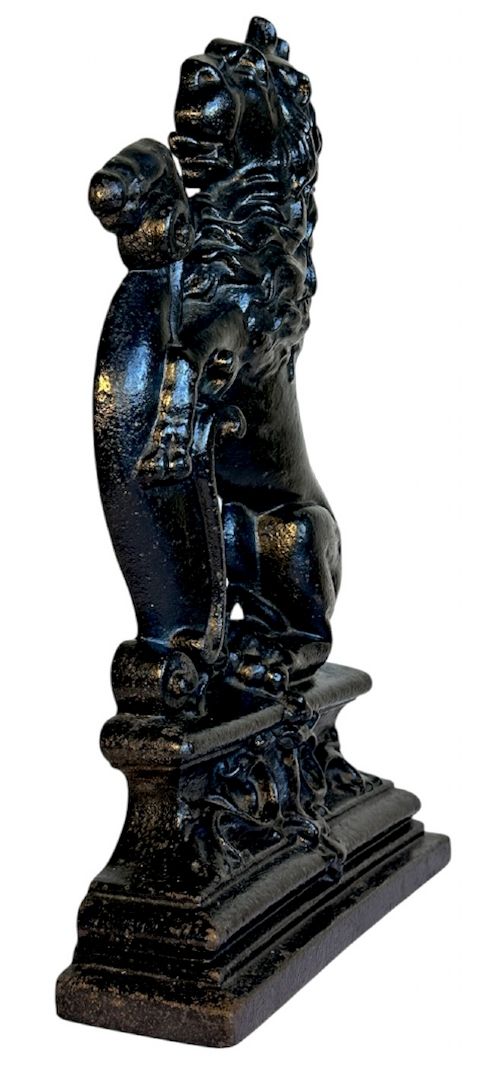
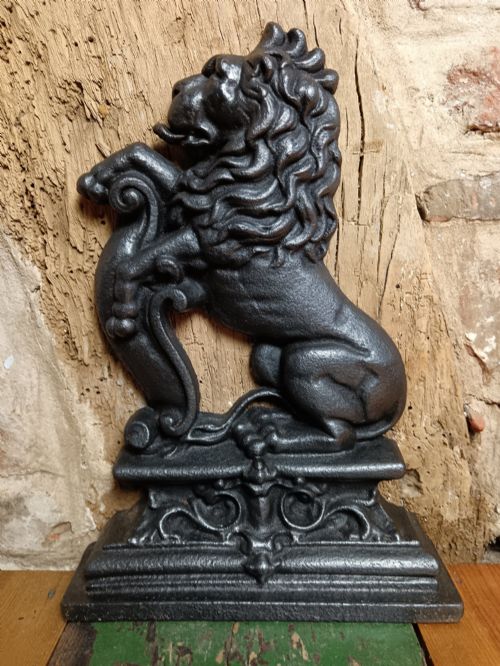
A victorian iron doorstop is a functional heavy object designed to keep interior doors open, frequently taking the form of lions, dogs, figures, and mythical creatures. Most pieces you meet on this page hail from the nineteenth century, often reflecting English country house or gothic revival tastes.
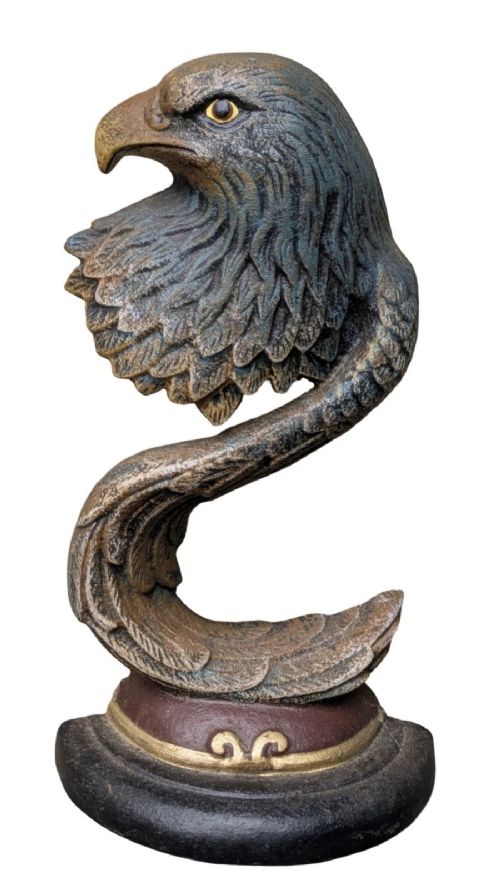
The objects serve as both practical door porters and decorative sculptures, appearing in varied motifs from Mr Punch to heraldic beasts and farm animals. Makers utilised sturdy forms to ensure these pieces could withstand daily domestic use in busy hallways.
Beyond standard doorstops, related objects like fireplace ornaments, hitching posts, and boot scrapers occasionally surface within these listings. The primary focus remains firmly on cast iron figures that combine utilitarian weight with sculptural presence.
How They Were Made
Foundries produced these objects primarily through sand casting in iron, often combining the heavy metal base with brass components or applying layers of paint to bring out sculptural details. The molten iron was poured into moulds taken from carved patterns, creating dense and durable door porters.
Surface finish played a crucial role in manufacture, with many examples retaining remnants of original polychrome paint or paired with polished brass additions. Skilled founders ensured each cast iron body possessed sufficient heft to hold heavy wooden doors firmly in place.
Victorian Iron Doorstop Retail Price Guide 2026
Typical asking prices for victorian iron doorstop among the pieces listed under this phrase on Sellingantiques today, from the lower quarter to the upper quarter. They describe what is for sale here now, not the wider market.
Listings feature prominent animal figures including lions, dogs, stags, and dolphins rendered in cast iron.
What Varies in Quality
The survival of original painted surfaces significantly elevates an example, as does the integration of secondary materials like brass or wood. Weight and balance also separate superior domestic porters from simpler utility castings.
John Crowley·Kenrick
The Victorian Iron Doorstop Glossary
- Door porter
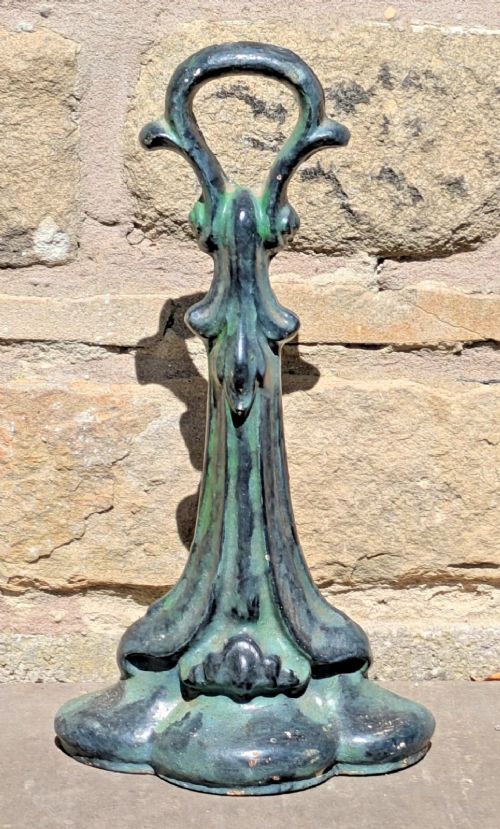
- A heavy weight used specifically for keeping doors open, often featuring an integrated handle for lifting.
- Cast iron
- A strong, heavy alloy of iron and carbon poured into moulds to create solid sculptural forms.
- Polychrome
- Decorated in multiple colours, referring to the original painted surfaces found on many nineteenth-century figures.
- Gothic Revival
- An architectural and decorative style popular during the period that influenced the ornamentation of household metalwork.
Victorian Iron Doorstop: Frequently Asked Questions
What is a victorian iron doorstop?
A victorian iron doorstop is a heavy cast metal object used to hold interior doors open against drafts. These utilitarian items doubled as decorative ornaments for the home.
They typically depict animals, figures, or heraldic symbols, combining practical domestic utility with the sculptural tastes of the nineteenth century.
How were they used in homes?
These pieces were placed on the floor near heavy wooden doors to prevent them from swinging shut in busy hallways and parlours. Their considerable weight ensured doors stayed put.
Servants moved them around large country houses as needed, utilising integrated handles or balanced designs for easy transport between rooms.
Are brass and iron combined?
Yes, many examples pair a heavy cast iron base with polished brass figures or secondary fittings. This combination added visual contrast and decorative appeal to the heavy door porters.
Foundries utilised both metals to achieve a more ornate appearance while maintaining the necessary weight at the base.
How do I spot earlier pieces?
Earlier pieces from the mid-nineteenth century often display sharper casting detail and heavier proportions. Stylistic cues like Georgian influences or specific Victorian revival motifs help suggest a date.
Examining the wear on the iron and any remaining original paint layers provides further clues to an object's age and origin.