
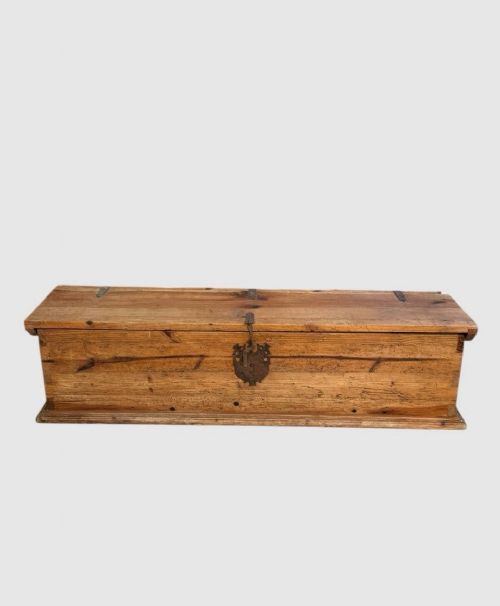
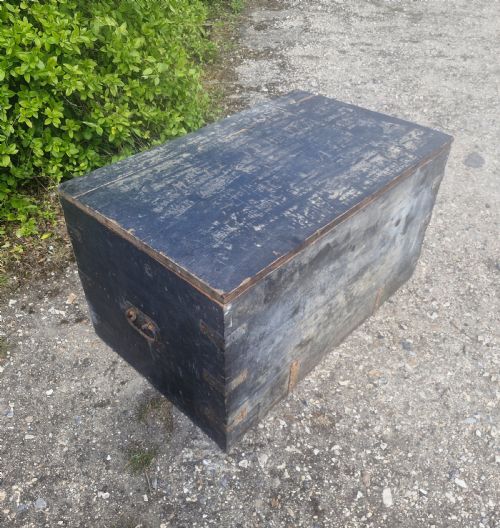


Victorian Iron Bound Trunk
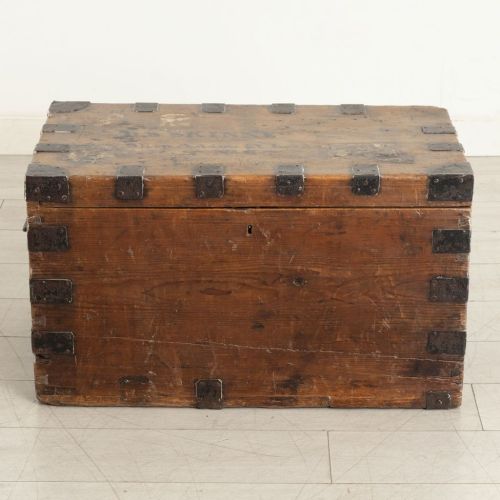
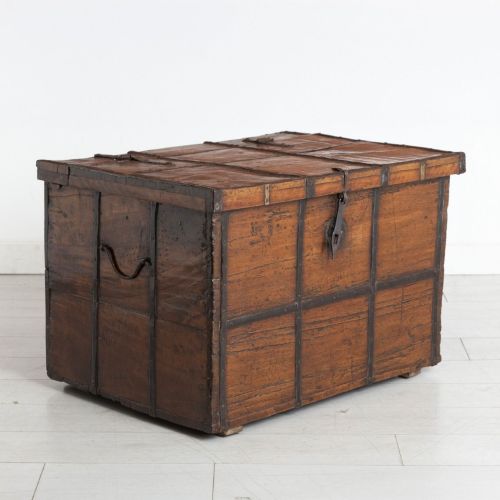
A victorian iron bound trunk brings heavy timber and robust metalwork together to create a durable storage piece built to travel.

Victorian Iron Bound Trunk
A victorian iron bound trunk serves as a sturdy receptacle designed for transit and domestic storage. These items emerge from the nineteenth century in various timber forms, reflecting the needs of travellers and households alike.
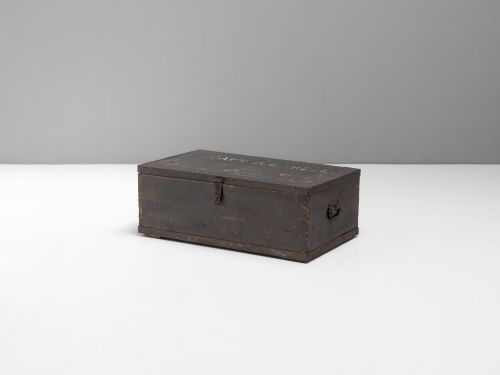
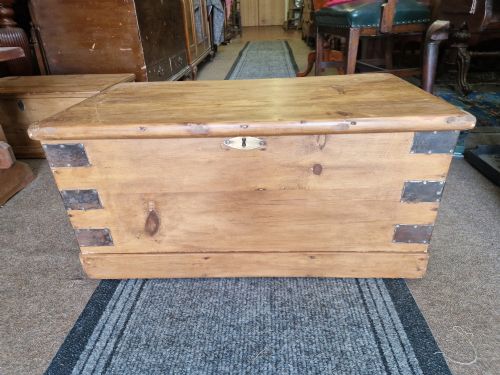
Pine and oak form the bulk of the domestic storage chests and travelling trunks seen here. Many examples originate from the Victorian period, though related nineteenth-century pieces appear in teak and mahogany.
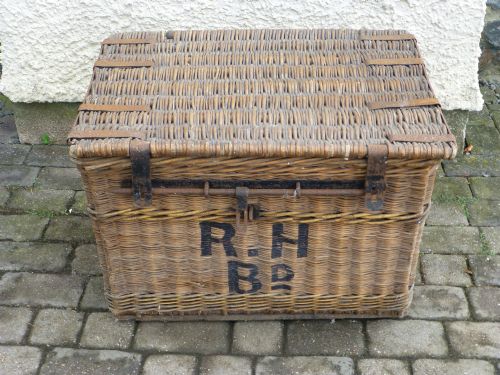
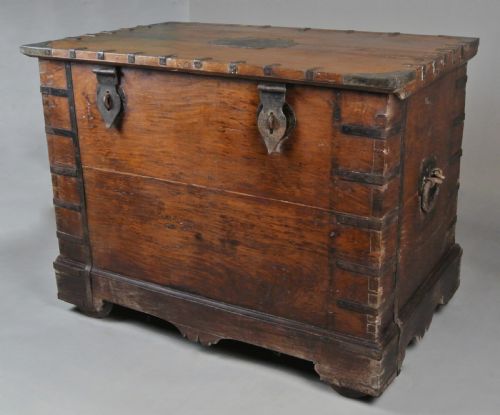
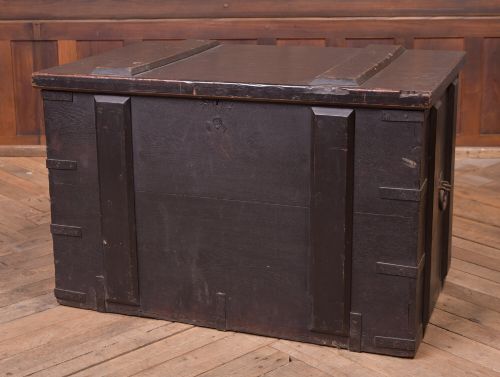
Buyers frequently encounter pine travel trunks alongside heavy oak silver chests bound in iron or steel. These vessels range from simple country house log bins to fitted campaign chests intended for military transport.
How They Were Made
Carpenters constructed the bodies of these chests using solid timber such as pine, oak, teak, or mahogany, joined to withstand heavy loads. Craftsmen then reinforced the corners, edges, and lids with iron, steel, or brass banding secured by numerous rivets.
Makers added side lifting handles of iron or brass to assist with movement during transit. Interiors often remained plain wood, though some examples received linings of zinc, paper, or painted finishes in colours like red.
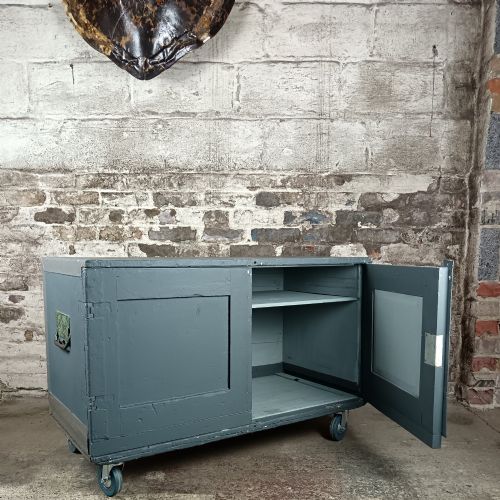
The inventory includes specialised forms ranging from domestic blanket boxes to military campaign chests and silver repositories.
What Varies in Quality
The choice of primary wood dictates the baseline quality, with dense hardwoods like oak and teak offering superior durability compared to softer pine. Finer pieces include internal fittings, such as baize-lined trays or compartments designed for silver and valuables.
The robustness and complexity of the metalwork also distinguish standard travelling trunks from superior silver chests. Original working locks, keys, and stamped maker details elevate the standing of an individual box.
H D Dean
The Victorian Iron Bound Trunk Glossary
- Silver chest
- A heavy timber storage box reinforced with iron banding, specifically lined and partitioned to protect domestic silverware from tarnish and damage.
- Campaign chest
- A portable piece of furniture built in sections or robust transport cases for military officers on active service.
- Dowry chest
- A large storage box traditionally used to collect household goods and linens in anticipation of marriage.
- Iron banding
- Flat strips of metal fastened around the exterior edges and corners of a trunk to increase structural strength.
- Travel trunk
- A deep box equipped with carrying handles, designed to hold clothing and personal possessions during long journeys.
Victorian Iron Bound Trunk: Frequently Asked Questions
What were iron bound trunks used for?
These chests primarily served as luggage for long-distance travel by ship or rail, protecting personal belongings against rough handling. Households also utilised them as secure storage repositories for valuable silver, linens, and household supplies.
Over time, many of these heavy containers transitioned from functional travel gear to stationary furniture pieces within the home. Their robust construction made them suitable for storing blankets, logs, or general household items.
How do I clean a pine trunk?
Dust the exterior surfaces gently with a dry, soft cloth to remove everyday accumulation without disturbing the aged timber. Avoid harsh chemical cleaners or excessive water, which can damage original painted finishes or dry pine.
Nourish untreated wood periodically with a suitable wax polish to maintain the condition of the material. Iron banding can be wiped clean with a dry cloth, leaving protective patina intact.
Are these trunks waterproof?
Most nineteenth-century trunks used tight-fitting wooden panels and metal reinforcement to keep dust and moisture out during transit. However, timber contracts and expands over decades, meaning original seals are rarely airtight today.
Buyers should treat these pieces as indoor storage rather than weather-resistant outdoor containers. Storing them in rooms with stable humidity prevents the wood from warping and protects the iron fittings from rust.
How do I date a Victorian chest?
Examine the construction methods, materials, and hardware used in the assembly of the trunk. Nineteenth-century pieces often display hand-forged iron work, dovetail joints in the timber, and specific lock mechanisms.
Paper labels left inside by makers or retailers can provide a tighter date range or a specific location of manufacture. Stylistic clues, such as revival motifs or military campaign configurations, also help narrow down the production era.