





Victorian Iron Boot Scraper
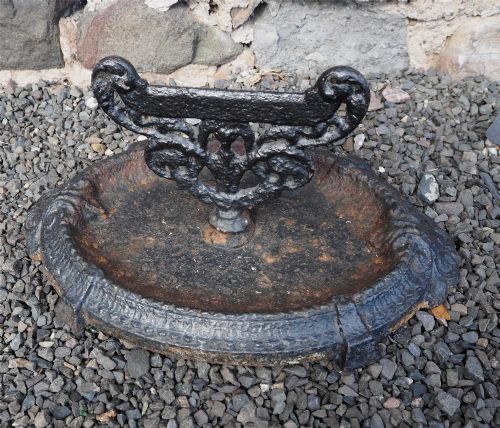
A victorian iron boot scraper clears heavy mud from footwear before entry, combining utilitarian function with robust architectural character.
Victorian Iron Boot Scraper
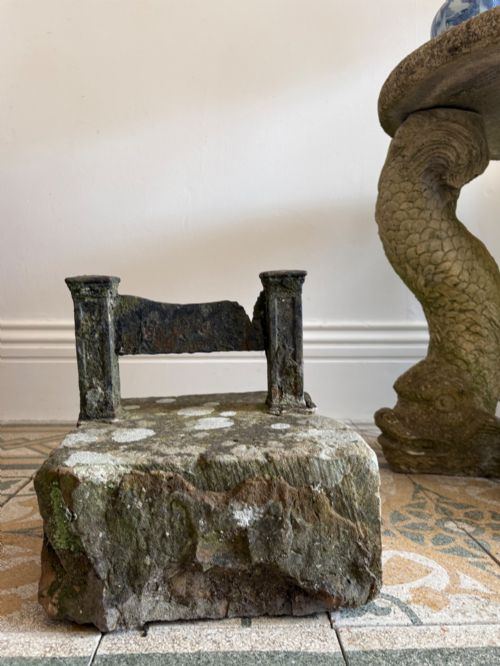
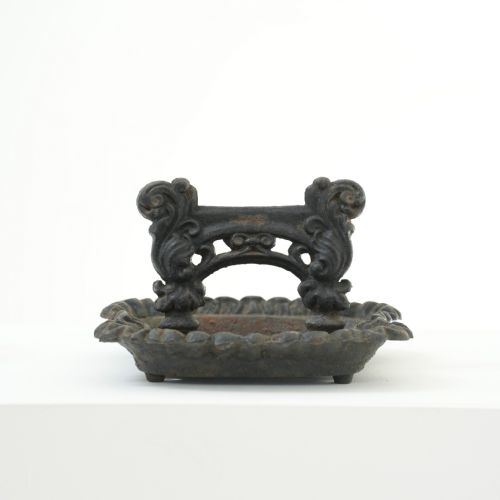
A victorian iron boot scraper is a sturdy outdoor threshold accessory designed to remove dirt from footwear. The versions most commonly found here date from the nineteenth century and originate from English townhouses and country houses.
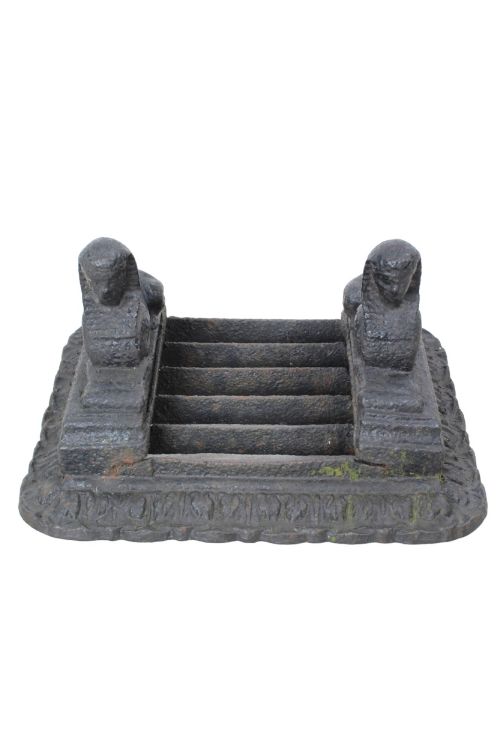
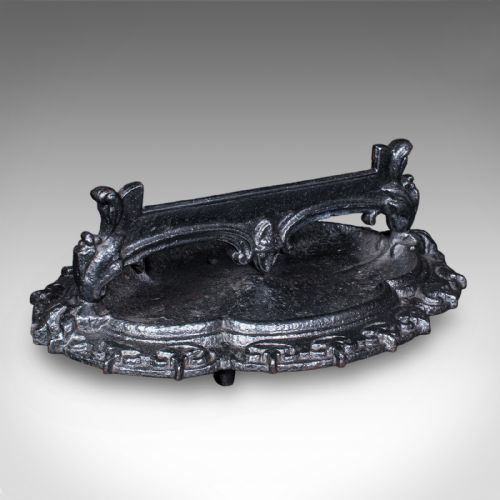
Many examples combine the scraper blade with integrated shoe pulls or side flanges to assist with stubborn footwear. Formats range from simple freestanding blocks to ornate designs incorporating stone bases and revival styles.
Design and Proportion
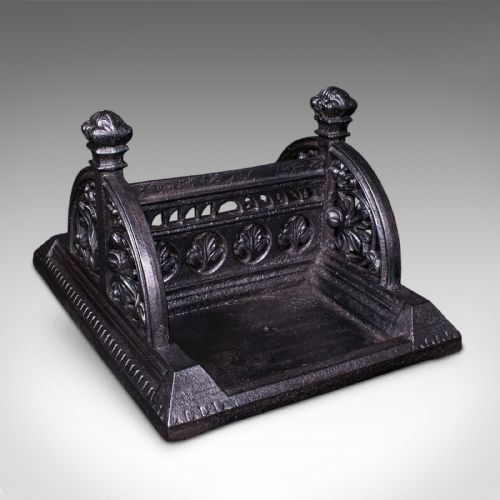
Quality rests in the weight of the casting and the ambition of the design, moving from plain utility pieces to elaborate architectural statements. Greater craftsmanship appears in sculptural embellishments like lion motifs or refined Gothic tracery.
The integration of materials also defines the better examples, particularly those securely set into original stone bases rather than relying solely on a simple iron foot.
Some nineteenth-century models feature fierce cast iron lions guarding the threshold, ensuring muddy boots meet a surprisingly majestic obstacle.
Coalbrookdale·Carron·T Holcroft & Sons Ltd Wolverhampton
The Victorian Iron Boot Scraper Glossary
- Boot scraper
- An outdoor metal blade fixed near a doorway for scraping mud off the soles of shoes and boots. It is the primary functional element of these pieces.
- Shoe pull
- A looped or shaped handle attached alongside the scraper blade to help leverage muddy boots off the foot. This feature appears frequently on townhouse variants.
- Cast iron
- Iron poured into a mould to create rigid shapes and decorative forms. It is the dominant material seen across these nineteenth-century examples.
- Gothic Revival
- An architectural and decorative style drawing on medieval forms, featuring pointed arches and geometric tracery. It surfaces on select nineteenth-century pieces.
- Plinth
- A heavy stone block or slab providing a stable foundation for the iron scraper. It keeps the ironwork elevated above damp ground.
Victorian Iron Boot Scraper: Frequently Asked Questions
Where were boot scrapers originally placed?
They were positioned immediately outside the main entrance of townhouses and country houses, often flanking the front steps.
This placement ensured visitors and residents cleaned their footwear before stepping onto the interior floors.
How do I clean an iron boot scraper?
Remove loose dirt with a stiff brush and gently wash away stubborn grime using warm water.
Dry the metal thoroughly and apply a protective wax or rust-inhibiting coating to preserve the surface.
Can these scrapers be used outside today?
Yes, because they were cast from durable iron to withstand permanent outdoor placement in all weather conditions.
Ensure they are firmly positioned on a level stone or paved surface to prevent rocking during use.
What is the difference between cast and wrought iron?
Cast iron is poured into moulds to create rigid, heavier forms with detailed decorative patterns.
Wrought iron is beaten and shaped by hand while hot, resulting in simpler, more flexible structural lines.