


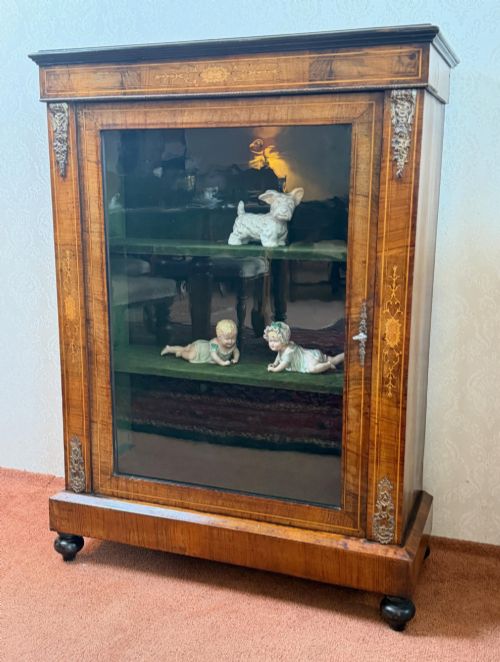
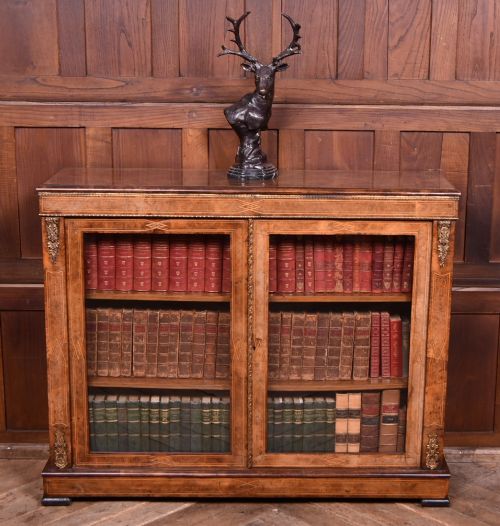
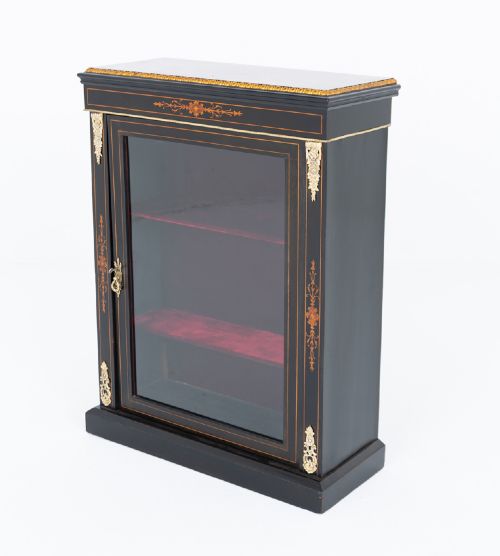
Victorian Inlay Pier Cabinet
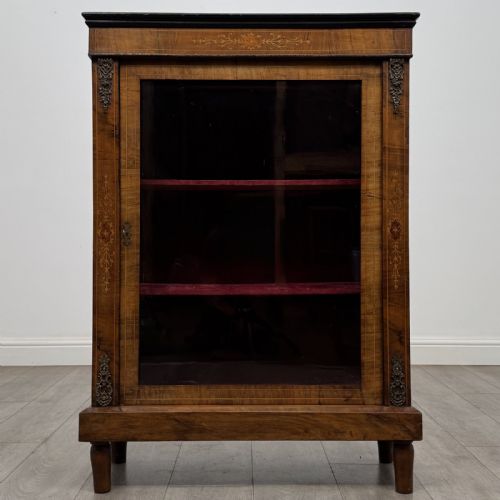
These Victorian inlay pier cabinets are narrow, glass-fronted display pieces designed for nineteenth-century drawing rooms, prized for housing precious porcelain.
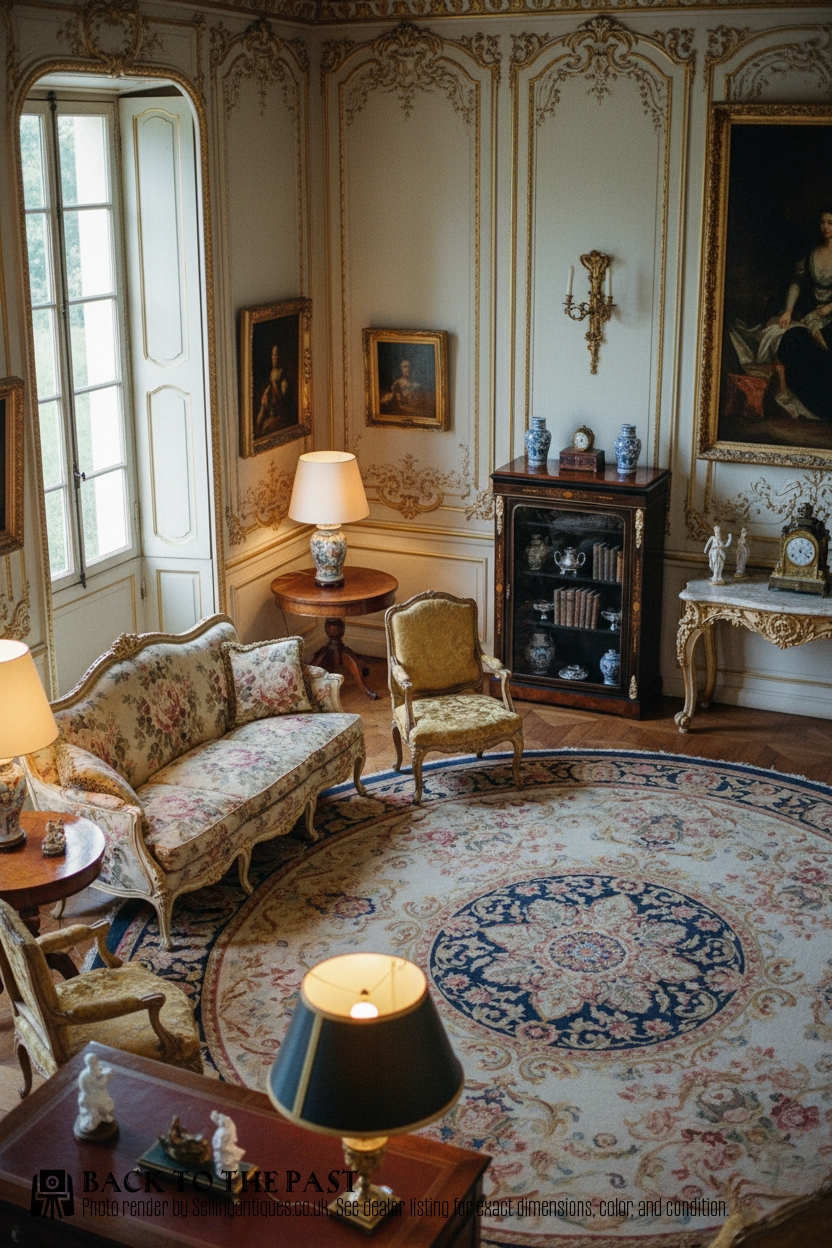
Victorian Inlay Pier Cabinet
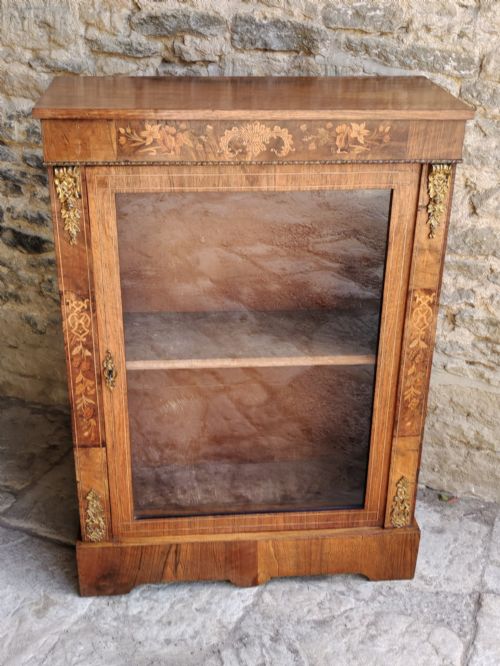
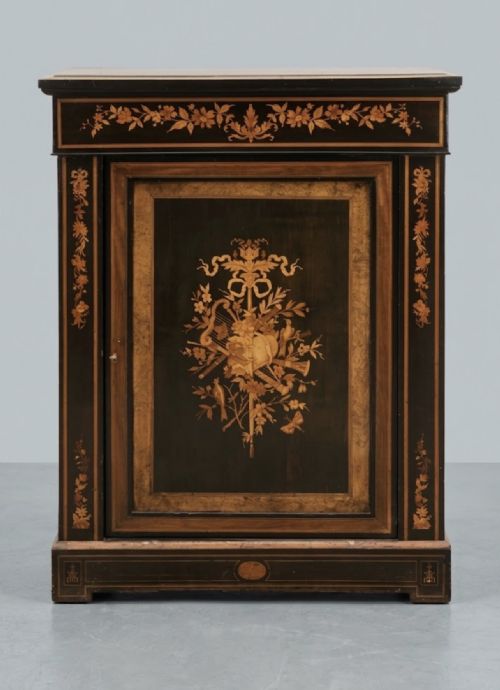
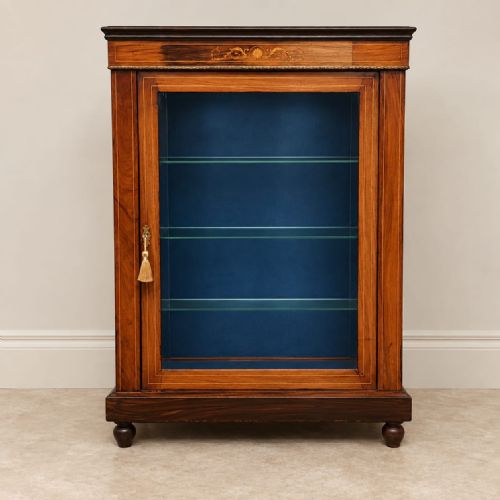
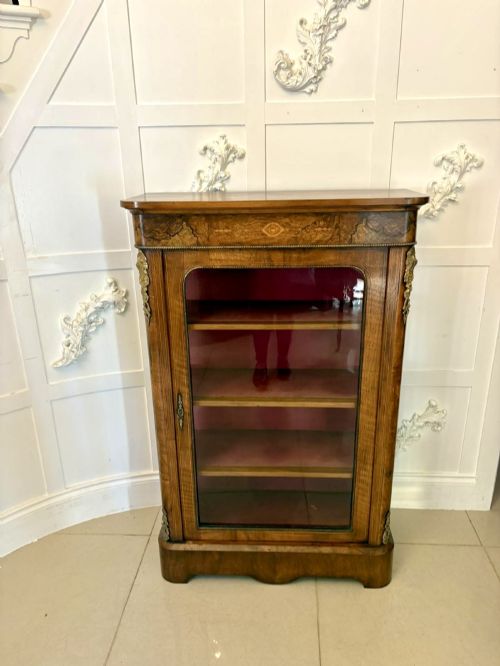
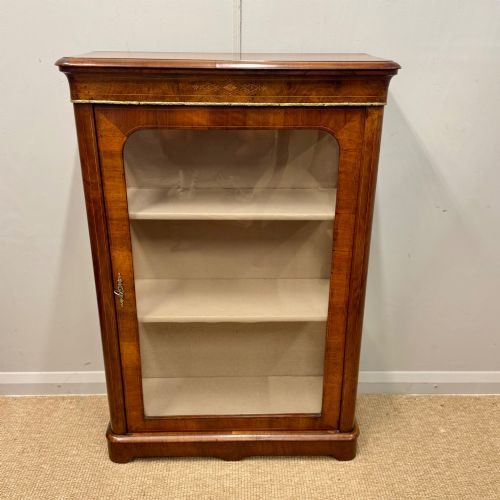
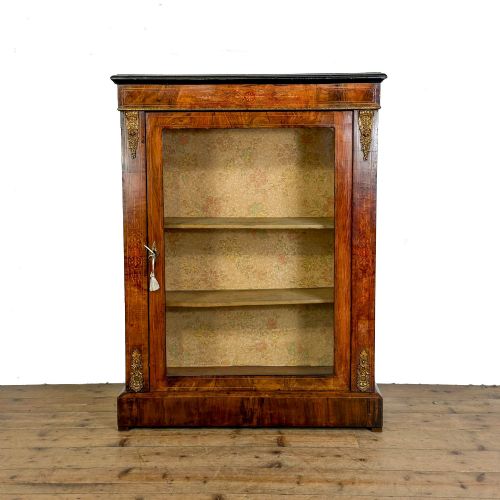
A victorian inlay pier cabinet is a tall, narrow display piece built to stand against the narrow wall spaces between windows, known as piers, in nineteenth-century reception rooms. These furnishings appear predominantly in Victorian walnut and burr walnut, alongside rosewood, satinwood, mahogany, and ebonised wood versions.
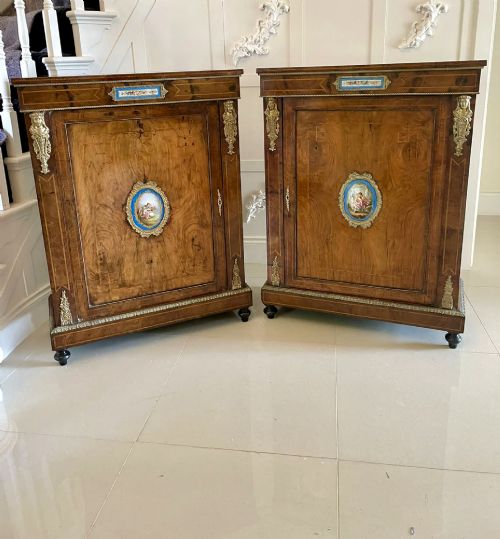
The form typically incorporates a single glazed door protecting shelved interiors, occasionally accompanied by open side compartments or porcelain plaques mounted into the timber. While most examples date from the Victorian era, specifically spanning the mid to late nineteenth century, stylistic influences draw from French Napoleon III, Louis XVI Revival, and Aesthetic Movement designs.
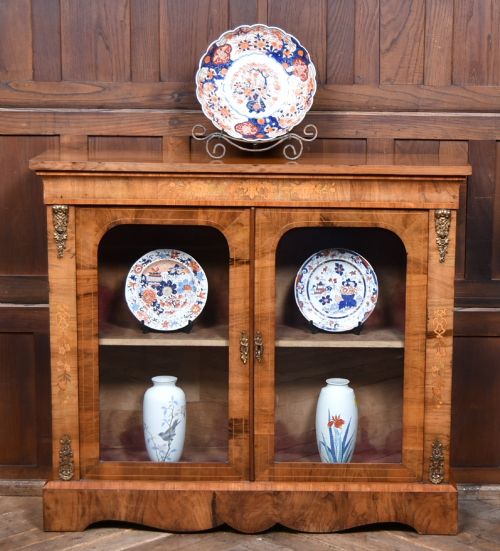
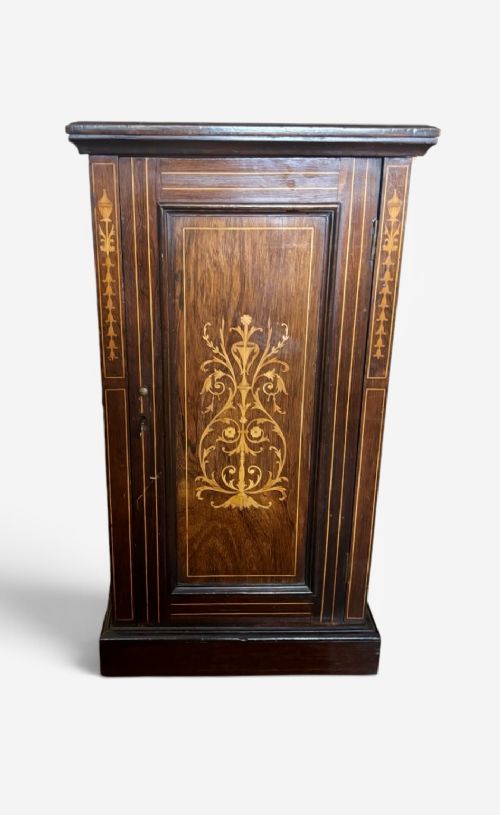
Side cabinets and credenzas also emerge under this search, sharing the characteristic timber construction and delicate marquetry. Buyers encounter both single standing units and matched pairs suited for balanced drawing room arrangements.
Materials and construction
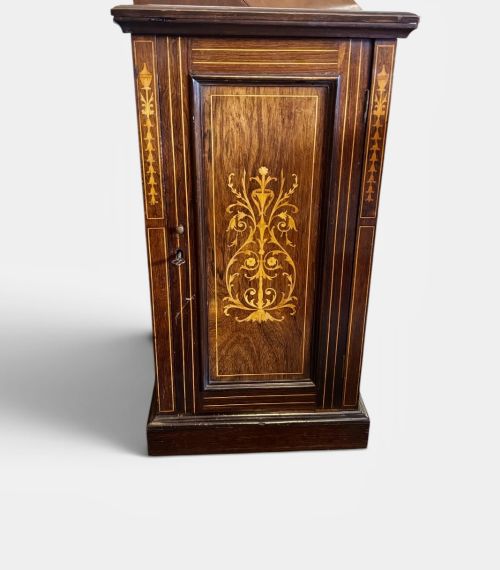
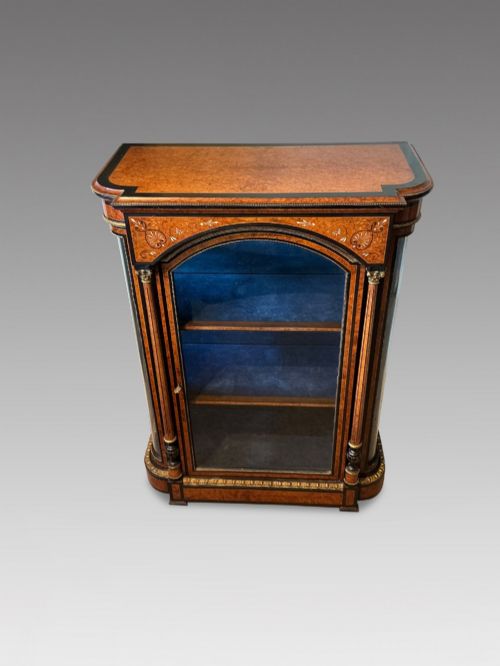
Cabinet makers utilised choice hardwoods, applying figured burr walnut, rosewood, and mahogany veneers over sound carcases to create rich, varied grain patterns on flat surfaces. Delicate boxwood, satinwood, and ebony marquetry or stringing formed intricate floral and geometric inlay across the doors and friezes.
Gilding, ormolu mounts, and polished brass details frequently edge the glazed doors and frame the porcelain plaques set into the timber. Ebonised finishes appear alongside tortoiseshell and brass Boullework on pieces influenced by French nineteenth-century design.
Victorian Inlay Pier Cabinet Retail Price Guide 2026
Typical asking prices for victorian inlay pier cabinet among the pieces listed under this phrase on Sellingantiques today, from the lower quarter to the upper quarter. They describe what is for sale here now, not the wider market.
Some pier cabinets include velvet-lined interiors designed to cushion delicate porcelain teacups against the vibrations of passing horse-drawn carriages.
Judging quality
Quality rests upon the selection of timber veneers and the precision of the marquetry inlay. Figured burr walnut with deep, lively grain commands greater regard than plain timber surfaces, while crisp, tightly fitted boxwood and satinwood stringing distinguishes finer workshop output.
The integration of decorative elements dictates overall merit. Cast ormolu mounts that sit flush, high-grade porcelain plaques, and original glass panes within sturdy, well-jointed frames separate standard utility pieces from exceptional cabinet work.
The Victorian Inlay Pier Cabinet Glossary
- Pier cabinet
- A narrow display cabinet proportioned specifically for the wall space between two windows. These pieces usually feature glass doors and velvet-lined shelving.
- Marquetry
- Decorative patterns formed by fitting together small pieces of tinted wood veneer, shell, or ivory onto a carcase. Craftsmen used this technique to create elaborate floral motifs on cabinet doors.
- Burr walnut
- Timber taken from the gnarled growths on walnut trees, yielding swirling, highly figured grain patterns. Cabinet makers prized this wood for high-status Victorian display furniture.
- Ormolu
- Gilded bronze mounts applied to furniture for decorative accent. The technique was particularly favoured in French-influenced nineteenth-century cabinet design.
- Ebonised wood
- Timber treated with a dark stain or finish to imitate ebony. This process created a dramatic contrast with brass inlay and porcelain mounts.
Victorian Inlay Pier Cabinet: Frequently Asked Questions
What were pier cabinets used for originally?
These cabinets served to display prized collections of ceramics, small sculptures, and decorative ornaments within Victorian drawing rooms.
The glazed doors protected delicate porcelain items from dust while allowing guests to admire the contents during social gatherings.
Where should I place a pier cabinet at home?
They fit naturally into narrow wall spaces, hallways, or alcoves where standard wider furniture would overwhelm the room.
Their shallow depth makes them practical for modern living areas while providing vertical display space.
How do I care for walnut and inlay?
Keep walnut furniture away from direct sunlight and heat sources to prevent the wood veneers and delicate stringing from drying out and lifting.
Apply a traditional beeswax polish sparingly to nourish the timber and maintain the soft sheen of the polished surface.
How can I tell the difference between periods?
Mid-nineteenth-century pieces often display rich burr walnut and ornate marquetry, while later Victorian and Edwardian examples occasionally shift towards lighter satinwood or ebonised finishes.
Construction details inside the cabinet and the style of brass hardware also offer clues to the exact decade of manufacture.