
Victorian Inlay Display Cabinet
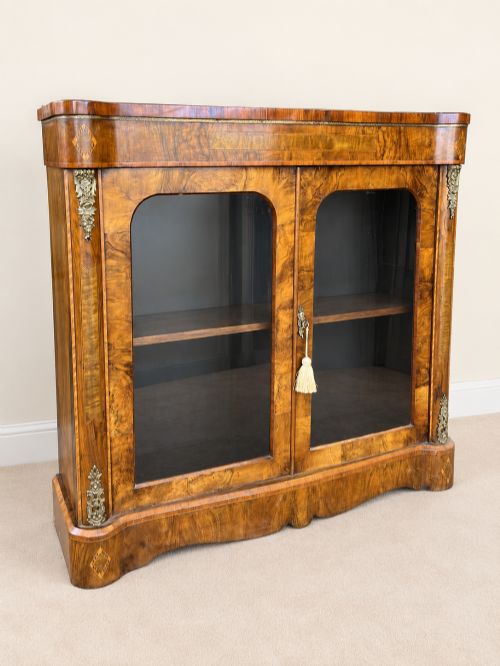
A victorian inlay display cabinet brings nineteenth-century craftsmanship into a modern room, offering glass-fronted storage for prized objects.
Victorian Inlay Display Cabinet
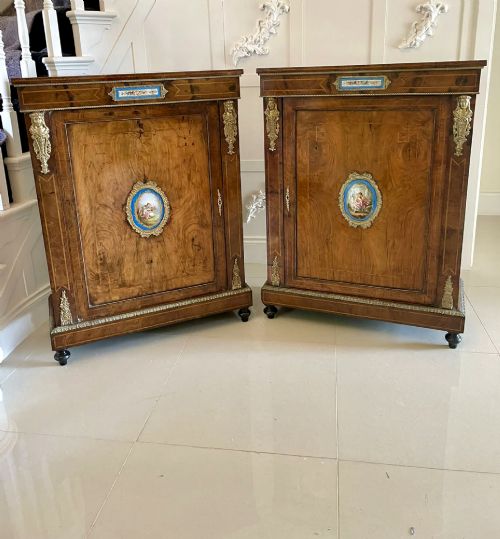
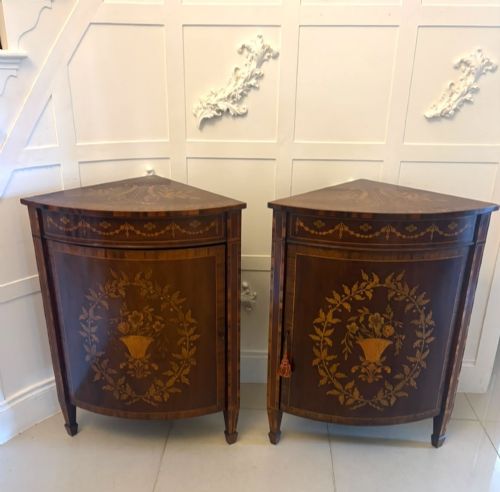
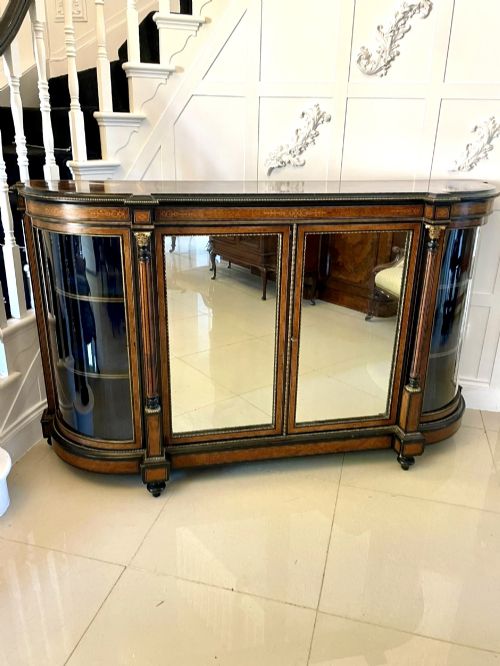
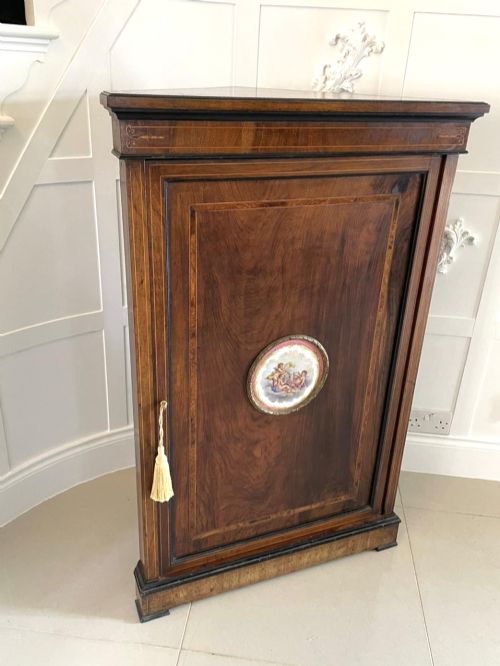
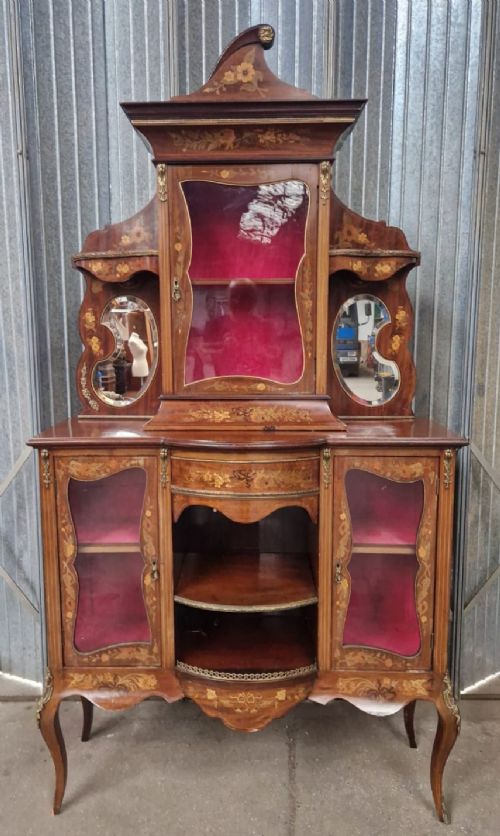
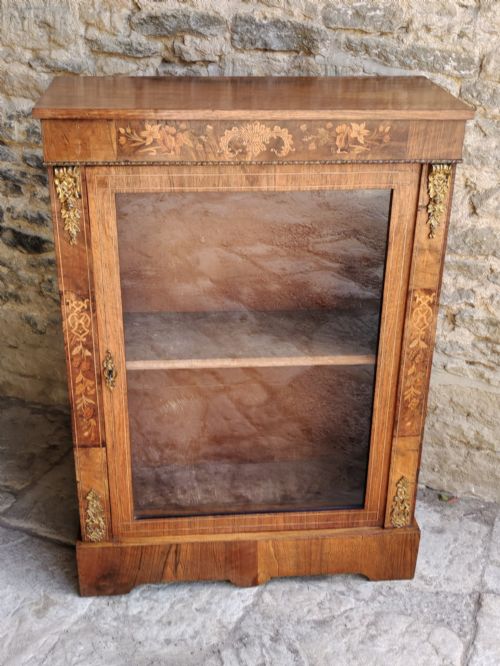
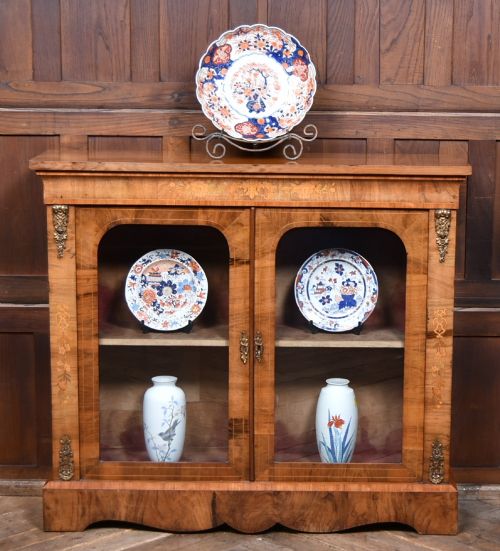
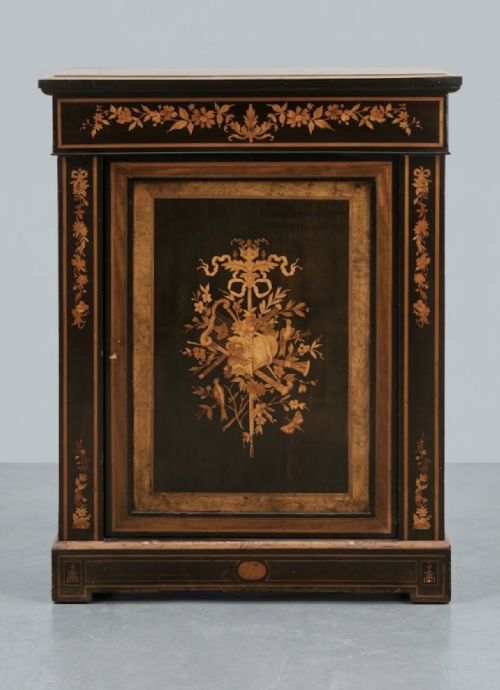
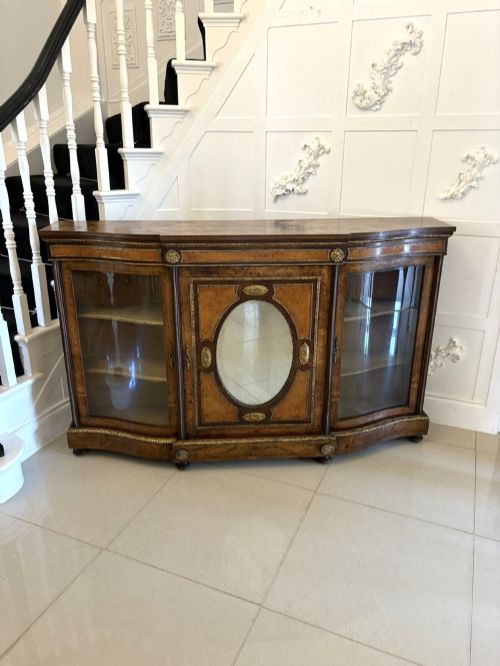
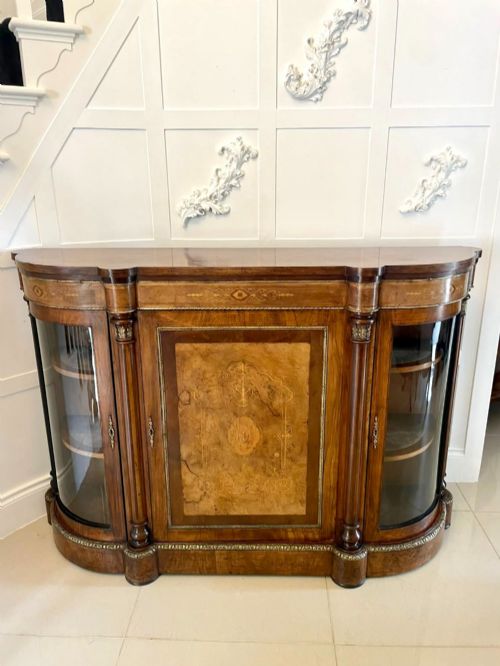
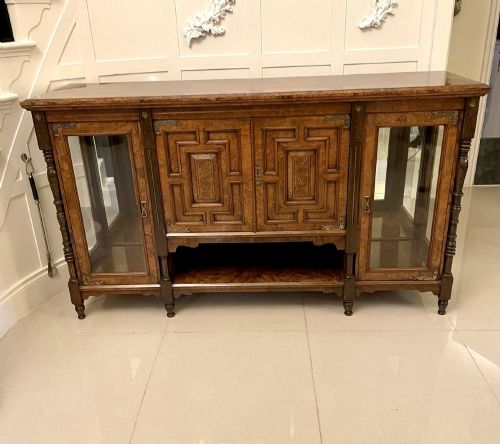
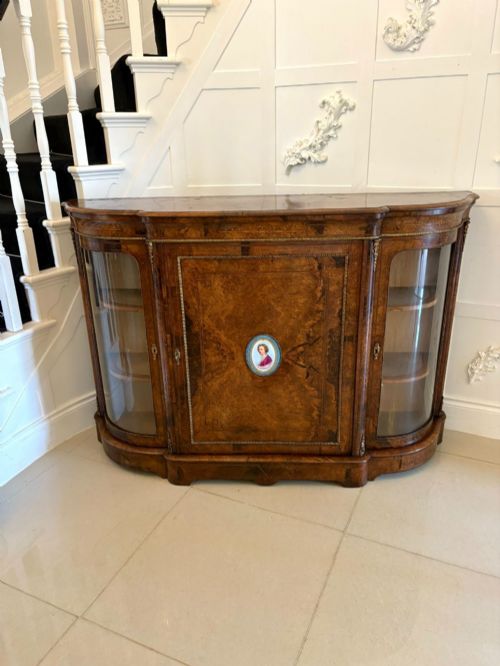
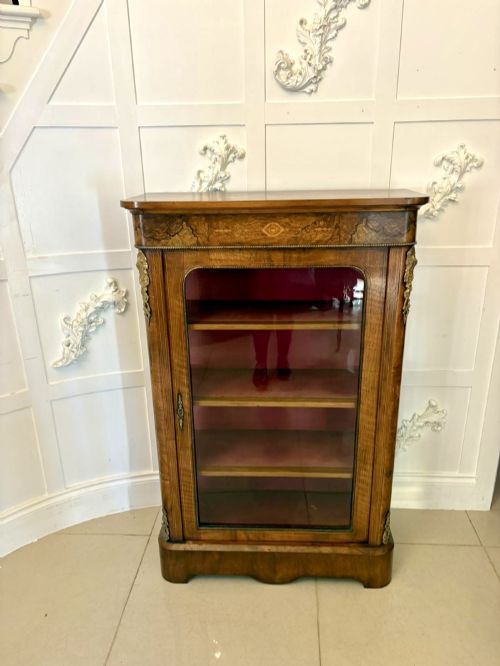
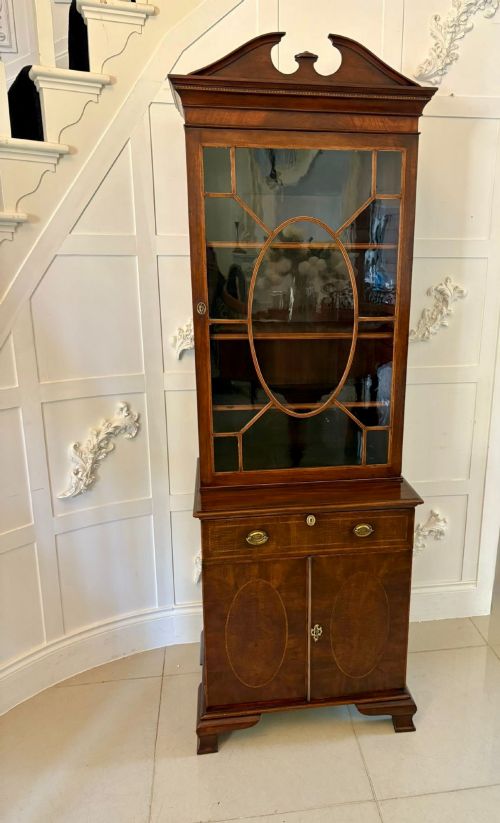
A victorian inlay display cabinet encompasses pier cabinets, credenzas, and bookcases produced across the nineteenth century, most frequently appearing in burr walnut or mahogany. These pieces combine glazed compartments for visibility with delicate marquetry or stringing in contrasting timbers.
The materials span rich dark woods alongside lighter satinwood and rosewood, often paired with ormolu mounts and brass details. Cabinets from this era reflect evolving domestic tastes, moving from formal mid-century credenzas to lighter late-century satinwood forms.
Materials and Construction
Cabinet makers utilised dense timber foundations like mahogany and walnut, frequently veneered with burr walnut to create dramatic grain patterns on large surfaces. Inlay work incorporated boxwood, satinwood, and ebony to form floral motifs and geometric banding.
Structural embellishments relied on cast brass fittings and gilded ormolu mounts placed at corners, borders, and feet. Glass doors utilised individual panes held in wooden frames or curved sections shaped to fit serpentine fronts.
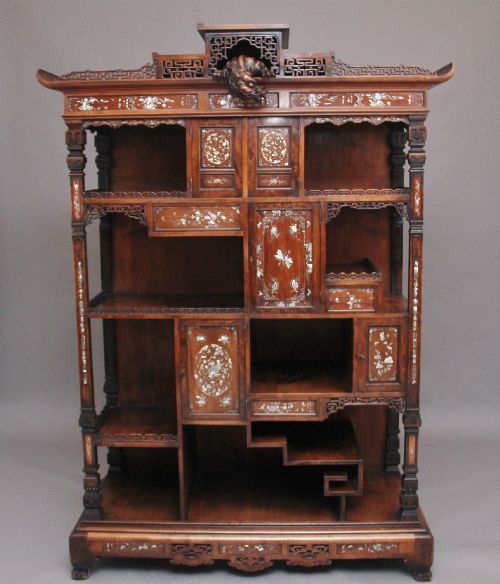
Listings feature eighteenth-century revival styles alongside Aesthetic Movement and Japonisme designs across walnut, mahogany, and satinwood.
Distinctions in Execution
Superior examples demonstrate meticulous precision in the marquetry, where different timber species fit together seamlessly without excessive filler or gaps. The choice of underlying veneer also dictates grade, with densely figured burr walnut commanding higher regard than plain walnut.
Mounting hardware reveals standards of production; solid chased ormolu mounts indicate superior workshops compared to stamped or plated alternatives. Secondary timbers inside drawers and backing boards show whether makers maintained high standards in hidden areas.
Collinson & Lock·Edwards & Roberts·Gillows·Lamb of Manchester
The Victorian Inlay Display Cabinet Glossary
- Marquetry
- Decorative patterns formed by fitting together thin veneers of various woods and other materials onto a structural surface.
- Ormolu
- Gilded bronze used for decorative mounts and feet on nineteenth-century furniture.
- Pier Cabinet
- A narrow cabinet designed to stand against the wall space between windows.
- Credenza
- A low cabinet, often featuring curved ends and glazed doors, originating for dining room storage.
- Burr Walnut
- Timber taken from a walnut tree outgrowth, prized for its swirling, knotted grain patterns.
- Stringing
- Thin lines of contrasting wood inlaid into the surface to create geometric borders.
Victorian Inlay Display Cabinet: Frequently Asked Questions
What is a pier cabinet?
A pier cabinet is a slim, single-door piece built specifically to fit narrow wall spaces between large architectural windows.
These cabinets typically featured glass doors to display ornaments while protecting delicate porcelain or books from dust.
How do I identify burr walnut?
Burr walnut is recognisable by its distinct, swirling knot formations and dense, organic patterns across the wood surface.
Cabinet makers used these dramatic veneers on prominent front panels and table tops to catch the light.
Where were credenzas used?
Credenzas served primarily in dining rooms and formal reception spaces for storing ceramics, silver, and glassware.
Their low profiles allowed the top surface to act as a sideboard during gatherings while keeping items enclosed below.
What is ormolu?
Ormolu refers to gilded bronze mounts applied to furniture edges, corners, and central friezes for decorative effect.
These metallic accents provided contrast against dark mahogany and walnut timbers during the Victorian period.